
In 2025, the world of remote work continues to evolve, with over 35 million people embracing the flexibility of digital nomadism. This lifestyle isn’t just a trend—it’s a movement. As we explore the best cities for remote workers, we focus on key factors like internet speed, cost of living, and quality of life.
Cities like Genoa, Bari, and Valencia are becoming hubs for remote workers, blending work and lifestyle seamlessly. These destinations offer a unique mix of affordability, connectivity, and cultural richness. Whether you’re in historic Italy or vibrant Spain, these cities provide the perfect balance for those seeking freedom and flexibility.
This article will guide you through the top cities for remote work, offering insights and data to help you make informed decisions. We’ll explore what makes these locations stand out and how they can empower your journey as a remote worker.
Key Takeaways
- Over 35 million people worldwide are part of the remote work workforce.
- Genoa, Bari, and Valencia are top destinations for remote workers in 2025.
- Key metrics for choosing a city include internet speed, cost of living, and quality of life.
- Historic cities in Italy and Spain offer a blend of affordability and cultural richness.
- This guide provides insights and data to help you make informed decisions.
Introduction: Embracing the Digital Nomad Lifestyle
Remote work has revolutionized how we approach our careers, with millions embracing a lifestyle that blends work and adventure. This shift isn’t just about flexibility; it’s about redefining success on our own terms.
The rise of the digital nomad lifestyle is a cultural phenomenon, driven by technological advancements and shifting workplace norms. As Nomadic Matt highlights, more professionals are seeking freedom and autonomy. The Dojo report reveals a significant increase in remote work adoption, supported by policies that encourage location independence.
Benefits of the Digital Nomad Lifestyle
| Aspect | Details |
|---|---|
| Freedom | Work from anywhere, whether a bustling city or a serene coastal town. |
| Autonomy | Set your schedule and environment to maximize productivity and happiness. |
| Cost Efficiency | Opt for cities with a lower cost of living to enhance your lifestyle. |
| Visa Options | Many countries now offer digital nomad visas, simplifying legal stays. |
Choosing the right city is crucial. Factors like internet speed, cost of living, and visa policies are key. Cities such as Genoa, Bari, and Valencia offer a mix of affordability and rich culture, making them ideal for remote workers.
Joining a community of like-minded individuals can enhance your experience. Coworking spaces and online groups provide support and networking opportunities, essential for maintaining balance and productivity while exploring new destinations.
Key Factors in Choosing a Remote Work Destination
When selecting the ideal destination for remote work, several critical factors come into play. High-speed internet, affordability, and visa policies are among the top considerations. Let’s break down these essential elements that shape the remote work experience.
Wi-Fi Connectivity and Internet Speed
Robust Wi-Fi and reliable internet speed are non-negotiable for remote workers. According to the Dojo report, a minimum of 3-5 Mbps is required for Zoom calls, while 20 Mbps download and 3 Mbps upload ensure high-quality video chats. Cities with efficient coworking spaces, such as WeWork and Impact Hub, often provide superior connectivity, making them hotspots for remote workers.
Cost of Living and Visa Options
Affordability is another key factor. For instance, Austin offers a one-bedroom apartment for around $1,900/month and daily expenses of $60. Visa policies also play a significant role. Over 50 countries now offer digital nomad visas, simplifying long-term stays. Charlie Ashworth of Dojo emphasizes the importance of transparent visa options, which contribute to a balanced work-life environment.
Key Considerations:
- Assess internet speed and reliability.
- Evaluate monthly costs and visa requirements.
- Explore destinations with a lower cost of living.
For those exploring the U.S., traveling within the U.S. and offers diverse opportunities. With careful consideration of these factors, remote workers can find a destination that enhances both productivity and lifestyle.
Exploring Digital Innovation and Community in U.S. Cities
As remote work continues to reshape urban landscapes, U.S. cities are emerging as vibrant hubs for innovation and community. These cities offer a unique blend of technological advancement and collaborative environments, making them ideal for remote workers seeking both productivity and connection.
Urban Tech Hubs & Startup Culture
Austin and New York exemplify how urban tech hubs foster innovation. Austin, with its thriving startup culture and no state income tax, attracts remote workers with its affordability and dynamic environment. The city’s internet speed averages 264.28 Mbps, ensuring seamless connectivity for remote professionals.
New York, while more expensive, offers unparalleled networking opportunities and a robust job market. Coworking spaces like The Wing and WeWork cater to diverse needs, creating communities that support creativity and productivity. These cities demonstrate how traditional business infrastructure can seamlessly integrate with modern coworking culture.
High-speed internet is crucial for remote work, with cities like Austin and New York providing speeds over 260 Mbps. Such infrastructure, combined with supportive local policies, creates an environment where remote workers can thrive and innovate.
Community events and networking opportunities further enhance the remote work experience. These gatherings not only foster connections but also contribute to a sense of belonging, essential for maintaining productivity and well-being in a remote setup.
Europe’s Most Captivating Digital Nomad Destinations
Europe stands out as a premier destination for remote workers, blending historic charm with modern amenities. Cities like Genoa, Bari, and Valencia are becoming hotspots, offering a mix of affordability, rich culture, and high-quality living.
Italy’s Historic Hubs and Culture
Italy captivates with its blend of history and modern convenience. Genoa and Bari offer low cost living, making them ideal for remote workers. These cities provide fast internet speeds, averaging over 20 Mbps, ensuring seamless connectivity.
- Genoa: Historic architecture and a thriving expat community.
- Bari: Affordable living with cultural richness and excellent internet.
Italy’s digital nomad visa simplifies long-term stays, attracting many professionals seeking a balanced lifestyle.
Spain’s Vibrant Lifestyle Capitals
Spain offers a dynamic blend of culture and affordability. Valencia stands out with its low cost of living and high quality of life, making it one of the best cities for remote workers.
- Valencia: Rich culture, affordable living, and fast internet.
- Active expat communities enhance the remote work experience.
Spain’s vibrant lifestyle and modern amenities make it a top choice for those seeking both adventure and productivity.
For more insights on Europe’s top destinations, visit our guide to digital nomad hotspots.
Digital Nomad Locations: Global Perspectives
From the bustling streets of Asia to the serene beaches of South America, remote work is reshaping how we live and work globally. This shift is not just about location—it’s about embracing a lifestyle that blends freedom with productivity.
According to Nomadic Matt, destinations like Phuket, Thailand, and Cartagena, Colombia, are gaining popularity for their unique mix of affordability and cultural richness. These cities offer a vibrant lifestyle, with Phuket boasting a monthly budget of just $991 and Cartagena offering a dynamic blend of history and modernity.
| City | Monthly Budget | Coworking Space |
|---|---|---|
| Phuket, Thailand | $991 | Phuket Coworking |
| Chiang Mai, Thailand | $1,008 | Angkor HUB |
| Kuala Lumpur, Malaysia | $1,041 | The Cube |
| Cartagena, Colombia | $1,513 | Starbucks |
Remote workers are increasingly drawn to cities that offer a balanced live-work ecosystem. While traditional urban centers like New York and London remain popular, lesser-explored neighborhoods in cities such as Medellín and Santiago are gaining traction for their affordability and cultural depth.
These global destinations highlight how the concept of work is evolving. Whether you’re strolling through the historic streets of Europe or relaxing on a tropical beach, the world offers endless opportunities for those ready to embrace this liberating lifestyle.
Beachside Retreats and Island Vibes for Remote Work
Imagine waking up to the sound of waves gently crashing, sipping your morning coffee as the sun rises over the horizon. For many remote workers, this isn’t just a dream—it’s their reality. Coastal destinations and islands have become magnets for those seeking a serene yet productive environment.
Top Coastal Nomad Spots
These idyllic locations offer more than just a pretty view. They provide a unique blend of tranquility and connectivity, making them ideal for professionals working remotely.
Destinations like Anthony Quinn Bay in Greece, Malta, and Costa Rica are top choices for digital nomads. These spots combine stunning beaches with reliable internet and a growing expat community. For instance, Malta boasts fast internet speeds and a lower cost of living, while Costa Rica offers a lush environment that fosters creativity and wellness.
One of the key benefits of coastal living is the balance it offers between work and leisure. Cities like Valencia and Bari, with their rich cultural heritage and affordable living, provide the perfect setting for a productive work-life balance. The serene backdrop of these locations not only enhances creativity but also promotes overall well-being.
Success stories abound in these coastal communities. Many remote workers have found that the relaxed atmosphere and outdoor activities like surfing or hiking help them recharge, leading to increased productivity. The sense of community in these areas is strong, with many coworking spaces and networking events available.
When considering a coastal retreat, it’s important to evaluate factors like internet speed and cost of living. For example, Phuket in Thailand offers reliable internet and a relatively low cost of living, making it a popular choice. Similarly, destinations like Santa Teresa in Costa Rica provide decent Wi-Fi and a vibrant expat community.
These beachside locations offer a unique experience, blending the freedom of remote work with the beauty of nature. Whether you’re working from a seaside café or a cozy beachside home, the island vibe creates an environment that’s both inspiring and rejuvenating.

In summary, coastal destinations and islands are more than just vacation spots; they’re thriving hubs for remote workers. With their mix of natural beauty, reliable connectivity, and vibrant communities, these locations offer the perfect setting for a balanced and fulfilling remote work experience.
Budget-Friendly Cities for Sustainable Nomad Living
Discovering cities that offer affordability without compromising on quality is key for sustainable living. According to the Dojo report, cities like Medellín, Colombia, and Chiang Mai, Thailand, provide low-cost living options that cater to remote workers.
| City | Monthly Cost | Internet Speed | Highlights |
|---|---|---|---|
| Medellín, Colombia | $750 | 15-30 Mbps | Urban renewal and cultural richness. |
| Chiang Mai, Thailand | $700 | 20-30 Mbps | Thriving expat community and affordable lifestyle. |
| Plovdiv, Bulgaria | $800 | 10-20 Mbps | Historic architecture and vibrant arts scene. |
These cities exemplify how low cost doesn’t mean low quality. Medellín’s architecture, from modern skyscrapers to colonial buildings, reflects its cultural depth. Similarly, Chiang Mai offers a blend of traditional temples and modern coworking spaces, enhancing the quality of life for remote workers.
To manage your budget effectively, consider renting apartments outside city centers and using local transportation. Additionally, taking advantage of free walking tours can help you explore without extra costs. These cities are perfect for those seeking a sustainable and mindful lifestyle, proving that you can live well without breaking the bank.
For more insights on affordable destinations, visit our guide to top locations.
The Role of Modern Infrastructure in Remote Work Success
Modern infrastructure is the backbone of successful remote work, enabling professionals to stay productive and connected. High-speed internet, reliable coworking spaces, and digital-friendly public services create an environment where freedom and efficiency thrive.
High-Speed Internet and Coworking Culture
High-speed internet is a critical factor for remote workers. According to the Dojo study, a minimum of 20 Mbps download and 3 Mbps upload ensures smooth video chats and data transfers. Cities like Austin and Valencia offer speeds over 260 Mbps, making them ideal for seamless connectivity.
Coworking spaces are another essential factor. They provide not just a workspace but a community. These hubs foster collaboration and innovation, as seen in cities where history and modernity coexist, like Genoa and Bari. The blend of historic charm and modern amenities creates a unique environment that enriches the remote work experience.
The right infrastructure significantly influences quality of life and work efficiency. For instance, coworking spaces in Valencia offer affordable stays with cultural richness, while Austin provides a dynamic tech ecosystem. These examples show how modern infrastructure supports a balanced lifestyle, allowing remote workers to stay productive and fulfilled.
Cultural Depth and Quality of Life: Enriching Digital Nomad Experiences
Cultural depth plays a pivotal role in shaping the quality of life for remote workers. Cities like Rome, Sevilla, and Berlin offer more than just a place to work—they provide immersive cultural experiences that enrich life balance. As Nomadic Matt notes, “Cultural immersion is the soul of the digital nomad lifestyle.”
Arts, History, and Nightlife
Rome captivates with its historic architecture and world-class museums like the Vatican Museums. The city’s nightlife, from wine bars to jazz clubs, offers a vibrant social scene that fosters connection and relaxation.
Berlin stands out for its thriving arts scene and eclectic nightlife. The city’s museums, such as the Pergamon Museum, and its legendary clubs like Berghain, create a dynamic environment that blends history with modern culture.
Community Events and Local Flavor
Sevilla’s festivals, such as the Feria de Abril, provide a glimpse into its rich cultural heritage. These events offer digital nomads a chance to connect with locals and experience authentic traditions.
Berlin’s cultural festivals and markets, like the Berlinale film festival, highlight the city’s diverse community. As a local once said, “Our festivals are where everyone comes together—locals and nomads alike.”
These cultural experiences not only enhance life balance but also create a sense of belonging. For those seeking deeper connections, explore our guide on dealing with loneliness while traveling.
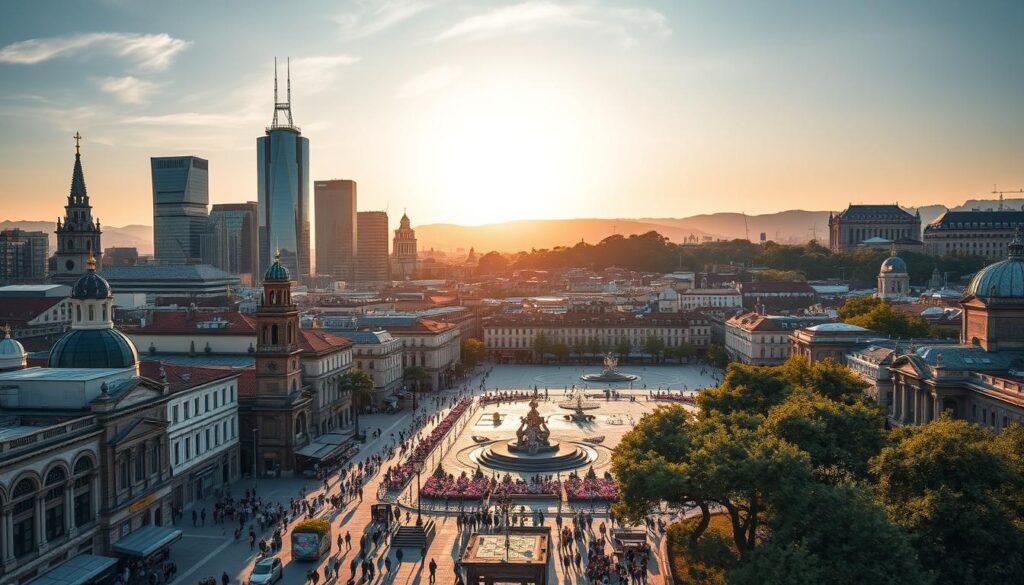
In conclusion, cultural depth profoundly influences work-life balance. Cities with rich histories and vibrant cultures provide the perfect backdrop for a fulfilling remote work experience.
Conclusion
As we look ahead to 2025, the remote work landscape continues to expand, offering unparalleled opportunities for professionals to redefine their work-life balance. The journey of remote work is not just about finding a spot to work; it’s about embracing a lifestyle that blends freedom, culture, and connectivity.
Throughout this guide, we’ve explored top destinations like Genoa, Bari, and Valencia, each offering a unique blend of affordability, rich culture, and high-quality living. These cities exemplify the perfect balance of cost, culture, and connectivity, making them ideal spots for those seeking both adventure and productivity.
Globally, urban innovation is meeting affordable living, creating vibrant communities where remote workers can thrive. From the historic charm of Europe to the modern amenities of U.S. tech hubs, the world offers countless opportunities for those ready to embrace this liberating lifestyle.
As you consider your next destination, remember to prioritize what matters most—whether it’s fast internet, cultural immersion, or a supportive community. For those ready to take the leap, our guide on getting started as a remote worker offers valuable insights to help you navigate this exciting journey.
Join our community of like-minded individuals who are redefining work and life. Share your experiences, tips, and stories—we’d love to hear how you’re shaping your remote work adventure. Together, we’re creating a future where freedom and productivity go hand in hand.