
In today’s digital landscape, the allure of remote work has transformed from a fleeting trend into a permanent shift in the way we approach our careers. As companies across the globe embrace flexible arrangements, the competition for remote positions intensifies. One of the pivotal tools in this quest for employment is a compelling portfolio—your personal showcase of skills, creativity, and accomplishments. But how do you craft a portfolio that not only represents your expertise but also captivates the attention of potential employers from afar? In this article, we will explore the essential steps to creating a stand-out portfolio tailored for the remote job market. From highlighting relevant experiences to embracing innovative presentation techniques, we’ll guide you in designing a portfolio that not only reflects your professional journey but also positions you as a prime candidate in the realm of remote work.
Crafting a Compelling Narrative to Showcase Your Skills
To create a portfolio that truly stands out, it’s essential to weave a story that highlights not just your skills but the journey that shaped them. Begin by reflecting on the pivotal moments in your career that have defined your abilities. Identify key projects or experiences that showcase your expertise and illustrate your growth—these narratives will serve as engaging touchpoints for potential employers. Remember, storytelling in your portfolio isn’t just about what you’ve done; it’s about how these experiences have prepared you for future challenges. Use vivid descriptions that evoke emotion and encourage the reader to envision the scenario. For instance:
- Challenge: Describe a problem you faced.
- Action Taken: Explain the steps you executed to resolve it.
- Result Achieved: Share the impact of your actions, supported by metrics or testimonials.
Embedding testimonials or endorsements also enhances your narrative. Don’t shy away from leveraging social proof to substantiate your claims—this can greatly amplify your credibility. Consider creating a table to present feedback or endorsements succinctly, making it easy for readers to digest:
| Testimonial | Source |
|---|---|
| “A true visionary who transformed our marketing strategy.” | Jane Doe, Marketing Director |
| “Exceptional skills in project management—delivered beyond expectations.” | John Smith, Project Manager |
| “Innovative thinker who brings creativity to every challenge.” | Emily Johnson, Creative Lead |
Crafting a narrative that resonates with potential employers can transform your portfolio into a dynamic tool that not only displays what you can do but also conveys your unique journey and professional identity.
Designing a Visual Portfolio That Captivates and Communicates
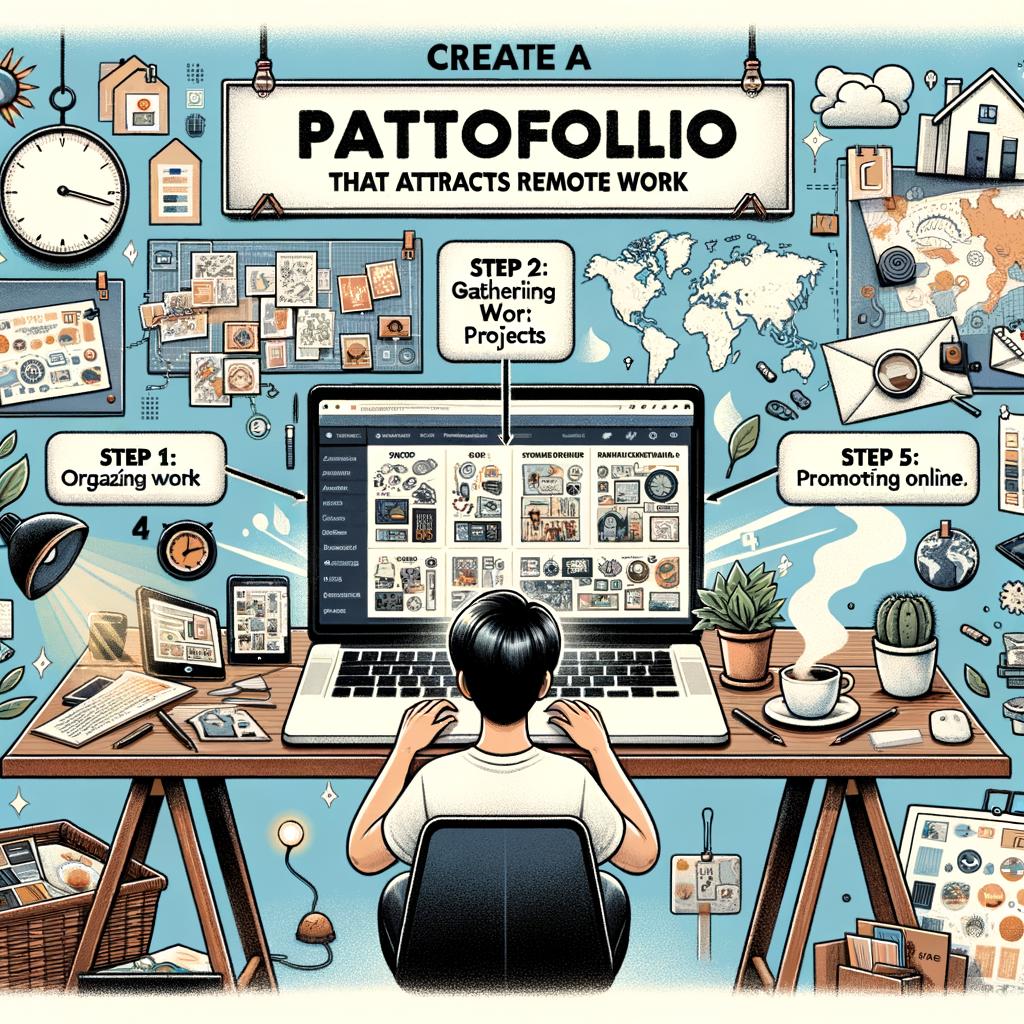
Creating a captivating visual portfolio should align with your unique style and professional goals. Start by defining your brand: think about what sets you apart and how you want to be perceived. Use a cohesive color palette, typography, and imagery that resonate with your audience. Prioritize high-quality visuals that showcase your best work; think of including:
- Project Case Studies - Detail specific challenges and your creative solutions.
- Infographics – Present complex information succinctly.
- Videos – Share dynamic content that engages and informs.
To enhance communication, incorporate informative captions and descriptions for each piece. Detail your thought process, tools used, and outcomes achieved. Consider using a clean layout and easy navigation to ensure that potential clients can effortlessly review your work. You might also implement a table like the one below to succinctly capture project highlights:
| Project | Skills Utilized | Outcome |
|---|---|---|
| Brand Redesign | Graphic Design, Branding | Increased recognition by 30% |
| Website Launch | Web Development, SEO | Boosted traffic by 50% |
| Social Media Campaign | Content Creation, Analytics | Engagement doubled in 3 months |

Tailoring Your Portfolio for Different Remote Opportunities
When curating your portfolio for remote opportunities, it’s essential to consider the specific roles you are targeting. Each job might require a different presentation of your skills and experiences. To effectively align your portfolio with these roles, focus on the following:
- Highlight Relevant Projects: Ensure that the projects you showcase are closely related to the positions you’re pursuing. Tailor your descriptions to emphasize the skills that the job requires.
- Use Metrics and Results: Whenever possible, include metrics to demonstrate your impact. Potential employers love seeing tangible results from your work!
- Demonstrate Remote Work Skills: Clearly outline experiences that are relevant to remote work, such as collaboration tools used, self-management techniques, and communication practices.
Moreover, don’t forget to adapt the aesthetic and usability of your portfolio to reflect the latest trends and technology preferences of the remote job market. A clean, intuitive layout can make a significant difference. Consider these elements:
| Element | Description |
|---|---|
| Responsive Design | Ensure your portfolio is easily viewable on all devices, particularly mobile. |
| Engaging Visuals | Use images, videos, or infographics to break up text and draw attention. |
| Easy Navigation | Implement a logical structure with clear links to different sections or projects. |
Utilizing Online Platforms to Maximize Reach and Visibility
In today’s digital landscape, effectively showcasing your portfolio online can significantly enhance your visibility and attract the attention of potential employers. Consider leveraging a variety of online platforms tailored to different creative disciplines. By adopting a multifaceted approach, you can ensure that your work reaches a wider audience. Key platforms to consider include:
- Behance – Ideal for designers and artists, allowing for visual storytelling.
- LinkedIn – A professional networking site that can be used to highlight your skills and achievements.
- GitHub – Essential for developers to showcase coding projects and collaborations.
- Medium - A great avenue for writers to publish articles and essays that reflect their expertise.
Additionally, social media channels such as Instagram and Twitter can be instrumental in promoting your work and engaging with industry peers. Regularly sharing updates, process shots, and success stories not only keeps your audience informed, but also builds a personal brand that resonates with potential clients. Consider creating a content calendar to structure your posts, keeping in mind:
| Day | Platform | Content Type |
|---|---|---|
| Monday | Portfolio piece with a behind-the-scenes story | |
| Wednesday | Professional achievements and milestone updates | |
| Friday | Links to new projects and articles |
Q&A
Q & A: How to Create a Portfolio That Attracts Remote Work
Q1: Why is a portfolio important for remote work?
A1: In the digital job market, your portfolio serves as your professional avatar—it’s your chance to shine. A well-crafted portfolio showcases your skills, experience, and unique style, making it easier for potential employers to visualize the value you can bring to their team. In an era where remote work reigns supreme, a compelling portfolio can set you apart from the crowd, demonstrating that you’re not just qualified but also proactive and adaptable.
Q2: What types of work should I include in my portfolio?
A2: The key here is variety. Include a diverse selection of your best work that reflects your range of skills. For creatives, this could mean showcasing different styles or mediums. For digital marketers, consider adding case studies and analytics. Ensure that every piece demonstrates not just your technical ability but also your problem-solving skills and creativity. Tailor your selection to align with the role you’re targeting while ensuring you keep it authentic to your style.
Q3: How should I structure my portfolio?
A3: Think of your portfolio as a storybook rather than a resume. Start with an engaging introduction that reflects your personality and professional philosophy. Follow this with your featured works, organized logically—chronologically, thematically, or by skill type, whichever makes the most sense for your audience. Conclude with testimonials, an ”About Me” section, and a call to action, inviting potential employers to connect with you.
Q4: What platforms should I use to create my portfolio?
A4: The choice of platform can depend on your field and preferences. Websites like Behance and Dribbble are great for visual artists, while a self-hosted website using WordPress offers more flexibility for showcasing a mix of media. For writers, platforms like Medium are excellent for displaying articulate skills. Whichever route you choose, ensure that it’s visually appealing, easy to navigate, and mobile-friendly, as many employers may view it from their phones.
Q5: Should I include personal projects in my portfolio?
A5: Absolutely! Personal projects are often where creativity flourishes. They allow you to showcase your passion, initiative, and motivation outside of traditional work environments. Whether it’s a blog, a side gig, or an experimental project, these works can reveal your personality and approach, making you more relatable to potential employers. Just make sure they align with the skills relevant to the positions you’re seeking.
Q6: How often should I update my portfolio?
A6: Think of your portfolio as a living document—it should evolve alongside your career. Regularly update it to reflect your latest work and accomplishments. Aim for a thorough review at least every six months or whenever you complete a significant project. This not only keeps your portfolio fresh but also allows you to assess your growth and refine your personal brand.
Q7: What common mistakes should I avoid in my portfolio?
A7: Overcomplication is a frequent trap. Keep it simple and focused; don’t overwhelm with excess pieces. Avoid the temptation to include everything you’ve ever done—quality over quantity is the name of the game. Additionally, ensure that all links work, images are high-quality, and your contact information is readily accessible. A sleek, error-free portfolio speaks volumes about your professionalism.
Q8: How can I make my portfolio stand out?
A8: Incorporate uniqueness! Use creative layouts, bold visuals, and a distinctive narrative that reflects your personal brand. Storytelling can breathe life into your portfolio—share the challenges faced in each project and how you overcame them. Moreover, consider including interactive elements or video introductions to engage viewers further. After all, a memorable portfolio is often the one that captures the viewer’s imagination.
Q9: What role do testimonials play in my portfolio?
A9: Testimonials are the nod from your professional network that provides social proof of your capabilities. They can bolster your credibility and provide insights into who you are as a colleague. Include short, impactful quotes from past clients, employers, or collaborators highlighting specific strengths or achievements. These endorsements foster trust and can make hiring managers more inclined to reach out.
Q10: How can I leverage my portfolio in job applications?
A10: Your portfolio isn’t just an add-on; it’s your greatest ally in job applications. Include a link to it on your resume and leverage it when networking. When discussing your experience in interviews, refer back to specific pieces in your portfolio as examples of your work. This will not only reinforce your qualifications but also enable you to weave a stronger narrative about your career path and aspirations.
The Conclusion
In the ever-evolving landscape of remote work, a well-crafted portfolio can be your ticket to harnessing a world of opportunities. By thoughtfully showcasing your unique skills, experiences, and personality, you can create a compelling narrative that resonates with potential employers and clients alike. Remember, your portfolio is not just a collection of projects; it’s a reflection of your professional journey and aspirations.
As you develop and refine your portfolio, keep in mind the importance of tailoring it to your desired remote roles and industries. Continually update your work to mirror your latest accomplishments and to adapt to the shifting demands of the market. Embrace feedback and let it guide your evolution, ensuring that your portfolio remains a dynamic representation of who you are.
So, take a deep breath, get creative, and embark on this exciting process. With a strategic approach and an authentic presentation of your talents, you’ll be well on your way to creating a portfolio that not only opens doors to remote work but also allows you to thrive in a new digital era. The remote workplace is waiting for your unique contributions—make sure your portfolio stands out and invites a world of possibilities.