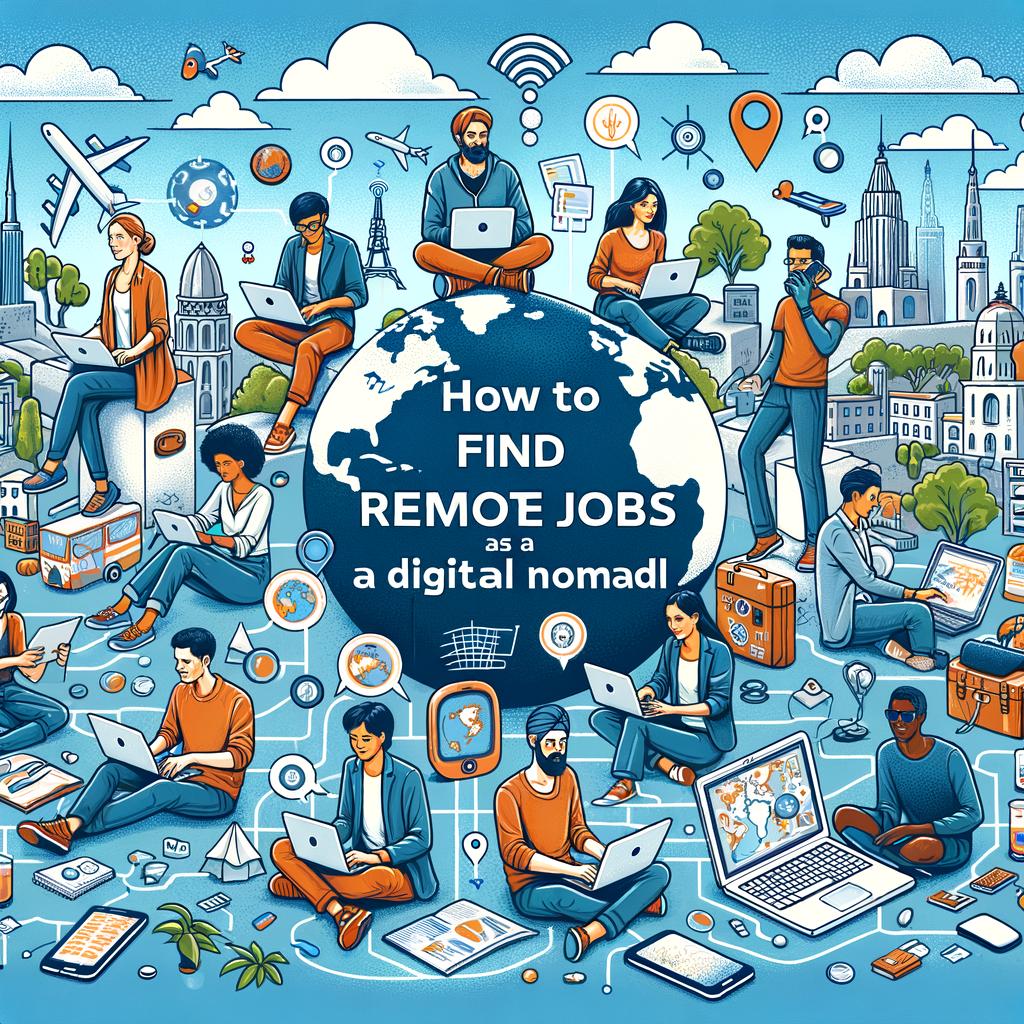
In a world unshackled by traditional office spaces, where the horizon of opportunity stretches as far as your Wi-Fi signal, the digital nomad lifestyle has become increasingly appealing. Picture yourself sipping coffee on a sun-drenched terrace in Lisbon, laptop in tow, seamlessly blending work and adventure. The allure of remote work is unmistakable, yet navigating the path to finding those coveted jobs can feel daunting. Whether you’re a seasoned traveler or a curious beginner, understanding the nuances of remote job hunting is your first step toward crafting a life defined by flexibility and exploration. In this article, we will explore practical strategies, essential resources, and insider tips to help you land remote positions that allow you to work from anywhere in the world. Embrace the journey as we unlock the secrets to thriving in the digital nomad lifestyle.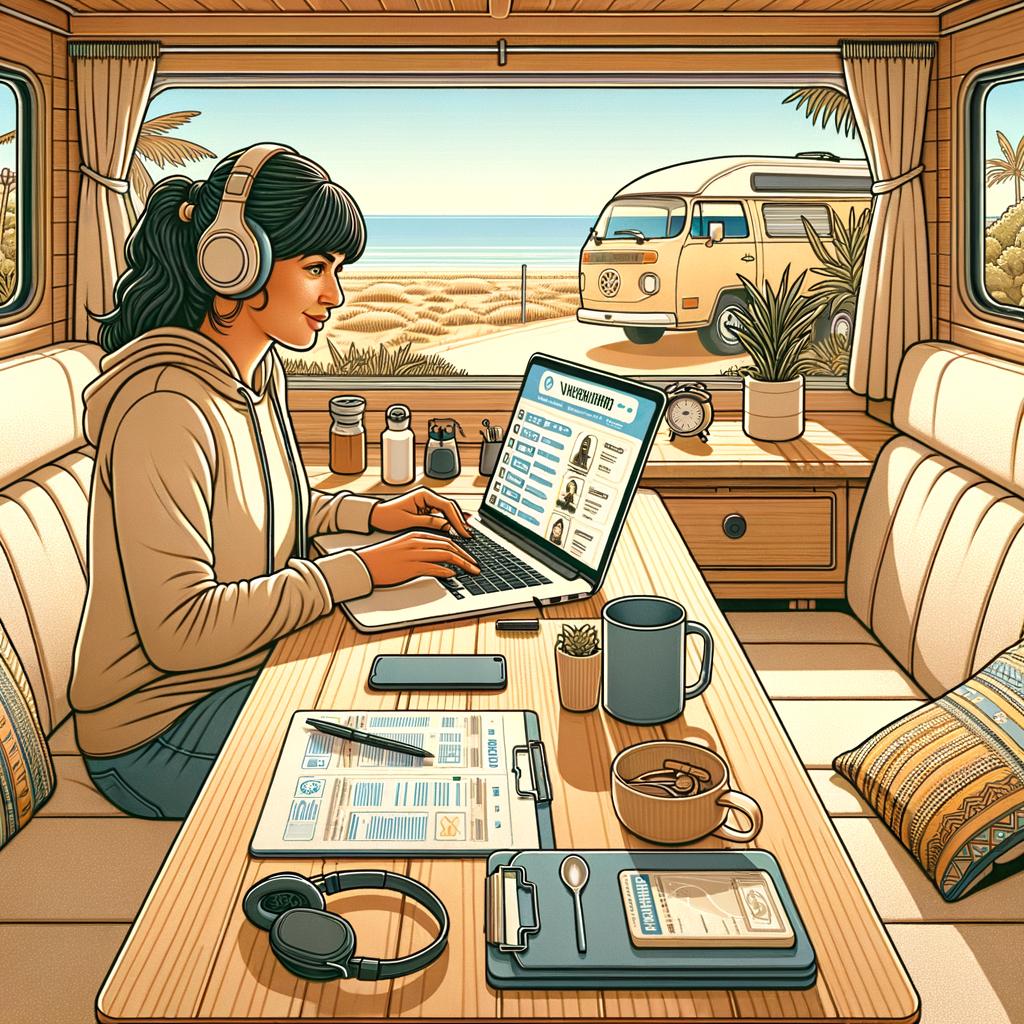
Exploring Remote Job Platforms Tailored for Digital Nomads
Venturing into the world of remote work as a digital nomad requires leveraging the right platforms that cater specifically to a flexible lifestyle. Various job platforms have emerged, allowing job seekers to filter opportunities based on their unique skill sets and desired lifestyles. Here are some noteworthy platforms to explore:
- We Work Remotely: A hub for remote job listings across various industries, focusing on technology, customer support, and more.
- Remote.co: This platform not only lists jobs but also curates resources and best practices for remote teams.
- FlexJobs: A subscription service that screens job listings for scam-free remote work opportunities, ensuring high-quality listings.
- Upwork: Ideal for freelancers, Upwork connects clients with skilled professionals across numerous fields, including writing, design, and programming.
These platforms each offer unique features that align well with the needs of digital nomads. By utilizing specialized tools such as filters for location, schedule flexibility, and industry type, job seekers can tailor their search to find the perfect opportunity. A comparison of key features can be beneficial when deciding which platform suits your needs best:
| Platform | Focus Area | Unique Feature |
|---|---|---|
| We Work Remotely | General Remote Work | Industry-Specific Listings |
| Remote.co | Remote Teams | Resource Hub for Remote Work |
| FlexJobs | Freelancing & Remote Jobs | Curated Job Listings |
| Upwork | Freelancing | Wide Range of Project Types |
Crafting an Irresistible Resume That Stands Out in a Global Market
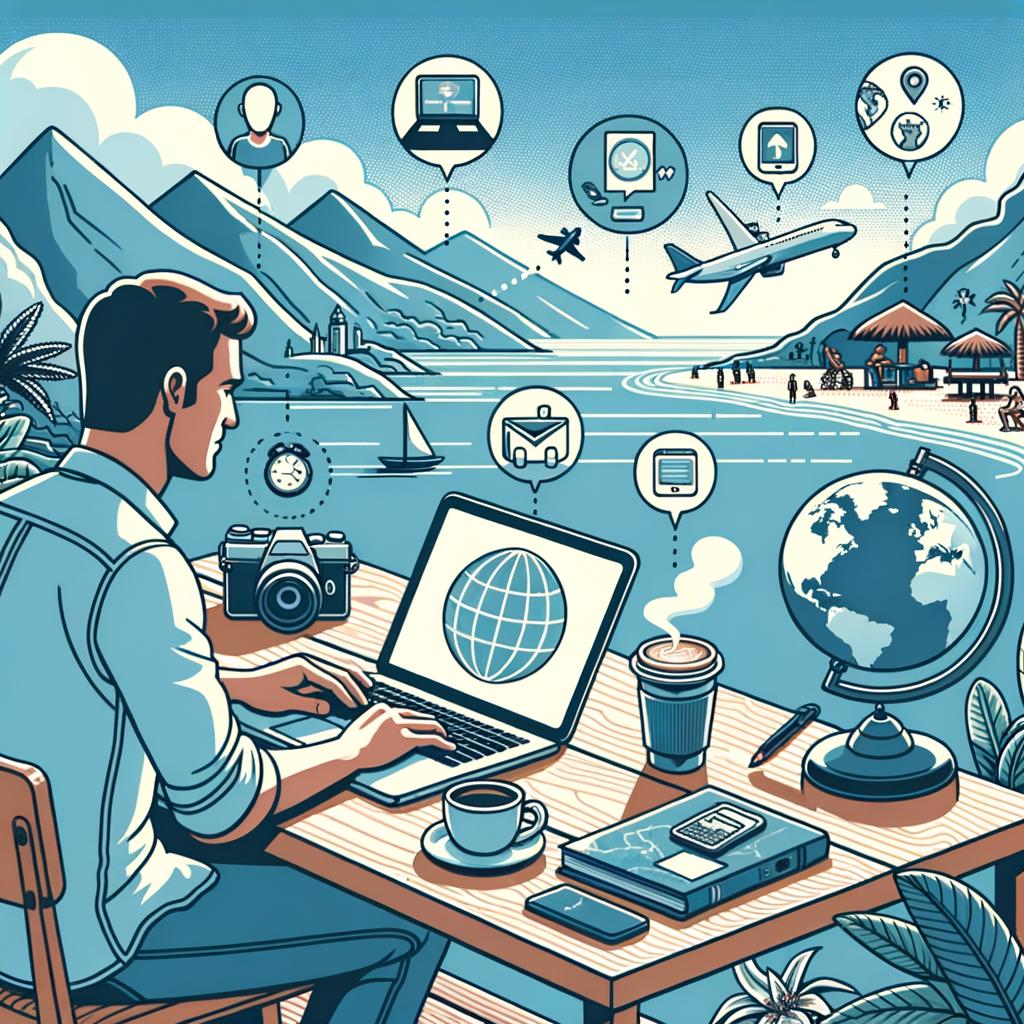
In a landscape teeming with competition, your resume must not only be a reflection of your skills but also a beacon that captures attention. Begin by tailoring your resume to the specific roles you’re targeting, embedding keywords from the job descriptions to enhance visibility in applicant tracking systems (ATS). Use bold headers to organize sections clearly—such as Professional Experience, Skills, and Education—which significantly improves readability. Consider adding a brief professional summary at the top that encapsulates your unique selling proposition, making it easier for employers to grasp your value proposition right away.
Visual appeal also plays a vital role in standing out. Incorporate elements like bullet points for succinct information delivery, and make judicious use of white space to prevent overwhelming the reader. A well-designed table can effectively showcase your skills or achievements, such as proficiency in various tools or metrics of past performance. For example, use a table with the following framework:
| Skill | Proficiency Level | Years of Experience |
|---|---|---|
| Digital Marketing | Advanced | 5 |
| SEO Optimization | Intermediate | 3 |
| Project Management | Expert | 7 |
Networking in the Digital Age: Building Connections Across Borders
In today’s hyper-connected world, the possibilities for establishing professional relationships are limited only by your imagination and willingness to engage. Social media platforms such as LinkedIn, Twitter, and even Instagram have transformed how we network; they allow you to connect with like-minded individuals, industry leaders, and potential employers from any corner of the globe. Engaging actively in relevant online communities, sharing insights, and volunteering your expertise can lead to fruitful collaborations and career opportunities, whether you’re trekking through Thailand or working from a café in Lisbon. Don’t overlook the potential of niche networking platforms tailored to specific industries, where the competition may be less intense and the connections more impactful.
Time zone differences are no longer barriers but rather opportunities to connect in innovative ways. Virtual meetups, webinars, and online workshops enable real-time communications with professionals across continents. Consider joining online networking events or co-working sessions that allow you to interact dynamically with other remote workers and learn from their experiences. Moreover, building a personal brand on your chosen professional platforms not only enhances your visibility but also establishes credibility in your field. Ensure your online presence speaks to who you are as a digital nomad, combining relevant skills with a captivating narrative that resonates with global audiences. Here’s a brief summary of platforms where digital nomads can network effectively:
| Platform | Purpose |
|---|---|
| Industry networking and job searching | |
| Follow industry leaders and join conversations | |
| Facebook Groups | Find communities of like-minded professionals |
| Showcase your work and lifestyle | |
| Meetup | Connect in-person whenever possible |
Mastering Time Management and Productivity While Traveling the World
Q&A
Q&A: How to Find Remote Jobs as a Digital Nomad
Q1: What exactly does being a digital nomad mean, and how does it differ from just working remotely?
A1: Being a digital nomad means you’re not tied to a specific location while you work; instead, you have the freedom to travel and work from anywhere with an internet connection. While both digital nomads and remote workers benefit from flexible work environments, the key difference lies in the lifestyle choice. Digital nomads actively seek adventures in different countries, immersing themselves in new cultures, whereas remote workers may choose to work from home or a single location.
Q2: What are the essential skills someone should have to become a digital nomad?
A2: While a diverse skill set can be beneficial, certain skills are particularly suited for digital nomadism. Proficiency in technology (like coding, digital marketing, graphic design, or virtual assistance) is invaluable, along with good communication skills, adaptability, and self-discipline. Being a lifelong learner is also essential, as the digital landscape constantly evolves.
Q3: Where can I start looking for remote job opportunities?
A3: There are numerous platforms dedicated to connecting remote workers with employers. Websites like Remote.co, We Work Remotely, and FlexJobs specialize in remote job listings. Additionally, popular job boards like LinkedIn, Indeed, and Glassdoor often have sections for remote positions. Don’t forget to leverage your personal network—sometimes the best opportunities come through word of mouth.
Q4: How can I make my job applications stand out?
A4: Tailoring your resume and cover letter to highlight your relevant skills is crucial. Showcase your adaptability and enthusiasm for remote work. Including specific examples of how you’ve successfully managed projects, communicated with teams, or navigated challenges while working remotely can bolster your application. Also, consider building an online portfolio or professional website to showcase your work and further distinguish yourself from other applicants.
Q5: Is it necessary to have a specific qualification or degree for remote jobs?
A5: Not necessarily! While some remote jobs, especially in specialized fields like engineering or medicine, may require specific degrees or certifications, many positions prioritize skills and experience over formal education. Freelance gigs in areas like writing, graphic design, or social media management often don’t require a degree, as long as you can demonstrate your expertise through a strong portfolio.
Q6: How do I maintain a work-life balance while traveling?
A6: Keeping a structured routine while on the road is vital for maintaining work-life balance. Set specific work hours, create a dedicated workspace, and establish boundaries with yourself about when to work and when to explore. Regularly communicating with colleagues and setting clear expectations about your availability can also help in managing workloads amidst travel adventures.
Q7: What are some common challenges that digital nomads face, and how can they overcome them?
A7: Digital nomads often encounter challenges such as time zone differences, unreliable internet access, and feelings of isolation. To overcome these hurdles, planning ahead is key. Research your destinations for co-working spaces or reliable cafés with Wi-Fi, use project management tools to sync with teams across time zones, and actively seek out networks of fellow digital nomads. Attend local meetups or join online communities to build connections and potentially make lifelong friendships.
Q8: What advice do you have for someone just starting their digital nomad journey?
A8: Start small! Test the waters by working remotely for a week or a month from a nearby destination before committing to a more extended travel plan. This will allow you to gauge what works best for your work style and travel preferences. Research destinations that are known for being digital nomad-friendly, and consider creating a well-rounded travel budget. Remember, the journey is as important as the destination—embrace the changes, enjoy the process, and don’t be afraid to adapt as you go. Happy travels!
Key Takeaways
As you embark on your journey towards a life of remote work and adventure, remember that the path to becoming a digital nomad is as unique as your individual dreams and aspirations. With a wealth of online resources, networking opportunities, and platforms at your fingertips, finding the right remote job can transform not just your career, but your entire lifestyle.
Embrace the flexibility that comes with remote work, and don’t shy away from exploring diverse opportunities that resonate with your skills and passions. Whether you’re sipping coffee in a bustling café or watching the sunset from a co-working space on a tropical beach, each new job comes with the promise of growth and discovery.
So, gear up with the insights and strategies shared in this article, stay adaptable, and let your curiosity guide you. The world is full of possibilities waiting to be unlocked—each remote job is a stepping stone towards a fulfilling and adventurous life as a digital nomad. Happy travels and happy working!