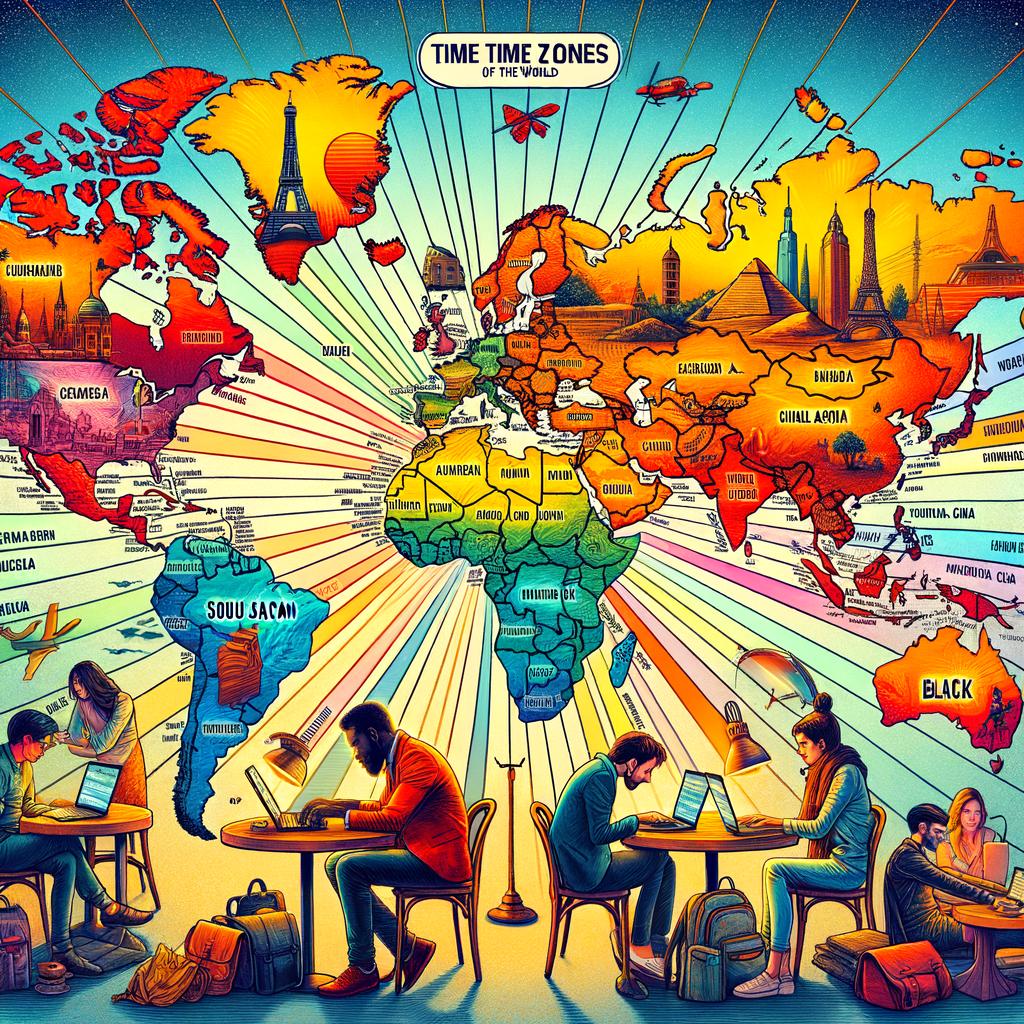
As the sun rises in one part of the world, it sets in another, creating a vast tapestry of time zones that digital nomads can weave into their unique lifestyles. In our global marketplace, where work and play often blur together, understanding the best time zones to embrace can be a game-changer for remote professionals seeking balance between productivity and exploration. From the bustling co-working spaces of Southeast Asia to the tranquil cafes of Europe, the right time zone can enhance communication with clients, facilitate collaboration with teams spread across continents, and allow for a harmonious blend of work and leisure. In this article, we’ll delve into the most favorable time zones for digital nomads, exploring how different regions can optimize your workflow and enrich your travel experiences. Whether you’re just beginning your journey or are a seasoned pro, understanding these time zones could be the key to unlocking your ideal lifestyle.
Optimal Time Zones for Remote Collaboration
When it comes to thriving in a remote work environment, choosing the right time zone can significantly enhance collaboration and productivity. For digital nomads aiming to synchronize with teams scattered across the globe, strategically positioning themselves in the following time zones can prove beneficial:
- GMT+0 (UTC): Ideal for coordinating with teams in Europe and North America.
- GMT+3 (UTC): Great for balancing between Europe and the Middle East.
- GMT-5 (UTC): Perfect for connecting with the East Coast of the United States.
- GMT+8 (UTC): Best for teams in Asia and the Pacific Rim, particularly Australia.
To further illustrate the compatibility of various time zones, consider this simple comparison:
| Time Zone | Local Time (example) | Compatible Regions |
|---|---|---|
| GMT+0 | 12:00 PM | Western Europe, West Africa |
| GMT+3 | 3:00 PM | Eastern Europe, Middle East |
| GMT-5 | 7:00 AM | Eastern North America |
| GMT+8 | 8:00 PM | China, Singapore, Western Australia |
By carefully selecting a time zone that optimally aligns with business partners and clients, digital nomads can enhance their collaboration efforts and ensure smoother operations. The balance between convenience and flexibility plays a crucial role in maintaining effective communication and productivity levels in a remote setup.

Balancing Work and Play: The Ideal Locations
Finding the perfect place to work while enjoying an enriching lifestyle requires a blend of productivity and leisure. Here are some of the best global hotspots that offer a harmonious balance:
- Bali, Indonesia: Known for its breathtaking landscapes and vibrant culture, Bali is a hub for digital nomads. With affordable co-working spaces and stunning beaches, it’s a playground for those who want to unwind after a productive day.
- Lisbon, Portugal: This sunny city offers a thriving startup scene and a friendly atmosphere. After hours, explore its historic neighborhoods or savor delectable cuisine in charming local eateries.
- Barcelona, Spain: With its artistic vibe and Mediterranean charm, Barcelona boasts numerous cafés and co-working spaces. Enjoy the city’s nightlife and beautiful architecture, ensuring your time off is as fulfilling as your work.
In addition to vibrant cultures, consider the following factors when choosing your workspace:
| Location | Average Wi-Fi Speed | Monthly Cost of Living |
|---|---|---|
| Bali | 20-25 Mbps | $600-$900 |
| Lisbon | 30-50 Mbps | $1,200-$1,500 |
| Barcelona | 25-40 Mbps | $1,200-$1,800 |
Cultural Considerations for the Global Nomad
As digital nomads traverse the globe, understanding and respecting local cultures becomes essential not only for personal experiences but also for building professional networks. Different cultures have unique communication styles, work ethics, and time perceptions, which can impact how you collaborate with local team members or clients. Here are some vital cultural considerations to keep in mind:
- Communication Styles: Some cultures are more direct, while others prefer a nuanced or indirect approach.
- Work Ethics: Attitudes towards hierarchy and collaboration may vary significantly across regions, influencing team dynamics.
- Business Hours: Local customs will dictate the best times to schedule meetings or catch-up sessions with clients.
- Holiday Schedules: Be aware of local holidays that may affect work schedules or availability.
To facilitate smoother interactions, it’s helpful to educate yourself on the local customs and traditions of the area you’re working from. You might find that some cultures place a strong emphasis on building personal relationships before diving into business, while others focus immediately on efficiency. This understanding can enhance your collaboration and foster respect, leading to better professional outcomes. Below is a simple overview of time zone advantages to consider when tailoring your work schedule:
| Location | Time Zone | Best Work Collaboration Time |
|---|---|---|
| Lisbon, Portugal | GMT+0 | 12 PM – 4 PM |
| Bali, Indonesia | GMT+8 | 8 AM – 12 PM |
| Buenos Aires, Argentina | GMT-3 | 2 PM – 6 PM |
By aligning your work hours with local cultural practices and preferred collaboration times, you can maximize productivity and maintain strong connections across the globe.
Navigating Time Differences: Tools and Tips for Success
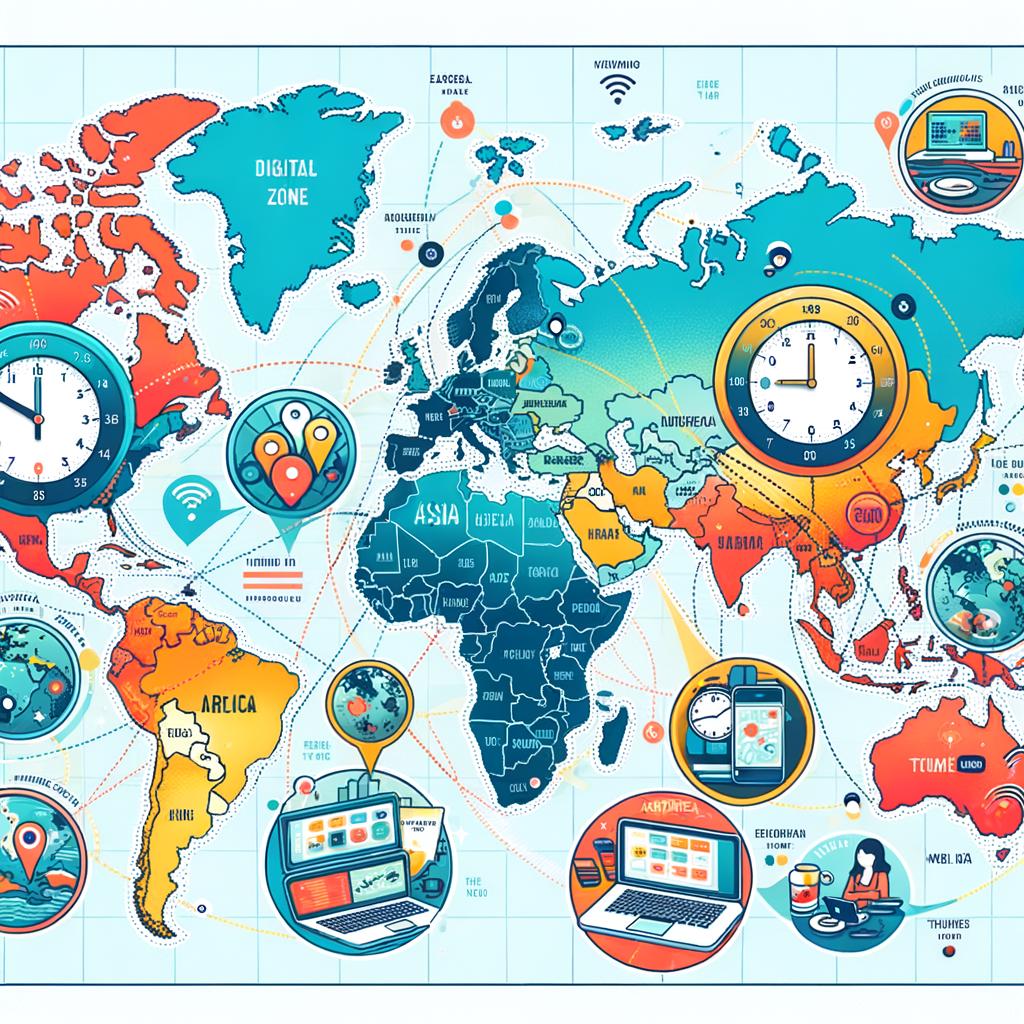
Working across different time zones can be a challenge for digital nomads, yet a few strategic tools and tips can make the transition smoother. Utilizing digital tools like World Time Buddy or Time Zone Converter can help you visualize the time differences effortlessly. Many of these applications allow you to create a customized world clock, ensuring that you never miss an important meeting or deadline, no matter where you are. Additionally, setting your communication tools, such as Slack or Zoom, to display multiple time zones helps you coordinate schedules with ease. Don’t forget to factor in daylight saving changes, as they can shift the balance unexpectedly!
When choosing the best time zones to work from, consider locations that have overlapping hours with your home base. Here are a few suggestions that cater well to global collaboration:
| Location | Time Zone | Overlap with GMT |
|---|---|---|
| Lisbon, Portugal | GMT+0 | All Day |
| Bucharest, Romania | GMT+2 | Morning & Afternoon |
| Bali, Indonesia | GMT+8 | Evening |
By carefully selecting your workspace according to these considerations, you can maintain productivity while enjoying the freedom that comes with being a digital nomad. Understanding the nuances of time management will not only enhance your work experience but also help you balance personal time zones with your professional commitments.
Q&A
Q&A: The Best Time Zones for Digital Nomads to Work From
Q: What is a digital nomad, and why do time zones matter to them?
A: A digital nomad is someone who leverages technology to work remotely while traveling the world. Time zones matter to them because they need to coordinate their work hours with colleagues, clients, and businesses in different parts of the globe. Finding the right time zone can lead to better work-life balance and improved communication.
Q: What are some of the key factors a digital nomad should consider when choosing a time zone?
A: Several factors play a crucial role, including the location of clients or colleagues, local culture and lifestyle, internet connectivity, cost of living, and safety. Moreover, the preferred working hours – whether early riser or night owl – can significantly influence the ideal time zone for a nomad.
Q: What are some of the best time zones for European-based digital nomads?
A: For European-based digital nomads, being in a time zone such as GMT+3 (like in cities such as Athens or Minsk) can be advantageous, as it overlaps with both the Western and Eastern European work hours while also catering to clients in the Middle East and parts of Africa.
Q: Are there specific time zones that are better for North American digital nomads?
A: Absolutely! Time zones like GMT-5 (Eastern Standard Time) are popular among North American digital nomads, as they can easily connect with businesses across the Eastern United States and Canada. Alternatively, GMT-7 (Pacific Standard Time) provides flexibility for those looking to engage with the tech hub of Silicon Valley while enjoying a more relaxed lifestyle in places like Mexico.
Q: Can you recommend a time zone that works well for digital nomads dealing with clients in both Asia and America?
A: The GMT+8 time zone, particularly in cities like Bali or Singapore, is ideal for digital nomads balancing clients from both Asia and the Americas. This zone allows for late-night meetings with U.S. clients and daytime work with partners in Southeast Asia, creating a unique balance that maximizes efficiency.
Q: How do cultural differences in different time zones affect a digital nomad’s experience?
A: Cultural differences can significantly impact work experiences. For instance, a digital nomad working in a country with a laid-back attitude towards time may find it refreshing, while others may struggle with the lack of punctuality. Understanding local customs is crucial for fostering effective communication and ensuring smooth collaborations across cultures.
Q: What are some pitfalls to avoid when working from different time zones?
A: One major pitfall is overcommitting to meetings that span late-night or early-morning hours, leading to burnout. Additionally, failing to consider public holidays or local customs can disrupt workflows. Digital nomads should strive to set clear boundaries and communicate their availability to maintain a sustainable work schedule.
Q: How can digital nomads stay productive while working across various time zones?
A: Productivity can be enhanced by establishing a routine that accommodates both work and leisure. Utilizing tools like time zone converters, scheduling apps, and productivity software helps keep track of meetings and deadlines. Furthermore, creating a designated workspace can foster concentration and efficiency.
Q: What is the final piece of advice for digital nomads when it comes to selecting a time zone?
A: The ultimate advice is to prioritize what works best for you! Every digital nomad has unique needs and preferences. Experiment with different locations, be flexible, and find a time zone that harmonizes your professional demands with your personal well-being. The world is your office; make it work for you!
Insights and Conclusions
In a world that moves at the speed of a click, the digital nomad lifestyle offers unparalleled freedom, allowing you to redefine where and when work happens. As we’ve journeyed through the best time zones for remote work, it’s clear that the perfect balance of productivity and leisure is not confined to traditional boundaries. Whether you’re sipping coffee in a Berlin café, catching a sunset in Bali, or exploring the vibrant streets of Buenos Aires, the right time zone can enhance your workflow, inspire creativity, and maximize your connections.
As you set off on your next adventure, remember that each time zone comes with its own set of rhythms and opportunities. Embracing the magic of different locales while honing your craft can lead to not just professional success, but personal growth as well. So, pack your bags, set your clock, and dive into the limitless possibilities that await. Every sunrise in a new time zone opens the door to fresh experiences—after all, the world is your office, and every moment is a chance to create, connect, and thrive. Safe travels, and happy working!