
In an age where the horizon is no longer a barrier but an open invitation, the digital nomad lifestyle has emerged as a thrilling new way of working and living. Picture sipping coffee on a sun-soaked beach in Bali while managing projects with a few clicks, or finding inspiration for your next creative pursuit in the bustling streets of Lisbon. Yet, amidst the allure of flexible schedules and exotic locales, lies a complex web of legalities that can trip up the unwary wanderer. From navigating visa requirements and tax obligations to understanding local employment laws, the legal side of embracing this lifestyle is as crucial as the freedom it offers. In this article, we’ll unravel the essential legal considerations every aspiring digital nomad should be aware of, equipping you with the knowledge needed to turn your dreams into a seamless reality. Whether you’re a seasoned traveler or just starting to contemplate the nomadic path, understanding these legalities will empower you to explore with confidence and peace of mind.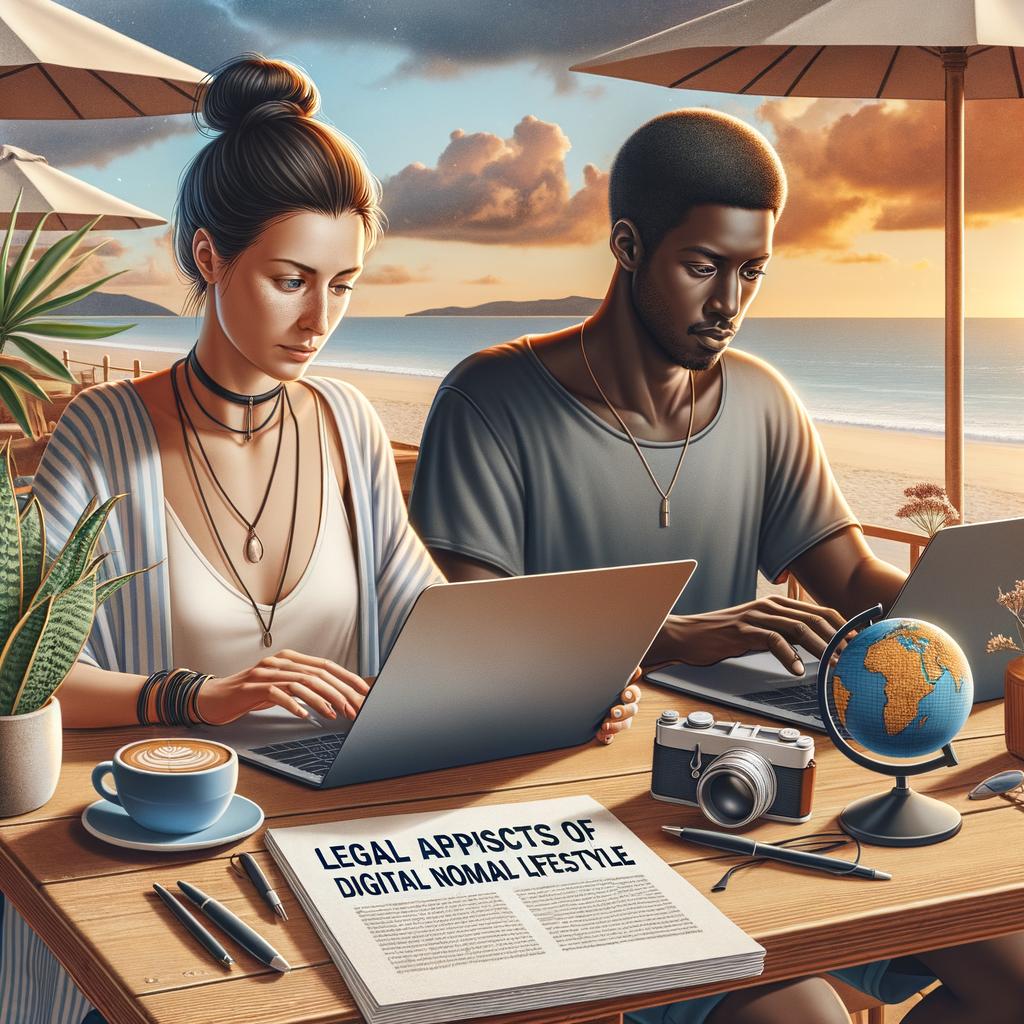
Understanding Visa Requirements for Remote Workers
As a remote worker navigating the globe, understanding visa requirements can be a daunting task. Each country operates under its own set of immigration laws, making it essential to research thoroughly before packing your bags. Various types of visas may be available, tailored specifically for remote workers, including:
- Digital Nomad Visas: These are designed for individuals who want to reside in a country while working remotely for a non-local employer.
- Tourist Visas: Depending on the duration and nature of your work, these may suffice for short-term stays.
- Work Visas: Typically suited for those who are employed by a company within the host country.
- Investor Visas: If you plan to start a business, some countries offer visas that cater to entrepreneurs.
When applying for a visa as a digital nomad, consider keeping track of required documents and the specific application processes for each destination. Some useful resources may include local immigration websites or expat forums. Here’s a quick overview to get you started:
| Country | Visa Type | Duration | Notes |
|---|---|---|---|
| Portugal | Digital Nomad Visa | Up to 1 year | Renewable; great for long stays |
| Spain | Non-Lucrative Visa | Up to 1 year | Proof of sufficient funds required |
| Thailand | Smart Visa | Up to 4 years | For entrepreneurs and skilled workers |
| Germany | Freelancer Visa | Up to 3 years | Must prove local client base |
Navigating Tax Obligations in a Global Landscape
In today’s interconnected world, the complexities of tax obligations can be daunting for digital nomads. As you traverse borders and set up workspaces in various countries, it’s essential to understand that tax laws vary significantly from one jurisdiction to another. To stay compliant, many nomads must navigate a web of regulations that includes residency requirements, double taxation agreements, and local tax codes. Familiarizing yourself with the tax implications of your current location will not only prevent legal entanglements but will also help optimize your financial planning. For instance, seeking expert advice or leveraging tax software specialized for digital nomads can prove invaluable in ensuring that you meet your obligations without overpaying.
| Country | Tax Residency Criteria | Tax Rate |
|---|---|---|
| Portugal | 183 days in 12 months | 20% (progressive tax applies) |
| Thailand | 180 days in a tax year | 15% (fixed for foreign income) |
| United States | Citizens taxed on worldwide income | 10% - 37% (progressive) |
Additionally, understanding how to maintain your home country’s tax compliance while earning globally can reduce anxiety and enhance focus on your work. Consider the Foreign Earned Income Exclusion (FEIE) available to U.S. citizens, or explore local exemptions in other countries that might apply. Make sure to keep thorough records of your travels and income sources, as this documentation will be essential if you ever face an audit or a need for clarity regarding your financial activity. With the right strategies and knowledge, you can successfully manage your tax obligations while enjoying the freedom of the digital nomad lifestyle.
Protecting Your Rights: Contracts and Agreements in the Digital Realm
In the fast-paced world of digital nomadism, understanding the intricacies of contracts and agreements is essential for safeguarding your interests. Whether you’re freelancing, collaborating with clients, or engaging in remote work, the nature of these digital interactions necessitates clear formalities. To protect your rights, ensure that every agreement is documented and includes key provisions such as:
- Scope of Work: Clearly define the tasks, deliverables, and timelines.
- Payment Terms: Specify rates, schedules, and methods of payment.
- Intellectual Property: Outline ownership rights and usage permissions regarding any content or ideas generated.
- Confidentiality: Include clauses to protect sensitive information shared during the collaboration.
Additionally, recognizing the various jurisdictions involved in international agreements can impact your legal standing. Always pay attention to the governing laws specified in contracts. Consider using a table to summarize jurisdictional differences that could affect your contract:
| Country | Legal Considerations |
|---|---|
| United States | Common law, stricter contract enforcement. |
| European Union | Consumer protection laws, GDPR compliance. |
| Australia | Unique state laws, strong digital privacy protections. |
By being vigilant and informed, you can navigate the complexities of contracts in the digital landscape, ensuring your rights are well-protected no matter where your adventures take you.

Safeguarding Your Online Presence: Data Privacy and Cybersecurity Essentials
The digital nomad lifestyle opens doors to adventure but also invites challenges, especially in the realm of data privacy and cybersecurity. As you travel from one destination to another, it’s crucial to take stock of the potential vulnerabilities that might compromise your online presence. Implementing simple yet effective strategies can help you stay safe while you work remotely. Consider adopting these practices:
- Use VPNs: A Virtual Private Network encrypts your internet connection and masks your IP address, ensuring anonymity when accessing public Wi-Fi networks.
- Secure Your Devices: Enable firewalls, install antivirus software, and keep your operating systems up to date.
- Be Cautious with Public Wi-Fi: Avoid accessing sensitive information when connected to unreliable networks.
- Regularly Update Passwords: Use unique, strong passwords and consider a password manager to keep them organized.
Understanding the legal implications of working online in various countries is equally important. Different jurisdictions have different laws regarding data privacy, which can affect how your personal information is stored and protected. Here’s a simplified comparison of some key data protection regulations across different regions:
| Region | Key Regulation | Main Principle |
|---|---|---|
| European Union | GDPR | Data protection and privacy for all individuals |
| United States | CCPA | Consumer privacy rights |
| Brazil | LGPD | Personal data protection |
| Australia | Privacy Act | Protection of personal information |
Q&A
Q&A: The Legal Side of the Digital Nomad Lifestyle: What You Need to Know
Q1: What is a digital nomad?
A: A digital nomad is someone who leverages technology to earn a living while traveling the world. They typically work remotely, allowing them the freedom to explore new countries and cultures without being tied to a single location.
Q2: What are the key legal considerations for digital nomads?
A: Digital nomads need to navigate a variety of legal aspects, including visa regulations, taxation, and labor laws. Each country may have different requirements for foreigners working remotely, so it’s crucial to understand and comply with these legal frameworks to avoid potential issues.
Q3: Do digital nomads need a specific visa to work abroad?
A: This depends on the country. While some nations offer digital nomad visas designed specifically for remote workers, others may require standard tourist visas, which may not legally permit work. It’s essential to check the visa regulations of your destination before embarking on your journey.
Q4: How does taxation work for digital nomads?
A: Taxation can be a complex issue for digital nomads. Generally, you might be subject to taxes in the country where you reside for more than 183 days a year or where your income is generated. Additionally, you may have tax obligations in your home country. Consulting a tax professional familiar with international regulations is advisable.
Q5: What should digital nomads know about health insurance?
A: Health insurance is a critical aspect for digital nomads. Many countries require proof of insurance to enter, and local healthcare systems can vary greatly in terms of quality and accessibility. Consider a global health insurance plan that covers you abroad to ensure you’re protected in case of an emergency.
Q6: Are there any legal risks associated with working remotely?
A: Yes, digital nomads face several legal risks, such as violating local laws regarding employment, tax evasion, or triggering regulations that apply to foreign businesses. Research your work nature and understand the legal mandates in each country to mitigate these risks.
Q7: Can digital nomads establish a business while traveling?
A: While it’s possible, doing so involves navigating the laws of incorporation in different jurisdictions. Some countries offer easier pathways for entrepreneurship, while others may have strict regulations. Understanding local business laws is essential for compliance and success.
Q8: What should I do if I encounter legal issues while traveling?
A: Familiarize yourself with local laws and have a legal professional’s contact information on hand in case of emergencies. Additionally, many countries have resources available for expatriates, including legal aid or advice hotlines that can help address issues specific to digital nomads.
Conclusion:
Navigating the legal landscape as a digital nomad can be complex, but it’s not insurmountable. By staying informed and planning ahead, you can enjoy your travels while complying with the necessary legal requirements to ensure a stress-free experience.
The Conclusion
In the ever-evolving landscape of the digital nomad lifestyle, understanding the legal nuances is crucial for navigating your journey with confidence and ease. As you gear up to explore new horizons, it’s paramount to keep legal considerations at the forefront of your planning. From visa regulations to tax obligations, staying informed will not only protect your interests but also enhance your overall experience as you work from some of the world’s most inspiring locations.
As you close this chapter and embark on your adventures, remember that knowledge is your ultimate companion. With the right insights, you can focus more on forging connections, embracing new cultures, and unleashing your creativity. So, take a moment to grasp the legal elements discussed here, for they are the compass guiding you through the sometimes complex but rewarding path of being a digital nomad. Safe travels, and may your journey be filled with exploration and growth—both personally and professionally.