
Quitting a corporate job to start your own business can be freeing. It lets you follow your passions and balance work and life better. With only 13% of people happy in their corporate jobs, many seek change. John Spencer Ellis guides you out of the corporate grind and towards your goals.
The average age of a new entrepreneur in North America is 40. And 60% of independent workers choose self-employment for better balance. Starting your own business is scary, but with the right help, you can do it.
Key Takeaways
- Quitting a corporate job can be a liberating experience, allowing you to pursue your passions and create a better work-life balance.
- Starting your own business requires careful planning and preparation, including building a financial safety net and developing a business plan.
- Having a genuine passion for the products or services you sell is crucial for success in entrepreneurship.
- Investing in continuous learning and networking while still employed can help prepare you for the transition to self-employment.
- Avoiding borrowing money and building a business without debt is a key factor in achieving long-term success.
- Understanding your purpose within your career and prioritizing self-care can help you manage stress and achieve your goals.
We’ll help you transition from a corporate job to entrepreneurship. We’ll give you the tools and knowledge for success. Whether you want to start a business or find a more fulfilling career, we’re here to support you.
Understanding Why You Want to Leave the Corporate World
At times, we question if the corporate world is right for us. It’s key to know why we want to leave. Some might seek more career growth, better work-life balance, or a nicer work place. Quitting a corporate job is scary but freeing, letting us follow our dreams and live more fully.
Thinking about why we want to leave, we might spot problems in our current job. These could be a bad work atmosphere, no chance to move up, or too little freedom. Recognizing these issues helps us see a new path, one that fits our values and dreams. Transitioning from a corporate job to entrepreneurship is a big step, but it can lead to personal growth and change.
Identifying Your Pain Points in Corporate Life
- Lack of career growth opportunities
- Unfavorable working environment
- Limited autonomy
- Poor work-life balance
Looking at our options, we must check if we’re ready for change. We need to look at our money, skills, and support network. This way, we can plan a successful move from the corporate world to entrepreneurship.
Determining Your Entrepreneurial Motivations
Our reasons for leaving the corporate world are complex. Understanding what drives us helps us see a clear future. Whether it’s for money, creativity, or purpose, transitioning from a corporate job to entrepreneurship can help us reach our goals.
The Psychology of Breaking Free from the Corporate Mindset
Thinking about starting your own business means understanding the mindset shift needed. This move from a corporate to an entrepreneurial mindset is about freedom, flexibility, and financial growth. The “three Fs” are essential for success in entrepreneurship.
Switching from a corporate job to being your own boss requires self-reflection and readiness for change. It’s important to define your niche and establish an online presence. This helps in developing a growth mindset and facing uncertainty. Freedom and flexibility are key, allowing you to follow your passions and balance work and life better.
Some strategies for breaking free from corporate thinking include:
- Setting boundaries and prioritizing self-care
- Recognizing when a job no longer serves our well-being
- Developing a support system during the transition
- Implementing coping mechanisms to deal with stress and uncertainty
By using these strategies and embracing the “three Fs,” we can make a successful transition. Remember, starting your own business is a mindset shift. We must be ready to take the leap and follow our passions.
| Corporate Mindset | Entrepreneurial Mindset |
|---|---|
| Fixed income | Variable income |
| Structured work environment | Flexible work environment |
| Limited creativity | Unlimited creativity |
Essential Skills You Need Before Leaving Corporate Job
Thinking about leaving your corporate job to start your own business? It’s key to get the right skills for success. You’ll need to know about business management, money matters, marketing, and sales. These areas will help you face entrepreneurship’s challenges and grow your business.
Some important skills to work on include:
- Learning the basics of business management, like making a plan and running operations
- Understanding money, including budgeting and planning finances
- Knowing how to market and sell, like finding your target market and creating sales plans
- Mastering time management, which means prioritizing and using your time wisely
With these skills, you can confidently move from your corporate job to your own business. You’ll be ready to grow, innovate, and make a difference.
Starting your own business needs careful planning, hard work, and a desire to learn and change. By getting the right skills, you can turn your passion into a successful business and reach your goals.
Creating Your Transition Timeline
Starting our journey from corporate to entrepreneur requires a clear plan. We need a transition timeline to guide us. It will help us smoothly move from our corporate job to starting our own business. We’ll set achievable goals and deadlines to avoid any hiccups.
To make a good transition timeline, we first identify our key tasks. We’ll list everything we need to do before we leave our corporate job. Tasks might include:
- Updating our professional network
- Building a financial safety net
- Developing a business plan
- Securing funding or investors
Having a transition timeline prepares us for what’s ahead. It keeps us focused and motivated. We’ll stay committed to becoming a successful entrepreneur. 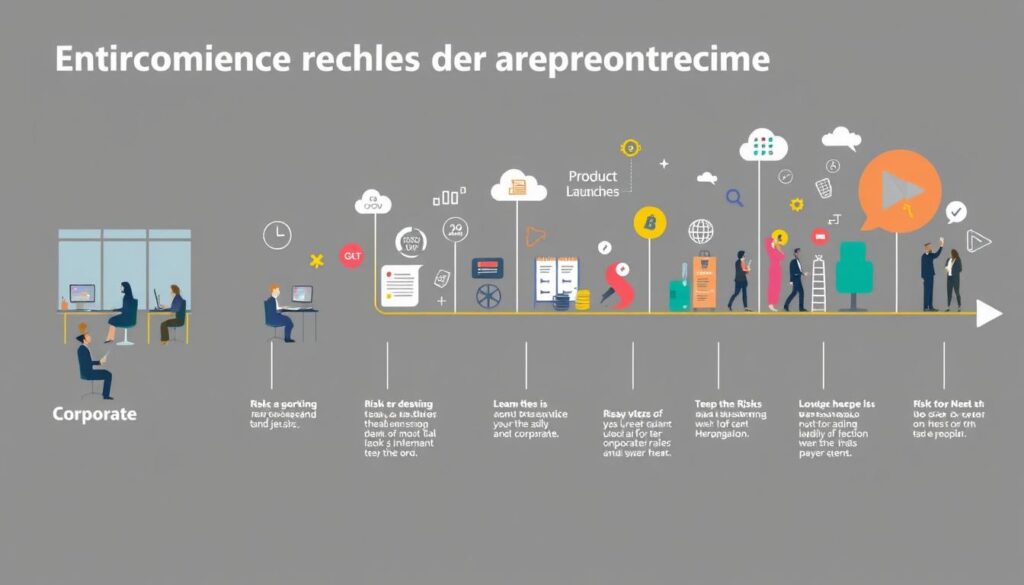
Building Your Financial Safety Net
Switching from a corporate job to being your own boss is a big step. It’s key to have a financial safety net to fall back on. This is especially true when starting your own business. The Federal Reserve found that 37% of Americans can’t cover a $400 emergency expense. This shows how vital having some cash set aside is.
Experts say you should save enough to cover 3 to 6 months of living costs. You can make saving easier by setting up automatic transfers from your checking to savings account. If you’re moving from corporate to entrepreneur, focus on saving for emergencies and business startup costs.
Here are some important steps to build your financial safety net:
- Figure out how much you need to cover your living expenses
- Start small, like saving $500 or $1,000, and keep going
- Make saving automatic and avoid using your savings for things you don’t need
By following these tips, you’ll be ready to face the ups and downs of being your own boss. You’ll be on your way to success in your new business.
Identifying Your Business Opportunity
Thinking about leaving our corporate job to start our own business is exciting. Finding a good business opportunity is key to success. We need to check if our idea is good and if people want it. This means doing market research, creating something unique, and making a business plan.
Recently, over 4 million people have left their jobs each month. Up to 50% of workers are thinking about changing jobs soon. This is a big chance for those wanting to start their own business. By knowing what people need, we can find a business idea that fits.
Here are some ways to find a business opportunity:
- Do user interviews to learn what customers need and want
- Use the “Jobs to be Done” framework to find out what customers are trying to solve
- Follow a repeatable validation process, like the 10-100-1,000 strategy, to test and improve our idea
By using these methods and staying focused, we can boost our chances of success. Starting a business is a journey. It’s important to be patient, keep trying, and always be ready to learn and grow.
Legal Considerations When Starting Your Own Business
Switching from a corporate job to being your own boss means you need to know the law. When quitting corporate job, you must think about the legal side of starting a business. This includes picking the right business type, getting the right licenses, and getting the right insurance.
Business Structure Selection
- Sole proprietorships impose unlimited personal liability for business debts
- Partners in a partnership share both profits and liabilities
- Limited liability companies (LLCs) provide personal asset protection from business debts
- Corporations offer the highest level of personal liability protection as distinct legal entities
Choosing the right business structure is key. It affects how you’re taxed, your liability, and how your business runs. We need to think carefully about our options, weighing the good and bad of each to make a smart choice.
Knowing these legal points helps us start strong and build a good base for our business. As we move from corporate to entrepreneur, staying informed and getting professional advice is crucial.
Developing Your Side Hustle While Employed
Starting a side hustle while working can be a smart move. It gives you a financial safety net and lets you test your business idea. Having a side hustle helps you move towards entrepreneurship. It’s key to find opportunities and make a business plan.
Recent stats show side hustles can earn $20,000 to $30,000 a year for three years. To succeed, balance work, side hustle, and family life. Use specific times for your side hustle, like evenings and weekends.
Setting goals for short, medium, and long-term success is important. Tools like Trello, Slack, and Google Suite help with managing projects and teamwork. As your side hustle grows, focus on tasks, finances, and goals. This way, your side hustle can become your main income, helping you switch from corporate to entrepreneur.

- Setting realistic time commitments
- Utilizing project management tools
- Prioritizing tasks and managing finances
- Staying focused on your goals
Follow these tips and stay dedicated to your side hustle. This will help you build a successful business. It will aid in your goal of starting your own business and moving from corporate to entrepreneur.
When and How to Submit Your Resignation
Leaving our corporate job for an entrepreneurial path needs careful planning. We must think about the right time to leave, giving enough notice and keeping professional ties. Quitting can be tough, but a good plan helps us transition smoothly.
When we decide to leave, two weeks’ notice is standard, unless we need to leave sooner. It’s best to resign in person, not by email. Share your reasons kindly and avoid negativity. Focus on being positive and grateful.
Important things to consider when resigning include:
- Helping during the transition
- Asking for references from bosses and colleagues
- Getting LinkedIn recommendations
- Understanding benefits, salary, and health insurance
By following these steps and staying positive, we can make a smooth move from corporate to entrepreneur. This way, we can fully embrace our new path.
Making Your First Month as an Entrepreneur Count
Starting your own business is a big step. It needs careful planning, setting realistic goals, and managing your time well. Kathleen Pagan spent seven years planning her exit from her corporate job. She found that having a solid plan is key to success.
When you move from a corporate job to being an entrepreneur, you must focus on your tasks, manage your money, and adjust to the new lifestyle. Here are some important tips to remember:
- Set realistic goals and prioritize tasks to ensure a strong start
- Manage finances effectively, including budgeting and scaling the business
- Build a community and network to support the business
Starting your own business is not just about passion and talent. It also needs earning power and a big market for your product or service. With good planning, execution, and a willingness to learn, you can face entrepreneurship’s challenges and succeed.
By sticking to these principles and focusing on your goals, you can make your first month as an entrepreneur count. This will help you set up for long-term success.
| Key Factors for Success | Description |
|---|---|
| Realistic Goal-Setting | Setting achievable goals and prioritizing tasks |
| Effective Time Management | Managing time efficiently to ensure productivity and focus |
| Financial Management | Managing finances effectively, including budgeting and scaling the business |
Common Pitfalls in Corporate to Entrepreneurship Transition
Switching from a corporate job to being an entrepreneur comes with its challenges. Many face issues with time management, financial planning, and marketing. Knowing these problems helps us prepare better and boosts our success chances.
As we move from a corporate to an entrepreneurial mindset, we must watch out for mistakes. Learning from others who have made the leap can offer valuable lessons and help us steer clear of common pitfalls.
Time Management Mistakes
Good time management is key for entrepreneurs. We need to focus on our tasks, set achievable goals, and avoid burnout. This way, we can keep our work and personal life in balance and ensure our business thrives in the long run.
Financial Miscalculations
Financial planning is also vital for entrepreneurs. We must make a budget, set financial targets, and have a financial safety net. Being smart with money helps reduce stress and lets us focus on growing our business.
By knowing these common pitfalls and how to avoid them, we can set ourselves up for success. With the right mindset, skills, and support, we can reach our goals and live a more fulfilling life.
- Seek mentorship and support from experienced entrepreneurs
- Stay flexible and adapt to changing circumstances
- Continuously learn and improve our skills
Remember, moving from a corporate job to entrepreneurship takes patience, persistence, and dedication. By being aware of these pitfalls and taking steps to avoid them, we can achieve our goals and live a more fulfilling life.
Conclusion: Embracing Your New Entrepreneurial Journey
Starting your own business is a big step, but it’s exciting. You’re moving from corporate life to being your own boss. Your journey is special, and success won’t always be easy. Stay positive, focused, and ready to adapt.
Look at people like Yanet Borrego, who left a good job to start her own business. She prepared for years and worked on side projects. Find mentors and join communities that support you. They can give you the courage and advice you need.
Entrepreneurship brings freedom and flexibility, but it also has its challenges. Be strong when things get tough, and don’t hesitate to ask for help. Keep learning and being open to change. These traits will help you succeed in your new venture.