
The digital nomad lifestyle continues to evolve, offering new opportunities for remote workers to explore the world. In 2025, cities like Chiang Mai and Tbilisi are predicted to lead the way, combining affordability, fast internet, and vibrant local culture. These places are perfect for those seeking a balance between work and travel.
John Spencer Ellis, a leading coach for digital nomads, emphasizes the importance of choosing the right destination. His expert guidance helps individuals navigate the challenges of working remotely while embracing new experiences. From the bustling streets of Tbilisi to the serene beaches of Jamaica, the options are endless.
Historically, destinations like Chiang Mai and Bali have set the standard for digital nomad hubs. Today, new hotspots are emerging, offering unique experiences and affordable living costs. Whether you’re drawn to the vibrant city life or the tranquility of an island, 2025 promises exciting opportunities for every remote worker.
Key Takeaways
- Discover affordable cities with fast internet and rich culture in 2025.
- John Spencer Ellis provides expert coaching for digital nomads.
- Chiang Mai and Bali remain influential, but new hotspots are rising.
- Balance work and travel in vibrant locations worldwide.
- Explore visa-friendly options for long-term stays.
Introduction: Digital Nomad Lifestyle & John Spencer Ellis
The freedom to work from anywhere has transformed how we live and work, creating a global movement of remote professionals. This lifestyle, often referred to as digital nomadism, blends travel, culture, and productivity into one seamless experience. It’s not just about working remotely—it’s about embracing a life of adventure and growth.
Meet John Spencer Ellis – Your Expert Coach
John Spencer Ellis is a leading figure in the digital nomad community. With years of experience, he has helped countless individuals navigate the challenges of working remotely while exploring the world. His expertise lies in balancing productivity with personal freedom, making him the go-to coach for aspiring nomads.
Ellis’s journey began in the early days of digital nomadism, when cities like Chiang Mai and Bali were just starting to gain popularity. His insights into the lifestyle’s evolution have made him a trusted guide for those looking to embrace this modern way of living.
The Rise and Evolution of Digital Nomadism
Digital nomadism started in places like Chiang Mai and Bali, where low living costs and vibrant communities attracted remote workers. Over the years, it has grown into a global phenomenon, with cities worldwide offering fast internet, coworking spaces, and visa-friendly policies.
Technological advancements have played a key role in this evolution. High-speed internet and flexible workspaces have made it easier than ever to work from anywhere. Today, digital nomads can choose from a wide range of destinations, each offering unique experiences and opportunities.
| Early Hubs | Modern Hotspots |
|---|---|
| Chiang Mai, Thailand | Lisbon, Portugal |
| Bali, Indonesia | Tbilisi, Georgia |
| Average Internet Speed: 30-50 Mbps | Average Internet Speed: 100+ Mbps |
| Monthly Cost: $600-$800 | Monthly Cost: $1,000-$1,200 |
As the digital nomad lifestyle continues to grow, it’s clear that this is more than a trend—it’s a movement. Whether you’re drawn to bustling cities or serene beaches, there’s a place for everyone in this global community.
Trends Shaping Remote Work and Global Mobility
The landscape of remote work is shifting, opening doors to exciting new locations for digital nomads. As technology advances and global connectivity improves, the options for where to live and work are expanding. This evolution is driven by faster internet, affordable living costs, and flexible visa policies.
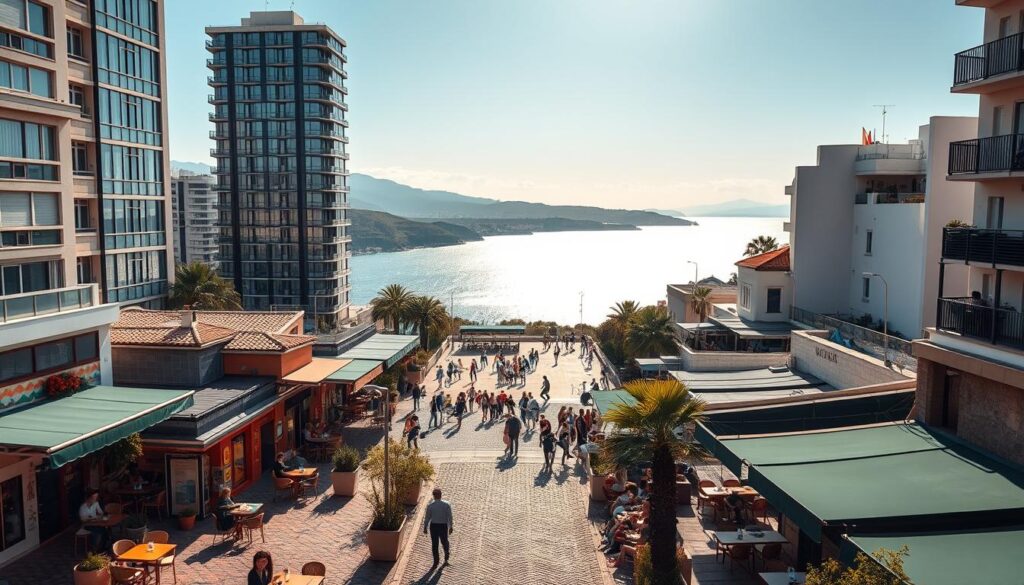
John Spencer Ellis, a leading expert in the digital nomad community, notes, “The future of remote work lies in finding places that offer both productivity and inspiration.” His insights highlight the importance of choosing locations that support both professional and personal growth.
From Chiang Mai & Bali to New Hotspots
Traditional hubs like Chiang Mai and Bali have long been favorites for remote workers. However, new cities are emerging as top choices. Places like Siargao in the Philippines and Taipei in Taiwan are gaining popularity. These locations offer unique experiences, from serene beaches to vibrant urban life.
Improved internet speeds and lower living costs are key factors in this shift. For example, Portugal offers affordable living with fast internet, making it a top choice. Similarly, Georgia’s flexible visa policies make it easy for digital nomads to settle in Tbilisi.
| Traditional Hubs | New Hotspots |
|---|---|
| Chiang Mai, Thailand | Siargao, Philippines |
| Bali, Indonesia | Taipei, Taiwan |
| Average Internet Speed: 30-50 Mbps | Average Internet Speed: 100+ Mbps |
| Monthly Cost: $600-$800 | Monthly Cost: $1,000-$1,200 |
Whether you prefer the hustle of a city or the tranquility of an island, there’s a place for every remote worker. The key is to find a location that aligns with your lifestyle and work needs. As Ellis puts it, “The world is your office—choose wisely.”
Emerging Nomad Destinations
New horizons are opening up for remote workers, blending productivity with adventure in 2025. Whether you’re drawn to serene beaches or bustling cities, there’s a place for every digital nomad. We’ve categorized these spots into two main types: beach escapes and urban experiences. Each offers unique opportunities for work and exploration.
Beach Escapes and Island Retreats
For those seeking tranquility, beach destinations like Siargao in the Philippines are perfect. With its stunning landscapes and affordable cost of living, it’s a top choice for remote workers. The island offers fast internet speeds, averaging 98 Mbps, making it ideal for staying connected.
Other options include Bali, Indonesia, where monthly rent averages around 400 euros. Its vibrant community and coworking spaces make it a favorite among digital nomads. These spots provide a laid-back lifestyle while ensuring productivity.
Vibrant Urban Experiences
If you thrive in dynamic environments, cities like Taipei and Melbourne are worth considering. Taipei boasts modern infrastructure and rich cultural history. Its internet speeds range up to 100 Mbps, and the cost of living is reasonable.
Melbourne, on the other hand, offers a blend of art, food, and coworking spaces. With flexible visa options, it’s easy to settle in and enjoy the city’s vibrant energy. These urban hubs are perfect for those who love a fast-paced lifestyle.
Both beach and city destinations cater to different preferences. Whether you’re looking for relaxation or excitement, these emerging spots offer something for everyone. Choose wisely and make 2025 your year of growth and adventure.
Evaluating Essential Amenities for Nomads
Choosing the right location as a digital nomad involves more than just scenic views—it’s about finding a place that supports your work and lifestyle. Reliable Wi-Fi, affordable living costs, and efficient visa options are critical factors to consider. These amenities ensure you can work productively while enjoying your new surroundings.
Reliable Wi-Fi and Cost of Living Considerations
High-speed internet is non-negotiable for remote workers. Cities like Tbilisi, Georgia, offer speeds of 15-30 Mbps, while Berlin, Germany, boasts 50-100 Mbps. Consistent connectivity allows you to meet deadlines and stay in touch with clients.
Affordability is equally important. For example, Valencia, Spain, has a monthly cost of around $767 for a one-bedroom apartment. Comparing these costs helps you find a destination that fits your budget without compromising quality.
Visa Options and Infrastructure Support
Visa policies can make or break your stay. Spain’s digital nomad visa allows a 12-month stay for $725, while Costa Rica offers a one-year visa for $1,000. These options provide flexibility for long-term stays.
Infrastructure, such as coworking spaces and public transport, also plays a key role. Cities like Tallinn, Estonia, and Medellin, Colombia, are known for their supportive environments. As John Spencer Ellis advises, “Prioritize places that combine functionality with inspiration.”
Evaluating these factors ensures you choose a place that enhances both your work and life. Whether it’s a bustling city or a serene island, the right amenities make all the difference.
Community, Culture, and Connectivity at New Destinations
Building connections and immersing in local culture are key to thriving as a digital nomad. Whether you’re in a bustling city or a tranquil town, the social and cultural elements of your destination can transform your remote work experience.
Networking Opportunities in Global Cities
Global cities like Cape Town and Medellín are hubs for remote workers seeking community. In Cape Town, coworking spaces host regular meetups, fostering collaboration and creativity. Medellín’s vibrant expat community organizes workshops and cultural events, making it easy to connect with like-minded individuals.
John Spencer Ellis emphasizes, “Networking isn’t just about professional growth—it’s about building relationships that enrich your life.” These events provide a platform to share ideas, learn new skills, and create lasting friendships.
Exploring Local Culture, Food, and Art
Immersing yourself in local culture enhances your journey as a digital nomad. In Tbilisi, Georgia, you can explore traditional markets, savor local cuisine, and attend art exhibitions. These experiences not only enrich your stay but also inspire creativity in your work.
Cape Town’s diverse food scene and vibrant street art offer endless opportunities for cultural exploration. As Ellis puts it, “Connecting with local traditions and creativity fuels personal growth and professional innovation.”
Whether you’re attending a networking event or discovering a new art gallery, these moments make your destination more than just a workplace—it becomes a home. Embrace the culture, connect with the community, and let your surroundings inspire your work and life.
Budget-Friendly Spots for Remote Workers
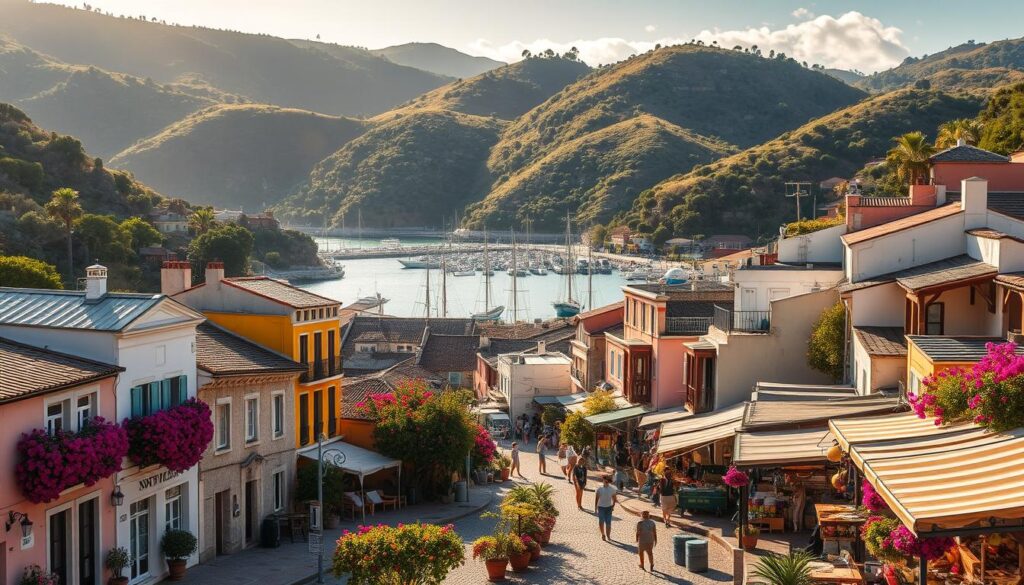
Affordable living doesn’t have to mean sacrificing quality or connectivity for digital nomads. In 2025, more cities and towns are offering low-cost living without compromising on essential amenities. These spots are perfect for remote workers who want to stretch their budgets while enjoying a high quality of life.
Top Budget-Friendly Locations
Places like Tbilisi, Georgia, and Da Nang, Vietnam, are leading the way in affordability. In Tbilisi, you can find comfortable apartments for around $800 a month, with internet speeds averaging 100 Mbps. Da Nang offers coworking spaces for $100 to $150 monthly, and one-bedroom apartments cost as little as $200.
Merida, Mexico, is another standout, with monthly expenses averaging $800. Rent for a good apartment can be under $500, and 5G connectivity is widely available. These cities prove that you don’t need to spend a fortune to live well as a digital nomad.
Cost of Living Breakdown
Here’s a quick look at monthly expenses in some of the most affordable spots:
- Tbilisi, Georgia: $700-$800 for rent and utilities.
- Da Nang, Vietnam: $400-$500 for coworking space and accommodation.
- Merida, Mexico: $800 for rent, food, and internet.
Tips for Managing Expenses
To make the most of your budget, consider these strategies:
- Choose coworking spaces that offer monthly memberships for discounts.
- Opt for local markets and street food to save on meals.
- Use public transport or rent a scooter for affordable commuting.
Even in budget-friendly locations, you’ll find vibrant coworking spaces and rich cultural experiences. As John Spencer Ellis says, “The right place can enhance both your work and your life.” Whether you’re in a bustling city or a serene beach town, these spots offer the perfect balance of affordability and quality.
Balancing Work and Travel: Planning Your Nomad Itinerary
Balancing work and travel as a digital nomad requires strategic planning and smart scheduling. With the right approach, you can enjoy the freedom of exploring new destinations while staying productive. Here’s how to create an itinerary that works for you.
Tips to Optimize Remote Work Productivity
Start by identifying work-friendly spaces in your chosen city. Coworking spaces and cafes with reliable internet are essential. Research local options before arriving to save time and avoid disruptions.
Time-blocking is a powerful technique. Allocate specific hours for work and stick to them. This ensures you meet deadlines while leaving room for exploration. “Structured routines are the backbone of a successful digital nomad lifestyle,” says productivity expert John Spencer Ellis.
Scheduling Techniques for Downtime and Exploration
Plan your days to include both work and leisure. For example, dedicate mornings to focused tasks and afternoons to local activities. This balance keeps you energized and inspired.
Use tools like Google Calendar or Trello to organize your schedule. These apps help you track tasks and allocate time efficiently. Remember, flexibility is key—allow room for spontaneous adventures.
Importance of Reliable Internet and Workspaces
Reliable internet is non-negotiable. Before choosing a place, check for reviews on connectivity. Many cities now offer coworking spaces with high-speed internet and ergonomic setups.
Designate a workspace to separate work from leisure. This could be a desk in your accommodation or a local coworking space. A dedicated area helps you stay focused and productive.
Sample Itinerary for Balanced Work and Travel
Here’s a sample itinerary for a week in a digital nomad hotspot:
- Monday-Wednesday: Work mornings, explore local markets in the afternoon.
- Thursday: Visit a nearby beach or cultural site.
- Friday: Wrap up work early, attend a local event or meetup.
- Weekend: Relax and recharge for the week ahead.
With thoughtful planning, you can enjoy the best of both worlds—productive workdays and unforgettable travel experiences.
Conclusion
2025 brings fresh opportunities for those embracing the digital nomad lifestyle. With affordable living costs, reliable internet, and vibrant cultures, new cities are becoming hotspots for remote workers. Whether you’re drawn to a bustling city or a serene beach, there’s a destination for everyone.
John Spencer Ellis remains a trusted guide, helping individuals navigate this exciting journey. His expertise ensures you can balance work and adventure seamlessly. As you plan your next move, consider visa-friendly options and supportive communities that enhance your experience.
Take the leap and explore the world in 2025. With the right preparation and mindset, you can thrive as a digital nomad. Start your journey today and embrace the freedom to work from anywhere.
FAQ
What are the best cities for remote workers in 2025?
How do I choose a destination with good internet speed?
What visa options are available for remote workers?
How can I balance work and travel effectively?
What’s the average cost of living for a remote worker?
FAQ
What are the best cities for remote workers in 2025?
In 2025, cities like Chiang Mai, Cape Town, and Lisbon stand out for their affordable living, reliable internet, and vibrant communities. These spots offer a mix of culture, connectivity, and cost-effectiveness.
How do I choose a destination with good internet speed?
Look for cities known for their tech infrastructure, such as Tallinn or Medellín. Online forums and speed test websites can also help you verify internet reliability before you move.
What visa options are available for remote workers?
Many countries now offer digital nomad visas, including Portugal, Estonia, and South Africa. These visas are designed for long-term stays and often include tax benefits.
How can I balance work and travel effectively?
Plan your itinerary around your work schedule, choosing destinations with coworking spaces and time zones that align with your clients. Prioritize productivity while leaving room for exploration.
What’s the average cost of living for a remote worker?
Costs vary widely, but cities like Bali and Chiang Mai offer affordable living at around
FAQ
What are the best cities for remote workers in 2025?
In 2025, cities like Chiang Mai, Cape Town, and Lisbon stand out for their affordable living, reliable internet, and vibrant communities. These spots offer a mix of culture, connectivity, and cost-effectiveness.
How do I choose a destination with good internet speed?
Look for cities known for their tech infrastructure, such as Tallinn or Medellín. Online forums and speed test websites can also help you verify internet reliability before you move.
What visa options are available for remote workers?
Many countries now offer digital nomad visas, including Portugal, Estonia, and South Africa. These visas are designed for long-term stays and often include tax benefits.
How can I balance work and travel effectively?
Plan your itinerary around your work schedule, choosing destinations with coworking spaces and time zones that align with your clients. Prioritize productivity while leaving room for exploration.
What’s the average cost of living for a remote worker?
Costs vary widely, but cities like Bali and Chiang Mai offer affordable living at around $1,000–$1,500 per month, including rent, food, and entertainment.
Are there networking opportunities in these destinations?
Yes, cities like Lisbon and Cape Town have thriving digital nomad communities. Coworking spaces and local meetups are great ways to connect with like-minded professionals.
What’s the best way to experience local culture?
Immerse yourself by exploring local markets, attending cultural events, and trying regional cuisine. Engaging with locals can also enrich your experience.
How do I find affordable yet comfortable accommodations?
Platforms like Airbnb and Nomad List offer budget-friendly options. Look for places with coworking spaces or reliable Wi-Fi to streamline your work setup.
,000–
FAQ
What are the best cities for remote workers in 2025?
In 2025, cities like Chiang Mai, Cape Town, and Lisbon stand out for their affordable living, reliable internet, and vibrant communities. These spots offer a mix of culture, connectivity, and cost-effectiveness.
How do I choose a destination with good internet speed?
Look for cities known for their tech infrastructure, such as Tallinn or Medellín. Online forums and speed test websites can also help you verify internet reliability before you move.
What visa options are available for remote workers?
Many countries now offer digital nomad visas, including Portugal, Estonia, and South Africa. These visas are designed for long-term stays and often include tax benefits.
How can I balance work and travel effectively?
Plan your itinerary around your work schedule, choosing destinations with coworking spaces and time zones that align with your clients. Prioritize productivity while leaving room for exploration.
What’s the average cost of living for a remote worker?
Costs vary widely, but cities like Bali and Chiang Mai offer affordable living at around $1,000–$1,500 per month, including rent, food, and entertainment.
Are there networking opportunities in these destinations?
Yes, cities like Lisbon and Cape Town have thriving digital nomad communities. Coworking spaces and local meetups are great ways to connect with like-minded professionals.
What’s the best way to experience local culture?
Immerse yourself by exploring local markets, attending cultural events, and trying regional cuisine. Engaging with locals can also enrich your experience.
How do I find affordable yet comfortable accommodations?
Platforms like Airbnb and Nomad List offer budget-friendly options. Look for places with coworking spaces or reliable Wi-Fi to streamline your work setup.
,500 per month, including rent, food, and entertainment.
Are there networking opportunities in these destinations?
Yes, cities like Lisbon and Cape Town have thriving digital nomad communities. Coworking spaces and local meetups are great ways to connect with like-minded professionals.
What’s the best way to experience local culture?
Immerse yourself by exploring local markets, attending cultural events, and trying regional cuisine. Engaging with locals can also enrich your experience.
How do I find affordable yet comfortable accommodations?
Platforms like Airbnb and Nomad List offer budget-friendly options. Look for places with coworking spaces or reliable Wi-Fi to streamline your work setup.
FAQ
What are the best cities for remote workers in 2025?
In 2025, cities like Chiang Mai, Cape Town, and Lisbon stand out for their affordable living, reliable internet, and vibrant communities. These spots offer a mix of culture, connectivity, and cost-effectiveness.
How do I choose a destination with good internet speed?
Look for cities known for their tech infrastructure, such as Tallinn or Medellín. Online forums and speed test websites can also help you verify internet reliability before you move.
What visa options are available for remote workers?
Many countries now offer digital nomad visas, including Portugal, Estonia, and South Africa. These visas are designed for long-term stays and often include tax benefits.
How can I balance work and travel effectively?
Plan your itinerary around your work schedule, choosing destinations with coworking spaces and time zones that align with your clients. Prioritize productivity while leaving room for exploration.
What’s the average cost of living for a remote worker?
Costs vary widely, but cities like Bali and Chiang Mai offer affordable living at around
FAQ
What are the best cities for remote workers in 2025?
In 2025, cities like Chiang Mai, Cape Town, and Lisbon stand out for their affordable living, reliable internet, and vibrant communities. These spots offer a mix of culture, connectivity, and cost-effectiveness.
How do I choose a destination with good internet speed?
Look for cities known for their tech infrastructure, such as Tallinn or Medellín. Online forums and speed test websites can also help you verify internet reliability before you move.
What visa options are available for remote workers?
Many countries now offer digital nomad visas, including Portugal, Estonia, and South Africa. These visas are designed for long-term stays and often include tax benefits.
How can I balance work and travel effectively?
Plan your itinerary around your work schedule, choosing destinations with coworking spaces and time zones that align with your clients. Prioritize productivity while leaving room for exploration.
What’s the average cost of living for a remote worker?
Costs vary widely, but cities like Bali and Chiang Mai offer affordable living at around $1,000–$1,500 per month, including rent, food, and entertainment.
Are there networking opportunities in these destinations?
Yes, cities like Lisbon and Cape Town have thriving digital nomad communities. Coworking spaces and local meetups are great ways to connect with like-minded professionals.
What’s the best way to experience local culture?
Immerse yourself by exploring local markets, attending cultural events, and trying regional cuisine. Engaging with locals can also enrich your experience.
How do I find affordable yet comfortable accommodations?
Platforms like Airbnb and Nomad List offer budget-friendly options. Look for places with coworking spaces or reliable Wi-Fi to streamline your work setup.
,000–
FAQ
What are the best cities for remote workers in 2025?
In 2025, cities like Chiang Mai, Cape Town, and Lisbon stand out for their affordable living, reliable internet, and vibrant communities. These spots offer a mix of culture, connectivity, and cost-effectiveness.
How do I choose a destination with good internet speed?
Look for cities known for their tech infrastructure, such as Tallinn or Medellín. Online forums and speed test websites can also help you verify internet reliability before you move.
What visa options are available for remote workers?
Many countries now offer digital nomad visas, including Portugal, Estonia, and South Africa. These visas are designed for long-term stays and often include tax benefits.
How can I balance work and travel effectively?
Plan your itinerary around your work schedule, choosing destinations with coworking spaces and time zones that align with your clients. Prioritize productivity while leaving room for exploration.
What’s the average cost of living for a remote worker?
Costs vary widely, but cities like Bali and Chiang Mai offer affordable living at around $1,000–$1,500 per month, including rent, food, and entertainment.
Are there networking opportunities in these destinations?
Yes, cities like Lisbon and Cape Town have thriving digital nomad communities. Coworking spaces and local meetups are great ways to connect with like-minded professionals.
What’s the best way to experience local culture?
Immerse yourself by exploring local markets, attending cultural events, and trying regional cuisine. Engaging with locals can also enrich your experience.
How do I find affordable yet comfortable accommodations?
Platforms like Airbnb and Nomad List offer budget-friendly options. Look for places with coworking spaces or reliable Wi-Fi to streamline your work setup.
,500 per month, including rent, food, and entertainment.
Are there networking opportunities in these destinations?
Yes, cities like Lisbon and Cape Town have thriving digital nomad communities. Coworking spaces and local meetups are great ways to connect with like-minded professionals.
What’s the best way to experience local culture?
Immerse yourself by exploring local markets, attending cultural events, and trying regional cuisine. Engaging with locals can also enrich your experience.
How do I find affordable yet comfortable accommodations?
Platforms like Airbnb and Nomad List offer budget-friendly options. Look for places with coworking spaces or reliable Wi-Fi to streamline your work setup.
FAQ
What are the best cities for remote workers in 2025?
In 2025, cities like Chiang Mai, Cape Town, and Lisbon stand out for their affordable living, reliable internet, and vibrant communities. These spots offer a mix of culture, connectivity, and cost-effectiveness.
How do I choose a destination with good internet speed?
Look for cities known for their tech infrastructure, such as Tallinn or Medellín. Online forums and speed test websites can also help you verify internet reliability before you move.
What visa options are available for remote workers?
Many countries now offer digital nomad visas, including Portugal, Estonia, and South Africa. These visas are designed for long-term stays and often include tax benefits.
How can I balance work and travel effectively?
Plan your itinerary around your work schedule, choosing destinations with coworking spaces and time zones that align with your clients. Prioritize productivity while leaving room for exploration.
What’s the average cost of living for a remote worker?
Costs vary widely, but cities like Bali and Chiang Mai offer affordable living at around
FAQ
What are the best cities for remote workers in 2025?
In 2025, cities like Chiang Mai, Cape Town, and Lisbon stand out for their affordable living, reliable internet, and vibrant communities. These spots offer a mix of culture, connectivity, and cost-effectiveness.
How do I choose a destination with good internet speed?
Look for cities known for their tech infrastructure, such as Tallinn or Medellín. Online forums and speed test websites can also help you verify internet reliability before you move.
What visa options are available for remote workers?
Many countries now offer digital nomad visas, including Portugal, Estonia, and South Africa. These visas are designed for long-term stays and often include tax benefits.
How can I balance work and travel effectively?
Plan your itinerary around your work schedule, choosing destinations with coworking spaces and time zones that align with your clients. Prioritize productivity while leaving room for exploration.
What’s the average cost of living for a remote worker?
Costs vary widely, but cities like Bali and Chiang Mai offer affordable living at around $1,000–$1,500 per month, including rent, food, and entertainment.
Are there networking opportunities in these destinations?
Yes, cities like Lisbon and Cape Town have thriving digital nomad communities. Coworking spaces and local meetups are great ways to connect with like-minded professionals.
What’s the best way to experience local culture?
Immerse yourself by exploring local markets, attending cultural events, and trying regional cuisine. Engaging with locals can also enrich your experience.
How do I find affordable yet comfortable accommodations?
Platforms like Airbnb and Nomad List offer budget-friendly options. Look for places with coworking spaces or reliable Wi-Fi to streamline your work setup.
,000–
FAQ
What are the best cities for remote workers in 2025?
In 2025, cities like Chiang Mai, Cape Town, and Lisbon stand out for their affordable living, reliable internet, and vibrant communities. These spots offer a mix of culture, connectivity, and cost-effectiveness.
How do I choose a destination with good internet speed?
Look for cities known for their tech infrastructure, such as Tallinn or Medellín. Online forums and speed test websites can also help you verify internet reliability before you move.
What visa options are available for remote workers?
Many countries now offer digital nomad visas, including Portugal, Estonia, and South Africa. These visas are designed for long-term stays and often include tax benefits.
How can I balance work and travel effectively?
Plan your itinerary around your work schedule, choosing destinations with coworking spaces and time zones that align with your clients. Prioritize productivity while leaving room for exploration.
What’s the average cost of living for a remote worker?
Costs vary widely, but cities like Bali and Chiang Mai offer affordable living at around $1,000–$1,500 per month, including rent, food, and entertainment.
Are there networking opportunities in these destinations?
Yes, cities like Lisbon and Cape Town have thriving digital nomad communities. Coworking spaces and local meetups are great ways to connect with like-minded professionals.
What’s the best way to experience local culture?
Immerse yourself by exploring local markets, attending cultural events, and trying regional cuisine. Engaging with locals can also enrich your experience.
How do I find affordable yet comfortable accommodations?
Platforms like Airbnb and Nomad List offer budget-friendly options. Look for places with coworking spaces or reliable Wi-Fi to streamline your work setup.
,500 per month, including rent, food, and entertainment.
Are there networking opportunities in these destinations?
Yes, cities like Lisbon and Cape Town have thriving digital nomad communities. Coworking spaces and local meetups are great ways to connect with like-minded professionals.
What’s the best way to experience local culture?
Immerse yourself by exploring local markets, attending cultural events, and trying regional cuisine. Engaging with locals can also enrich your experience.
How do I find affordable yet comfortable accommodations?
Platforms like Airbnb and Nomad List offer budget-friendly options. Look for places with coworking spaces or reliable Wi-Fi to streamline your work setup.
FAQ
What are the best cities for remote workers in 2025?
In 2025, cities like Chiang Mai, Cape Town, and Lisbon stand out for their affordable living, reliable internet, and vibrant communities. These spots offer a mix of culture, connectivity, and cost-effectiveness.
How do I choose a destination with good internet speed?
Look for cities known for their tech infrastructure, such as Tallinn or Medellín. Online forums and speed test websites can also help you verify internet reliability before you move.
What visa options are available for remote workers?
Many countries now offer digital nomad visas, including Portugal, Estonia, and South Africa. These visas are designed for long-term stays and often include tax benefits.
How can I balance work and travel effectively?
Plan your itinerary around your work schedule, choosing destinations with coworking spaces and time zones that align with your clients. Prioritize productivity while leaving room for exploration.
What’s the average cost of living for a remote worker?
Costs vary widely, but cities like Bali and Chiang Mai offer affordable living at around
FAQ
What are the best cities for remote workers in 2025?
In 2025, cities like Chiang Mai, Cape Town, and Lisbon stand out for their affordable living, reliable internet, and vibrant communities. These spots offer a mix of culture, connectivity, and cost-effectiveness.
How do I choose a destination with good internet speed?
Look for cities known for their tech infrastructure, such as Tallinn or Medellín. Online forums and speed test websites can also help you verify internet reliability before you move.
What visa options are available for remote workers?
Many countries now offer digital nomad visas, including Portugal, Estonia, and South Africa. These visas are designed for long-term stays and often include tax benefits.
How can I balance work and travel effectively?
Plan your itinerary around your work schedule, choosing destinations with coworking spaces and time zones that align with your clients. Prioritize productivity while leaving room for exploration.
What’s the average cost of living for a remote worker?
Costs vary widely, but cities like Bali and Chiang Mai offer affordable living at around $1,000–$1,500 per month, including rent, food, and entertainment.
Are there networking opportunities in these destinations?
Yes, cities like Lisbon and Cape Town have thriving digital nomad communities. Coworking spaces and local meetups are great ways to connect with like-minded professionals.
What’s the best way to experience local culture?
Immerse yourself by exploring local markets, attending cultural events, and trying regional cuisine. Engaging with locals can also enrich your experience.
How do I find affordable yet comfortable accommodations?
Platforms like Airbnb and Nomad List offer budget-friendly options. Look for places with coworking spaces or reliable Wi-Fi to streamline your work setup.
,000–
FAQ
What are the best cities for remote workers in 2025?
In 2025, cities like Chiang Mai, Cape Town, and Lisbon stand out for their affordable living, reliable internet, and vibrant communities. These spots offer a mix of culture, connectivity, and cost-effectiveness.
How do I choose a destination with good internet speed?
Look for cities known for their tech infrastructure, such as Tallinn or Medellín. Online forums and speed test websites can also help you verify internet reliability before you move.
What visa options are available for remote workers?
Many countries now offer digital nomad visas, including Portugal, Estonia, and South Africa. These visas are designed for long-term stays and often include tax benefits.
How can I balance work and travel effectively?
Plan your itinerary around your work schedule, choosing destinations with coworking spaces and time zones that align with your clients. Prioritize productivity while leaving room for exploration.
What’s the average cost of living for a remote worker?
Costs vary widely, but cities like Bali and Chiang Mai offer affordable living at around $1,000–$1,500 per month, including rent, food, and entertainment.
Are there networking opportunities in these destinations?
Yes, cities like Lisbon and Cape Town have thriving digital nomad communities. Coworking spaces and local meetups are great ways to connect with like-minded professionals.
What’s the best way to experience local culture?
Immerse yourself by exploring local markets, attending cultural events, and trying regional cuisine. Engaging with locals can also enrich your experience.
How do I find affordable yet comfortable accommodations?
Platforms like Airbnb and Nomad List offer budget-friendly options. Look for places with coworking spaces or reliable Wi-Fi to streamline your work setup.
,500 per month, including rent, food, and entertainment.
Are there networking opportunities in these destinations?
Yes, cities like Lisbon and Cape Town have thriving digital nomad communities. Coworking spaces and local meetups are great ways to connect with like-minded professionals.
What’s the best way to experience local culture?
Immerse yourself by exploring local markets, attending cultural events, and trying regional cuisine. Engaging with locals can also enrich your experience.
How do I find affordable yet comfortable accommodations?
Platforms like Airbnb and Nomad List offer budget-friendly options. Look for places with coworking spaces or reliable Wi-Fi to streamline your work setup.