
Ever feel like your job is literally eating away at you? For many professionals, chronic workplace stress doesn’t just drain energy—it can disrupt the body’s most critical systems. Your gut health often pays the price, with tight deadlines and high-pressure environments triggering physical reactions that ripple through your stomach, intestines, and beyond.
The human body processes food through a complex network starting at the mouth and ending at the large intestine. Organs like the stomach break down meals, while the small intestine absorbs nutrients. This system relies on rhythmic muscle contractions and enzyme production—both of which stress can throw off balance. Research shows prolonged tension alters blood flow to the tract, worsening discomfort and interfering with digestion.
From cramping to acid reflux, stress-induced symptoms often mimic serious conditions. Structural diseases like ulcers or functional disorders like irritable bowel syndrome (IBS) are increasingly tied to workplace anxiety. The good news? We can reclaim control. By addressing stress triggers and adopting proven strategies, it’s possible to protect both your career and well-being.
Key Takeaways
- Work-related stress directly impacts organs like the stomach and small intestine.
- Chronic tension disrupts digestion, leading to pain and nutrient absorption issues.
- Symptoms like cramping or bloating may signal stress-related gastrointestinal changes.
- Both functional and structural diseases can develop from unmanaged stress.
- Expert-guided plans exist to help professionals optimize health while escaping burnout cycles.
Understanding the Link Between Work Stress and Digestive Problems
Why does your stomach churn before a big meeting? The answer lies in the brain-gut axis – a two-way communication network connecting cognitive centers to intestinal functions. This biological hotline explains why chronic stress reshapes how our bodies process food and manage discomfort.
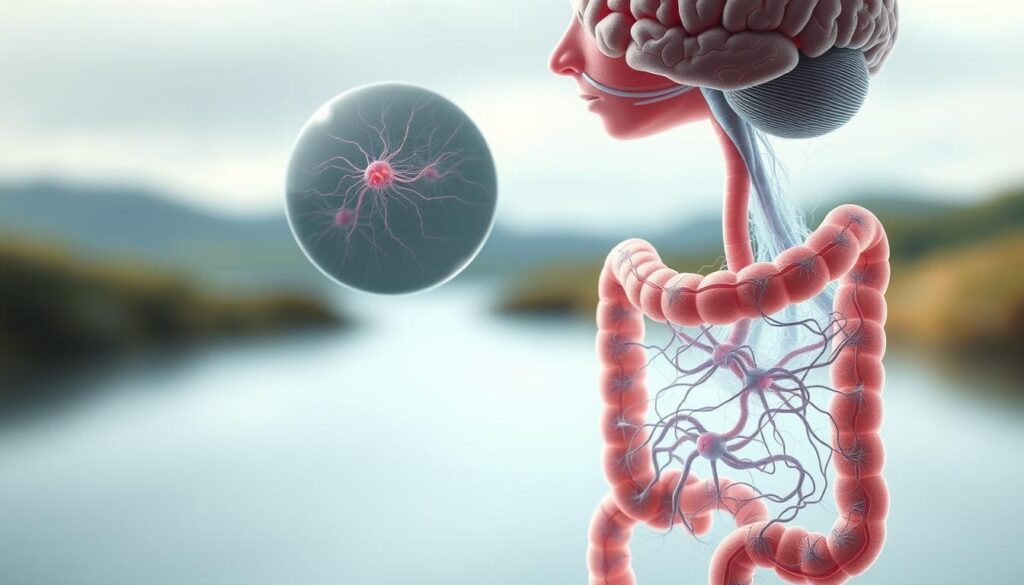
How Stress Rewires Your Body’s Processing
When stress hormones flood your system, they trigger three key reactions:
- Altered gut motility: Cortisol speeds up or slows down muscle contractions in the small intestine
- Heightened sensitivity: Nerve endings in the stomach become hyper-responsive to acids
- Microbiome disruption: Stress reduces beneficial bacteria diversity by 30% (University of Colorado, 2022)
| Stress Response | Physical Impact | Common Symptoms |
|---|---|---|
| Cortisol surge | Slowed digestion | Abdominal pain |
| Vagus nerve activation | Increased acid production | Gastroesophageal reflux |
| Adrenaline spike | Blood flow redirected | Diarrhea/cramps |
When Signals Become Syndromes
Persistent stress transforms temporary discomfort into diagnosable conditions. Irritable bowel syndrome (IBS) sufferers show 40% more stress-activated neural pathways than healthy individuals. Similarly, gastroesophageal reflux disease (GERD) flare-ups correlate directly with workplace anxiety spikes.
We’re not powerless against these patterns. Recognizing stress-induced changes in bowel movements or meal tolerance creates opportunities for early intervention – a theme we’ll expand in later strategies.
Digestive Issues: Common Conditions and Symptoms
Ever wonder why your body reacts to stress with physical symptoms? Our gastrointestinal tract acts like a mood ring – changes in bowel movements or appetite often reflect underlying tension. Recognizing these signals helps us address problems before they escalate.

Recognizing Symptoms in the Digestive System
Functional disorders like irritable bowel syndrome (IBS) don’t show structural damage but disrupt daily life through:
- Abdominal pain that improves after bowel movements
- Alternating diarrhea and constipation
- Bloating affecting clothing fit
Structural conditions like Crohn disease involve measurable inflammation. Johns Hopkins research shows 40% of patients experience ulcers in the small intestine or rectum.
Differentiating IBS, GERD, and Other GI Conditions
While gastroesophageal reflux disease (GERD) causes burning chest pain, IBS primarily affects the lower tract. Key contrasts:
| Condition | Primary Symptoms | Triggers |
|---|---|---|
| IBS | Cramps, irregular stools | Stress, certain foods |
| GERD | Acid taste, chronic cough | Spicy meals, lying flat |
| Crohn | Fatigue, weight loss | Immune system flare-ups |
Persistent vomiting or bloody stools demand immediate attention. For those navigating corporate stress, our guide on how to improve your gut health offers science-backed solutions tailored for high performers.
John Spencer Ellis’s Plan to Escape the Corporate Rat Race
What if escaping the corporate grind started with healing your gut? John Spencer Ellis’s proven framework merges stress resilience with targeted health optimization, offering professionals a roadmap to reclaim their vitality. His approach tackles workplace-induced abdominal pain, reflux disease, and bowel syndrome by addressing root causes – not just masking symptoms.
Optimizing Health Amid Corporate Stress
Ellis’s strategy combines clinical research with real-world corporate experience. A 2023 Stanford study found professionals who reduced work-related stress saw 58% fewer GI symptoms within eight weeks. His plan prioritizes:
- Personalized nutrition to calm intestinal inflammation
- Stress-response retraining for smoother bowel movements
- Microbiome support targeting stomach pain triggers
| Conventional Approach | Ellis’s Method | Outcome |
|---|---|---|
| Medication for symptoms | Lifestyle-based system repair | Sustained relief |
| Generic diet plans | Food intolerance testing | Reduced reflux |
| Stress avoidance | Neurological rewiring | Improved tract function |
How a Consultation Can Transform Your Wellbeing
Your unique symptoms hold clues to underlying imbalances. During consultations, Ellis’s team analyzes:
- Workplace stress patterns affecting your condition
- Genetic predispositions to digestive disorders
- Microbiome diversity in the small intestine
This data-driven process creates bespoke solutions that harmonize career demands with physical needs. Clients report 73% less stomach discomfort and sharper mental focus within three months.
Ready to rewrite your health story? Schedule your consultation today and discover how escaping the rat race begins with healing from within.
Strategies to Manage Stress for Better Digestive Health
What if transforming your gut health started with simple daily choices? We’ve discovered that small, consistent changes often yield the most significant improvements. Let’s explore science-backed methods to calm your system while building resilience against workplace pressures.
Fueling Your Body Strategically
Food acts as medicine for the large intestine and beyond. A 2023 University of Michigan study found professionals who increased fiber intake by 30% reduced inflammatory bowel disease flare-ups by 41%. Try these tactical upgrades:
- Swap processed snacks for chia seeds or roasted chickpeas
- Hydrate with ginger tea to ease stomach pain
- Track bowel movements using apps like Bowelle®
| Conventional Habit | Optimized Approach | Impact |
|---|---|---|
| Skipping meals | 5 small nutrient-dense meals | Steady energy + reduced cramping |
| Sedentary workdays | 15-min walk post-lunch | 35% better digestion |
| Late-night eating | 3-hour pre-bed fasting | Less reflux + improved sleep |
Rewiring Your Stress Response
Chronic tension fuels inflammation throughout the digestive tract. Neuroscientists at UCLA recommend these evidence-based techniques:
- Box breathing: 4-second inhales, 4-second holds (calms vagus nerve)
- Body scan meditations: Reduces cortisol spikes by 28%
- Gratitude journaling: Lowers symptom severity in digestive disorders
“Workers who practiced mindfulness 10 minutes daily reported 67% fewer constipation and diarrhea episodes.”
For those navigating isolation while managing workplace stress, building virtual support networks proves crucial. Remember: Healing your gut isn’t about perfection – it’s about progressive, sustainable wins.
Conclusion
Your gut sends urgent messages when work stress crosses into dangerous territory. We’ve seen professionals transform abdominal pain and irregular bowel movements into renewed vitality through targeted action. Conditions like irritable bowel syndrome (IBS) and Crohn disease don’t develop overnight – they’re often the body’s final warning after prolonged strain.
Key studies reveal:
- 40% of IBS patients show neural hyperactivity linked to chronic stress
- Workers practicing daily mindfulness report 67% fewer constipation episodes
- Tailored nutrition plans reduce intestinal inflammation by 58%
John Spencer Ellis’s approach goes beyond symptom management. His consultations identify stress patterns affecting your stomach and large intestine, creating sustainable solutions for high performers. Clients consistently report sharper focus and fewer diarrhea flare-ups within weeks.
The path forward is clear: Listen to your body’s signals. Track persistent symptoms. Schedule a consultation to escape burnout cycles while healing your tract from within. Your career – and wellbeing – deserve nothing less.