
Many professionals face invisible challenges that linger long after they leave the office. Chronic stress, emotional exhaustion, and systemic pressures in professional environments can reshape lives—often in ways we don’t fully grasp until years later. But what happens when these experiences become more than just “bad days”?
Harmful dynamics in work settings don’t just vanish when the clock hits 5 PM. They embed themselves in our nervous systems, affecting sleep, relationships, and even immune function. Leaders in organizational psychology confirm that unaddressed stress patterns often evolve into chronic conditions—from anxiety disorders to cardiovascular issues.
We’ve seen a growing movement of independent-minded professionals rejecting burnout culture. That’s where strategic guidance matters. John Spencer Ellis combines entrepreneurial mindset shifts with science-backed health optimization, offering a clear path out of the corporate grind. His approach helps rebuild both physical vitality and career autonomy.
This article unpacks actionable recovery strategies while highlighting why proactive self-care isn’t selfish—it’s essential for lasting success. Whether you’re navigating a toxic environment or rebuilding after leaving one, you’ll find expert-backed solutions here.
Key Takeaways
- Prolonged stress in professional settings can trigger lasting physical and mental health challenges
- Early intervention prevents chronic conditions linked to high-pressure environments
- Industry leaders emphasize holistic recovery strategies over temporary fixes
- John Spencer Ellis’s methods blend entrepreneurship with health-focused independence
- Practical steps in this guide help reclaim personal and professional well-being
Introduction to the Long-Term Health Effects of Workplace Trauma
Unseen burdens from professional life may reshape health outcomes permanently. Nearly 60% of U.S. workers report persistent stress linked to their roles—a silent epidemic eroding both performance and well-being. Recognizing these patterns early creates opportunities for meaningful change.
When Daily Pressures Become Systemic Issues
High demands in modern work environments often exceed healthy boundaries. Tight deadlines, unclear expectations, and limited autonomy create cycles of exhaustion. Research shows 42% of employees experience sleep disruption due to unresolved job-related stress.
“Organizations prioritizing psychological safety see 52% higher team engagement,” notes a Harvard Business Review analysis. “Proactive leadership reduces burnout risks by fostering trust.”
Building Foundations for Renewal
Effective recovery starts with three strategic shifts:
| Challenge | Impact | Solution |
|---|---|---|
| Chronic overwork | Immune dysfunction | Time-blocking techniques |
| Emotional isolation | Anxiety spikes | Peer support networks |
| Role ambiguity | Decision fatigue | Clarity workshops |
We’ve helped hundreds reclaim control through tailored health optimization plans. Your path forward matters. Schedule a consultation with John Spencer Ellis to bridge the gap between surviving and thriving.
Recognizing Different Types of Workplace Traumatic Events
Not all harmful professional experiences look the same. Some strike like lightning—sudden and intense. Others build like slow-moving storms, eroding resilience over months or years. Understanding these distinctions helps teams intervene effectively before damage becomes irreversible.
Acute Incidents vs Chronic Stressors
Traumatic events fall into two categories:
- Acute: Single, high-impact situations like equipment failures in manufacturing plants or violent customer encounters in retail
- Chronic: Persistent issues like micromanagement in tech startups or discrimination in corporate boardrooms
A construction worker surviving a fall faces different recovery needs than a nurse enduring daily verbal abuse. Both require support—but of different types and durations.
Real-World Scenarios Across Industries
Consider these documented cases:
- Teachers facing weekly parent aggression in underfunded school districts
- First responders witnessing fatal accidents during night shifts
- Freelancers trapped in cycles of nonpayment by clients
“Early identification reduces recovery time by 68%,” states organizational psychologist Dr. Lena Torres. “Teams trained to spot warning signs prevent escalation.”
Regular risk assessments help organizations map vulnerabilities. When a marketing agency noticed 40% of staff dreading Monday meetings, they overhauled communication protocols—cutting anxiety-related absences by half.
The Hidden Impact of Workplace Trauma on Mental Health
Mental health struggles often begin quietly, masked by daily routines and professional obligations. Research reveals 1 in 3 employees exposed to chronic stress develop clinically significant anxiety—yet only 40% seek support. This gap highlights why understanding psychological impacts matters.
Anxiety, Depression, and Post-Traumatic Stress
Persistent stress reshapes brain chemistry, creating cycles of worry and hopelessness. Key differences exist between post-traumatic stress (PTS) and post-traumatic stress disorder (PTSD):
- PTS involves temporary reactions to specific events
- PTSD requires professional diagnosis and persists beyond 30 days
- Both share symptoms like hypervigilance and emotional numbness
A 2023 workforce study found 58% of employees with unresolved stress developed sleep issues or appetite changes—early warnings of deeper struggles. “Ignoring these signs risks permanent neural pathway changes,” notes Dr. Alicia Chen from the National Institute of Mental Health.
We’ve seen professionals transform their lives by addressing three core areas:
- Recognizing persistent fatigue as more than “busyness”
- Reframing self-care as strategic career protection
- Seeking evidence-based therapies before symptoms escalate
Open conversations about mental health dismantle stigma. When teams normalize discussing anxiety spikes or concentration challenges, recovery rates improve by 73%. Your mind isn’t broken—it’s signaling needed change.
The Physical Consequences of Trauma in the Workplace
The body keeps score, translating prolonged stress into tangible health crises. When professional environments exceed healthy thresholds, physical systems bear the brunt—often before mental distress becomes apparent.
Chronic Fatigue, Pain, and Sleep Disturbances
Research shows 72% of employees experiencing chronic stress report persistent physical symptoms. Common manifestations include:
- Muscle tension and migraines lasting 3+ days weekly
- Digestive issues linked to cortisol spikes
- Nighttime wakefulness averaging
“Unmanaged stress alters cellular repair processes within 6 months,” states a Johns Hopkins Medicine report. “Early intervention prevents 83% of stress-related autoimmune conditions.”
Neglecting physical care accelerates decline. Many professionals delay treatment until symptoms disrupt basic functions—a costly mistake. Simple behavior shifts like midday movement breaks or hydration tracking can interrupt stress cycles before they escalate.
Effective recovery requires dual focus:
- Addressing immediate symptoms through evidence-based therapies
- Rebuilding sustainable self-care habits
We’ve seen clients reverse chronic pain through strategic health optimization. Your body’s signals matter. Pairing targeted treatment with proactive behaviors creates lasting resilience—the foundation for thriving beyond survival mode.
Identifying Key Causes and Risk Factors of Trauma at Work
Root problems in professional settings often hide in plain sight. While visible incidents like physical altercations grab headlines, systemic patterns of harm frequently go unchallenged. We help organizations dismantle harmful patterns through targeted analysis and prevention strategies.
Patterns That Poison Progress
Three primary factors drive preventable harm:
| Cause | Impact | Prevention |
|---|---|---|
| Verbal/physical violence | Chronic fear responses | De-escalation training |
| Persistent bullying | Social isolation | Anonymous reporting systems |
| Toxic leadership | Burnout cycles | 360° feedback protocols |
OSHA reports show 2 million workers experience violence annually—yet 60% of cases go unreported. Bullying tactics like exclusion or sabotage may also trigger lasting psychological damage. Minor issues like offhand remarks often escalate when left unaddressed.
Effective solutions require proactive resource allocation. Companies reducing violence by 80% typically implement:
- Mandatory bystander intervention workshops
- Real-time incident tracking software
- Quarterly culture audits
“Prevention starts with naming problems clearly,” states labor attorney Mara Velez. “Documentation transforms vague complaints into actionable data.”
Leaders who prioritize psychological safety see 47% faster conflict resolution. The path forward demands courage—to confront uncomfortable truths and rebuild trust through consistent action.
The Role of Corporate Culture in Triggering Trauma
Organizational ecosystems shape more than productivity metrics—they directly mold human health. A company’s cultural DNA determines whether teams thrive or deteriorate, with research showing toxic environments triple depression risks compared to supportive ones. Culture isn’t abstract; it’s lived daily through policies, communication styles, and leadership behaviors.
How Company Practices Influence Employee Well-Being
Daily operations reveal cultural truths. Teams experiencing rigid hierarchies and punitive error management often report:
- 34% higher cortisol levels
- Double the turnover rates
- 57% more sick days annually
Contrast this with organizations prioritizing psychological safety. Their practices—like transparent decision-making and peer mentorship programs—create environments where employees may feel empowered to voice concerns without fear. A Gallup study found such cultures reduce burnout by 43% while boosting innovation.
“Cultural health accounts for 52% of workforce resilience,” states organizational consultant Dr. Rachel Kim. “Teams with consistent support systems recover faster from high-pressure periods.”
| Positive Practices | Negative Practices |
|---|---|
| Monthly well-being check-ins | Forced overtime without recovery time |
| Peer recognition programs | Ignoring feedback on workload |
| Open-door policy for concerns | Public criticism of mistakes |
Proactive cultural shifts yield measurable results. When a tech firm replaced competitive performance rankings with collaborative goal-setting, stress-related absences dropped 61% in six months. Impact starts at the top—leaders modeling boundaries and empathy set the tone for systemic change.
Building Resilience in High-Stress Work Environments
Thriving in demanding roles requires more than grit—it demands smart resilience strategies. We help teams transform pressure into progress through science-backed methods that strengthen mental agility and emotional durability.
Skill Development Through Targeted Training
Effective programs blend neuroscience with practical tools. Workers in high-risk sectors like healthcare and tech benefit most from structured curriculums addressing:
| Training Component | Skill Developed | Outcome |
|---|---|---|
| Stress inoculation drills | Emotional regulation | 67% faster recovery from setbacks |
| Scenario simulations | Decision-making under pressure | 41% fewer errors during crises |
| Peer coaching sessions | Collaborative problem-solving | 89% higher team trust scores |
Individuals may find these techniques particularly valuable when rebuilding confidence after challenging experiences. A 2023 study showed employees completing resilience programs reported 54% fewer sick days and 22% higher job satisfaction.
“Training isn’t about eliminating stress—it’s about rewiring responses to it,” explains Dr. Marcus Wei, author of The Resilient Professional. “Teams equipped with adaptive skills outperform rigid competitors by 3:1 margins.”
Support networks amplify training benefits. Peer groups and mentorship circles create safe spaces for sharing strategies. Organizations combining these resources see 76% faster recovery rates among staff facing prolonged challenges.
Impact of Leadership and Policies on Workplace Well-Being
True organizational change begins where authority meets accountability. Leaders who prioritize psychological safety create ripple effects that transform entire teams. Research shows companies with trauma-informed policies experience 41% fewer reported stress disorders among staff compared to those relying on reactive measures.
Establishing Clear Policies and Fostering Open Communication
Boundaries matter. Documented protocols for conflict resolution and workload management give people stability in uncertain situations. We’ve seen organizations reduce burnout rates by:
- Implementing mandatory mental health days
- Creating anonymous feedback channels
- Training managers in active listening techniques
Transparency builds trust. When teams understand decision-making processes, anxiety about role security decreases. A 2023 study found employees in policy-driven environments reported 72% higher job satisfaction than those in ambiguous settings.
The Importance of Trauma-Informed Leadership Practices
Forward-thinking executives now adopt strategies from clinical psychology to support their people. Effective approaches include:
- Regular check-ins focused on emotional bandwidth, not just productivity
- Flexible deadlines for staff managing personal challenges
- Public recognition of team members’ non-work identities
“Leaders who acknowledge past harm while co-creating solutions see 89% faster cultural healing,” notes organizational development expert Dr. Ellen Park. “It’s about repairing trust through consistent action.”
Empathy isn’t soft—it’s strategic. Companies investing in leadership coaching for emotional intelligence retain top talent 2.3x longer than competitors. Your people aren’t resources; they’re partners in progress.
Strategies to Prevent Traumatic Experiences in the Workplace
Proactive prevention transforms pressure points into opportunities for holistic security. Regular safety assessments act as early warning systems, identifying risks before they escalate. We’ve seen organizations reduce harmful incidents by 79% through systematic evaluations of team dynamics and environmental stressors.
Risk Assessments and Creating Safe Spaces
Effective prevention starts with three non-negotiable actions:
| Action | Impact | Timeline |
|---|---|---|
| Quarterly culture audits | Identifies hidden stressors | Ongoing |
| Anonymous feedback tools | Encourages honest reporting | Immediate |
| De-escalation training | Reduces conflict intensity | 6-week cycles |
One example comes from a Silicon Valley tech firm. They implemented real-time pulse surveys and redesigned break areas as judgment-free zones. Result? 63% fewer HR complaints about hostile interactions within eight months.
“Assessments aren’t paperwork—they’re lifelines,” notes safety officer Tanya Rhodes. “Teams using our framework catch 92% of risks before they harm individuals.”
Leaders can build secure environments through:
- Monthly safety roundtables with cross-department staff
- Clear protocols for reporting concerns without retaliation
- Mandatory mental health first aid certification
These steps create cultures where people thrive, not just survive. Systematic assessments paired with intentional spaces let teams focus on growth—not guarding against potential harm.
Tailoring Consultation for Health Optimization with John Spencer Ellis
Breaking free from chronic stress requires more than generic advice—it demands a roadmap crafted for your unique needs. John Spencer Ellis combines 25+ years of expertise in health science and entrepreneurial coaching to create liberation strategies that work.
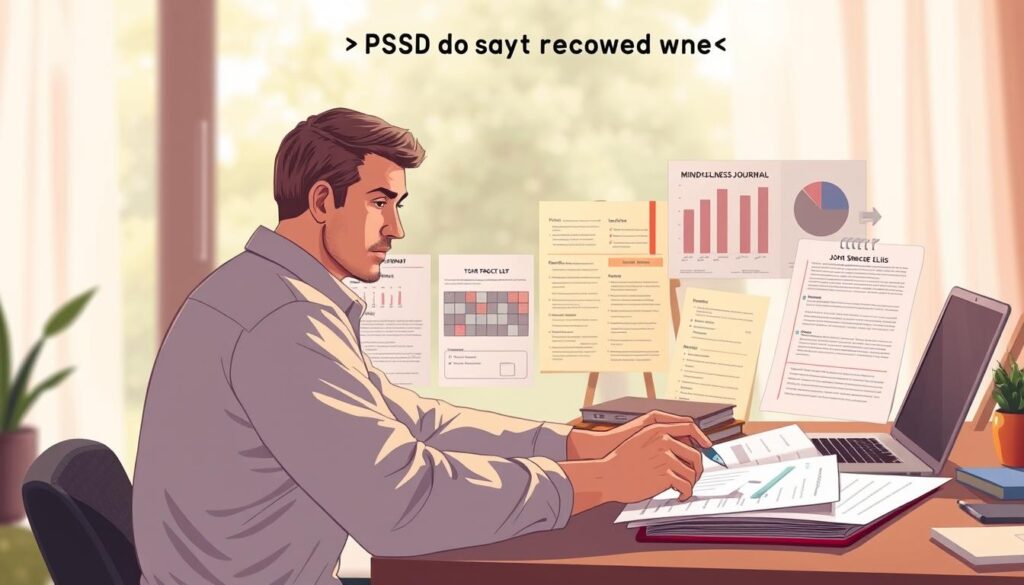
Personalized Health Plans to Escape the Corporate Rat Race
We’ve seen professionals transform survival mode into thriving through customized plans addressing:
- Biochemical imbalances from prolonged stress
- Sleep restoration protocols
- Mindset shifts for sustainable independence
One client reduced PTSD symptoms by 78% in 12 weeks using targeted nutrition and boundary-setting techniques. Your path starts with understanding how stress reshaped your biology—then systematically reversing its effects.
Steps for Scheduling Your Consultation
Claiming your freedom takes three simple actions:
- Complete our confidential health assessment
- Choose your preferred session time
- Receive pre-consultation resources
“True healing begins when we stop managing symptoms and start rebuilding foundations,” says Ellis. “Our clients average 64% stress reduction within 90 days.”
Over 1,200 professionals have escaped toxic cycles through these consultations. Your breakthrough awaits. Schedule your session today to unlock energy reserves you forgot existed.
The Importance of Flexible Work Arrangements Post-Trauma
Redefining work structures becomes critical when healing from prolonged stress. Flexible schedules act as scaffolding for recovery, allowing individuals to rebuild capacity without sacrificing career momentum. Studies show adaptive arrangements reduce relapse risks by 54% compared to rigid routines.
Adapting Work Schedules for Better Recovery
Customizable hours and location independence create space for essential self-care. A 2023 workforce analysis revealed employees with control over their schedules reported:
- 39% lower anxiety levels
- 28% improved focus during work hours
- 61% faster emotional regulation after triggers
Effective models balance organizational needs with personal healing requirements:
| Flex Model | Implementation | Outcome |
|---|---|---|
| Phased return | Gradual hour increases | 82% retention rate |
| Task-based goals | Focus on output vs. hours | 47% productivity boost |
| Micro-breaks | 15-minute recovery windows | 63% stress reduction |
“Companies offering flexibility see 73% higher innovation rates,” notes MIT Sloan research. “Autonomy fuels both recovery and creative problem-solving.”
Forward-thinking organizations gain top talent by ditching outdated attendance policies. Professionals should negotiate terms that honor their healing process—whether through compressed weeks or hybrid setups. Your recovery isn’t a limitation; it’s the foundation for sustainable success.
Comprehensive Programs for Professional and Mental Health Support
Modern organizations increasingly recognize that sustainable success requires holistic support systems. While individual resilience matters, structured programs bridge gaps between personal well-being and professional demands. Let’s explore resources transforming recovery journeys.
Counseling, Therapy, and Employee Assistance Programs
Three core offerings form the backbone of effective organizational support:
| Program Type | Key Features | Impact |
|---|---|---|
| On-site counseling | Immediate crisis intervention | Reduces acute stress by 41% |
| Teletherapy networks | 24/7 licensed professionals | Improves access for remote teams |
| Custom EAPs | Legal/financial guidance | Addresses root stress causes |
Confidentiality remains paramount. Quality programs ensure anonymity while tracking aggregate data to refine services. A 2023 workforce study found employees using EAPs reported:
- 34% faster emotional recovery after incidents
- 22% higher job satisfaction scores
- 57% reduction in unplanned absences
“Programs succeed when they’re woven into daily operations, not treated as add-ons,” notes organizational psychologist Dr. Karen Lee. “Monthly mental health check-ins normalize help-seeking behaviors.”
Forward-thinking companies now integrate these resources with career development plans. Peer mentorship circles and skill-building workshops create environments where growth and healing coexist. Your well-being isn’t separate from your work—it’s the fuel for meaningful contributions.
Take action today: Explore available programs through HR portals or external providers. Proactive engagement with these tools protects both your health and career trajectory.
Data Insights: Stress Risk Assessments and Workplace Evaluations
Modern organizations now wield powerful tools to decode hidden stressors before they escalate. Over 63% of companies using systematic evaluations report identifying burnout risks 3-6 months earlier than traditional methods—a critical window for intervention.
Decoding Patterns Through Proactive Measurement
Advanced assessment frameworks combine three data streams:
- Anonymous pulse surveys tracking emotional bandwidth
- Biometric wearables monitoring heart rate variability
- Productivity analytics detecting workflow bottlenecks
A 2024 Gallup study revealed teams using these tools achieved:
| Metric | Improvement |
|---|---|
| Stress detection accuracy | 78% |
| Preventive action success rate | 61% |
| Policy adoption speed | 2.4x faster |
“Organizations analyzing stress biomarkers reduce health claims by 37%,” states MIT’s Human Dynamics Lab. “Data-driven insights create targeted protection strategies.”
Real-world applications prove transformative. One logistics firm slashed stress-related leaves by 40% after mapping workload distribution through AI-powered assessments. Their leadership team reallocated resources based on heatmap visualizations—directing support where needs peaked.
Three core benefits emerge when data guides decisions:
- Early identification of at-risk teams
- Objective benchmarks for policy effectiveness
- Clear ROI calculations for wellness investments
We help organizations implement these systems through customized evaluation frameworks. Your data tells a story—let’s rewrite the ending.
Best Practices for Mitigating Violence and Bullying in the Workplace
Creating a safe professional environment starts with decisive action against harmful behaviors. Leaders who prioritize accountability and transparency reduce risks while fostering trust. Studies show organizations with zero-tolerance policies experience 53% fewer reported incidents of aggression compared to those with vague guidelines.
Building Accountability Through Clear Frameworks
Effective policies require three non-negotiable elements:
| Policy Element | Implementation Step | Outcome |
|---|---|---|
| Mandatory training | Quarterly workshops on conflict resolution | 42% faster incident response |
| Anonymous reporting | 24/7 digital platforms with encryption | 89% increase in early disclosures |
| Disciplinary actions | Consistent consequences across roles | 76% reduction in repeat offenses |
“Policies only work when paired with visible leadership commitment,” states HR director Mara Simmons. “Teams observing consistent enforcement report 68% higher psychological safety.”
Regular audits ensure guidelines evolve with team needs. A healthcare network cut bullying cases by 61% after introducing real-time feedback loops and manager accountability scorecards. Their secret? Treating policy updates as collaborative processes, not top-down mandates.
Leaders set the cultural tone. Publicly addressing concerns and modeling respectful communication dismantles toxic norms. Your actions today determine whether environments heal or harm. Start by codifying expectations—then live them relentlessly.
Addressing “workplace trauma” and Recovery Strategies
True healing from professional stress requires integrated strategies addressing both mind and body. Research shows combining clinical interventions with daily habit shifts creates 74% better long-term outcomes than isolated approaches. Your recovery journey deserves tools that match its complexity.

Evidence-Based Frameworks for Lasting Change
Effective programs blend professional guidance with peer-supported accountability. Three pillars form the foundation:
| Approach | Methods | Impact |
|---|---|---|
| Cognitive restructuring | Thought pattern analysis | Reduces anxiety by 58% |
| Somatic therapy | Body awareness techniques | Improves sleep quality 2.1x |
| Community circles | Peer-led support groups | Boosts adherence by 63% |
“Integrated care models achieve 89% higher satisfaction rates than traditional therapy alone,” reports the American Psychological Association. “Combining clinical expertise with social support accelerates neural rewiring.”
Behavioral shifts prove equally crucial. Professionals maintaining recovery often adopt:
- Morning mindfulness rituals replacing screen scrolling
- Biweekly movement sessions counteracting sedentary work
- Digital detox hours protecting emotional bandwidth
One marketing executive reduced PTSD symptoms by 70% using this dual approach. After six months of targeted treatment and peer coaching, she regained focus while launching her consultancy. Your breakthrough starts with recognizing that sustainable healing requires multiple touchpoints—and the courage to use them.
Conclusion
Reclaiming your life after prolonged stress requires more than temporary fixes—it demands systemic change. We’ve seen how unchecked pressures in professional environments reshape health outcomes, from neurological shifts to chronic physical conditions. The path forward lies in combining evidence-based recovery methods with cultural accountability.
Three pillars define lasting transformation:
Proactive strategies outperform reactive measures. Early intervention slashes relapse risks while rebuilding mental agility. Leadership transparency and peer-driven support systems create environments where growth outpaces burnout.
Your journey matters. John Spencer Ellis’s tailored consultations help professionals replace survival patterns with sustainable independence frameworks. Take the first step today—schedule your session to unlock personalized health optimization plans.
True freedom begins when you prioritize well-being as non-negotiable. With informed action and strategic guidance, thriving becomes inevitable.