
Burnout is a growing concern, affecting millions of people worldwide. According to a recent study by Asana, 70% of knowledge workers experienced burnout in the last year, with multiple generations struggling—84% of Gen Zs, 74% of Millennials, and 47% of Baby Boomers reporting burnout.
We understand that escaping the cycle of burnout requires more than just recognizing the symptoms; it demands a comprehensive approach to reclaiming your energy, purpose, and satisfaction in both work and life. With coaching from experts like John Spencer Ellis, you can ensure a successful transition towards a healthier, more balanced lifestyle.
Burnout often goes hand-in-hand with mental health challenges like depression, anxiety, and exhaustion. It’s crucial to address these issues and develop strategies for long-term wellbeing.
Key Takeaways
- Understanding the difference between everyday work stress and true burnout.
- Identifying where you stand on the burnout spectrum and its implications for your recovery.
- Recognizing how burnout uniquely affects men and the societal expectations that can hinder recovery.
- A comprehensive roadmap for immediate relief and long-term lifestyle changes.
- Personalized support through coaching to break free from the burnout cycle.
Understanding the Corporate Burnout Crisis for Men
The modern workplace is breeding a burnout crisis, particularly among men, due to various socio-economic factors. As we navigate the complexities of corporate environments, it’s becoming increasingly clear that men are significantly affected by burnout.
The Rising Epidemic in American Workplaces
Burnout has reached alarming levels in American workplaces. According to the Asana report, 40% of workers believe burnout is an inevitable part of success. The statistics are particularly concerning across different generations: 25% of Gen Zs, 13% of Millennials, 13% of Gen Xs, and 8% of Baby Boomers reported feeling emotionally distressed with low levels of wellbeing. These figures underscore the widespread nature of the burnout crisis.
The economic and cultural factors that have intensified workplace demands over the past decade have created environments where burnout has become increasingly common and even normalized. We need to examine these factors closely to understand the root causes of burnout.
| Generation | Percentage Reporting Emotional Distress |
|---|---|
| Gen Zs | 25% |
| Millennials | 13% |
| Gen Xs | 13% |
| Baby Boomers | 8% |
How Men Experience Burnout Differently
Men experience and express burnout symptoms differently, often masking emotional exhaustion behind physical complaints or performance issues due to socialized expectations of male strength and resilience. This masking can lead to delayed acknowledgment and treatment of burnout, exacerbating the problem.
Traditional masculine ideals can prevent men from acknowledging burnout symptoms early, leading to more severe cases that require longer recovery periods. It’s crucial to address these cultural barriers to facilitate early intervention and support.
By understanding how men experience burnout differently, we can develop targeted strategies to address the unique challenges they face in the corporate world.
Recognizing the Warning Signs Before It’s Too Late
In the high-pressure environment of corporate America, recognizing the warning signs of burnout is not just beneficial – it’s necessary. We often overlook the initial signs, attributing them to stress or a heavy workload, but it’s crucial to understand that burnout is a state of emotional, mental, and physical exhaustion caused by prolonged stress.

Physical Symptoms You Shouldn’t Ignore
The physical symptoms of burnout can be subtle at first but escalate if not addressed. Common signs include chronic fatigue, sleep disturbances, digestive issues, frequent headaches, and unexplained muscle tension or pain. These symptoms are often dismissed as minor issues, but they can be critical indicators of burnout.
As Dr. Herbert Freudenberger, who coined the term burnout, once said, “The burnout syndrome is a state of fatigue or frustration brought about by devotion to a cause, way of life, or relationship that has failed to produce the expected reward.”
“The burnout syndrome is a state of fatigue or frustration brought about by devotion to a cause, way of life, or relationship that has failed to produce the expected reward.”
Mental and Emotional Red Flags
Burnout also manifests through mental and emotional changes. Men experiencing burnout may feel increasingly cynical or detached from their work, exhibit irritability, or feel a growing sense of ineffectiveness despite their efforts. These symptoms can significantly impact personal and professional relationships.
| Mental/Emotional Symptoms | Description |
|---|---|
| Cynicism | A negative, hopeless outlook towards work or life |
| Detachment | Feeling disconnected from work or activities once enjoyed |
| Irritability | Increased sensitivity and frustration, often leading to mood swings |
Performance Decline: When Work Starts to Suffer
A significant indicator of burnout is a decline in work performance. As exhaustion and stress mount, tasks that were once manageable become overwhelming, leading to decreased productivity and efficiency. Recognizing this decline is crucial, as it can create a vicious cycle where poor performance exacerbates burnout, further impacting work quality.
By understanding these warning signs – physical, mental, emotional, and performance-related – men can take proactive steps towards addressing burnout before it’s too late. It’s about acknowledging the symptoms, understanding their impact, and taking action to reclaim their well-being and professional satisfaction.
The Science Behind Corporate Burnout Recovery
Understanding the science behind corporate burnout recovery is crucial for men to regain their health and well-being. Burnout is not just a state of mind; it’s a condition with deep physiological roots that affect the body and mind.
Physiological Impact of Chronic Stress
Chronic stress, a precursor to burnout, triggers our fight-or-flight response, leading to measurable changes in brain function, hormone production, and immune system response. In men, this can manifest differently than in women, with variations in cortisol patterns and autonomic nervous system activation influencing both the development of burnout and the recovery process. The concept of allostatic load—the cumulative burden of chronic stress—explains how prolonged exposure to stressors depletes the body’s resources, ultimately leading to burnout symptoms.
The Recovery Timeline
The recovery timeline from burnout varies significantly among individuals, depending on factors such as the severity of burnout, the presence of support systems, and the effectiveness of the recovery strategies employed. Generally, recovery can take anywhere from a few months to several years. It’s essential to understand that healing is a process rather than an event, and patience is key. Biological markers of recovery, such as improved sleep quality and normalized cortisol rhythms, provide concrete measures of progress.
By understanding the science behind burnout and the recovery process, men can better navigate their journey towards healing. Factors such as social support networks, financial stability, and existing healthy habits play a significant role in accelerating recovery. Thus, a comprehensive approach that addresses both physiological and psychological aspects is crucial for effective burnout recovery.
Essential First Steps to Break the Burnout Cycle
Men can break the burnout cycle by following a structured approach that focuses on acknowledging burnout, distancing themselves from stressors, and rejuvenating their physical health. This comprehensive strategy is crucial for recovering from burnout and regaining overall well-being.
Acknowledging You’re Burned Out
Acknowledging burnout is the first critical step towards recovery. It’s essential to recognize the signs of burnout without shame, understanding that it’s a legitimate health concern rather than a personal weakness. Men often struggle with this acknowledgment due to societal expectations, but it’s a crucial step in the recovery process.
Creating Distance from Your Stressors
Creating distance from workplace stressors is vital. This can be achieved through formal leave options, boundary setting, or strategic workload management. By putting space between themselves and their stressors, men can begin to alleviate the chronic stress that contributes to burnout. This distance is a necessary step towards healing and restoration.

Rebuilding Your Physical Health Foundation
Rebuilding physical health is foundational to burnout recovery. Sleep restoration is particularly crucial, as less than six hours of sleep per night can significantly increase the risk of mental distress. Men should focus on optimizing their sleep through environmental adjustments and behavioral modifications. Additionally, nutritional support and gentle physical activity protocols can help restore energy and combat physical and mental exhaustion.
By focusing on these essential first steps, men can begin to break the burnout cycle and embark on a path towards recovery and improved overall health. It’s a journey that requires patience, self-awareness, and a commitment to making lasting changes.
Five Powerful Recovery Techniques for the Corporate Man
Recovering from corporate burnout requires a multi-faceted approach, and we’re here to explore five powerful techniques tailored specifically for the modern corporate man. Burnout is characterized by feeling ineffective and incapable, so it’s crucial to address both the physical and emotional aspects of well-being.
Mastering the Art of Detachment
Detachment from work-related tasks is crucial for recovery. Research shows that engaging in work-related activities on weekends can detract from well-being and energy levels. Psychological detachment allows men to mentally disconnect from job responsibilities during off-hours, facilitating recovery. By doing so, individuals can reduce the risk of chronic stress and its negative impact on mental health.
Strategic Relaxation Practices
Traditional meditation may not be suitable for everyone, especially high-achieving men. Strategic relaxation practices, such as active relaxation techniques that align with masculine energy patterns, can be more effective. These practices help manage stress and promote relaxation, contributing to overall well-being.
Reclaiming Your Sense of Mastery and Control
Burnout often leaves individuals feeling trapped and out of control. Engaging in activities that reinforce abilities, skills, and talents can help restore a sense of mastery and confidence. By doing so, men can counteract the helplessness often experienced during burnout.
Rebuilding Meaningful Connections
Neglecting social connections is common during periods of overwork. Rebuilding relationships with friends and family is vital for recovery. Men can benefit from practical approaches that help them reconnect with others, even if they find social vulnerability challenging.
Incorporating Daily Fun and Pleasure
Incorporating daily fun and pleasure into one’s routine can enhance recovery and prevent future burnout episodes. By prioritizing enjoyment, men can shift their focus away from stress and toward activities that bring them joy and fulfillment.
By incorporating these five recovery techniques into daily life, corporate men can take a proactive approach to managing stress and preventing burnout. It’s about finding a balance that works for each individual, allowing them to feel like themselves again.
| Recovery Technique | Benefits | Example Activities |
|---|---|---|
| Mastering Detachment | Reduces chronic stress, improves mental health | Hobbies, outdoor activities, meditation |
| Strategic Relaxation | Manages stress, promotes relaxation | Yoga, deep breathing exercises, progressive muscle relaxation |
| Reclaiming Mastery | Restores confidence, sense of control | Learning new skills, creative pursuits, sports |
| Rebuilding Connections | Strengthens social bonds, reduces feelings of isolation | Spending time with friends and family, joining social groups |
| Incorporating Fun | Enhances recovery, prevents future burnout | Engaging in hobbies, trying new activities, travel |
“The greatest wealth is health.” – Virgil
By adopting these techniques and making them a part of daily life, men can not only recover from burnout but also build resilience against future episodes. It’s a journey that requires commitment, but the rewards are well worth the effort.
Restructuring Your Work Life for Sustainable Success
Restructuring your work life is a critical step towards recovering from burnout and regaining control over your professional and personal life. We must acknowledge that the COVID-19 pandemic has significantly blurred the lines between our work and personal life, making it even more challenging to establish and maintain healthy boundaries.
To achieve sustainable success, we need to focus on setting boundaries that stick, renegotiating our professional responsibilities, and understanding when it’s time to consider a career change. By doing so, we can prevent the recurrence of burnout and create a more balanced work-life equation.
Setting Boundaries That Stick
Establishing firm workplace boundaries is crucial, especially after experiencing burnout. We need to identify our limits and communicate them effectively to our supervisors, colleagues, and clients. This involves being clear about our work hours, availability, and workload capacity. By setting these boundaries, we can protect our time and energy, reducing the likelihood of future burnout.
To make these boundaries stick, we must be consistent and assertive in enforcing them. This may involve setting digital boundaries, such as not checking work emails or taking work calls outside work hours, to prevent the 24/7 work cycle that contributes to burnout.
Renegotiating Your Professional Responsibilities
Upon returning from burnout, it’s essential to renegotiate our workload and responsibilities. We should assess our tasks and projects, identifying areas where we can delegate or adjust our responsibilities to achieve a more sustainable workload. This may involve discussing our needs with our supervisors or exploring flexible work arrangements that can help us manage our work-life balance more effectively.
By advocating for sustainable working conditions, we can not only prevent future burnout but also enhance our productivity and job satisfaction. It’s about finding a balance that allows us to excel in our roles without compromising our well-being.
When to Consider a Career Change
Sometimes, burnout can be a signal that it’s time for a more significant change, such as a career change. We need to evaluate whether our current position can be modified to better align with our needs and goals or if it’s time to explore new opportunities. This involves reflecting on our values, skills, and aspirations to determine the best course of action.
For those considering a career change, seeking career change coaching for men can provide valuable guidance and support. It’s about making an informed decision that aligns with our personal and professional goals, leading to a more fulfilling career.
Professional Support Options for Corporate Burnout Recovery
Men experiencing corporate burnout may find that professional support options are essential for a successful recovery. As organizations increasingly recognize the importance of mental health, resources available to help manage burnout have expanded significantly.
Over the last five years, there’s been a notable increase in companies providing mental health resources, including virtual counseling and therapy services. This shift acknowledges the need for accessible support in managing burnout.
When to Seek Therapeutic Intervention
Recognizing when self-directed recovery isn’t enough is crucial. Indicators that professional help is needed include persistent feelings of hopelessness, significant impairment in daily functioning, and a lack of improvement despite trying various recovery techniques.
Therapeutic approaches such as cognitive behavioral therapy (CBT), mindfulness-based stress reduction (MBSR), and somatic experiencing can be particularly effective in addressing burnout.
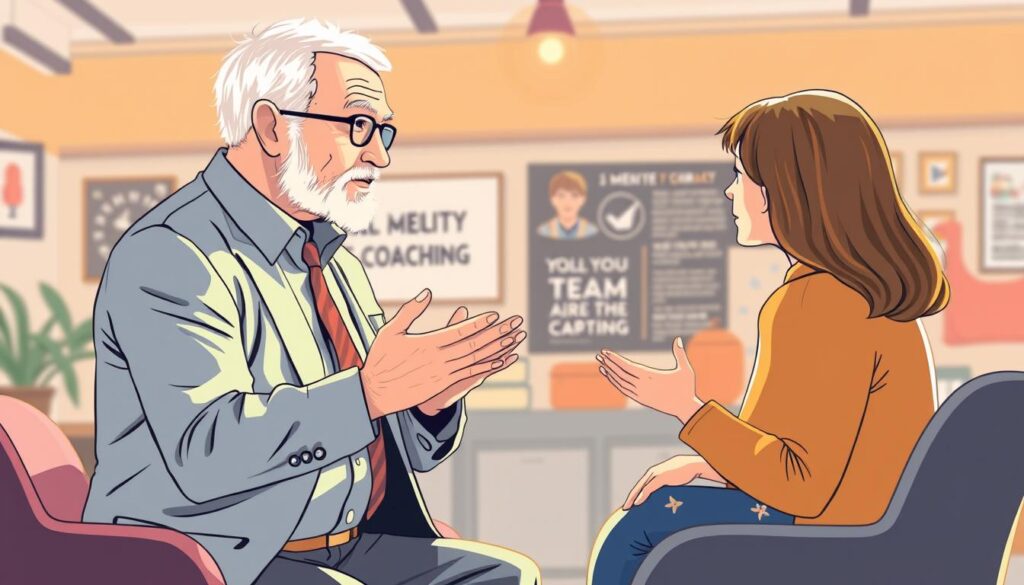
Executive Coaching with John Spencer Ellis
John Spencer Ellis offers specialized executive coaching tailored to men in high-pressure corporate environments. His coaching methodology focuses on accelerating escape from the corporate rat race while maintaining professional success and financial stability.
Utilizing Workplace Resources and Leave Options
Navigating workplace resources is a critical step in burnout recovery. This includes accessing employee assistance programs (EAPs), negotiating leave options, and effectively utilizing health insurance benefits.
Advocating for burnout prevention resources within your organization is also vital. The trend towards corporate wellness programs is growing, and employees can play a role in shaping these initiatives.
By leveraging these professional support options, men can take a proactive approach to recovering from corporate burnout and achieving a healthier work-life balance.
Conclusion: Building a Burnout-Resistant Future
By understanding the intricacies of burnout and implementing effective recovery techniques, men can pave the way for a healthier, more balanced future. The recovery process itself builds resilience against future burnout episodes by developing greater self-awareness and more effective stress management techniques.
To achieve a burnout-resistant lifestyle, it’s essential to strike a balance between professional achievement and personal wellbeing. This involves redefining success to include sustainability and wellbeing, rather than just achievement and advancement. Working with professionals like John Spencer Ellis can provide ongoing support in maintaining this balance while pursuing ambitious professional goals.
Becoming an advocate for burnout prevention within your organization can create positive change, benefiting both yourself and your colleagues. View burnout recovery as an opportunity for transformative growth and a more authentic, fulfilling life. By doing so, you can ensure a successful escape from the rat race and achieve the lifestyle freedom you desire.