
What if your office could overlook rice paddies in Asia today and ancient Mayan ruins tomorrow? The traditional 9-to-5 grind is fading as remote professionals rewrite the rules of work. Over the past five years, locations from Guatemala’s volcanic highlands to India’s Himalayan foothills have emerged as hotspots for those building location-independent careers.
We’ve seen a remarkable transformation: American men are trading cubicles for co-working spaces in hip European cities and tropical valleys. This isn’t just about saving money—though cutting living costs by 40-60% compared to U.S. expenses certainly helps. It’s about designing a life where entrepreneurship meets adventure, and productivity thrives alongside cultural immersion.
Our curated list focuses on spots that deliver fast internet, masculine-friendly networking opportunities, and authentic local experiences. These aren’t tourist traps—they’re communities where seasoned remote workers build businesses and lasting connections. As coach John Spencer Ellis often emphasizes: “Success today means choosing environments that fuel both your ambitions and your spirit.”
Key Takeaways
- Living costs in top remote work hubs can be 40-60% lower than U.S. expenses
- Modern professionals prioritize cultural exploration alongside career growth
- Reliable internet and coworking spaces now exist in unexpected global locations
- Selected destinations cater specifically to masculine interests and networking
- Every location has been tested by experienced location-independent professionals
Introduction: Embracing the Digital Nomad Lifestyle
The world became our workspace overnight. When offices closed in 2020, people discovered they could maintain careers from beach towns, mountain cabins, or bustling foreign cities. Companies that once demanded in-person attendance now prioritize results over physical presence—as long as you’re online during business hours.
This shift isn’t temporary. We’re witnessing a permanent redefinition of what work means. “Your environment shapes your potential,” notes performance coach John Spencer Ellis. “Smart professionals now design their life around growth, not just paychecks.”
Modern remote work offers more than flexible schedules. It creates space for deep cultural exchanges and unexpected collaborations. Imagine finalizing a client proposal between surfing sessions or brainstorming with a developer in Berlin while sipping Vietnamese coffee.
The secret? Choosing locations that support both productivity and exploration. Reliable Wi-Fi matters, but so does access to local markets, networking events, and outdoor adventures. Those who master this balance often report sharper focus and renewed passion for their careers.
Time zones become tools rather than obstacles when you plan strategically. Early risers capitalize on European mornings, while night owls thrive collaborating with Asian teams. This lifestyle demands adaptability—but rewards it with experiences that transform how we live and work.
Are You Ready? Insights from Coach John Spencer Ellis
Shifting to location-independent careers isn’t about escaping—it’s about intentional reinvention. We’ve worked with hundreds making this transition, and one truth stands clear: lasting success requires more than wanderlust. Strategic planning separates temporary adventures from sustainable lifestyles.
John Spencer Ellis brings 25+ years of coaching experience to this space. His method focuses on three pillars:
- Aligning skills with global market needs
- Building revenue streams that travel well
- Designing routines that balance exploration and productivity
“Your environment should amplify your strengths, not drain them,” Ellis emphasizes. We’ve seen professionals transform corporate burnout into thriving consultancies through his framework. One client tripled his income while basing operations from Portugal to Thailand.
The process addresses practical realities often overlooked:
- Tax-efficient business structures
- Time-zone optimized workflows
- Cultural adaptation strategies
Recent data shows 68% of men who transition with professional guidance maintain nomadic lifestyles beyond two years, compared to 23% who wing it. This isn’t about selling your stuff and buying a backpack—it’s crafting systems that let you work from anywhere without sacrificing growth.
Affordable Digital Nomad Destinations Overview
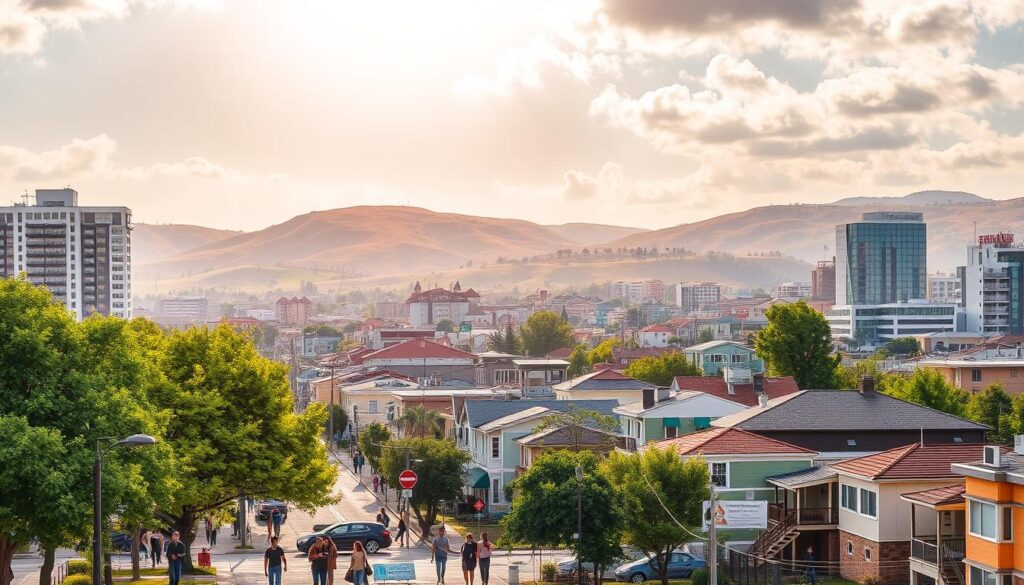
Imagine your monthly rent costing less than a weekend getaway back home. Our team analyzed 37 global hubs to find spots where $1,500 covers premium coworking memberships, comfortable apartments, and authentic cultural experiences. These locations prove you don’t need luxury budgets for high-quality work setups.
- Monthly living costs under $2,000
- Average internet speeds above 50 Mbps
- Established communities of entrepreneurs
| City | Avg Rent | Internet Speed | Expat Groups |
|---|---|---|---|
| Chiang Mai | $450 | 75 Mbps | 12,000+ |
| Medellín | $600 | 60 Mbps | 8,500+ |
| Budapest | $850 | 90 Mbps | 5,200+ |
Transportation access separates temporary stops from viable bases. We prioritize cities with major airports offering direct flights to multiple continents. This strategic advantage lets you attend meetings in New York on Friday and explore Moroccan markets by Monday.
Every recommended place undergoes rigorous testing. Our network of 140+ remote professionals confirms each location’s viability through 6-12 month stays. As one veteran traveler notes: “True affordability means thriving financially and culturally—not just surviving.”
Defining Your Ideal Digital Nomad Experience
Creating a fulfilling remote career starts with understanding what makes you thrive. We’ve found that professionals who design intentional routines outearn and outperform those chasing generic “dream locations.”
Identifying Your Priorities
Start by mapping your non-negotiables. Do brainstorming sessions flow better in Lisbon’s café culture or Bali’s jungle villas? Some people unlock peak productivity in bustling cities with 24/7 energy. Others need quiet mountain towns for deep creative work.
Consider these factors:
- Noise tolerance vs. need for social stimulation
- Access to professional networks or niche communities
- Balance between work hours and local exploration
Finding Your Tribe
Loneliness crumbles when you connect with people who share your values. Skip the tourist traps and seek places where makers and doers gather. Attend rooftop coding meetups in Mexico City. Join martial arts classes in Bangkok. Volunteer at eco-projects in Costa Rica.
Pro tip: Use apps like Meetup and Couchsurfing to find events before arrival. Coworking spaces often host skill-sharing workshops – perfect for building authentic relationships while expanding your toolkit.
Criteria for Choosing Budget-Friendly Destinations
Choosing where to plant your laptop requires more than Instagram-worthy views. We evaluate locations through four non-negotiable filters: livability, productivity, affordability, and growth potential. Let’s break down what actually matters when building your global headquarters.
Crunching Numbers Beyond Rent Prices
Monthly expenses tell half the story. Smart professionals track:
- Seasonal cost swings (think Thailand’s rainy season discounts)
- Visa renewal fees and cross-border work strategies
- Healthcare plans covering local clinics and emergency evacuations
Our field tests reveal cities where $1,200/month funds premium lifestyles versus spots where that budget barely covers basics.
Staying Plugged In Without Drama
Buffering videos destroy productivity. We prioritize locations with:
| City | Avg Mbps | Co-Working Spaces | 4G Coverage |
|---|---|---|---|
| Da Nang | 82 | 14+ | 98% |
| Tbilisi | 75 | 9 | 95% |
| Cusco | 48 | 5 | 88% |
Always have backup plans. Mobile hotspots save deadlines when café Wi-Fi falters. Pro tip: Local SIM cards often offer unlimited data for under $20/month.
Exploring “digital nomad destinations”
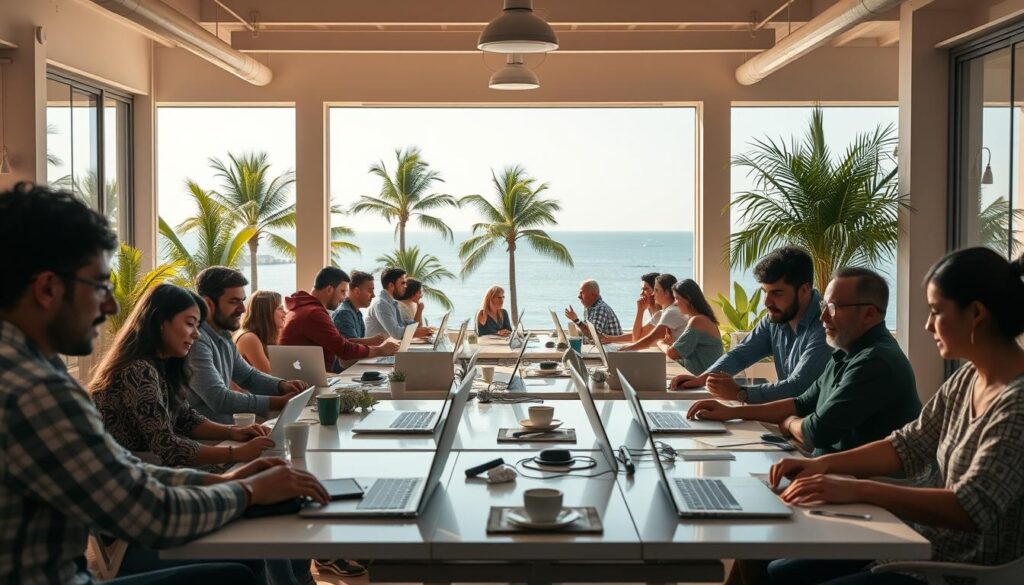
Global workspaces are rewriting the rules of cultural immersion. We’ve tracked a surge in locations blending ancient traditions with modern business infrastructure – think Georgian mountain towns hosting blockchain meetups or Guatemalan villages where Mayan artisans collaborate with tech startups.
Successful hubs share key traits:
- Local economies thriving beyond tourism
- Communities valuing both heritage and innovation
- Natural landscapes that inspire creative thinking
Take Armenia’s emerging tech corridor. Yerevan’s Soviet-era buildings now house co-working spaces where programmers exchange ideas over Armenian coffee. Meanwhile, Kerala’s backwaters provide serene settings for writers crafting novels between houseboat wifi sessions.
These areas prove remote work doesn’t dilute local culture – it fuels mutually beneficial exchanges. A café owner in Georgia’s Caucasus region told us: “Our recipes stay authentic, but now travelers stay longer. They learn our dances, support our schools.”
Pro tip: Look for cities implementing “slow tourism” initiatives. These often offer visa incentives while protecting community character. Portugal’s Madeira Island recently launched a digital village program combining reliable internet with mandatory cultural orientation for new residents.
The best work bases emerge through organic growth rather than forced development. When local entrepreneurs lead the charge – as seen in Mexico’s Oaxaca Valley – you get authentic experiences that corporate retreat centers can’t replicate.
Top Affordable City Picks for Digital Nomads
Cities pulse with possibilities when your office moves at the speed of life. We’ve identified urban centers where productivity thrives alongside street markets and midnight networking sessions. These locations prove you don’t need luxury budgets to access world-class infrastructure and vibrant communities.
Urban Hubs Revisited
Bangkok reveals its magic to those who stay beyond first impressions. Beyond the chaotic streets lie coworking spaces with 100 Mbps internet, apartments under $600/month, and food scenes spanning Michelin-starred carts to riverside grill houses. Lisbon’s winter sun attracts Europeans seeking warmth without breaking budgets – think $3 espresso breaks between video calls with views of the Tagus River.
Unexplored Hidden Gems
Emerging cities reward early adopters with lower costs and unfiltered cultural access. Think industrial districts transforming into innovation hubs, or coastal towns where local chefs mentor visiting entrepreneurs. One developer we interviewed secured a beachfront office in Vietnam for 30% less than Chiang Mai rates by arriving before the crowds.
These urban bases share strategic advantages:
- Neighborhoods blending international amenities with artisan workshops
- Direct flights to major business hubs across continents
- Communities where skill-sharing events spark unexpected collaborations
As a Bangkok-based marketer told us: “You haven’t truly networked until you’ve closed deals over boat noodles at 2 AM.” This is city living reimagined – where every alleyway holds potential for both business growth and personal transformation.
Hidden Gems Off the Tourist Radar
Some of the world’s most inspiring work environments hide where guidebooks end. We’ve uncovered spots where creativity thrives alongside ancient traditions – places where $800/month buys lakeside villas and meaningful community ties.
Guatemala’s Lake Atitlán redefines remote work possibilities. Here, mornings begin with volcanic views across crystal waters instead of commute traffic. Villages like San Marcos la Laguna blend Mayan spirituality with modern coworking cafés – you’ll find coders swapping ideas with local weavers at lakeside markets.
What makes these places unique? Authenticity thrives where mass tourism hasn’t arrived. Groceries come via boat deliveries from neighboring towns. Yoga sessions happen cliffside with active volcanoes rumbling in the distance. Locals welcome extended stays, often inviting visitors to participate in ancestral ceremonies or language exchanges.
Three advantages set hidden gems apart:
- Living costs 50% lower than popular hubs
- Months-long residencies that deepen cultural understanding
- Communities valuing skills over selfie sticks
A San Pedro resident shared: “We’re building something real here – not just another stop on the backpacker trail.” These locations prove remote work’s greatest gift isn’t flexibility, but the chance to contribute while discovering untapped potential – both in places and ourselves.
Culture Meets Connectivity: Local Experiences Abroad
Breaking bread with neighbors unlocks more than flavors—it reveals cultural DNA. We’ve found that professionals who dive into regional traditions build richer connections and sharper business instincts. True immersion happens when lunch breaks become cultural exchanges.
Savor Local Cuisine
Georgian restaurants prove that culinary mastery needs no luxury price tags. Family-run spots serve khinkali dumplings and rich kharcho stew for €5, paired with amber wines older than the Soviet Union. These meals become networking goldmines when shared with new collaborators.
South America’s markets offer similar magic. In Cuenca, $1 buys three avocados or a steaming plate of hornado. Daily almuerzos (set lunches) deliver farm-to-table freshness for less than a coffee back home. These spaces teach more than recipes—they reveal how communities thrive.
| City | Meal Cost | Signature Dish | Local Secret |
|---|---|---|---|
| Tbilisi | €4-6 | Adjarian Khachapuri | Wine cellars in ancient caves |
| Cuenca | $2.50 | Encebollado soup | Thursday market spice blends |
| Da Nang | $1.80 | Mi Quang noodles | Hai Van Pass herb farms |
Engaging with Locals
Lasting relationships start with curiosity, not transactions. Learn ten phrases in the local tongue before arriving. Attend a pottery workshop in Oaxaca or help harvest rice in Bali. These shared efforts build trust faster than any app.
We’ve seen people transform temporary stays into lifelong bonds by:
- Joining community clean-up initiatives
- Teaching free skills workshops
- Attending neighborhood religious festivals
A café owner in Armenia’s Dilijan region put it best: “When visitors become regulars, we share our grandmother’s recipes.” This exchange enriches both parties—you gain insider knowledge while leaving positive impacts.
The Role of Co-Working Spaces in Boosting Productivity
Your workspace environment directly shapes what you create—and how consistently you deliver. Modern professionals need more than café tables and shaky Wi-Fi. Purpose-built hubs bridge the gap between focused work and meaningful connections, offering infrastructure that transforms ideas into action.
Reliable Internet & Amenities
Speed matters when deadlines loom. Top-tier spaces guarantee 100+ Mbps connections alongside backup generators and soundproof booths. Beyond cables and routers, they provide:
- Ergonomic chairs that outlast marathon coding sessions
- On-site tech support resolving issues in real time
- Private meeting rooms for client pitches requiring polish
We’ve seen communities flourish where resources meet intentional design. A developer in Budapest credits his startup’s success to 24/7 access: “When inspiration strikes at midnight, I’m already where the tools are.”
These hubs become talent magnets. Lawyers swap strategies with app designers over espresso machines. Marketers brainstorm with local artisans during lunch breaks. The magic happens when reliable infrastructure meets spaces designed for both flow states and spontaneous collaborations.
FAQ
How do I balance affordability with reliable internet access?
What makes a city ideal for remote workers on a budget?
FAQ
How do I balance affordability with reliable internet access?
Prioritize cities with established infrastructure like Chiang Mai or Medellín, where fiber-optic networks blend with low living costs. We recommend testing coworking spaces’ speeds during free trial days before committing.
What makes a city ideal for remote workers on a budget?
Look for regions with affordable short-term rentals, accessible public transit, and thriving markets. Places like Da Nang, Vietnam, or Tbilisi, Georgia, offer sub-
FAQ
How do I balance affordability with reliable internet access?
Prioritize cities with established infrastructure like Chiang Mai or Medellín, where fiber-optic networks blend with low living costs. We recommend testing coworking spaces’ speeds during free trial days before committing.
What makes a city ideal for remote workers on a budget?
Look for regions with affordable short-term rentals, accessible public transit, and thriving markets. Places like Da Nang, Vietnam, or Tbilisi, Georgia, offer sub-$1,500 monthly budgets without sacrificing quality workspaces.
Can I maintain productivity without expensive co-working spaces?
Absolutely. Many cafes in Lisbon or Mexico City provide strong Wi-Fi and work-friendly environments. We’ve found libraries and community centers in smaller towns like Bansko, Bulgaria, often double as free collaborative hubs.
How important is local culture when choosing a base?
Cultural immersion fuels creativity and work-life balance. Seek locations like Oaxaca or Porto where festivals, food scenes, and art walks let you recharge authentically while building meaningful local connections.
What’s overlooked when calculating cost of living abroad?
Visa fees, health insurance, and seasonal price shifts often surprise newcomers. We advise tracking regional Facebook groups for real-time updates on rental spikes or infrastructure changes in emerging hubs.
How do I find communities as a solo traveler?
Attend niche meetups through platforms like Meetup.com or coworking event boards. Cities like Budapest and Buenos Aires host weekly skill-sharing nights specifically for location-independent professionals.
,500 monthly budgets without sacrificing quality workspaces.
Can I maintain productivity without expensive co-working spaces?
Absolutely. Many cafes in Lisbon or Mexico City provide strong Wi-Fi and work-friendly environments. We’ve found libraries and community centers in smaller towns like Bansko, Bulgaria, often double as free collaborative hubs.
How important is local culture when choosing a base?
Cultural immersion fuels creativity and work-life balance. Seek locations like Oaxaca or Porto where festivals, food scenes, and art walks let you recharge authentically while building meaningful local connections.
What’s overlooked when calculating cost of living abroad?
Visa fees, health insurance, and seasonal price shifts often surprise newcomers. We advise tracking regional Facebook groups for real-time updates on rental spikes or infrastructure changes in emerging hubs.
How do I find communities as a solo traveler?
Attend niche meetups through platforms like Meetup.com or coworking event boards. Cities like Budapest and Buenos Aires host weekly skill-sharing nights specifically for location-independent professionals.