
The traditional 9-to-5 grind is losing its appeal as more professionals embrace location-independent careers. We’re seeing men trade cubicles for co-working spaces on tropical beaches and mountain towns, reshaping what success looks like. This shift isn’t just about travel—it’s about designing a life that blends purpose, adventure, and professional growth.
Choosing where to base your remote work setup requires more than just picking spots off a map. Reliable internet, affordable living costs, and welcoming communities make certain locations stand out. Coach John Spencer Ellis emphasizes, “Your environment should fuel both productivity and personal fulfillment—that’s where true freedom begins.”
We’ve identified hotspots worldwide that offer unique advantages, from vibrant cities to serene coastal towns. Whether you prioritize networking opportunities or outdoor access, the right choice aligns with your goals and values. Let’s explore how to turn the world into your office while building a career that thrives without borders.
Key Takeaways
- Modern professionals are redefining success through location-independent careers
- Top destinations balance reliable infrastructure with cultural experiences
- Internet speed, visa policies, and community support are critical factors
- Coach John Spencer Ellis offers tailored strategies for transitioning to remote work
- Personal values should guide destination choices for long-term satisfaction
An Introduction to the Digital Nomad Lifestyle
Modern work culture has transformed dramatically in recent years. We’re witnessing a movement where professionals exchange rigid schedules for adaptable routines that prioritize freedom and self-direction. This shift goes beyond temporary escapes—it’s about redefining success through intentional living.
What It Means to Live Life on Your Terms
Choosing this path means valuing productivity over presence. Instead of clocking hours at a desk, success gets measured by results delivered. One software developer turned entrepreneur shared, “My best work happens when I control my environment—whether that’s a Lisbon café or a Bali co-working space.”
This approach requires developing three core skills:
- Self-management strategies for consistent output
- Clear communication across time zones
- Continuous learning to stay competitive
Why Men are Embracing Remote Careers
Traditional careers often limit growth opportunities. Remote work removes geographic barriers, letting professionals tap into global markets. We’ve found men particularly drawn to this model’s potential for:
1. Financial scalability through multiple income streams
2. Adventure integration into daily life
3. Community building with like-minded peers
Recent surveys show 68% of male remote workers report higher job satisfaction compared to office-based roles. The key lies in balancing structure with spontaneity—creating systems that support both career ambitions and personal exploration.
Defining the Ideal Digital Nomad Destination
Selecting the right base for remote work demands strategic evaluation of practical factors. Three elements separate temporary stops from transformative hubs: robust infrastructure, financial feasibility, and social ecosystems.
Essential Criteria: Connectivity, Cost, and Community
Consistent internet access remains non-negotiable. Video calls and cloud tools require speeds exceeding 25 Mbps. We prioritize locations with fiber-optic networks and backup options like 5G hotspots.
Affordability extends beyond rent. Our analysis includes:
- Groceries and dining costs
- Healthcare quality and pricing
- Transportation infrastructure
Visa policies make or break long-term plans. Countries offering one-year stays with simple renewal processes rank highest. Portugal’s D7 visa and Mexico’s temporary resident permit exemplify ideal frameworks.
| Location | Avg. Internet Speed | Monthly Budget | Community Score* |
|---|---|---|---|
| Lisbon, Portugal | 95 Mbps | $1,450 | 9.2/10 |
| Chiang Mai, Thailand | 50 Mbps | $1,100 | 8.7/10 |
| Playa del Carmen, Mexico | 30 Mbps | $1,300 | 7.9/10 |
*Based on coworking spaces, events, and social integration opportunities
Local networks prevent isolation. As entrepreneur Marko Peters notes, “My Bali mastermind group tripled my consulting clients in six months.” Regular meetups and skill-sharing events signal thriving ecosystems.
Insights from Coach John Spencer Ellis
Success in location-independent careers requires more than technical skills—it demands a blueprint for sustainable growth. We sat down with Coach John Spencer Ellis, whose proven strategies help professionals build thriving remote careers while avoiding common pitfalls.
Expert Advice for Aspiring Global Professionals
“Treat your career like a startup,” Ellis advises. “The most successful people create systems that generate value anywhere on Earth.” His approach focuses on three pillars:
- Revenue streams that outlast geography
- Skills commanding premium rates globally
- Networks providing stability during transitions
Many professionals make this shift without proper testing. Ellis recommends running operations from your home country first. “Prove your model works locally before adding cross-border complexities,” he stresses. This trial period reveals infrastructure needs and client communication gaps.
“Your online presence must scream professionalism louder than any office address. Clients should feel confident hiring you—whether you’re in Kansas or Kuala Lumpur.”
We’ve seen his methods help people master tax strategies and legal requirements across multiple regions. The key lies in balancing adventure with accountability—building careers that flourish through careful planning rather than chance.
Embracing Small Town Charm Over Big City Hubs
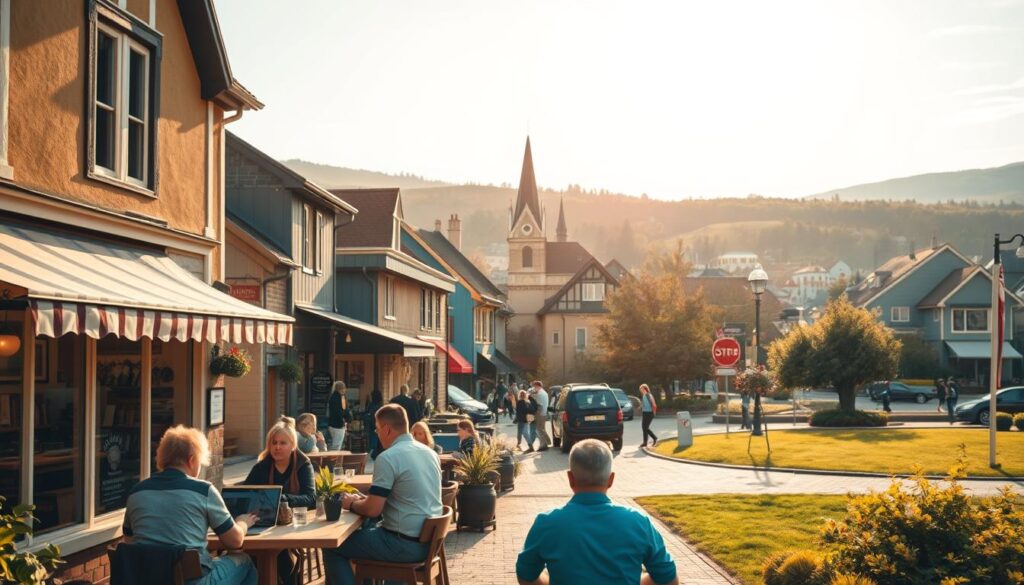
Urban centers once dominated the remote work conversation, but a quiet revolution is reshaping where professionals choose to thrive. We’re seeing growing interest in places like Hpa An, Myanmar and Salento, Colombia—locations offering rich cultural tapestries without the chaos of major cities.
Smaller communities deliver advantages big city hubs can’t match. Accommodation costs run 50-70% lower than metropolitan areas, freeing up budgets for experiences. You’ll find authentic interactions with local artisans and farmers markets replacing crowded tourist traps.
These places foster deeper connections. One developer shared: “In Salento, my barista knows my coffee order and my neighbor invites me to family dinners. That sense of belonging changes how I approach work.” Cleaner air and walkable streets add physical and mental space for creativity.
Resource availability surprises many. Co-working spots in towns like Hpa An often have reliable internet and ample seating—no jostling for outlets. Local businesses appreciate your patronage, leading to personalized service rarely found in large cities.
The slower pace encourages intentional living. Without hour-long commutes, you gain time for hikes through coffee plantations or volunteering at community centers. This balance between productivity and exploration defines the new frontier of location-independent careers.
Urban Versus Rural: Finding Your Perfect Environment
Choosing between urban energy and rural tranquility shapes more than your workspace—it defines your daily rhythm. We’ve seen professionals thrive in both settings, but success depends on aligning your environment with personal priorities and work demands.
The Appeal of Local Culture and History
Smaller communities let you dive deeper into regional traditions. In Tbilisi, Georgia, $300-600 monthly budgets cover apartments near 4th-century fortresses and sulfur bathhouses. You’ll taste khinkali dumplings at family-run eateries while discussing history with shop owners.
These places turn routine errands into cultural exchanges. Weekly markets become language lessons, and artisan workshops double as networking events. One writer shared: “Learning Georgian folk dance from my neighbor taught me more about storytelling than any masterclass.”
Balancing Work, Travel, and Leisure
Urban areas offer structured workspaces with built-in networking. Rural places demand intentional routines but reward with inspiration from nature. Consider these things when planning your week:
- Time-blocking for client calls across time zones
- Scheduling exploration days to prevent burnout
- Joining local skill-sharing groups
| Factor | Urban | Rural |
|---|---|---|
| Avg. Productivity Hours | 6.2/day | 7.8/day |
| Monthly Cost | $1,200+ | $600-$900 |
| Community Events | 15+/week | 2-3/week |
| Nature Access | 30+ min commute | Walkable |
For those seeking structured growth, strategies for remote professionals often blend location flexibility with proven routines. Whether coding beside Black Sea cliffs or brainstorming in Tbilisi’s jazz bars, your environment should amplify both work quality and life satisfaction.
Cost of Living and Investment Opportunities
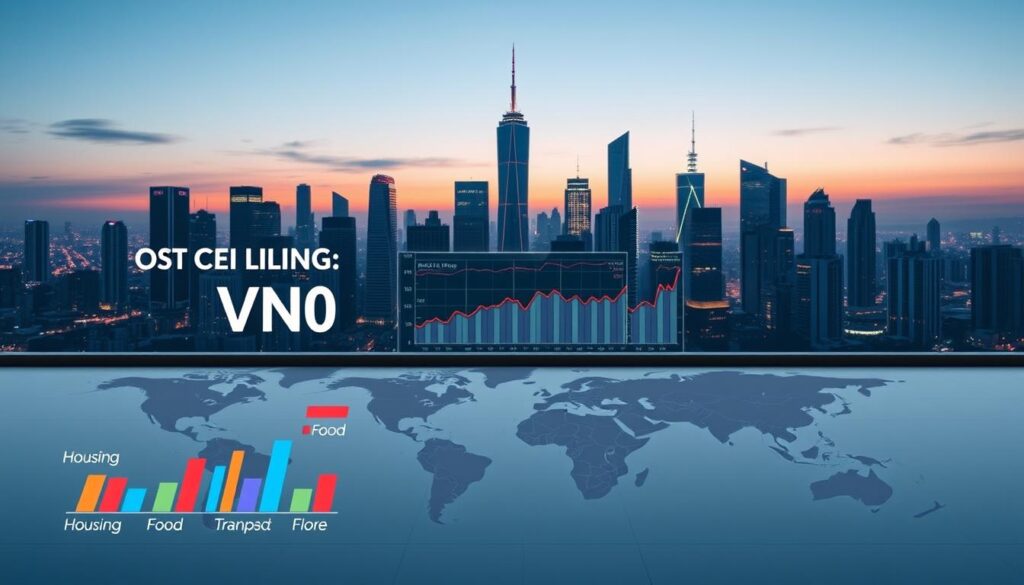
Smart budgeting becomes your passport to global opportunities. We’ve seen professionals stretch earnings further in emerging hubs while maintaining premium lifestyles. Take Plovdiv, Bulgaria—apartments here cost $300-600 monthly, with meals at local restaurants averaging $5-7. Pair that with 20th-ranked global internet speeds, and you’ve got a blueprint for sustainable living.
Where Every Dollar Works Harder
True financial freedom comes from understanding hidden expenses. Our research shows food budgets vary wildly: street vendors in Southeast Asia serve $2 noodles, while similar meals cost $15+ in tourist hotspots. For those who value social dining, complete three-course meals with drinks often stay under $10 in value-focused regions.
Consider these financial advantages:
- Rent savings up to 80% compared to New York or London
- Beer prices as low as $1-2 in Eastern Europe
- Healthcare costs reduced by 60% with comparable quality
A developer we interviewed shared: “My Plovdiv apartment has fiber internet and a mountain view. Back home, I’d pay triple for half the space.” This cost arbitrage lets professionals accelerate savings or invest in local real estate markets projected to grow 12% annually.
Savvy planners allocate funds for visa renewals, equipment upgrades, and quarterly trips home. By earning Western salaries in affordable living hubs, you’re not just surviving—you’re strategically positioning for long-term wealth creation.
Connectivity, Co-Working, and Infrastructure
Professionals need more than a laptop to build thriving remote careers. We’ve identified four pillars of successful operations: robust connectivity, adaptable workspaces, modern conveniences, and fail-safe systems.
Access to Reliable Internet and Modern Amenities
Internet reliability makes or breaks location-independent careers. While Romania’s 5th-ranked global speeds impress, Bulgaria’s 20th-place position combines affordability with consistency. “My video calls never buffer here,” notes a developer working from Sofia’s tech district.
Co-working spaces now serve as innovation hubs. Chiang Mai’s networks offer business-grade printers and soundproof booths alongside weekly pitch nights. These ecosystems help professionals:
- Secure clients through local referrals
- Access mentorship programs
- Troubleshoot tech issues instantly
| Location | Avg. Speed | Redundancy Options |
|---|---|---|
| Bucharest | 120 Mbps | 5G + Fiber |
| Chiang Mai | 85 Mbps | Dual WiFi Networks |
| Mexico City | 55 Mbps | Satellite Backup |
True preparedness means evaluating beyond WiFi bars. We prioritize locations with hospitals offering English-speaking staff and banks supporting multi-currency accounts. As one strategies for U.S. professionals guide explains, “Your backup plan needs its own backup plan.”
Ergonomic chairs and 24/7 security might seem excessive—until you’re debugging code at 3 AM. Modern workspaces blend comfort with professionalism, proving environment directly impacts output quality.
Digital Nomad Destinations: Tips for Staying Connected
Reliable connectivity forms the backbone of successful location-independent careers. While Myanmar’s Hpa An offers affordable 4G and steady speeds, emerging hubs like Auroville now provide robust options where evening blackouts once ruled. Your laptop’s potential depends on what surrounds it.
Choosing Locations with High-Speed Internet
Test before you settle. Use Speedtest.net, Fast.com, and Google’s tool to measure performance across different times and weather. Check your accommodation, nearby cafes, and co-working spots—always have backup plans for deadlines.
Graphic designers need 50+ Mbps for large files, while writers thrive on 10 Mbps. Mobile data saves the day in many regions: unlimited 4G plans under $20/month keep you online when WiFi falters.
Infrastructure varies wildly within countries. Capitals often outperform rural towns, though hidden gems exist. Prioritize rentals with direct fiber lines—shared networks crumble during peak hours. As one developer in Hpa An shared: “My $15 SIM card delivers faster uploads than half the coffee shops back home.”
Your workspace determines your output quality. Choose wisely, test relentlessly, and build networks that won’t fail when you need them most.