
The digital nomad lifestyle offers unparalleled freedom and flexibility, but maintaining a healthy work-life balance can be a constant challenge. Often, digital nomads find themselves grappling with feelings of guilt – guilt for working when they should be exploring, and guilt for exploring when they should be working. Debra Joy, an experienced entrepreneur and life coach, understands these struggles all too well.
“As a digital nomad, it’s easy to get caught up in the excitement of your travels and forget to prioritize your productivity,” says Debra. “But the key to success in this lifestyle is finding ways to streamline your workflow and create a sustainable daily routine.”
This is where John Spencer Ellis, a renowned digital nomad consultant, can provide invaluable guidance. Through personalized consultations, John helps individuals navigate the challenges of the digital nomad lifestyle and develop strategies to achieve work-life balance.
Key Takeaways:
- Striking a healthy balance between work and personal time is essential for the digital nomad lifestyle.
- Incorporating productivity tools and time management techniques can help digital nomads optimize their workflow.
- Engaging with local and online communities provides a valuable support network for digital nomads.
- Prioritizing self-care activities, such as exercise and meditation, can reduce stress and enhance well-being.
- Leveraging cloud technology and creating a dedicated workspace can improve work efficiency and productivity.
Understanding the Digital Nomad Lifestyle Challenges
The digital nomad lifestyle, though alluring, comes with its fair share of challenges. As balancing work and travel becomes a constant juggling act, digital nomads often face a lack of structure and routine, leading to stress management issues.
Common Stress Factors
Without the traditional 9-to-5 framework, digital nomads can find themselves in a state of constant work or guilt when not working. According to recent statistics, 78% of digital nomads struggle with maintaining work-life balance due to the lack of structure in a conventional office setting.
The Reality of Remote Work Freedom
While the freedom to work from anywhere is a significant draw of the digital nomad lifestyle, the reality can often be different from the initial expectations. New cities and cultures can bring familiar stresses, and digital nomads may find themselves struggling to maintain productivity and a sense of purpose. Reliable internet connectivity is another challenge, with 82% of digital nomads reporting disruptions in work due to unreliable internet when working from various countries.
Time Zone Management Issues
Coordinating with clients or team members across different time zones can be a significant hurdle for digital nomads. This issue can lead to communication breakdowns, missed deadlines, and a general sense of disconnection. In fact, 64% of digital nomads face challenges managing time zones while collaborating with remote stakeholders.
As the digital nomad lifestyle continues to grow in popularity, it’s crucial for aspiring and current nomads to be aware of these challenges and proactively develop strategies to overcome them. By addressing these issues, digital nomads can create a more sustainable and fulfilling work-life balance.
Creating a Sustainable Daily Routine
Establishing a sustainable daily routine is crucial for digital nomads navigating the challenges of the remote work lifestyle. By designing a structured yet flexible schedule, digital nomads can maintain productivity and relaxation while effectively managing their time management.
Begin by setting aside dedicated work hours and days, creating a morning routine that includes an alarm and a review of the day’s tasks. This provides a sense of stability amidst the ever-changing environments digital nomads encounter. Allocate specific times for work, breaks, and leisure activities to strike a harmonious balance.
- Dedicate consistent hours and days to work
- Set a morning alarm and review to-do lists before starting work
- Incorporate regular breaks to maintain concentration and prevent burnout
Optimizing the workspace, whether in a coworking space or a home office, can significantly boost productivity. Ensure the area is quiet, comfortable, and well-organized, creating an environment conducive to focused work. Utilize productivity tools like Trello, Asana, and Todoist to streamline task management and maintain a sense of structure.
“Establishing a routine provides stability and helps optimize productivity for digital nomads amidst ever-changing landscapes.”
While embracing the flexibility of the digital nomad lifestyle, it’s crucial to set clear boundaries between work and personal time. Shutting down the laptop after work hours, putting it away, and maintaining defined work schedules can prevent burnout and foster a healthier work-life balance.
Incorporating self-care activities, such as daily exercise, meditation, and adequate sleep, nutrition, and hydration, can fortify both physical and mental well-being. Exploring new destinations and socializing with fellow nomads and local communities further enrich the digital nomad experience, providing a vital balance to the demands of remote work.
Work-life balance for nomads
As digital nomads, balancing work and personal life can be a constant challenge. However, with the right strategies, it’s possible to create a harmonious lifestyle that allows you to thrive both professionally and personally. The key lies in setting clear boundaries, managing client expectations, and carving out personal space, even in shared environments.
Setting Boundaries Between Work and Personal Time
Establishing distinct timeframes for work and leisure is essential for maintaining a healthy work-life balance. Debra Joy, a productivity coach who has lived in various locations as a digital nomad, emphasizes the importance of setting aside specific days for not working. This guilt-free time off can significantly enhance work efficiency.
Another crucial strategy is to focus on the top 1-3 priorities instead of overwhelming to-do lists. By streamlining tasks and scheduling work times in advance, digital nomads can increase productivity and reduce decision-making fatigue.
Managing Client Expectations
Effectively communicating work-life balance boundaries to clients and colleagues is key to maintaining a sustainable lifestyle. This might involve setting clear expectations around response times, availability, and project deadlines. By managing client expectations upfront, digital nomads can avoid the stress of constantly juggling work demands with personal needs.
Creating Personal Space in Shared Environments
When working and living in shared spaces, carving out personal time and areas is crucial for digital nomads. This could involve designating a specific workspace free of distractions or setting aside dedicated hours for relaxation and leisure activities. By creating this personal space, digital nomads can recharge and maintain their well-being, ultimately enhancing their overall productivity and work-life balance.
By implementing these work-life balance strategies, digital nomads can thrive in their chosen lifestyle, finding fulfillment in both their professional and personal pursuits. Remember, a balanced lifestyle is not just about working hard, but also about savoring the freedom and opportunities that the digital nomad lifestyle offers.
Establishing a Productive Workspace Anywhere
For digital nomads, creating a designated workspace free of distractions is crucial for maintaining productivity. Whether it’s a cozy corner in your rental apartment or a dedicated area in a coworking space, your workspace should be designed to minimize interruptions and maximize efficiency.
To set up a remote workspace setup that fosters productivity tips, consider the following strategies:
- Identify a quiet, well-lit spot that you can dedicate to work, away from high-traffic areas or potential sources of distraction.
- Ensure your workspace is ergonomically designed, with a comfortable chair, adjustable desk, and proper laptop or monitor positioning to prevent eye strain and physical discomfort.
- Organize your workspace efficiently, keeping essential items within easy reach and minimizing clutter to maintain a clear and focused environment.
- Leverage productivity-enhancing tools and apps, such as task management software, time-tracking applications, and automation solutions, to streamline your workflow and maximize your time.
By creating a distraction-free and organized remote workspace setup, digital nomads can significantly boost their productivity tips and achieve a greater sense of work-life balance, no matter where their adventures take them.
“The secret of getting ahead is getting started.” – Mark Twain
Remember, a well-designed and intentional workspace can be a game-changer for digital nomads, empowering them to thrive in their mobile lifestyle and deliver their best work.
Time Management Strategies for Digital Nomads
Effective time management is crucial for digital nomads navigating the ever-changing environments and time zones that can disrupt their routines and affect productivity. By leveraging productivity tools and applications, implementing task prioritization methods, and communicating effectively across time zones, digital nomads can achieve a sustainable work-life balance.
Productivity Tools and Applications
Digital nomads can utilize a variety of time management and productivity tools to stay organized and meet deadlines. These include time-tracking apps like Toggl, project management software such as Trello or Asana, and calendaring tools like Google Calendar. These applications help digital nomads manage their tasks, prioritize their work, and collaborate seamlessly with clients and team members.
Task Prioritization Methods
Prioritizing tasks is essential for digital nomads to make the most of their working hours. The Pareto Principle, also known as the 80/20 rule, suggests that focusing on the 20% of tasks that drive 80% of results can lead to significant improvements in time management. Digital nomads can also practice the “Eat that Frog” technique, tackling their most challenging tasks first thing in the morning to maintain productivity throughout the day.
Meeting Deadlines Across Time Zones
Meeting deadlines can be particularly challenging for digital nomads due to the complexities of working across different time zones. Maintaining a flexible routine, communicating effectively with clients, and utilizing tools like Slack and Zoom can help digital nomads coordinate their work and ensure timely project completion. Consistent and reliable internet access is also crucial for remote work success.
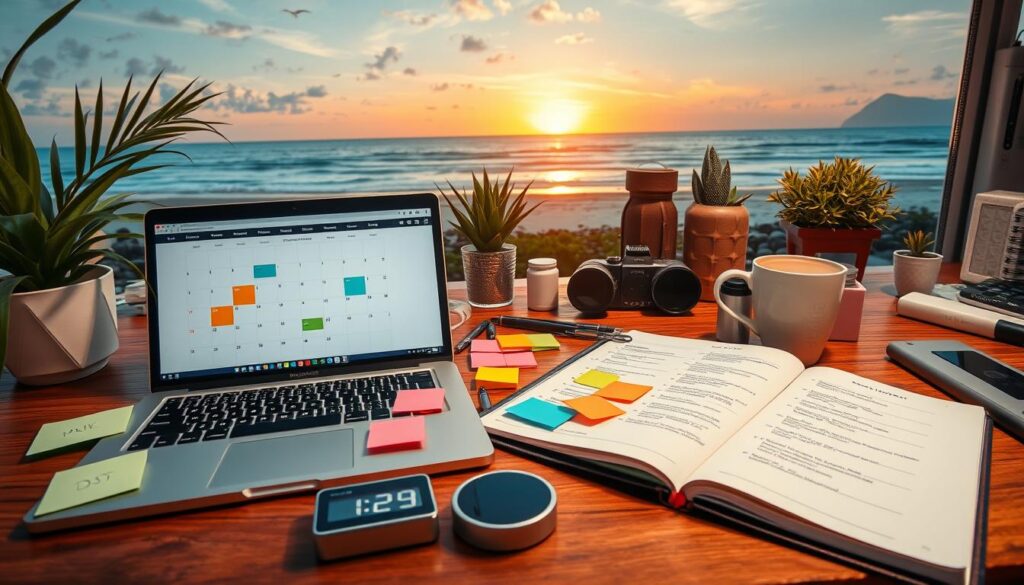
By adopting these time management strategies, digital nomads can enhance their productivity, minimize stress, and fully embrace the flexibility and freedom of the digital nomad lifestyle.
Maintaining Physical and Mental Wellbeing
As a digital nomad, prioritizing your physical and mental wellbeing is crucial for sustaining a healthy and productive lifestyle. While the freedom and flexibility of remote work can be alluring, it also presents unique challenges that can lead to mental chaos, anxiety, burnout, and depression if not managed effectively.
To maintain a balanced well-being, it’s essential to incorporate structured morning and evening routines into your daily schedule. This can help you establish a sense of stability and control amidst the constantly changing environments you may encounter as a digital nomad.
Physical fitness is also a vital component of your overall well-being. Engage in activities like running, cycling, swimming, or yoga to keep your body active and energized. Consuming a nutritious diet, rich in unsweetened smoothies, nuts, dried fruits, and healthy fats, can further support your physical and mental health.
| Wellbeing Practices | Benefits |
|---|---|
| Regular Exercise | Improved physical fitness, increased energy, and reduced stress levels |
| Healthy Eating Habits | Enhanced mental clarity, better physical shape, and overall improved health |
| Consistent Sleep Routines | Improved cognitive function, better mood, and increased productivity |
| Mindfulness Practices | Reduced stress and anxiety, improved focus, and enhanced overall well-being |
Maintaining a consistent sleep schedule, sleeping in a cool, dark, and silent environment, and avoiding blue light before bedtime can also contribute to your physical and mental well-being. Additionally, practicing mindfulness through activities like gratitude journaling, habit tracking, and meditation can help you reduce stress, enhance focus, and improve your overall quality of life as a digital nomad.
By prioritizing your physical and mental well-being, you can unlock the true potential of the digital nomad lifestyle, enabling you to thrive both personally and professionally.
Building a Support Network While Traveling
As a digital nomad, establishing a support network is crucial for maintaining a healthy work-life balance. By connecting with local communities, joining online nomad groups, and seeking professional networking opportunities, you can find the camaraderie, motivation, and resources needed to thrive in this dynamic lifestyle.
Connecting with Local Communities
Immersing yourself in local communities is a great way to combat the potential isolation that can come with the digital nomad lifestyle. Platforms like Meetup and Nomad List make it easy to find and connect with other digital nomads in your current location, allowing you to attend events, share experiences, and build meaningful relationships.
Online Nomad Communities
In addition to local connections, online communities such as Nomad List and Remote Year offer a wealth of forums, resources, and networking opportunities for digital nomads. These platforms allow you to engage with like-minded individuals from around the world, share best practices, and find support throughout your travels.
Professional Networking Opportunities
To further enhance your professional development, LinkedIn and Facebook groups tailored for digital nomad job opportunities can be invaluable. These communities facilitate collaborations, job leads, and freelancing advice, helping you grow both personally and professionally.
By embracing the power of digital nomad communities, both locally and online, you can combat feelings of isolation, expand your professional network, and create a supportive environment that complements your unique lifestyle. 65% of digital nomads indicate that isolation is a significant challenge, underscoring the importance of building a strong support system.
“Collaborating with other digital nomads in coworking spaces has shown a 60% increase in reported satisfaction with work-life balance among respondents.”
Remember, a thriving support network can make all the difference in your digital nomad journey, providing the connection, motivation, and resources you need to achieve a sustainable work-life balance.
Financial Planning for Sustainable Nomad Living
As digital nomad finances and budget planning become increasingly crucial for the modern nomadic lifestyle, it’s essential to address the financial considerations that come with this freedom-focused way of living. With over 10 million Americans engaging in the digital nomad lifestyle, the need for comprehensive financial strategies has never been more evident.
To ensure a sustainable nomadic journey, experts recommend saving at least six months’ worth of living expenses before embarking on this adventure. Many digital nomads also diversify their income streams, tapping into multiple sources of revenue to increase their financial security. Notably, the cost of living can vary significantly across different locations, with Southeast Asia potentially offering cost-saving advantages.
For U.S. citizens, it’s vital to be aware that income earned abroad is still taxable, though tax treaties may apply in some cases. To minimize banking fees and exchange rates, digital nomads often turn to travel-friendly banking solutions like Charles Schwab, HSBC, Revolut, and Wise. By leveraging digital banking, digital nomads can save over $2,000 per year in fees.
Practical money-saving techniques, such as cooking homemade meals instead of relying on takeout, can also contribute to a sustainable financial plan. Inspirational figures like Bradley Urias and his family have demonstrated the feasibility of this lifestyle, traveling to over 40 countries while achieving financial stability through their Sustainable Nomadic Financial Advisor firm.
As digital nomads navigate the complexities of managing taxes, currency fluctuations, and long-term financial planning, seeking professional guidance from tax experts and financial advisors has become increasingly important. By embracing a comprehensive approach to digital nomad finances and budget planning, remote workers can unlock the true potential of the nomadic lifestyle while ensuring their financial well-being.
Balancing Travel Experiences with Work Commitments
As a digital nomad, finding the perfect balance between travel experiences and work commitments can be a constant challenge. However, with the right planning and strategies, you can seamlessly integrate your wanderlust with your professional responsibilities. The key lies in workation planning and effectively managing your travel-work balance.
Planning Workation Schedules
Crafting a well-structured workation schedule is essential for digital nomads. By allocating dedicated time slots for both work and exploration, you can maintain your productivity while still enjoying the local experiences. Leveraging digital tools and calendars can help you stay organized and on top of deadlines, even as you traverse different time zones.
Integrating Local Experiences
Immersing yourself in the local culture and surroundings can enhance the digital nomad lifestyle. This may involve working from charming cafes, scheduling sightseeing during breaks, or indulging in authentic cuisine during non-work hours. By seamlessly blending your professional commitments with authentic local experiences, you can create a truly fulfilling and enriching nomadic journey.
“Embracing the flexibility of a nomadic schedule is pivotal for achieving work-life balance while on the move.”
Maintaining discipline within a flexible routine is crucial for digital nomads seeking work-life balance. By prioritizing tasks, optimizing productivity, and establishing clear boundaries, you can ensure that your travel experiences and work commitments coexist harmoniously.
Technology and Tools for Remote Work Success
For digital nomads, leveraging the right technology and tools is essential for remote work success. Reliable high-speed internet connectivity solutions, cloud storage platforms like Google Drive and Docs, and communication tools such as Zoom, Microsoft Teams, and Slack enable seamless team collaboration and real-time file sharing, even across time zones. Virtual Private Networks (VPNs) like NordVPN and ExpressVPN safeguard online security and protect sensitive data while working from various locations.
Productivity apps, including Todoist, Trello, and Asana, streamline task management and help digital nomads stay organized. Time zone converters and travel planning apps like Nomadago further enhance the remote work experience by simplifying logistics and integrating local experiences. Additionally, portable chargers, noise-canceling headphones, and versatile backpacks from brands like Bose, Sony, and Osprey ensure digital nomads can work efficiently and comfortably on the go.
By leveraging a suite of remote work tools, digital nomads can seamlessly manage their professional responsibilities while embracing the flexibility and freedom of the nomadic lifestyle. From secure communication to streamlined productivity, the right technology stack empowers digital nomads to thrive in their work and travel pursuits.