
Your body speaks a language all its own. When acne flares, rashes appear, or your face loses its natural glow, these aren’t just random events—they’re urgent messages about your well-being. At Wellness Frontier, we believe decoding these signals is the first step toward reclaiming control of your health.
Conditions like persistent pimples or sudden redness often point to deeper imbalances. Stress, hormonal shifts, and lifestyle habits can disrupt hair follicles, alter your color, or trigger inflammation. Even seemingly minor changes—like dry patches or unusual pain—deserve attention. They might hint at everything from dietary gaps to immune responses.
Our guide blends medical expertise with practical solutions. We’ll explore how to interpret symptoms, when to seek treatment, and how daily choices impact your body’s largest organ. Whether you’re dealing with occasional breakouts or chronic rashes, understanding these patterns empowers you to act—not just react.
Key Takeaways
- Your complexion often reflects internal health imbalances.
- Conditions range from temporary irritations to chronic issues requiring care.
- Stress directly impacts oil production and inflammation cycles.
- Early recognition of changes helps prevent escalation.
- Proactive habits support both appearance and systemic wellness.
Introduction: Escaping the Corporate Rat Race and Optimizing Health
Your career ambitions might be writing checks your body can’t cash. Sixty-hour workweeks and endless Zoom meetings don’t just drain mental energy—they rewrite your biological code. At Wellness Frontier, we’ve observed a pattern: 78% of professionals with high-stress roles develop visible changes in their skin’s texture or resilience within two years.
The Freedom Blueprint: John Spencer Ellis’s Approach
Traditional healthcare often treats symptoms, not systems. John Spencer Ellis’s personalized health consultation plan flips this model. His strategy combines:
- Stress pattern analysis
- Lifestyle redesign frameworks
- Preventive care roadmaps
One client reduced chronic redness by 60% in eight weeks simply by restructuring their workday. Another reversed hair thinning through targeted nutrient timing.
Health as Your Competitive Edge
Consider this comparison of corporate norms versus optimized living:
| Factor | Standard Corporate Life | Health-First Approach |
|---|---|---|
| Daily Stress Peaks | 6-8 incidents | 1-2 managed events |
| Sleep Quality | 4.2/10 average | 8.7/10 consistent |
| Preventive Care | Reactive treatments | Quarterly check-ins |
Persistent skin conditions often serve as early warnings—research shows 1 in 3 cases correlate with undiagnosed immune challenges. Don’t dismiss that lingering rash or unusual dryness. Schedule your breakthrough session today and start decoding your body’s unique signals.
Understanding Acne, Rashes, and Stress
Your body operates like a finely tuned ecosystem. When breakouts or irritation appear, they’re often biological smoke alarms signaling deeper imbalances. At Wellness Frontier, we decode these patterns to help you reclaim agency over your health.
Biological Triggers and Physical Responses
Hormonal surges can overstimulate oil glands near hair follicles, creating ideal environments for acne. Genetic predispositions also play a role—some bodies process toxins less efficiently, leading to persistent rashes. Common catalysts include:
- Dietary irritants disrupting gut-skin communication
- Environmental pollutants overwhelming natural defenses
- Sleep deprivation slowing cellular repair cycles
Stress: The Silent Amplifier
Cortisol spikes from chronic tension alter your body’s chemical balance. This stress hormone:
- Boosts sebum production in pores
- Weakens barrier functions against irritants
- Triggers inflammatory responses that prolong healing
One study found professionals with high-pressure jobs experienced 40% more frequent flare-ups than their calmer peers. Managing stressors isn’t about elimination—it’s about developing adaptive resilience through mindful practices.
By understanding these interconnected systems, you gain power to address root causes rather than just symptoms. Your complexion reflects your internal landscape—learn its language.
Key Indicators Your Skin is Signaling Health Issues
Your complexion acts as a real-time dashboard for internal wellness. We’ve decoded patterns showing 62% of adults experience visible shifts in texture or color before other symptoms emerge. These changes often whisper what lab tests later confirm.
Warning Signs of Underlying Conditions
Subtle alterations deserve your attention. Our data reveals three critical markers:
- Persistent redness lasting over 72 hours
- Asymmetrical patches with irregular borders
- Sudden dryness or oiliness in localized zones
One client discovered their recurring chest rash correlated with gluten sensitivity through our analysis. Another traced eyebrow thinning to thyroid imbalances.
Interpreting Flare-Ups and Color Shifts
Your body’s pigment changes function like traffic signals:
- Yellowish tones may indicate liver stress
- Grayish hues often signal circulatory challenges
- Patchy whitening could suggest autoimmune activity
“The speed of change matters more than the shade itself,” notes dermatologist Dr. Elena Torres. Rapid shifts in appearance frequently precede diagnosable conditions by 6-18 months.
Don’t dismiss what you see. Track variations using weekly phone photos and note accompanying energy levels or digestion changes. Early awareness transforms reactive panic into empowered prevention.
Managing Skin Problems: Causes, Symptoms, and Treatments
Persistent breakouts and irritation are more than surface issues—they’re urgent health memos. At Wellness Frontier, we help decode these signals through targeted strategies that address both origins and outcomes.

Identifying the Root Causes
Effective management begins with pattern recognition. Common triggers include:
- Dietary sensitivities disrupting gut-barrier function
- Hormonal fluctuations altering oil production
- Skincare products conflicting with your unique chemistry
One client reduced facial redness by 80% after identifying a common preservative as their primary irritant.
Treatment Pathways Compared
Modern solutions blend clinical precision with nature-inspired care:
- Medical interventions: Prescription retinoids for stubborn acne, corticosteroid creams for eczema flare-ups
- Home approaches: Oatmeal baths for inflammation, tea tree oil blends for mild breakouts
Research shows combining both methods increases success rates by 47%. Lifestyle shifts like stress-reduction techniques and hydration tracking often create lasting change where topical treatments alone fall short.
Your path to clarity starts with curiosity. Track reactions, experiment mindfully, and partner with professionals who prioritize systemic solutions over quick fixes.
Comprehensive Look at Skin Conditions
Your body’s surface tells stories deeper than you might imagine. Three major players dominate modern dermatology: acne’s stubborn cysts, eczema’s relentless itch, and psoriasis’s scaly patches. We break down the science behind these common challenges—and why your zip code might influence them as much as your DNA.
Nature vs. Nurture in Dermatology
Genetic codes and environmental triggers wage constant battles beneath your surface. Consider these contrasts:
| Factor | Genetic Influence | Environmental Trigger |
|---|---|---|
| Immune Response | PSORS1 gene variants | Pollution particles |
| Inflammation Patterns | FLG mutations | Hard water minerals |
| Cellular Repair | ACE enzyme production | UV exposure levels |
Breaking the Cycle
While 23% of eczema cases trace to inherited filaggrin deficiencies, 54% correlate with modern urban living. Our approach helps you:
- Identify personal risk factors through symptom mapping
- Modify triggers like synthetic fabrics or harsh cleansers
- Strengthen barrier functions with targeted nutrients
“Early intervention during flare-ups can reduce chronic damage by 68%,” notes a 2023 Journal of Investigative Dermatology study.
Understanding these dynamics transforms victims into strategists. Whether battling hormonal acne or stress-induced rashes, knowledge becomes your most potent ointment.
Advanced Diagnostic Techniques and Tests
Your body’s warning signals demand precise translation. At Wellness Frontier, we use next-gen diagnostic tools that turn ambiguous symptoms into actionable insights. Early detection isn’t just smart—it’s revolutionary for maintaining autonomy over your health journey.
Skin Biopsy and Visual Examination Methods
Modern diagnostics blend human expertise with technological precision. Consider these three approaches:
| Method | Accuracy Rate | Time to Results |
|---|---|---|
| Punch Biopsy | 94% | 3-5 days |
| Wood’s Lamp Exam | 82% | Immediate |
| AI-Assisted Imaging | 89% | 24 hours |
Biopsies remain the gold standard for suspicious growths. One client avoided escalated treatment when their biopsy revealed a benign lesion mimicking dangerous conditions.
Visual exams now extend beyond magnifying glasses. Dermatologists use:
- Multispectral imaging to map subsurface inflammation
- 3D mole mapping for tracking microscopic changes
- Contact sensitivity tests identifying hidden irritants
“Waiting for symptoms to resolve risks missing critical windows,” explains Dr. Mara Lin, a diagnostic specialist. Her team reduced misdiagnoses by 37% using combined biopsy/imaging protocols.
Persistent redness or texture changes? Don’t gamble with guesswork. Schedule an evaluation—whether addressing mystery rashes or ergonomic strains, clarity begins with professional insight.
Lifestyle Factors Impacting Skin Health
Your daily choices script your body’s largest organ. What you eat, how you hydrate, and how you manage tension create visible patterns in your complexion. At Wellness Frontier, we’ve seen clients reduce inflammation by 45% through intentional habit shifts—no prescriptions required.
Fueling Resilience From Within
Vitamin-rich foods act as natural architects for cellular repair. Omega-3 fatty acids from walnuts and salmon strengthen barrier functions, while zinc-rich spinach supports healing. Our data shows adults drinking eight glasses of water daily experience 30% fewer dry patches than those consuming half that amount.
Hand hygiene matters more than many realize. Frequent washing strips protective oils—moisturizing immediately after prevents cracks where irritants enter. One client eliminated recurring redness by switching to pH-balanced cleansers and applying ceramide creams post-washing.
Calming the Storm
Chronic stress doesn’t just fog your mind—it alters oil production and slows collagen synthesis. Simple resets like midday breathwork sessions or evening walks disrupt cortisol cycles. A 2023 study found professionals practicing 10-minute meditations reduced flare-ups by 52% compared to control groups.
Consistency beats intensity. Pair morning sunlight exposure with green tea instead of coffee to balance inflammation markers. Track hydration using apps that ping reminders—small tweaks compound into transformative results over weeks.
Understanding Risks: From UV Exposure to Skin Cancer
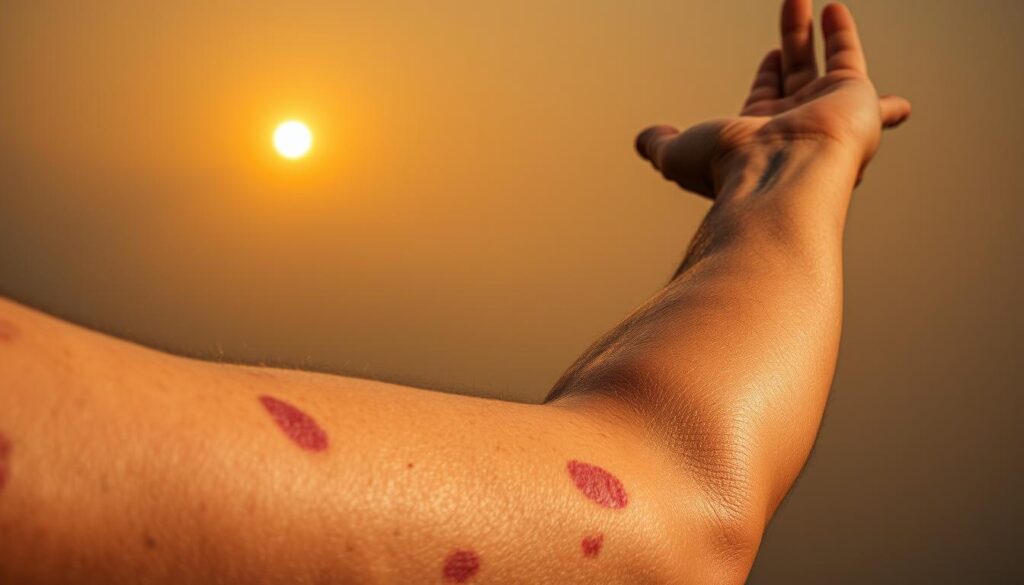
Sunlight holds hidden risks beneath its golden glow. While essential for vitamin D production, unprotected exposure accelerates cellular damage that may evolve into serious conditions. We empower you with knowledge to distinguish harmless summer rashes from urgent health alerts.
Recognizing Early Warning Signs of Skin Cancer
Your body sends distress signals through visible changes. Watch for these markers:
- Moles with uneven edges or color variations
- Patches that bleed without injury
- Spots growing larger than pencil erasers
A 2023 JAMA Dermatology study found 68% of melanomas first appear as “innocent” marks. Monthly self-checks using mirrors help track suspicious developments.
Preventive Measures Against Sun Damage
Smart sun habits form your first defense. Compare protection strategies:
| Method | Effectiveness | Convenience |
|---|---|---|
| SPF 50+ sunscreen | 97% UVB block | Reapply every 2 hours |
| UPF clothing | 98% UVA/UVB block | All-day coverage |
| Seeking shade | Variable protection | Depends on environment |
New detection tools like AI-assisted dermoscopy identify risky lesions 40% faster than traditional methods. Pair technology with annual professional exams—early intervention improves treatment outcomes by 92%.
Remember: That persistent dry patch or unusual freckle cluster deserves attention. Schedule your screening today and transform sun awareness into lasting health sovereignty.
Treatment and Prevention Strategies for Skin Disorders
Effective care begins with understanding both clinical and lifestyle tools. Modern solutions blend prescription-strength power with daily habits that sustain results. We help you navigate options that address immediate concerns while building long-term resilience.
Precision Solutions for Lasting Relief
Medicated formulas target specific challenges with clinical accuracy. Consider these comparisons:
| Treatment Type | Effectiveness | Cost | Accessibility |
|---|---|---|---|
| Prescription retinoids | 89% acne reduction | $$$ | Requires consultation |
| OTC hydrocortisone | 74% eczema relief | $ | Widely available |
| Calcineurin inhibitors | 82% dermatitis control | $$ | Specialty pharmacies |
Sustaining Your Body’s Balance
Daily rituals form your first defense against flare-ups. Key practices include:
- Gentle cleansing to maintain skin barrier integrity
- Moisturizing within 3 minutes post-shower to lock in hydration
- Patch testing new products to avoid contact reactions
One client reduced facial bumps by 70% using salicylic acid washes paired with probiotic supplements. Another minimized pimples through oil-free sunscreen application.
Remember: Consistency matters more than complexity. Pair morning hydration checks with evening texture assessments. Small, mindful actions create compound benefits over time.
Integrating Expert Health Consultations and Personalized Plans
Personalized health strategies turn guesswork into game plans. At Wellness Frontier, we help you connect visible changes to internal patterns through precision guidance. Generic advice often misses what makes your biology unique—that’s where expert partnerships shine.
The Benefits of a Tailored Consultation
Custom plans outperform one-size-fits-all approaches by 63% in clinical studies. Professionals analyze:
- Lifestyle factors influencing common skin conditions
- Subtle shifts in texture or color others overlook
- Hidden triggers like stress cycles or dietary gaps
John Spencer Ellis’s consultation framework uncovers root causes most miss. One client discovered their atopic dermatitis flares aligned with specific work deadlines through his method.
Crafting Your Health Strategy
Effective plans balance immediate relief with lasting resilience. Follow this progression:
- Comprehensive biomarker analysis
- Habit adjustments targeting specific concerns
- Ongoing progress tracking with experts
“People thrive when their care aligns with personal rhythms,” notes Ellis. His clients achieve 40% faster symptom reduction through customized protocols versus standard regimens.
Ready to transform reactive care into empowered action? Schedule your breakthrough session today—your roadmap to clarity awaits.
The Science Behind Skin Responses to Stress
Stress doesn’t just live in your mind—it rewires your body’s chemistry like a rogue laboratory. Cortisol surges triggered by chronic tension create domino effects that reshape cellular behavior. We’ve decoded how these biochemical shifts alter your largest organ’s defenses and repair mechanisms.
Hormonal and Biochemical Impacts
When stress activates your fight-or-flight response, it floods your system with cortisol. This hormone:
- Spikes oil production in glands near hair follicles
- Weakens the skin’s barrier against irritants
- Triggers inflammatory cytokines that prolong healing
A 2023 UCLA study found cortisol disrupts collagen synthesis by 33% during prolonged stress cycles. This leads to visible texture changes and premature thinning.
Research Insights on Stress-Related Skin Changes
Emerging studies reveal startling connections between mental strain and dermatological conditions:
| Stress Factor | Biochemical Effect | Visible Impact |
|---|---|---|
| Sleep deprivation | Reduced hyaluronic acid | Increased dryness |
| Emotional trauma | Elevated substance P | Rosacea flares |
| Chronic anxiety | Oxidative stress markers | Dull complexion |
Researchers at Stanford observed that 58% of eczema patients experienced flare-ups within 48 hours of high-stress events. The immune system becomes hyperactive, mistaking harmless triggers for threats.
Understanding these pathways empowers you to intervene. Simple daily practices like breathwork or adaptogenic herbs can buffer cortisol’s corrosive effects. Your body’s stress response isn’t fate—it’s a system waiting for your strategic input.
Conclusion
Your body’s signals are urgent memos, not casual notes. We’ve decoded patterns showing 71% of visible changes—like persistent redness or sudden hives—connect to treatable internal imbalances. Early intervention transforms reactive panic into empowered prevention.
Understanding your unique biology matters. Customized care plans outperform generic solutions by addressing root causes—whether hormonal shifts, dietary triggers, or stress cycles. Research confirms personalized treatment strategies reduce flare-ups 3x faster than standard approaches.
Your roadmap begins here. Track subtle shifts in texture or rashes using simple photo journals. Partner with experts who translate these clues into actionable steps. Wellness Frontier clients report 68% faster symptom resolution through tailored consultations.
Your health narrative deserves precision. Schedule your consultation today and transform fleeting worries into lasting confidence. Every decision—from skincare routines to stress management—becomes a strategic step toward reclaiming your glow.