
The modern workforce is rewriting the rules of success. Over 60 million people will embrace location-independent careers by 2030, trading cubicles for coastlines and boardrooms for beachfront cafes. This movement isn’t about escaping responsibility—it’s about redefining what it means to build a fulfilling life.
We’ve seen firsthand how combining work with exploration creates unexpected opportunities. Remote professionals now prioritize destinations offering reliable Wi-Fi alongside vibrant local culture. As coach John Spencer Ellis often emphasizes: “Your environment shapes your potential—choose locations that inspire growth.”
The right coastal spots provide more than just scenery. They deliver thriving expat communities, affordable living costs, and infrastructure supporting both productivity and adventure. From sunrise surf sessions to sunset strategy calls, this lifestyle blends professional ambition with personal freedom in ways traditional offices never could.
Key Takeaways
- Location-independent careers expected to triple by 2030
- Top beach spots combine work essentials with cultural immersion
- Community support crucial for sustainable nomadic living
- Strategic destination choices enhance work-life integration
- Cost-effective coastal hubs maximize earning potential
Introduction: Embracing the Digital Nomad Lifestyle
Gone are the days when a desk job meant being chained to one location—today’s achievers work where waves meet Wi-Fi. This shift isn’t about vacationing permanently. It’s about crafting a purpose-driven existence that blends professional rigor with cultural discovery.
What It Means to Live as a Digital Nomad
We’ve helped professionals transform their careers into mobile adventures. True freedom comes from mastering three elements: reliable tech setups, adaptable routines, and local community connections. As one client shared: “My office view changes monthly, but my productivity keeps improving.”
Success in this lifestyle demands more than a laptop. It requires cultivating curiosity and resilience. You’ll negotiate time zones while learning Portuguese café orders. Balance client calls with snorkeling breaks. These experiences forge unconventional problem-solving skills that static jobs rarely provide.
A Message from Coach John Spencer Ellis
With 18 years coaching professionals, Ellis observes:
“The best remote workers don’t just change locations—they redesign their lives around intentional growth. Your environment should challenge and recharge you daily.”
His mentorship programs emphasize creating geographical flexibility without sacrificing career momentum. Over 4,000 graduates now run businesses from Bali to Barcelona, proving location independence amplifies—not limits—professional potential.
Preparing for Your Digital Nomad Journey
We’ve discovered location independence thrives on intentional preparation. The right gear transforms chaotic travel into purposeful exploration. Our community swears by three non-negotiables: redundant power sources, data security, and adaptable workspaces.
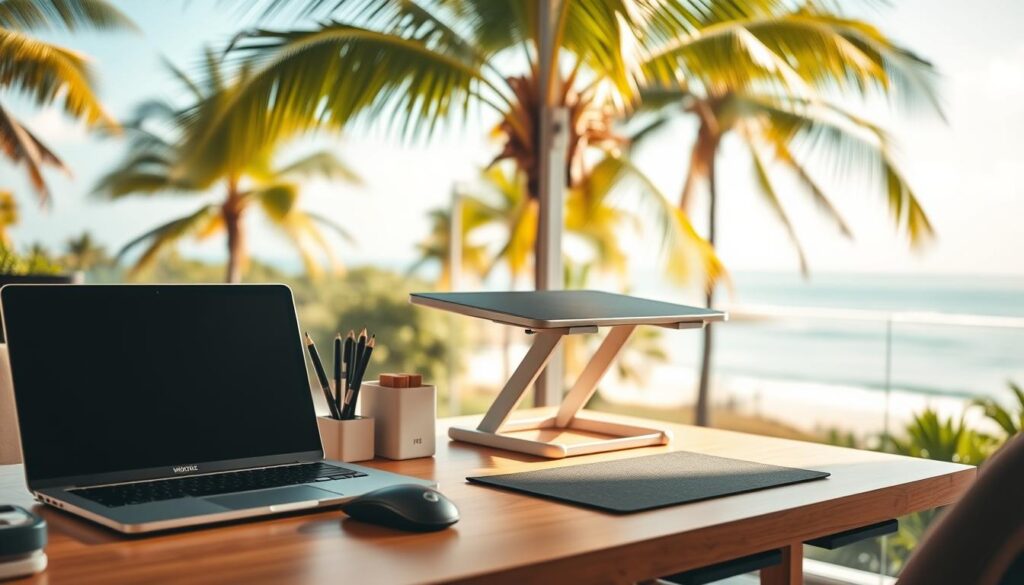
Essential Tools and Packing Must-Haves
Your tech kit needs multiple layers of backup. Start with two charging cables for every device. Add portable batteries that can power your laptop through three full work sessions. We prioritize compact equipment – think foldable keyboards and slim hard drives.
Noise-cancelling headphones prove invaluable when cafés get lively. A global SIM card keeps you connected during transit days. Always pack a VPN subscription – public networks demand ironclad security.
Setting Up Your Remote Workspace
Productivity hinges on creating instant work zones. Use a lightweight laptop stand to maintain posture anywhere. Cloud storage paired with physical backups ensures you never lose critical files.
Test wifi speeds before committing to accommodations. We keep a secondary mobile hotspot for urgent deadlines. Remember: your environment should fuel focus. Position yourself near power outlets with natural lighting when possible.
One community member shared: “My compact toolkit lets me shift from beach cabana to urban hub in 20 minutes flat.” That’s the freedom proper preparation delivers.
The Allure of Beach Destinations for Nomads
Where sand meets strategy, a new workspace paradigm emerges. Coastal regions attract mobile professionals with their unique blend of natural beauty and functional charm. We’ve found these places spark creativity better than any office cubicle ever could.
The rhythm of waves does more than soothe the soul—it rewires focus. Studies show ocean sounds reduce stress hormones by up to 30%, creating ideal conditions for complex problem-solving. One community member noted: “My best ideas arrive during sunset walks along the shore.”
Consistent climate patterns in tropical zones eliminate seasonal productivity slumps. Reliable sunshine means fewer weather-related work interruptions compared to temperate places. Coastal towns now offer fiber-optic speeds alongside fresh coconut stands.
These hubs foster unexpected collaborations. Shared beachside coworking spaces connect digital nomads from every continent. Morning surf sessions often lead to afternoon business partnerships—a synergy rarely found inland.
The coast naturally enforces work-life harmony. Tide cycles create built-in boundaries—sunrise for deep work, twilight for connection. As one veteran nomad puts it: “The ocean doesn’t care about your deadlines, and that’s exactly why you’ll meet them.”
How to Evaluate a Nomad-Friendly Locale
Choosing where to work remotely requires more than a map and a dream. We treat location selection like curating a lifestyle—balancing practical needs with opportunities for meaningful connections. The right spot becomes your office, gym, and cultural classroom rolled into one.
Assessing Internet Speed and Workspaces
Reliable connectivity separates paradise from productivity nightmare. Countries like South Korea and the UAE lead in broadband speeds, but local infrastructure varies. Test networks during peak hours using tools like Speedtest—café wifi that streams videos might crash during video calls.
Always have backup plans. Mobile data plans with generous hotspot allowances save deadlines when networks falter. One community member shared: “My Qatar SIM card became CEO of my business during a week-long fiber outage.”
Look beyond download speeds. Stable power grids and coworking spaces with backup generators matter more than Instagrammable desks. We prioritize cities where coffee shops expect laptop warriors—outlets everywhere, staff who speak “I’ll just work through lunch” body language.
Local Culture and Amenities
A location’s soul determines staying power. Can you find groceries at 10pm? Do locals welcome foreign workers? We’ve learned to spot red flags—if every restaurant menu has English errors, translation apps will drain your phone battery.
Balance community needs with authentic experiences. While expat hubs offer comfort, true growth happens beyond tourist zones. Seek markets where vendors teach you local phrases, not just beach bars recycling the same reggae playlist.
Cost matters, but value matters more. Affordable gyms with day passes, reliable public transit, and healthcare clinics within 30 minutes create stability. As one colleague notes: “My best investment? A neighborhood fruit seller who now reminds me to drink water between meetings.”
Explore digital nomad destinations
The world’s hidden gems are rewriting remote work possibilities. We’ve identified lesser-known hubs where cobblestone streets double as conference rooms and beachfronts become brainstorming zones. These spots blend cutting-edge infrastructure with cultural depth—perfect for professionals craving adventure without career compromise.
- Consistent 50+ Mbps internet speeds
- Monthly living costs under $1,500
- Established communities of mobile workers
Europe’s Balkan treasures shine with Bulgarian mountain towns offering fiber-optic connections beside thermal springs. Portugal’s Algarve coast delivers sunrise surf sessions before Parisian business hours begin. As one community member in Zadar notes: “I edit code by day and hear sea organ concerts by night—this is productivity reimagined.”
Latin America answers with colonial cities where $3 lunches fuel afternoon projects. Guatemala’s Antigua pairs volcano views with co-working spaces in restored convents. Uruguay’s capital surprises with urban beaches minutes from tech hubs.
Asia’s rising stars like Vietnam’s highland towns provide tropical climates and thriving expat networks. Malaysia’s George Town merges street art galleries with lightning-fast wifi—ideal for creatives. One entrepreneur shares: “My best client pitch happened over Penang’s famous char koay teow—deal signed before dessert arrived.”
Africa’s coastal enclaves prove you don’t need tourist crowds for connectivity. Kenya’s Lamu archipelago offers dhow boat commutes to island offices, while Morocco’s Essaouira combines windsurfing breaks with reliable 5G.
Immersing in Local Culture and Cuisine
Breaking bread with locals reveals more than guidebooks ever could. We’ve found that culinary adventures become passports to understanding regional identities. Shared meals spark conversations where currency exchange rates matter less than recipe exchanges.
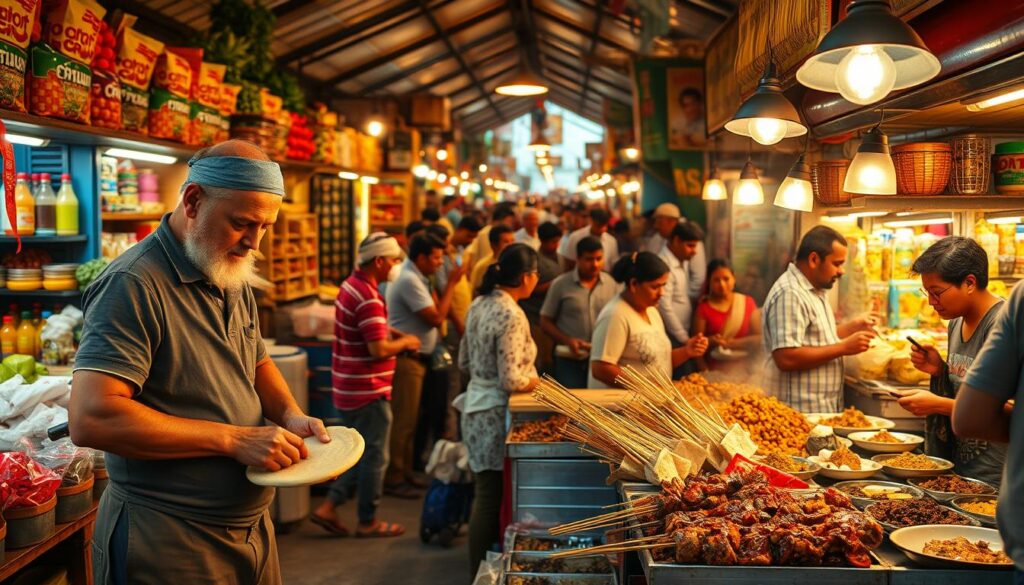
Tasting Unique Dishes and Experiences
Georgian khinkali dumplings in Tbilisi cost less than €5 yet deliver centuries of tradition. In Cuenca’s markets, $2.50 buys almuerzos showcasing Andean farming heritage. These aren’t just meals—they’re edible history lessons.
Plovdiv proves flavor needs no translation. A $7 feast there might include shopska salad and rakia shots with new friends. We prioritize family-run restaurants over tourist traps, discovering how grandmothers’ spice blends mirror local landscapes.
Food events transform strangers into collaborators. Join Oaxaca’s mole festivals or Bangkok’s midnight market crawls. One community member recalls: “Learning to stuff grape leaves in Crete led to co-founding a Mediterranean food blog.”
Cooking classes double as networking sessions. Chop onions in Hanoi and you might meet your next business partner. These experiences prove kitchens outperform conference rooms for forging authentic connections.
Economic advantages stack up faster than pancake banh xeo in Ho Chi Minh City. Embracing street food and market stalls slashes dining budgets by 60% compared to international chains. Your wallet and taste buds both win.
Budgeting for a Nomadic Lifestyle
Financial freedom fuels the journey, but smart budgeting keeps wheels turning. We’ve learned thriving abroad means mastering value-based spending—investing where it matters most while trimming excess. Coastal hubs prove you don’t need luxury villas to live richly.
| City | Monthly Cost | Key Benefit |
|---|---|---|
| Bangkok | $1,493 | Street food culture |
| Buenos Aires | $1,587 | Cultural events |
| Mexico City | $1,811 | Coworking infrastructure |
| Timișoara | $1,748 | 4G coverage |
| Portimão | $1,987 | Beach proximity |
True low cost living starts before arrival. Book flights during shoulder seasons and negotiate monthly rental rates. One community member saves $400/month using local markets: “Learning five ingredient names cuts grocery bills by half.”
We prioritize three budget pillars:
- Allocate 40% to housing/workspaces
- 25% to transportation/insurance
- 35% to experiences/emergencies
Red-eye flights and advance bookings help stretch funds across multiple months. But remember—saving shouldn’t mean stagnation. As one traveler notes: “That $15 cooking class? It landed me a client who funds six months of adventures.”
Financial stability creates space for spontaneity. When you track every dollar, you gain freedom to say “yes” to unexpected opportunities. That’s the real power of intentional living on the move.
Staying Connected: Essential Resources on the Go
Connectivity fuels our mobile careers like wind powers sailboats. We build networks as carefully as we craft workflows, knowing one dropped call can sink a client relationship. Bulgaria’s lightning-fast broadband (ranked 20th globally) proves coastal towns now rival tech hubs.
Securing Your Productivity Zone
Cafés with free wifi serve triple purposes: workspaces, networking venues, and cultural gateways. But we never rely on single solutions. Every pro carries backup mobile hotspots and local SIM cards – tools that transform beach bars into boardrooms.
Co-working spaces offer more than stable internet. They’re ecosystems where “water cooler talk” leads to app development partnerships. Our community tests connections during peak hours – streaming 4K video means nothing if Zoom calls stutter.
True freedom comes from redundancy. We combine fiber-optic café networks with LTE fail-safes, ensuring deadlines survive monsoons and island power outages. As one colleague quips: “My Bulgarian router handles more traffic than Grand Central Station.”
FAQ
How do I ensure reliable internet access while working remotely from coastal areas?
What’s the average monthly budget for comfortable living in popular nomad hotspots?
FAQ
How do I ensure reliable internet access while working remotely from coastal areas?
We recommend using apps like Speedtest by Ookla to check local connectivity before arrival. Many beach towns now offer fiber-optic networks, and coworking spaces like Selina often provide enterprise-grade WiFi for seamless productivity.
What’s the average monthly budget for comfortable living in popular nomad hotspots?
Costs vary, but destinations like Bali or Mexico’s Riviera Maya typically require
FAQ
How do I ensure reliable internet access while working remotely from coastal areas?
We recommend using apps like Speedtest by Ookla to check local connectivity before arrival. Many beach towns now offer fiber-optic networks, and coworking spaces like Selina often provide enterprise-grade WiFi for seamless productivity.
What’s the average monthly budget for comfortable living in popular nomad hotspots?
Costs vary, but destinations like Bali or Mexico’s Riviera Maya typically require $1,500–$2,500/month for private lodging, meals at local eateries, and coworking memberships. Prioritize locations with low tourist taxes and affordable transportation options.
Can I maintain work-life balance while exploring new cultures?
Absolutely. We advocate the 80/20 rule – structure 80% of your week for focused work using tools like Toggl Track, leaving 20% for immersive experiences like cooking classes or guided heritage tours.
How do I handle healthcare needs in unfamiliar locations?
Always carry travel insurance from providers like SafetyWing. Research clinics with English-speaking staff beforehand, and use telemedicine platforms for routine consultations.
What strategies help with cultural adaptation in foreign destinations?
Learn basic phrases in the local language using apps like Memrise. Attend community events through platforms like Meetup, and frequent neighborhood markets instead of tourist hubs to build authentic connections.
Are there specific tools for managing time zones during global collaborations?
Use World Time Buddy to coordinate across time zones. Schedule deep work sessions during your most productive hours, and leverage asynchronous communication tools like Loom for team updates.
How do coworking spaces enhance the remote work experience?
Spaces like WeWork or local hubs provide ergonomic setups, networking events, and mentorship opportunities. Many offer day passes, letting you test facilities before committing.
What’s the best approach to handling visa requirements long-term?
Research digital nomad visas early – countries like Portugal and Costa Rica offer specific programs. Use resources like VisaGuide.World, and consult expat forums for real-time application insights.
,500–,500/month for private lodging, meals at local eateries, and coworking memberships. Prioritize locations with low tourist taxes and affordable transportation options.
Can I maintain work-life balance while exploring new cultures?
Absolutely. We advocate the 80/20 rule – structure 80% of your week for focused work using tools like Toggl Track, leaving 20% for immersive experiences like cooking classes or guided heritage tours.
How do I handle healthcare needs in unfamiliar locations?
Always carry travel insurance from providers like SafetyWing. Research clinics with English-speaking staff beforehand, and use telemedicine platforms for routine consultations.
What strategies help with cultural adaptation in foreign destinations?
Learn basic phrases in the local language using apps like Memrise. Attend community events through platforms like Meetup, and frequent neighborhood markets instead of tourist hubs to build authentic connections.
Are there specific tools for managing time zones during global collaborations?
Use World Time Buddy to coordinate across time zones. Schedule deep work sessions during your most productive hours, and leverage asynchronous communication tools like Loom for team updates.
How do coworking spaces enhance the remote work experience?
Spaces like WeWork or local hubs provide ergonomic setups, networking events, and mentorship opportunities. Many offer day passes, letting you test facilities before committing.
What’s the best approach to handling visa requirements long-term?
Research digital nomad visas early – countries like Portugal and Costa Rica offer specific programs. Use resources like VisaGuide.World, and consult expat forums for real-time application insights.