
Long hours, tight deadlines, and endless meetings aren’t just draining your energy—they might be harming your lungs. Corporate stress doesn’t stop at mental exhaustion. Research shows it can directly impact how we breathe, leading to shallow patterns that deprive the body of oxygen. Over time, this strain may contribute to structural challenges in the lungs, making it harder to stay healthy in high-pressure environments.
Many professionals don’t realize how deeply their work lives affect their physical health. Chronic stress triggers muscle tension, including in the diaphragm, which disrupts natural breathing rhythms. This isn’t just about occasional discomfort—it’s a gateway to long-term challenges. Workplace cultures that prioritize hustle over balance often leave little room for mindfulness or proactive health habits.
But here’s the good news: we can reclaim control. By understanding the link between stress and lung function, we gain power to make smarter choices. Simple adjustments—like targeted breathing exercises or stress-management strategies—can strengthen respiratory resilience. John Spencer Ellis specializes in helping professionals escape the corporate grind while optimizing wellness. His plans blend entrepreneurship with mindful living, creating pathways to healthier lungs and greater freedom.
Key Takeaways
- Corporate stress can alter breathing patterns, reducing oxygen flow
- Prolonged tension may lead to structural changes in the lungs
- High-pressure environments often lack health-supportive practices
- Early intervention prevents long-term respiratory challenges
- Strategic lifestyle shifts improve lung capacity and stress resilience
- Professional guidance accelerates health optimization goals
Understanding Respiratory Issues and Corporate Stress
Corporate environments often breed silent health challenges that manifest where we least expect—our breath. When stress becomes a constant companion, it doesn’t just cloud judgment—it reshapes how our bodies function at a fundamental level.
Defining the Challenge
Respiratory disease refers to conditions affecting the lungs and airways, often marked by persistent coughing, shortness of breath, or chest tightness. Many professionals dismiss early symptoms like fatigue or shallow breathing as normal stress reactions. But these signs can signal deeper imbalances. Office spaces with poor ventilation or urban pollution further strain the air we rely on, creating a perfect storm for chronic respiratory decline.
Stress Patterns and Physical Impact
Under pressure, our breathing shifts to rapid, shallow patterns—a survival response meant for short-term crises. When sustained over months, this weakens lung capacity and irritates delicate tissues. Consider these red flags:
- Wheezing during routine tasks
- Frequent respiratory infections
- Morning congestion that lingers
High-stress roles triple the risk of developing persistent respiratory disease, according to occupational health studies. The solution starts with recognizing that corporate demands aren’t just mental battles—they’re physical ones too. In our next sections, we’ll explore practical strategies to break this cycle and reclaim your health.
How Corporate Life Impacts Your Health
The pursuit of corporate success often hides a stealthy health tax. While climbing the ladder, many professionals unknowingly trade wellness for productivity. Stress acts as a gateway, weakening defenses against environmental threats that thrive in high-pressure workplaces.

The Role of Workplace Stress
Constant deadlines and performance demands keep our bodies in fight-or-flight mode. This survival state makes us 40% more vulnerable to harmful substances, according to occupational health research. When stress hormones flood the system regularly, they wear down the heart’s resilience. A 2023 American Heart Association study found corporate workers with chronic stress face double the risk of heart failure compared to low-stress peers.
Everyday Environmental Exposures
Open-plan offices and client meetings often expose people to secondhand smoke or poor ventilation. Urban worksites near heavy traffic bathe lungs in microscopic pollutants that accumulate over years. Pulmonologist Dr. Lisa Nguyen warns: “What we dismiss as ‘bad air days’ actually chip away at lung capacity month after month.”
Consider these hidden workplace dangers:
- Chemical cleaners used in shared spaces
- Printer toner particles circulating in recycled air
- Outdoor pollution seeping through office windows
Knowledge transforms victims into empowered advocates. By mapping these invisible threats, we gain power to demand cleaner workspaces—or create them ourselves through entrepreneurial freedom.
Common Respiratory Illnesses and Their Symptoms
Our bodies send clear signals when corporate stress crosses into dangerous territory—if we learn to listen. Five conditions account for most work-related breathing challenges, each with distinct patterns demanding attention.
When Breath Becomes a Battle
Asthma strikes like a vise grip—sudden wheezing and chest tightness that often improves with medication. Unlike other conditions, its symptoms are reversible with proper care. “Corporate warriors mistake asthma attacks for panic episodes,” notes pulmonologist Dr. Meyer. “Delayed treatment risks permanent airway changes.”
| Condition | Key Symptom | Action Step |
|---|---|---|
| COPD | Progressive shortness of breath | Smoking cessation |
| Chronic Bronchitis | 3+ months of cough | Air quality checks |
| Pneumonia | Fever + chest pain | Immediate testing |
Silent Alarms in Plain Sight
Morning coughs or post-meeting fatigue often get dismissed as “normal.” Consider these red flags:
- Wheezing during client calls
- Recurrent lung infections
- Unexplained weight loss (linked to lung cancer)
Early-stage cancer might only show subtle signs like voice changes. Professionals over 40 with smoking histories need annual screenings. Knowledge transforms victims into advocates—schedule that physical you’ve postponed.
Environmental and Lifestyle Triggers for Lung Disease
Our daily choices shape more than careers—they determine how freely we breathe. While corporate stress tightens its grip, external factors like polluted air and harmful habits accelerate damage to delicate lung structures. Recognizing these threats empowers us to rewrite our health stories.
Smoking, Air Pollution, and Secondhand Smoke
Smoking remains the leading preventable cause of lung disease, destroying air sacs that transfer oxygen to blood. Just one year after quitting, lung function improves by 10%, according to CDC data. Secondhand smoke contains 7,000 chemicals—70 linked to cancer. Urban professionals face double exposure: outdoor smog and indoor pollutants from traffic or industrial zones.
Consider these impacts:
- Fine particulate matter (PM2.5) bypasses natural filters, scarring air sacs
- Chronic exposure to ozone increases fibrosis risks by 34%
- Vaping damages lung tissue as severely as traditional cigarettes
Allergenic and Occupational Exposures
Office environments harbor hidden threats. Printer toners release ultrafine particles, while cleaning chemicals irritate airways. Construction workers inhale silica dust—a key fibrosis trigger. Healthcare professionals face disinfectant fumes daily. “We’ve seen nurses develop asthma from repeated exposure to sterilizing agents,” notes industrial hygienist Dr. Rachel Torres.
Proactive steps create lasting change:
- Demand HEPA filters in workspaces
- Use NIOSH-approved masks during high-risk tasks
- Advocate for smoke-free policies
Every avoided trigger strengthens lung resilience. As we master environmental awareness, we unlock capacity to thrive—both in careers and life beyond cubicles.
John Spencer Ellis’ Plan to Optimize Your Health
Imagine trading boardroom stress for deeper breaths and renewed vitality. John Spencer Ellis designed a proven blueprint that replaces corporate burnout with personalized health strategies. His approach doesn’t just treat symptoms—it rewires your relationship with work and wellness.
Escape the Corporate Rat Race
Ellis’ plan combines entrepreneurship coaching with science-backed treatment protocols. Clients learn to build income streams outside traditional offices while optimizing lung capacity through breathwork and targeted therapies. One former executive reduced her asthma medications by 60% after adopting his stress-reduction techniques.
“We’ve seen professionals reverse early-stage pulmonary disease by prioritizing air quality and mindful movement,” Ellis notes. His methods address root causes—like chronic stress and environmental toxins—that contribute to infections and breathing challenges.
Schedule Your Personalized Consultation
Taking action starts with a 30-minute discovery call. Ellis’ team analyzes your work environment, health history, and goals to create a tailored escape plan. Clients receive:
- Custom breath retraining exercises
- Medication optimization strategies
- Pollution-reduction tactics for home/office
Don’t let corporate demands dictate your health trajectory. Book your consultation today and join hundreds who’ve transformed suffocating routines into oxygen-rich lifestyles. Your lungs—and future self—will thank you.
Prevention and Treatment Options for Respiratory and Lung Disease
Breathing freely in high-pressure careers requires both science and strategy. Modern solutions combine clinical expertise with daily habits that protect lung capacity. Let’s explore proven methods to reduce risks and reclaim vitality.
Medical Therapies and Medications
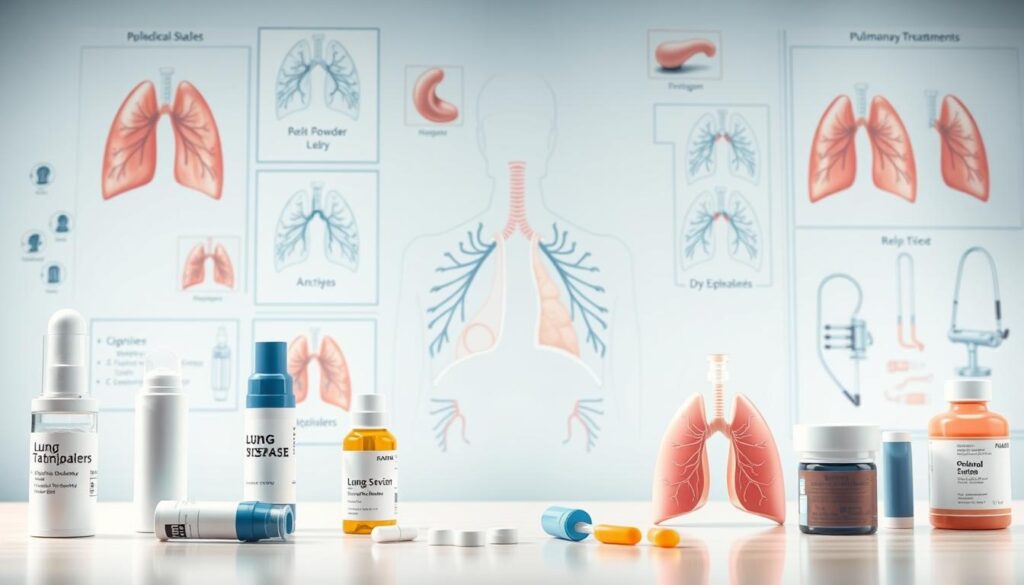
Advanced treatments now target specific challenges like chest tightness and persistent cough. Inhalers with combination medications reduce airway inflammation within minutes—critical during flare-ups. For chronic conditions, pulmonary rehabilitation programs rebuild strength through guided exercises.
The CDC confirms early detection cuts death risks by 38% in cases like COPD. Antibiotics tackle bacterial infections, while antivirals prevent complications from flu strains. “Medications work best when paired with lifestyle shifts,” notes UnityPoint Health’s pulmonary team.
Health and Lifestyle Modifications
Our daily habits become our first line of defense. Seven hours of sleep nightly lets lungs repair tissue. Omega-3-rich diets reduce inflammation markers in blood by 22%, studies show. Try these power moves:
- Walk 30 minutes daily to boost oxygen circulation
- Use air purifiers with HEPA filters at workstations
- Practice pursed-lip breathing during stressful meetings
Hydration thins mucus causing shortness of breath. Smokers who quit see infection rates drop 50% in six months. Remember—proactive care isn’t about perfection. It’s about consistent choices that let you breathe deeper and live fuller.
Conclusion
Corporate demands don’t have to dictate your health story. We’ve seen how chronic stress and environmental toxins team up to damage air sacs and trigger conditions like asthma and COPD. These challenges aren’t inevitable—they’re invitations to act.
Early detection cuts death risks by 38% in many lung diseases. Recognize warning signs like persistent cough or shortness of breath. Simple changes—HEPA filters, smoke-free zones, mindful movement—create oxygen-rich environments where careers and wellness coexist.
Remember: air pollution and secondhand smoke remain leading causes of preventable damage. Yet empowerment grows when we swap reaction for prevention. Professionals who prioritize sleep hygiene and clean air see 22% fewer infections within months.
Together, we’re building a community that breathes deeper. Start today—schedule that screening, walk during lunch breaks, demand cleaner workspaces. Every conscious choice fuels healthier lungs and brighter tomorrows. Your freedom to thrive begins with one intentional breath.