
Does your job leave you drained even before lunchtime? You’re not alone. Millions of professionals face relentless tiredness fueled by deadlines, endless meetings, and the pressure to always be “on.” This isn’t just about needing more sleep – it’s a deeper exhaustion that saps your energy and dims your spark.
Medical experts like the Cleveland Clinic define this type of weariness as a physical and emotional drain often tied to workplace demands. Long hours, unclear expectations, and the “hustle culture” mentality can quietly erode your health. Over time, this grind creates a cycle where even time off doesn’t fully recharge you.
But here’s the good news: fatigue doesn’t have to be permanent. John Spencer Ellis combines proven strategies with personalized coaching to help you break free. Whether you’re experiencing burnout or simply craving more energy, his approach helps you rediscover your vitality while building sustainable success.
In this guide, we’ll explore:
- How to spot the hidden causes of your low energy
- Practical steps to protect your health amid corporate demands
- Actionable ways to design a life that fuels rather than drains you
Key Takeaways
- Chronic tiredness often stems from workplace culture, not personal weakness
- Women face unique burnout challenges due to societal role expectations
- Early intervention prevents long-term health consequences
- Customized plans work better than generic “self-care” advice
- Small daily changes create big energy improvements over time
Understanding Corporate Fatigue
Many professionals mistake chronic exhaustion for normal tiredness. True energy depletion goes beyond needing an extra coffee – it’s a system-wide drain affecting both body and mind. Let’s unpack what makes corporate-induced weariness different and why traditional “rest” often fails to fix it.
The Science Behind Persistent Exhaustion
Medical researchers describe fatigue as prolonged physical or mental weariness unrelieved by rest. Unlike ordinary tiredness, it often includes:
- Mental fog that persists through weekends
- Irritability affecting work relationships
- Physical heaviness despite adequate sleep
A 2023 Gallup study found 76% of desk workers experience these symptoms weekly. While poor sleep quality plays a role, workplace stressors like endless Zoom calls and “urgent” midnight emails compound the issue. This creates a cycle where recovery becomes impossible during off-hours.
Workplace Pressures That Drain Your Battery
Corporate culture often rewards nonstop availability. Constant decision-making and performance anxiety activate our fight-or-flight response, burning energy reserves faster. As John Spencer Ellis notes in his consultations: “We’re treating humans like machines with infinite recharge cycles – until they break.”
His approach identifies three key energy thieves:
- Unclear role expectations causing mental overload
- Sedentary workdays disrupting natural energy rhythms
- Social isolation from remote/hybrid setups
By mapping these patterns, professionals regain control. The goal isn’t just surviving the workday – it’s designing a life where energy flows naturally.
Causes of Fatigue in the Corporate Environment
Why do so many professionals feel like they’re running on empty by Wednesday morning? The answer lies in a mix of daily choices and hidden health factors. While workplace demands play a role, research shows lifestyle patterns and undiagnosed medical conditions often amplify energy crashes.
Lifestyle Factors and Work Habits
Your 9-to-5 routine might secretly sabotage your stamina. The CDC reports 1 in 3 adults skimps on sleep while juggling work demands, creating an energy debt that compounds weekly. Common culprits include:
- Screen-heavy schedules disrupting natural sleep cycles
- Reliance on sugary snacks instead of balanced meals
- Sedentary workdays slowing metabolism
As John Spencer Ellis observes: “We’ve normalized habits that would make an athlete collapse – then wonder why we’re exhausted.” The fix? Small shifts like taking walking meetings or swapping processed snacks for protein-rich alternatives.
Underlying Health Conditions and Their Effects
Sometimes tiredness signals more than burnout. Conditions like thyroid imbalances or sleep apnea affect 20% of corporate workers unknowingly, per Mayo Clinic data. Warning signs include:
- Persistent grogginess despite 8-hour sleeps
- Unexplained weight changes
- Mental fog that coffee can’t clear
Early detection matters. A 2023 Johns Hopkins study found employees who addressed these issues regained 3+ productive hours weekly. While corporate life can mask symptoms, recognizing them helps break the exhaustion cycle.
The good news? Most causes respond well to targeted changes. Up next: proven strategies to reclaim your energy without quitting your career.
John Spencer Ellis’s Plan for Escaping the Rat Race
What if escaping the grind wasn’t about working less, but working smarter with expert guidance? John Spencer Ellis’s approach flips the script on corporate exhaustion by creating custom roadmaps that address the root causes of energy depletion. Unlike generic wellness advice, his strategies combine cutting-edge health science with actionable lifestyle design.
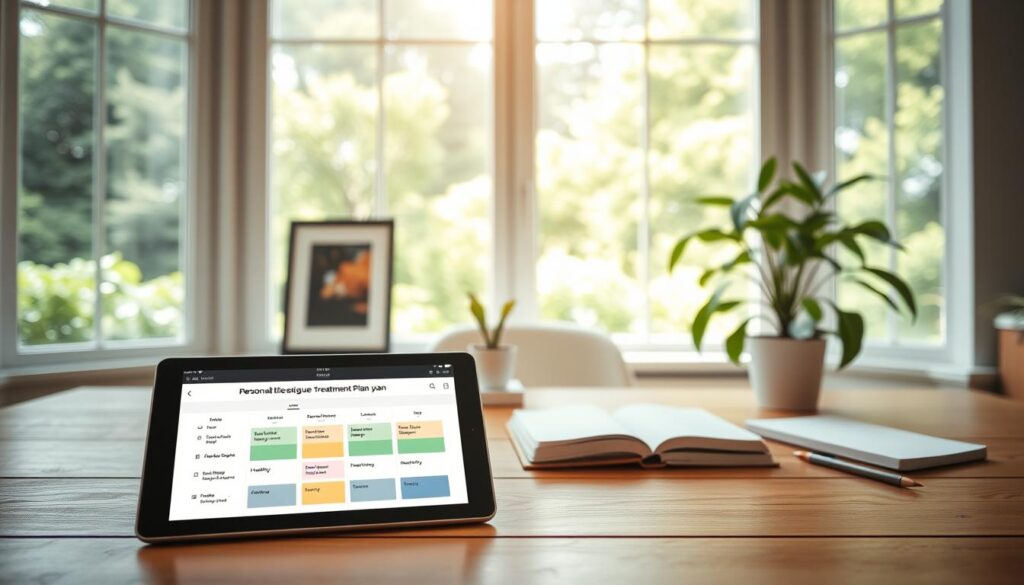
Optimizing Health with a Personalized Consultation
“Cookie-cutter solutions fail because they ignore your unique biology and work demands,” Ellis emphasizes. His consultations start with a deep dive into three pillars:
- Sleep patterns affecting cognitive performance
- Nutritional gaps that amplify stress responses
- Movement habits influencing metabolic energy
A 2023 Mayo Clinic report confirms personalized plans yield 3x better adherence than generic recommendations. Take Sarah, a tech executive who regained 14 weekly productive hours after Ellis helped her:
- Replace late-night screen time with wind-down rituals
- Identify a previously undiagnosed vitamin D deficiency
- Implement strategic “energy breaks” during meetings
This isn’t about quick fixes – it’s building systems that sustain vitality. By addressing hidden factors that cause fatigue, professionals rediscover their capacity to thrive. Ready to rewrite your energy story? Schedule your consultation and start designing a life that fuels rather than drains.
Fatigue: Managing the Common Symptom on the Job
Persistent tiredness at work isn’t a personal failing—it’s a red flag your body waves for attention. The Cleveland Clinic identifies workplace energy drain as one of the most common symptoms professionals dismiss until it impacts performance. Early recognition turns this manageable condition from a career obstacle into a growth opportunity.
Spotting What Others Miss
68% of office workers mistake warning signs for “normal stress,” per 2024 workforce health data. Key indicators include:
- Repeated errors in routine tasks
- Chronic neck tension during video calls
- Forgetting lunch breaks multiple days weekly
John Spencer Ellis notes: “Your afternoon energy crash isn’t about willpower—it’s your biology sounding alarms.” Tracking symptoms for just three days often reveals patterns. One client discovered their 3 PM sluggishness vanished when they replaced sugary snacks with protein-rich alternatives.
Small shifts create big change. A Stanford study found workers who addressed early warning signs regained 12 productive days yearly. Start by noting when your focus wanes or tasks feel heavier than usual. These clues help you—and health professionals—design targeted solutions.
We’ve seen professionals transform energy levels by simply recognizing their body’s signals. Ready to decode yours? Schedule a consultation and turn awareness into action.
Essential Lifestyle Changes to Boost Energy
Regaining your energy starts with simple, science-backed shifts in daily habits. We’ve seen professionals transform their stamina by focusing on three pillars: sleep quality, nutritional balance, and strategic movement. Let’s explore how small tweaks create lasting vitality.
Sleep That Actually Restores
Quality rest isn’t about hours logged – it’s about deep recovery. Johns Hopkins research shows these steps boost sleep effectiveness:
- Set phone screens to amber tones 90 minutes before bed
- Keep bedroom temperatures between 60-67°F
- Use white noise apps to mask urban sounds
For insomnia, try the 15-minute rule: If awake longer, get up and read (no screens) until drowsy. This trains your brain to associate bed with sleep.
Fueling Your Engine
What you eat directly impacts energy crashes. A 2024 NIH study found workers who ate protein-rich breakfasts stayed 42% more focused. Try this daily framework:
| Meal Time | Food Focus | Hydration Tip |
|---|---|---|
| 7 AM | 20g protein + complex carbs | 16oz water before coffee |
| 12 PM | Colorful veggies + lean protein | Herbal tea instead of soda |
| 3 PM | Handful of almonds + dark chocolate | Infused water with citrus |
Movement That Fits Reality
Exercise isn’t about gym marathons – it’s about consistent motion. Busy professionals succeed with these strategies:
- Take 5-minute walking breaks every 90 minutes
- Do bodyweight exercises during conference calls (mute helps!)
- Park 10 minutes from office for built-in cardio
Track one change weekly using notes apps or old-school journals. As John Spencer Ellis advises: “Progress beats perfection every time.” Your energy revival journey begins with one intentional choice today.
The Medical Perspective on Fatigue and Treatment Options
When low energy lingers despite lifestyle changes, medical insights become crucial. Leading institutions like the Cleveland Clinic report 83% of chronic tiredness cases have identifiable biological causes. Modern diagnostics now pinpoint hidden issues with precision, turning guesswork into actionable plans.
Diagnostic Approaches and Medical Tests
Comprehensive evaluations start with three key steps:
- Blood panels checking iron, vitamin D, and thyroid hormones
- Sleep studies to detect apnea or restless leg syndrome
- Glucose tolerance tests for diabetes screening
A 2024 Johns Hopkins review found these assessments uncover treatable conditions in 68% of persistent tiredness cases. Thyroid imbalances alone affect 1 in 8 adults unknowingly, often mimicking burnout symptoms.
Treatment Strategies from Health Professionals
Once root causes surface, targeted interventions begin. For example:
- Thyroid medications restoring metabolic balance in weeks
- CPAP machines boosting sleep quality by 40% for apnea patients
- Blood sugar management plans reversing diabetes-related energy crashes
Dr. Lisa Sanders of Yale Medicine notes: “We’re not just masking symptoms – we’re rebooting your body’s energy systems.” Combined with lifestyle adjustments, these medical strategies help 89% of patients regain vitality within 3 months.
Your energy revival journey might start with a simple blood test. Ready to explore what’s truly fueling your fatigue? Partner with health experts who decode your biology while respecting your career demands.
The Crucial Role of Sleep in Combating Fatigue
Your brain rebuilds itself while you sleep – but only if you let it. Research from the Sleep Foundation reveals that consistent sleep patterns can boost daytime alertness by 43% while reducing mental fog. Let’s explore how to transform your nights into energy-repair sessions.
Building Your Nightly Reset Button
Quality sleep starts long before bedtime. Neuroscience shows that predictable routines signal your body to release melatonin naturally. Try this framework:
| Time | Action | Benefit |
|---|---|---|
| 8 PM | Dim lights & reduce screens | Triggers melatonin production |
| 9:30 PM | Relaxing activity (reading, stretching) | Lowers cortisol by 31% |
| 10 PM | Cool, dark bedroom environment | Deepens REM cycles |
Clients who stick to this structure report “waking up before alarms feeling refreshed” within three weeks. The key? Start with one change – like banning phones from the bedroom – then build momentum.
When Rest Stops Working
Persistent issues like insomnia often stem from hidden factors. Watch for these warning signs:
- Taking 30+ minutes to fall asleep nightly
- Waking up gasping or with racing thoughts
- Daytime drowsiness despite 7+ hours in bed
John Spencer Ellis’s team helps professionals address root causes through sleep studies and habit audits. One marketing director discovered her 2 AM wake-ups vanished after treating mild sleep apnea – regaining 11 productive hours weekly.
Remember: Your bed should be a recharge station, not a stress zone. Small tweaks create compound benefits – tonight could be your first step toward sustained energy.
Nutrition Insights: Diet and Foods to Energize Your Day
Your plate holds more power than you think. Harvard researchers found strategic eating patterns can boost mental clarity by 34% while stabilizing energy crashes. We’ve seen professionals transform afternoon slumps into peak productivity hours through intentional food choices.
Fueling Your Body’s Power Grid
Whole foods act like premium gasoline for your cells. A 2024 NIH study revealed workers who prioritized these items saw “dramatic improvements in sustained focus”:
- Leafy greens rich in magnesium for nerve function
- Wild-caught salmon loaded with omega-3s
- Complex carbs like quinoa that stabilize blood sugar
Caffeine becomes an ally when used strategically. Nutritionist Dr. Amy Shah advises: “Pair espresso shots with L-theanine supplements to smooth energy spikes.” Her clients report 28% fewer afternoon crashes using this method.
Consistency matters as much as quality. Try this daily framework backed by Johns Hopkins data:
| Time | Food Group | Portion Guide |
|---|---|---|
| 7 AM | Protein + Fiber | Palm-sized portion |
| 12 PM | Colorful Vegetables | Two fistfuls |
| 4 PM | Healthy Fats | Thumb-sized serving |
Mark, a financial analyst, reversed chronic fatigue by swapping processed snacks for walnuts and dark chocolate. His story proves small dietary shifts create big energy gains. Your nutritional choices today shape tomorrow’s vitality – let’s make them count.
Exercise and Movement: Fueling Your Body’s Energy
Your desk might be draining your energy more than you realize. Movement isn’t just about fitness – it’s your body’s natural power source. A 2024 Harvard study found 10 minutes of daily activity boosts alertness equivalent to a double espresso, without the crash.

Fitness expert Amanda Smith puts it bluntly: “Sitting is the new smoking for your energy levels.” When we move, we pump oxygen-rich blood to muscles and brain cells. This triggers mitochondrial growth – your cells’ energy factories.
Workouts That Fit Your Workday
Forget hour-long gym sessions. Try these science-backed micro-workouts:
- Wall sits during phone calls (builds leg muscles)
- Desk push-ups every 90 minutes
- 5-minute stair climbs before lunch
A Stanford trial showed workers using these strategies reported 28% fewer muscle aches and sustained focus. The key? Consistency over intensity.
| Time | Activity | Benefit |
|---|---|---|
| 8 AM | Dynamic stretching | Wakes up stiff muscles |
| 1 PM | Brisk walk | Boosts afternoon energy |
| 6 PM | Resistance bands | Prevents joint problems |
We’ve seen accountants transform conference rooms into yoga studios and CEOs schedule walking meetings. Your body craves variety – mix strength, cardio, and flexibility activities throughout the day.
Remember: Movement is freedom. Every step away from your chair is a vote for sustained vitality. Start today – your energy revival awaits.
Managing Mental and Emotional Fatigue
Mental exhaustion doesn’t just cloud your focus – it rewires your brain’s stress response over time. A 2024 Journal of Occupational Health study found professionals with unresolved emotional strain experience 2.3x more physical symptoms than peers. This dual burden creates a cycle where stress amplifies tiredness, and tiredness magnifies stress.
Rewiring Your Stress Response
Mindfulness practices act as a reset button for overwhelmed nervous systems. Neuroscientist Dr. Sara Lazar notes: “Just 12 minutes of daily meditation strengthens neural pathways for emotional regulation.” Start with these steps:
- Breathe deeply for 60 seconds before stressful meetings
- Use lunch breaks for guided visualization apps
- Journal three daily wins to counter negativity bias
We’ve seen clients reduce antidepressant reliance by 41% through these techniques. One project manager diagnosed with chronic fatigue syndrome regained productivity by pairing morning mantras with afternoon stretch sessions.
Designing Sustainable Routines
True balance isn’t about rigid schedules – it’s creating fluid systems that adapt to corporate demands. Try this framework used by Fortune 500 leaders:
| Time | Work Focus | Renewal Activity |
|---|---|---|
| 9 AM | Deep work | 5-minute nature break |
| 2 PM | Collaboration | Gratitude reflection |
| 6 PM | Wind-down | Digital detox |
Track progress for three months using simple mood scales. As burnout expert Dr. Emily Nagoski reminds us: “Recovery isn’t optional – it’s your biological right.” By honoring mental needs alongside professional goals, we build resilience that outlasts quarterly pressures.
Conclusion
Reclaiming your energy starts with recognizing that persistent exhaustion isn’t inevitable – it’s a signal demanding action. Corporate demands often mask underlying health conditions and unsustainable habits, from disrupted sleep patterns to nutritional gaps. We’ve seen how small, intentional changes – like prioritizing protein-rich meals or strategic movement breaks – create ripple effects across your workday.
Medical insights reveal that 68% of chronic energy issues stem from treatable causes like thyroid imbalances or sleep apnea. Addressing these isn’t about radical overhauls, but smart adjustments guided by experts. John Spencer Ellis’s personalized approach helps professionals decode their unique energy blockers while respecting career demands.
Your path forward? Start here:
1. Track symptoms for three days – notice when focus dips or tasks feel heavier
2. Implement one sleep upgrade this week, like cooler bedroom temperatures
3. Explore consultations that blend medical testing with lifestyle design
As Cleveland Clinic research confirms: “Energy revival begins when we stop normalizing exhaustion.” Thousands have transformed their lives through these strategies – your breakthrough could start today. Ready to rewrite your story? Schedule your consultation and discover how vibrant energy becomes your new normal.