
As we step into 2025, the digital nomad lifestyle continues to evolve, offering a world of opportunities for remote workers. With over 40 million people embracing this flexible way of living, the demand for vibrant, affordable, and well-connected cities has never been higher. Whether you’re a seasoned nomad or just starting your journey, understanding the latest trends is key to making the most of your experience.
Embracing a nomadic lifestyle isn’t just about work—it’s about living fully. It’s about immersing yourself in new cultures, building global connections, and thriving in a world that values flexibility. Today’s digital nomad cities are more than just places to work; they’re hubs of innovation, creativity, and community. From the temperate climate of Medellín to the affordability of Tbilisi, each destination offers unique advantages that cater to different lifestyles and preferences.
The rise of remote work has reshaped how we view our lives and careers. As digital nomad communities grow, so do the resources available to support this lifestyle. Initiatives like Georgia’s “Remotely from Georgia” program and the expanding coworking spaces in Ho Chi Minh City highlight the global shift toward embracing remote workers. These developments not only make it easier to find your ideal spot but also foster a sense of belonging among like-minded individuals.
With the increasing participation in remote work, the concept of a “digital nomad city” is becoming more defined. These cities offer a mix of affordability, high-speed internet, and vibrant communities. As you explore these emerging hotspots, remember that success often starts with proper planning. Consulting with experts like John Spencer Ellis can provide valuable insights to help you navigate your journey confidently.
Key Takeaways
- The digital nomad population surpassed 40 million in 2024, highlighting the lifestyle’s growing popularity.
- Cities like Medellín and Tbilisi offer unique advantages such as pleasant climates and affordability.
- Programs like Georgia’s “Remotely from Georgia” simplify visa processes for remote workers.
- Coworking spaces and communities are expanding in destinations like Ho Chi Minh City.
- Planning and expert advice are crucial for a successful digital nomad experience.
Introduction to the Digital Nomad Lifestyle in 2025
Embracing the digital nomad lifestyle in 2025 means living life on your own terms, anywhere in the world. This lifestyle offers the freedom to work remotely while exploring new cultures and building global connections. For many, it’s about more than just a job—it’s a way to live fully and thrive in a world that values flexibility.
In 2025, remote work has evolved significantly, thanks to advancements in internet connectivity and global networks. High-speed internet is now more accessible than ever, allowing professionals to stay productive from anywhere. This shift has created a balance between work and leisure, defining the modern digital nomad experience.
Today, every person seeking freedom can harness these opportunities. Whether you’re working from a bustling city or a serene coastal town, the digital nomad lifestyle is about choice and flexibility. It’s a collective journey, where like-minded individuals come together to support and inspire one another.
As we navigate this new world of work, the digital nomad lifestyle continues to empower individuals. It’s a path that blends personal growth with professional success, offering a unique way to experience life.
| Destination | Visa Requirements | Key Benefits |
|---|---|---|
| Costa Rica | $3,000/month | Stable economy, lush environment |
| Portugal | €3,280/month | Mild climate, 5G network |
| Bali, Indonesia | Tax-free for 5 years | Cultural richness, affordable living |
“The digital nomad lifestyle is a powerful way to redefine what work and life mean to you. It’s about freedom, exploration, and connecting with the world on your terms.”
Top Digital Nomad Locations to Live and Work
Choosing the right destination is crucial for a fulfilling remote work experience. Key criteria include reliable internet, cost of living, cultural vibe, and access to coworking spaces.
Key Criteria for Location Selection
- Connectivity: Fast and consistent internet is essential for productivity.
- Affordability: Lower living costs can significantly impact your budget.
- Culture: A vibrant cultural scene enhances your lifestyle experience.
- Community: Thriving expat and nomad communities offer support and networking.
Trending Destinations and Regional Highlights
Cities like Tbilisi and Medellín are gaining popularity for their unique blend of culture and affordability. Tbilisi offers a low cost of living and rich cultural experiences, while Medellín boasts a pleasant climate and growing expat community.
These cities exemplify how the right environment can boost both productivity and well-being, making them ideal for remote workers seeking a balanced lifestyle.
Exploring Global Offbeat Destinations
Venturing off the beaten path can lead remote workers to discover unique destinations that offer a blend of culture and affordability. These hidden gems are perfect for those seeking an authentic experience away from tourist crowds.
Hidden Gems: Tbilisi, Lake Atitlan, and Beyond
Tbilisi, Georgia, stands out as a cultural melting pot with a low cost of living. Its historic architecture and vibrant arts scene make it a fascinating home for remote workers. Similarly, Lake Atitlan in Guatemala offers a serene environment with a mindful community, providing a unique lifestyle that balances work and well-being.
Real-Life Experiences and Cultural Vibes
Imagine waking up in Hpa An, Myanmar, where affordable living and reliable internet create an ideal setup for productivity. Or picture Auroville, India, with its focus on communal living and sustainable practices. These destinations offer more than just a place to work; they provide a sense of belonging and cultural enrichment.
Remote workers are drawn to these locations because they offer a chance to immerse themselves in local traditions and connect with like-minded individuals. The lower cost of living in these areas allows for a more sustainable lifestyle, making them attractive options for those looking to extend their travels.
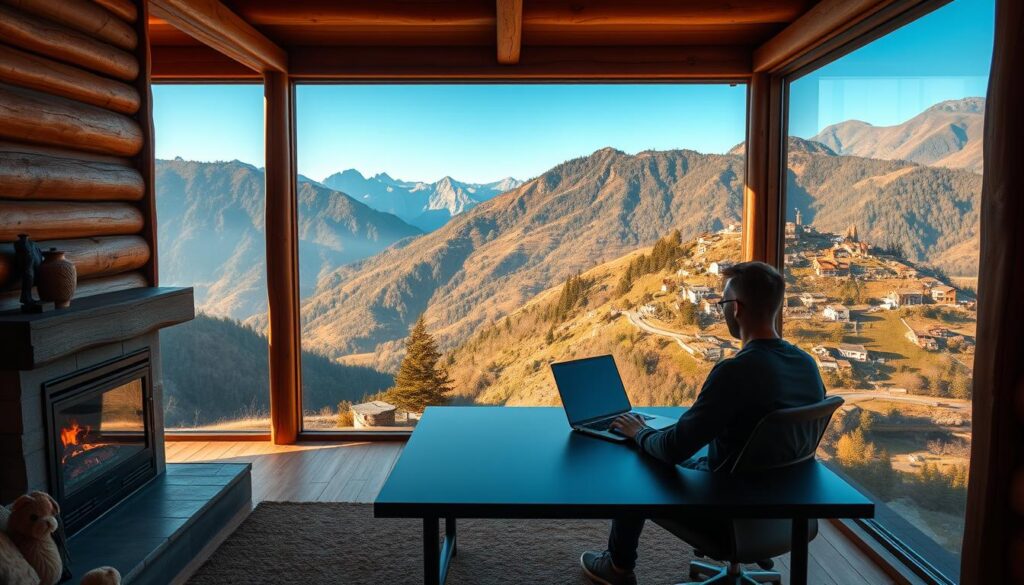
As you explore these offbeat destinations, you’ll find that each offers a distinct charm. Whether it’s the creative cafes of Tbilisi or the peaceful surroundings of Lake Atitlan, these places provide the perfect balance of work and leisure. For more insights on European hotspots, visit John Spencer Ellis to discover how these destinations can become your new home.
Benefits and Challenges of Remote Work Worldwide
Remote work has transformed how we view productivity and lifestyle, offering unparalleled freedom and challenges. As we explore this global phenomenon, it’s essential to weigh the advantages against the obstacles.
One of the undeniable benefits is the flexibility remote work offers. Professionals can operate from any country, immersing themselves in diverse cultures while maintaining productivity. Chiang Mai, for instance, stands out as a hub with a thriving community and straightforward visa processes, making it an attractive choice for many.
Cost efficiency is another significant advantage. Lower living expenses in destinations like Chiang Mai allow remote workers to allocate resources more effectively. However, this benefit can be offset by fluctuating cost of living in other regions, which may strain budgets.
Despite the perks, challenges persist. Navigating visa complexities and dealing with inconsistent internet access can hinder productivity. Additionally, the isolation that often accompanies remote work can lead to emotional strain, highlighting the importance of building a robust community.
Many countries are now introducing specific visa programs to cater to remote workers, simplifying legal processes and enhancing appeal. These initiatives not only facilitate longer stays but also offer potential tax benefits, creating a more welcoming environment.
In conclusion, while remote work offers remarkable opportunities, it also presents challenges that require careful navigation. By understanding these dynamics, remote workers can make informed decisions, ensuring a balanced and fulfilling lifestyle.
Essential Digital Nomad Visa & Residency Insights
Understanding the visa options and legal requirements is crucial for a seamless transition into the digital nomad lifestyle. With over 55 countries now offering specific visas for remote workers, the process has become more structured, yet still requires careful navigation. This section breaks down the key aspects of securing the right visa and managing the associated costs and legalities.
Visa Options and Application Processes
Various countries offer tailored visa programs catering to remote workers. Italy, for instance, provides a “Remote Work Visa” with a minimum income requirement of $2,066 per month. Thailand’s “Smart Visa offers a renewable one-year stay, while Georgia’s program requires just $2,000 monthly, making it an attractive option for many.
- Italy: $2,066/month minimum income, valid for one year.
- Thailand: Renewable one-year stay with a “Smart Visa.”
- Georgia: $2,000/month with no application fee.
Managing Costs and Legalities
Beyond income requirements, application fees and legal obligations vary. Costs range from $50 to over $500, with some countries like Argentina offering free applications. Legal considerations include tax implications for extended stays and ensuring compliance with local regulations.
| Destination | Visa Type | Minimum Income | Duration |
|---|---|---|---|
| Italy | Remote Work Visa | $2,066/month | 1 year |
| Thailand | Smart Visa | Varies | 1 year (renewable) |
| Georgia | Remote Work Visa | $2,000/month | 1 year |
For more insights on navigating these programs, visit John Spencer Ellis for expert advice on simplifying your transition.
By understanding these options and managing costs effectively, you can embark on your digital nomad journey with confidence and clarity.
Building a Vibrant Digital Nomad Community
Thriving communities are at the heart of every successful nomad destination. These hubs offer more than just a place to work; they provide a sense of belonging and opportunities for growth. Whether you’re in Valencia or Dubai, the right environment can elevate both your work and lifestyle.
Networking and Co-Working Spaces
Coworking spaces are more than just offices—they’re the lifeblood of nomad destinations. They foster collaboration and offer a much-needed break from isolation. For instance, Valencia’s vibrant hubs combine high-speed internet with inspiring surroundings, making them ideal for productivity.
These spaces often host networking events, which can boost collaboration by up to 40%. Imagine attending a skill-sharing session in Dubai, where you can connect with like-minded individuals while enjoying local food and culture. Such events not only enhance your professional network but also enrich your personal experiences.
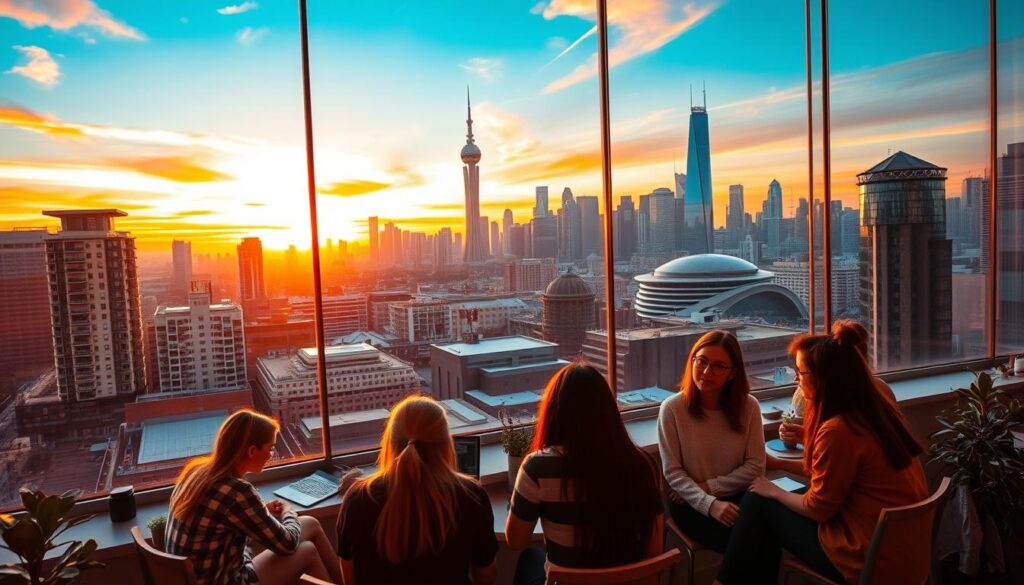
Creating meaningful relationships is key to a fulfilling experience. By actively engaging with your community, you can build a support system that makes every place feel like home. For tips on connecting with others, visit John Spencer Ellis for expert advice.
Infrastructure Essentials for Successful Remote Work
When it comes to remote work, the right infrastructure can make all the difference. Reliable internet, affordable living costs, and access to lifestyle amenities are key to staying productive and satisfied. Let’s dive into what makes a location ideal for remote workers.
Reliable Internet and Communication Technologies
A strong internet connection is the backbone of any remote work setup. Cities like Tallinn, Estonia, and Medellín, Colombia, offer consistent speeds of 20-30 Mbps, ensuring smooth communication and task execution. With over 75% of remote workers prioritizing internet access, it’s no surprise that locations with advanced connectivity see higher satisfaction rates.
Evaluating Cost of Living and Lifestyle Amenities
Affordable living is a major draw for remote workers. Destinations like Tbilisi, Georgia, and Chania, Greece, offer a low cost of living with monthly expenses ranging from $800 to $1,500. These places also boast vibrant cultural scenes, combining historic charm with modern amenities. Imagine spending your day working from a seaside café in Chania or exploring the historic streets of Tbilisi—blending work with a fulfilling lifestyle is easier than ever.
| Destination | Internet Speed | Monthly Living Cost | Key Amenities |
|---|---|---|---|
| Tbilisi, Georgia | 15-30 Mbps | $800 – $1,200 | Rich culture, historic architecture |
| Chania, Greece | 15-30 Mbps | $1,000 – $2,000 | Beach access, scenic views |
| Medellín, Colombia | 15-30 Mbps | $1,000 – $1,800 | Mild climate, growing expat community |
Even a single day in a well-equipped location can boost productivity. For instance, working from a beachside co-working space in Bali or enjoying the serene environment of Lake Atitlán can enhance focus and creativity. These environments not only meet practical needs but also enrich your overall experience.
When planning long-term remote work, consider infrastructure as a critical factor. From reliable internet to affordable living, the right setup ensures both productivity and satisfaction. For more insights on creating an ideal remote work environment, visit John Spencer Ellis for expert tips on thriving as a remote worker.
Insights from Leading Digital Nomad Reports and Industry Trends
As we explore the evolving landscape of remote work, recent studies shed light on key trends shaping the future of digital nomadism. These insights offer a guide for anyone looking to navigate this dynamic world effectively.
Highlights from Recent Studies
According to a comprehensive report by Dojo, the number of digital nomads in the U.S. has reached 18.1 million, marking a 4.7% increase from the previous year. Globally, this figure stands at 35 million, with the U.S. alone accounting for nearly half of the world’s digital nomad population.
- The U.S. digital nomad population has grown by 131% since pre-pandemic levels, with a significant surge observed in independent workers.
- 64% of digital nomads work full-time, while 36% opt for part-time arrangements, reflecting a diverse range of work styles.
- Companies are increasingly adapting to this trend, with many offering flexible visa options to attract remote talent.
These trends highlight a shift toward more sustainable and low-cost living options. Many digital nomads are drawn to destinations offering affordable housing and reliable infrastructure, creating a win-win scenario for both workers and host countries.
As the digital nomad community continues to grow, so does the need for comprehensive guides and resources. Experts like John Spencer Ellis provide valuable insights, helping remote workers navigate visa processes and long-term planning. Visit his guide at John Spencer Ellis for expert advice.
Overall, these reports underscore the importance of staying informed in a rapidly changing environment. By leveraging these insights, remote workers can make informed decisions, ensuring a fulfilling and productive experience.
Conclusion
Embracing the freedom of the entrepreneur lifestyle is a powerful way to redefine your path and create a quality life on your own terms. As we explore the ever-evolving world of remote work, the streets of vibrant cities and the comfort of serene towns offer endless opportunities for growth and self-discovery.
Being an entrepreneur or independent worker means having the freedom to choose where and how you live. Whether you’re navigating the bustling streets of a new city or finding peace in a quiet town, the way you design your life is entirely up to you. The key is to balance affordability, reliable infrastructure, and a supportive community that aligns with your values.
As you embark on this journey, remember that success lies in careful planning and a willingness to embrace change. From understanding visa processes to finding the perfect blend of cost and quality of life, every decision brings you closer to your goals. Take the next step confidently—explore new territories, engage with like-minded individuals, and build a life that reflects your true self.
For those ready to take action, resources like John Spencer Ellis’s guide offer valuable insights to help you navigate your path. Start your journey today and work towards a quality life that is both fulfilling and empowering.