
We’re seeing a revolution in how professionals approach work-life balance. Europe stands at the forefront of this movement, blending historic charm with modern conveniences that cater to remote workers. With visa-free stays exceeding 30 days for many travelers and world-class healthcare systems, the continent offers stability for those building location-independent careers.
What makes these destinations stand out? Cities here combine reliable internet speeds with affordable living costs – think Romania’s top-tier connectivity or Serbia’s budget-friendly groceries. From Poland’s vibrant coworking hubs to Slovenia’s compact, walkable cities, you’ll find communities that value both productivity and cultural immersion.
Our research highlights strategic locations where ambitious professionals thrive. Spain’s Canary Islands deliver beachside workspaces, while Hungary’s capital Budapest mixes thermal baths with tech meetups. For those ready to transform their career path, exploring these European hotspots could be your first step toward true freedom.
Key Takeaways
- Europe provides visa-free access for 30+ days to most passport holders
- Affordable living costs in countries like Romania and Serbia stretch budgets further
- Top-tier internet speeds support remote work across Eastern and Southern Europe
- Thriving expat communities ease cultural transitions in cities like Budapest and Porto
- Mix of historic landmarks and modern amenities creates ideal work-life environments
Introduction: Embracing the Digital Nomad Lifestyle
Workplaces without borders are becoming the new normal. Professionals now prioritize experiences over cubicles, leveraging technology to design careers that thrive across continents. This shift demands locations offering both productivity tools and cultural richness – a balance Europe masters uniquely.
Defining the Modern Nomad Life
We see this lifestyle as intentional freedom. It’s not just working remotely – it’s strategically choosing environments that fuel growth. Successful professionals blend reliable workspaces with local immersion, avoiding tourist traps for authentic communities. Since 2014, many have discovered smaller towns often provide richer experiences than crowded hubs.
Why Europe Stands Apart
Three factors make Europe unmatched for location-independent careers:
- Infrastructure: 98% of EU countries offer internet speeds above 30 Mbps
- Cost efficiency: Living expenses in Eastern Europe average 40% less than Western cities
- Community support: 72% of remote workers report easier networking here than in Asia
| Country | Avg. Internet Speed | Monthly Cost | Expat Communities | Visa Flexibility |
|---|---|---|---|---|
| Romania | 120 Mbps | $1,200 | 45+ coworking spaces | 90-day access |
| Serbia | 65 Mbps | $900 | 12 active meetup groups | 6-month visa options |
| Hungary | 85 Mbps | $1,100 | Budapest tech hub | 1-year residency |
Europe’s blend of historic charm and modern policies creates ideal conditions for sustainable remote careers. Those ready to transition should consult experts like Coach John Spencer Ellis to navigate visa processes and cultural adaptation smoothly.
Exploring Unique Digital Nomad Destinations in Europe
Historic European cities are reinventing themselves as hubs for modern professionals. We’ve found locations where cobblestone streets meet lightning-fast WiFi, creating spaces that fuel both productivity and curiosity. These time-tested urban centers offer more than postcard views – they’re living ecosystems where work and culture collide organically.
Highlights from Historic Cities
Tbilisi, Georgia bridges Europe and Asia with its vibrant energy. For €300/month, you’ll secure a central apartment and savor khinkali dumplings at local eateries. The city’s 30+ Mbps internet speeds hold steady in coworking spaces housed in Soviet-era buildings turned creative hubs.
Plovdiv, Bulgaria – one of Europe’s oldest continuously inhabited places – blends Roman ruins with indie art galleries. As the 2019 European Capital of Culture, it hosts open-air concerts in ancient amphitheaters. Monthly budgets here rarely exceed €900, even with weekend trips to nearby Balkan villages.
These cities prove history doesn’t limit progress. Their preserved architecture houses tech incubators, while seasonal events like Tbilisi’s Tsinandali Festival create natural networking opportunities. For those planning extended trips, our guide to backpacking adventures through Europe offers practical insights for blending work with exploration.
Cultural Vibes and Local Flavors
Breaking bread with locals unlocks deeper cultural understanding while keeping budgets intact. Europe’s culinary landscapes reveal traditions shaped by centuries of trade and innovation – perfect fuel for adventurous professionals.
Savoring Local Cuisine and Street Food
We’ve tasted our way through cobblestone alleys and bustling plazas to identify flavor-packed destinations. In Tbilisi, khachapuri cheese bread costs €2 at family-run spots. Portugal’s Algarve region serves sardines grilled over open flames for €4. These experiences prove great food needs no white tablecloths.
| City | Signature Dish | Average Cost | Best Time to Visit |
|---|---|---|---|
| Tbilisi | Khinkali Dumplings | €3.50 | Spring/Fall |
| Porto | Francesinha Sandwich | €6 | Year-round |
| Kraków | Obwarzanek (Ring Bread) | €0.80 | Summer Markets |
Morning markets become cultural classrooms. We’ve bartered for Bulgarian peppers using phrasebook Serbian, then shared recipes with Croatian vendors. These interactions often spark invitations to family dinners or hidden-gem restaurants.
Street food fuels productivity between meetings. Lisbon’s bifana stands let us grab pork sandwiches mid-task. Berlin’s currywurst trucks serve quick lunches under 30 minutes. For evening networking, Split’s waterfront konobas mix fresh seafood with lively conversation.
Europe’s emphasis on seasonal ingredients keeps meals exciting and affordable. We prioritize cities where food markets double as community hubs – places where workdays naturally blend with cultural discovery.
Top Cities and Places for Digital Nomad Destinations
Strategic locations across Europe are redefining remote work possibilities. We prioritize cities where professionals thrive long-term – not just scenic stops. Our criteria? Reliable infrastructure, authentic culture, and communities that value both productivity and exploration.
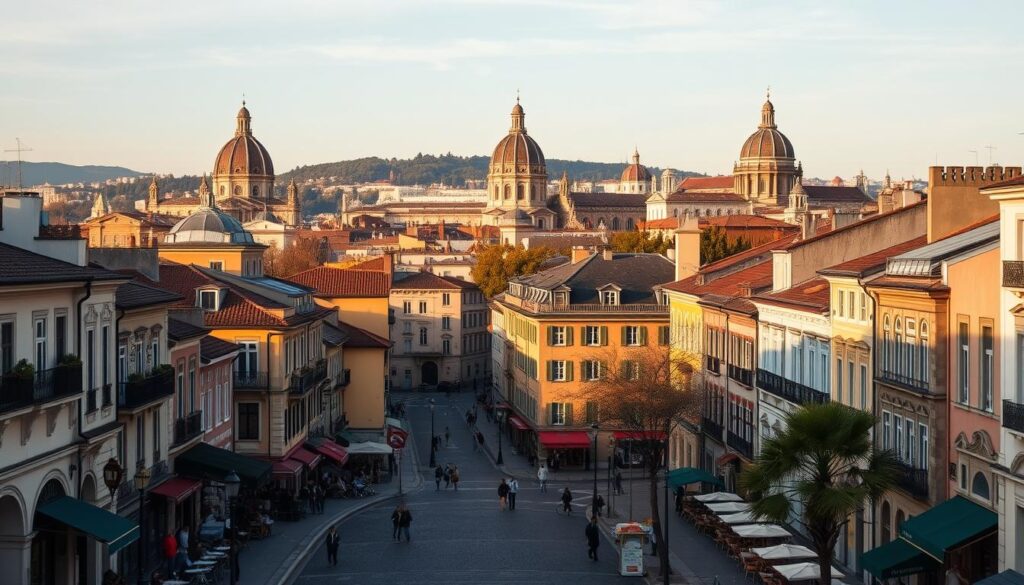
Croatia’s Dalmatian Coast delivers unmatched value. Zadar’s sea-view apartments cost €600/month, while Šibenik’s stone-walled cafes serve three-course meals under €15. Both places offer ferry access to island escapes between video calls.
| City | Monthly Rent | Internet Speed | Unique Perk |
|---|---|---|---|
| Bansko, BG | €180 | 50 Mbps | Free mountain festivals |
| Cluj-Napoca, RO | €400 | 200 Mbps | Tech meetups weekly |
| Cagliari, IT | €500 | 150 Mbps | Beach coworking spaces |
Bulgaria’s Bansko surprises with €1.50 craft beers and ski-slope workspaces. “We’ve built a year-round ecosystem here,” says local entrepreneur Viktor Krumov. “Winter brings powder days, summer offers hiking trails – always fast WiFi.”
Romania’s Cluj-Napoca rivals Chiang Mai for tech talent density. Its universities feed a startup scene buzzing in repurposed factories. For those seeking Mediterranean access, Sardinia’s capital Cagliari combines ancient ruins with fiber-optic cafes.
These destinations prove you don’t need crowds to find connection. Discover more must-visit locations that balance productivity with cultural depth across Europe’s hidden gems.
Accessible Infrastructure and Seamless Connectivity
Europe’s backbone for modern professionals isn’t just scenic views – it’s cutting-edge infrastructure that powers productivity. We’ve mapped locations where lightning-fast connections meet flexible work environments, creating ecosystems where careers flourish.
Fast Internet and Reliable Workspaces
Bulgaria’s 120 Mbps average speeds outpace many Western nations. Romania’s Cluj-Napoca leverages 200 Mbps connections in repurposed factory spaces. These cities prove fast internet isn’t confined to capital cities.
| City | Avg Speed | Data Cost | Workspace Options |
|---|---|---|---|
| Sofia, BG | 120 Mbps | Free public WiFi | 32 hybrid spaces |
| Cluj-Napoca, RO | 200 Mbps | €15/month | Tech campus hubs |
| Tbilisi, GE | 75 Mbps | €6/5GB | 24/7 cafes |
We design days around flexibility. Morning video calls happen in riverfront coworking spots, while afternoons shift to parks with LTE hotspots. Europe’s blend of formal and informal spaces fuels creativity without compromising reliability.
Backup options abound. Budapest offers three major ISPs per district, while Lisbon’s free municipal networks cover 98% of public areas. When deadlines loom, night-owl facilities in Prague and Warsaw ensure 24/7 access.
Infrastructure investments reach beyond cities. Slovenia’s mountain villages now feature fiber-optic lines, and Croatia’s island communities boast 5G towers. This continent-wide commitment keeps professionals connected whether they’re coding in capitals or brainstorming on beaches.
Affordability and Cost of Living Advantages
Smart financial strategies transform extended stays into life-changing experiences across Europe. We focus on locations where daily expenses become investments in cultural immersion rather than barriers to freedom.
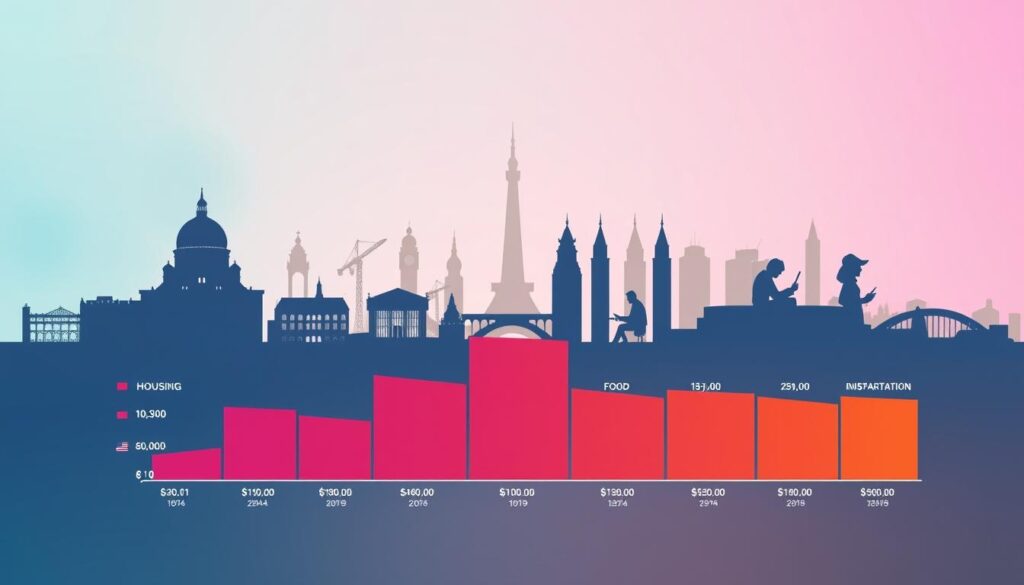
Budget Blueprints That Work
We’ve identified cities where $1,500 monthly budgets unlock premium lifestyles. Bansko, Bulgaria delivers mountain views and coworking memberships for less than studio apartment rents in Chicago. Local markets here sell fresh produce at 60% below U.S. supermarket prices.
| City | Monthly Rent | Food Budget | Unique Savings |
|---|---|---|---|
| Bansko, BG | $180 | $300 | Free thermal baths |
| Cluj-Napoca, RO | $400 | $250 | Tech event discounts |
| Portimão, PT | $550 | $350 | Beachside workspaces |
| Plovdiv, BG | $350 | $280 | Historic district WiFi zones |
Romania’s Cluj-Napoca proves urban living doesn’t require overspending. Weekly groceries cost $35 at piața markets, while coworking cafes charge $1.50/hour. “We designed our spaces to support six-month stays,” explains local founder Andrei Popescu.
Portugal’s Algarve coast offers year-round value. Off-season rentals drop 40% from November to March. Beachfront bars serve grilled sardines with vinho verde for $6 – ideal sunset networking spots.
We prioritize locations with transparent utility costs and reliable public transit. Bulgaria’s dual-pricing system benefits long-term residents, while Hungary’s residency programs reduce visa fees for those staying 12+ months.
Style and Community for Men on the Move
Strong relationships form the backbone of sustainable mobile lifestyles. We’ve discovered locations where professionals build lasting connections through shared workspaces and local traditions. These dynamic environments transform temporary stays into meaningful chapters of personal growth.
Networking and Shared Experiences
Bulgaria’s mountain town Bansko shows how community-driven spaces evolve naturally. Former visitors now run co-living hubs where skill-sharing sessions blend with hiking trips. Weekly meetups in repurposed ski lodges prove collaboration thrives beyond traditional offices.
Urban centers offer different advantages. Lisbon’s LX Factory hosts rooftop mixers beside artisan workshops, while Berlin’s Neukölln district turns street art walks into networking opportunities. We prioritize neighborhoods where casual interactions spark partnerships – think Budapest’s ruin bars or Porto’s riverside markets.
Nightlife here serves purpose beyond entertainment. Barcelona’s vermouth hours become brainstorming sessions, and Kraków’s craft beer spots host impromptu masterminds. For those willing to engage, Europe delivers countless organic ways to connect with like-minded people while respecting cultural nuances.
True freedom emerges when work and life intersect authentically. By choosing locations that value human connection as much as productivity, professionals craft lifestyles where every interaction becomes a step toward broader horizons.