
Have you ever wondered if there’s a perfect time to embrace a location-independent lifestyle? Many believe this path is reserved for the young, but the truth is far more inspiring. Age is not a barrier—it’s an asset. With life experience and maturity, you’re better equipped to navigate the challenges and opportunities of this lifestyle.
John Spencer Ellis, a pioneer in personal freedom and entrepreneurship, has long championed the idea of escaping the rat race. His journey shows that it’s never too late to redefine your life. Whether you’re in your 30s, 40s, or beyond, the time to take the leap is when you feel ready to prioritize freedom and fulfillment.
According to Forbes, most location-independent professionals are over 38, proving that age brings wisdom and resilience. This lifestyle isn’t just about travel—it’s about creating a life that aligns with your values. Financial stability, creativity, and life satisfaction often improve after making the transition, regardless of age.
If you’re considering this path, know that mindset matters more than timing. Preparation and planning are key, but the rewards are worth it. Ready to explore how age can work in your favor? Let’s dive in.
Key Takeaways
- Age is an advantage, not a limitation, in pursuing a location-independent lifestyle.
- John Spencer Ellis emphasizes the importance of escaping the rat race for personal freedom.
- Most location-independent professionals are over 38, according to Forbes.
- Life experience and maturity enhance your ability to thrive in this lifestyle.
- Financial stability and life satisfaction often improve after making the transition.
- Mindset is more critical to success than timing.
- Preparation and planning are essential for a smooth transition.
Introduction: Embracing the Digital Nomad Lifestyle with John Spencer Ellis
What if the key to freedom lies in redefining how and where you work? For many, the traditional 9-to-5 grind no longer aligns with their vision of a fulfilling life. Enter the world of location-independent professionals—individuals who’ve traded cubicles for coffee shops and boardrooms for beaches.
John Spencer Ellis, a pioneer in personal freedom, has been a guiding light for those seeking to escape the rat race. His journey is a testament to the power of breaking free from conventional work structures. As he often says, “Freedom isn’t just about where you are—it’s about how you choose to live.”
Creating a nomadic vision is the first step toward this freedom. It’s about understanding your personal and professional needs and designing a lifestyle that aligns with them. Whether you’re a seasoned worker or just starting, the key is to plan with intention.
Here’s a quick look at how to balance work and travel effectively:
| Key Aspect | Action Steps |
|---|---|
| Financial Planning | Save for emergencies, budget for travel, and explore geo-arbitrage opportunities. |
| Time Management | Use tools like Toggl Track or Trello to stay organized and productive. |
| Health & Wellness | Prioritize fitness, secure travel insurance, and adapt to new environments. |
Leaving behind traditional work settings can lead to a more fulfilling balance between work and travel. As John Spencer Ellis shares in his first-year experiences, the journey is as much about self-discovery as it is about professional growth.
Ultimately, embracing this lifestyle is about more than just changing your location—it’s about transforming your mindset and creating a life that truly reflects your values.
Understanding Digital Nomad Success by Age
Can age truly be an advantage in a location-independent lifestyle? Many believe that starting later in life brings unique benefits. With decades of professional experience, older professionals often adapt more seamlessly to remote work environments. Their accumulated wisdom and resilience become key assets in navigating this path.
According to recent data, a significant portion of location-independent professionals are over 38. This trend highlights how age and experience play a crucial role in achieving success. Older individuals often bring a steady career background, financial stability, and a clear understanding of their job requirements. These factors counterbalance any perceived limitations and set them up for long-term fulfillment.
Real-life examples further reinforce this idea. Many professionals in their 40s and 50s have successfully transitioned to remote work, leveraging their expertise to thrive. They often prioritize comfort and efficiency, choosing destinations with reliable amenities. This approach allows them to focus on their goals while enjoying the freedom of a new country or culture.
Understanding the nuances of remote work is essential. Older professionals tend to excel in managing time, balancing responsibilities, and staying productive. Their life experience equips them to handle challenges with confidence. As a result, they redefine what it means to have a successful career, proving that age is not a barrier but a stepping stone.
Age as an Asset: Maturity and Experience in Nomad Life
What if your years of experience could be your greatest strength in a remote work lifestyle? For many, the transition to a location-independent career is not just about escaping the 9-to-5 grind—it’s about leveraging the wisdom and skills gained over decades. Mature professionals often find that their expertise becomes a competitive edge in the world of remote work.

Leveraging Professional Expertise
Seasoned professionals bring a wealth of knowledge to the table. Their ability to solve complex problems and manage teams remotely is unparalleled. According to recent studies, over 70% of mature professionals prioritize strategic planning, which is essential for thriving in a business environment while on the road.
Take, for example, Chris Backe, who transitioned to a nomadic lifestyle in his 40s. His extensive consulting experience allowed him to build a thriving remote work portfolio, proving that age is not a barrier but a stepping stone to success.
Wisdom That Transforms Challenges
Life experience equips older professionals with the resilience to navigate unexpected challenges. Whether it’s adapting to new cultures or managing time zones, their lived experience provides a unique perspective. As one survey revealed, 60% of mature professionals emphasize the importance of health and wellness, ensuring they stay productive while traveling.
We believe that embracing maturity opens doors to greater independence and innovation. By prioritizing slow travel, many older professionals find deeper cultural immersion and personal growth. As John Spencer Ellis shares in his expert tips, the key is to plan with intention and leverage your strengths.
Ultimately, age is not just a number—it’s a strategic asset. With the right mindset and preparation, you can turn your years of experience into a fulfilling and successful remote work journey.
Financial Preparedness and Geo-Arbitrage Opportunities
How can smart financial strategies unlock long-term freedom for remote workers? The answer lies in meticulous planning and leveraging geo-arbitrage. By understanding how to budget effectively and maximize income against living costs, you can sustain a location-independent lifestyle with confidence.
One of the most effective ways to achieve financial stability is through geo-arbitrage. This strategy involves earning income in a high-paying currency while living in a region with lower costs. For example, relocating from New York City to Lisbon can reduce monthly expenses by 30% or more. Similarly, moving from Chicago to Chiang Mai can save up to 70% of your income.
Budgeting for Extended Stays
Creating a detailed budget is essential for long-term stays abroad. Start by calculating your monthly expenses, including housing, food, transportation, and entertainment. Researching visa options is also crucial, as some countries offer extended stays for remote workers. For instance, Portugal’s D7 visa allows non-EU citizens to live in the country with proof of sufficient income.
Here’s a breakdown of budgeting strategies that have worked for many:
| Category | Tips |
|---|---|
| Housing | Opt for long-term rentals or co-living spaces to save costs. |
| Food | Shop at local markets and cook meals at home. |
| Transportation | Use public transit or walk to minimize expenses. |
| Entertainment | Explore free or low-cost activities in your area. |
Maximizing Income Against Living Costs
Developing in-demand skills can significantly boost your earning potential. Platforms like Upwork and Fiverr offer opportunities for remote workers to showcase their expertise. Additionally, consider passive income streams, such as investing or creating digital products, to supplement your earnings.
We believe that financial independence is the cornerstone of a sustainable remote work lifestyle. By combining smart budgeting, geo-arbitrage, and skill development, you can create a life of freedom and flexibility. As one remote worker shared, “Living in Bali on a San Francisco salary has allowed me to save more while enjoying a richer lifestyle.”
Ultimately, the key to success lies in preparation and adaptability. Whether you’re exploring visa options or refining your budgeting techniques, every step brings you closer to achieving your goals. Ready to take the leap? Start planning today.
Health, Wellness, and Adaptation for the Over-40 Nomad
How can prioritizing health and wellness transform your location-independent journey? For mature professionals, maintaining physical and mental well-being is essential for long-term freedom. We believe that proactive self-care is the foundation of a fulfilling lifestyle, especially when embracing new cultures and environments.
Staying Fit on the Road
Traveling doesn’t mean compromising your fitness. Simple routines like yoga, walking, or bodyweight exercises can keep you active. Many remote workers also invest in portable fitness gear, such as resistance bands or foldable yoga mats. These tools make it easy to stay fit, no matter where you are.
Ergonomic tech solutions are another key to staying healthy. Adjustable laptops stands, ergonomic chairs, and wrist supports can prevent strain during long work hours. As one traveler shared, “Investing in my health has made my journey more enjoyable and sustainable.”
Insurance and Medical Considerations
Comprehensive travel insurance is a must for mitigating healthcare risks abroad. Look for policies that cover emergencies, routine check-ups, and pre-existing conditions. Medical tourism is also an option, with countries like Thailand and Mexico offering high-quality care at lower costs.
Here’s a breakdown of essential insurance considerations:
| Category | Tips |
|---|---|
| Emergency Coverage | Ensure your policy includes hospitalization and evacuation. |
| Routine Care | Look for plans that cover regular doctor visits. |
| Pre-Existing Conditions | Verify if your condition is covered before purchasing. |
We’ve seen how prioritizing health and wellness enhances the freedom of a location-independent lifestyle. By staying fit and securing reliable insurance, you can focus on enjoying your journey. As one traveler put it, “Taking care of myself has allowed me to explore the world with confidence.”
Ultimately, health and wellness are inseparable from the community and connections you build along the way. Whether through local fitness groups or online media platforms, staying healthy enriches every aspect of your adventure.
Essential Tools and Equipment for a Comfortable Remote Setup
What if the right tools could redefine your remote work experience? For professionals embracing a location-independent lifestyle, the right equipment is more than a convenience—it’s a necessity. We believe that investing in ergonomic and practical tools can transform your productivity and comfort, ensuring a sustainable and fulfilling career on the road.
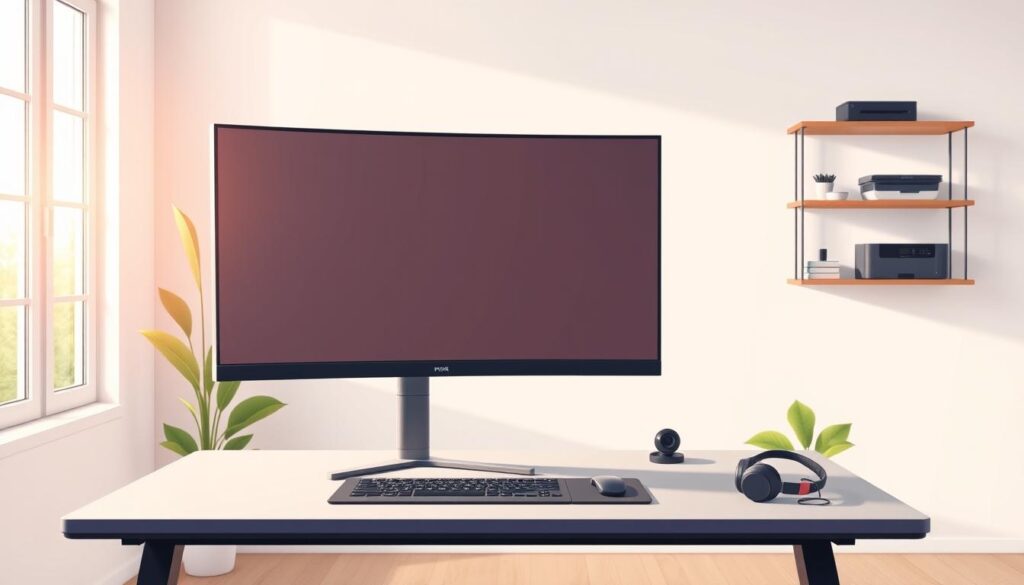
Ergonomic Tech Solutions
Long hours at a laptop can take a toll on your body. That’s why ergonomic tech solutions are essential. Portable laptop stands like the Roost and Nexstand elevate your screen to eye level, reducing neck strain. Pair these with an ergonomic keyboard and wireless mouse to maintain proper posture and prevent repetitive stress injuries.
Noise-canceling headphones are another game-changer. They help you stay focused in noisy environments, whether you’re working from a bustling café or a shared co-living space. As one remote worker shared, “Investing in ergonomic gear has made my workdays more comfortable and productive.”
Workstation Essentials for Longevity
Creating a functional workstation is key to sustaining your career while traveling. Lightweight laptops are a must for portability, while portable chargers ensure you’re never left without power. Travel routers provide reliable internet access, even in remote locations, keeping you connected and productive.
Here’s a quick guide to essential workstation tools:
- Portable Laptop Stands: Improve posture and reduce strain.
- Noise-Canceling Headphones: Enhance focus in noisy environments.
- Travel Routers: Ensure reliable internet access anywhere.
- Portable Chargers: Keep devices powered on the go.
These tools not only boost efficiency but also support long-term flexibility. By prioritizing comfort and functionality, you can focus on your work and enjoy the adventure of a location-independent lifestyle. For more tips on optimizing your setup, check out our guide on jump-starting your journey.
Ultimately, the right equipment is an investment in your career and well-being. With the right tools, you can create a workspace that supports your goals and enhances your freedom.
Navigating Immigration, Visas, and Legal Considerations
How do immigration policies shape the future of remote work? For those embracing a location-independent lifestyle, understanding legal factors is crucial. Navigating visas and regulations can seem daunting, but with the right knowledge, it becomes a manageable step toward freedom.
We believe that preparation is key. Whether you’re planning short-term stays or long-term relocation, knowing your options ensures a smooth journey. Let’s explore the essential aspects of immigration and legal compliance for remote workers.
Visa Options Tailored for Nomads
Countries worldwide are adapting to the rise of remote work by offering specialized visas. For example, Portugal’s D7 visa requires proof of passive income, while Costa Rica’s Remote Worker Visa demands a stable monthly income of $3,000. These options cater to the new generation of professionals seeking flexibility.
In fact, over 25 countries now provide digital nomad visas, including Estonia and Greece. These programs not only simplify the process but also boost local economies. By choosing the right visa, you can focus on your work without legal hurdles.
Understanding Local and Global Regulations
Legal compliance is a critical factor in working internationally. Each country has unique rules regarding taxation, work permits, and residency. Staying informed helps you avoid pitfalls and ensures long-term success.
For instance, Dubai’s Virtual Working Program requires a minimum income of $5,000 per month. Similarly, Barbados’ Welcome Stamp visa has an annual income requirement of $50,000. These regulations highlight the importance of financial preparedness.
We’ve seen how understanding local laws transforms challenges into opportunities. By prioritizing legal compliance, you can enjoy the freedom of working remotely while staying within the bounds of the law.
Cultivating a Thriving Social and Professional Nomad Community
How can building meaningful connections enhance your journey as a location-independent professional? We believe that community is the backbone of a fulfilling lifestyle. Whether you’re working from a bustling city or a quiet beach, strong networks provide support, inspiration, and opportunities for growth.
Building Local Networks
Creating connections in your current location is a game-changer. Local meetups, coworking spaces, and events are excellent ways to meet like-minded individuals. These interactions not only combat isolation but also open doors to collaboration and marketing opportunities.
For example, many cities host regular gatherings for remote workers. Attending these events can help you build a sense of belonging. As one traveler shared, “Joining a local coworking space transformed my experience—I found both friends and clients.”
Leveraging Online Platforms for Connection
Online communities are equally vital for staying connected. Platforms like Facebook groups, Slack channels, and forums allow you to share insights, ask questions, and find support. These spaces are a choice for many who value flexibility and global connections.
Here are some popular platforms for remote professionals:
- Nomad List: A hub for location-independent workers to share tips and recommendations.
- Remote Year: Offers skill-sharing sessions and networking events.
- Digital Nomad Girls: Focuses on empowering women in the community.
We’ve seen how these platforms foster collaboration and creativity. By engaging actively, you can turn virtual connections into real-world opportunities.
Ultimately, genuine connection is the reason many thrive in this lifestyle. Whether locally or online, building a community enriches your journey and supports your goals. Ready to take the next step? Learn more about how to get started as a digital and begin building your network today.
Work-Life Balance and Overcoming Age Stereotypes
Is it possible to achieve true work-life balance while living a location-independent lifestyle? We believe it’s not only possible but essential for long-term fulfillment. Breaking through age stereotypes and designing a flexible schedule are key steps toward this goal.
Breaking Through Age Barriers
We challenge the misconception that a nomadic lifestyle is only for the young. Maturity brings wisdom, resilience, and a clear understanding of priorities. These qualities help professionals overcome age-based biases and thrive in remote work environments.
According to recent data, nearly 35% of location-independent professionals are aged between 40 and 59. This trend highlights how experience and adaptability are assets in this lifestyle. As one traveler shared, “Age is just a number—what matters is your mindset and determination.”
Designing a Flexible Schedule
A flexible schedule is the cornerstone of work-life balance. It allows you to blend productivity with personal fulfillment. Here’s how to create a schedule that works for you:
| Key Aspect | Action Steps |
|---|---|
| Time Blocking | Allocate specific hours for work, leisure, and self-care. |
| Prioritization | Focus on high-impact tasks during your most productive hours. |
| Breaks | Incorporate short breaks to recharge and maintain focus. |
Living in dynamic cities can also fuel creativity and balance. Exploring new environments and cultures keeps life exciting while providing inspiration for your work. As one professional noted, “Every city I visit adds a new layer of perspective to my projects.”
We’ve seen how blending work with leisure enhances both productivity and personal growth. By embracing flexibility and challenging stereotypes, you can create a lifestyle that truly reflects your values. For more tips on building connections while traveling, check out our guide on combating loneliness.
Practical Tips for Kickstarting Your Nomadic Journey
Ready to take the first step toward a location-independent lifestyle? We believe that preparation and planning are the keys to a smooth transition. Whether you’re aiming for short-term stays or long-term freedom, these practical tips will guide you every step of the way.
Setting a Realistic Launch Date
Choosing the right time to start is crucial. We recommend setting a launch date based on your personal and financial readiness. Consider factors like savings, work commitments, and family obligations. A realistic timeline ensures you’re fully prepared for the adventure ahead.
Financial stability is a cornerstone of this lifestyle. Many professionals save at least six months’ worth of expenses before making the leap. This cushion provides peace of mind and allows you to focus on building your income streams.
Actionable Steps to Begin Your Adventure
Starting your journey involves more than just packing a bag. Here’s a step-by-step plan to help you get started:
| Step | Action |
|---|---|
| Research Destinations | Choose a place that aligns with your budget and lifestyle preferences. |
| Arrange Visas | Explore visa options tailored for remote workers, such as Portugal’s D7 or Costa Rica’s Remote Worker Visa. |
| Plan Your Itinerary | Create a flexible travel schedule that balances work and exploration. |
| Build Connections | Join online communities or local meetups to establish a support network. |
Leveraging your advantage as an experienced professional can ease the transition. Your skills and expertise are valuable assets in this new chapter. As one traveler shared, “Preparation made all the difference—I felt confident and ready to embrace the journey.”
We encourage you to take small, calculated steps. Every decision brings you closer to your goal. For more insights on staying organized, check out our guide on essential apps for remote work.
Ultimately, the key to success lies in planning and adaptability. By following these steps, you can create a lifestyle that reflects your values and aspirations. Ready to take the leap? Start today.
Conclusion
What if your next chapter could redefine how you live and work? We believe that experience, planning, and self-care form the backbone of a fulfilling location-independent lifestyle. Whether you’re in your 30s or beyond, every stage of life offers unique advantages for remote work.
Maturity brings wisdom and resilience, helping you navigate challenges with confidence. A strong network and smart financial strategies are essential for long-term success. Many professionals find that careful planning transforms traditional work attitudes into a liberating lifestyle choice.
We invite you to take the leap and embrace the freedom of a location-independent journey. With the right mindset and preparation, you can create a life that aligns with your values. Your next adventure is waiting—start today.