
High-pressure corporate roles often demand more than just time—they tax our well-being. Constant deadlines, unrealistic expectations, and toxic work environments create a cycle of stress that directly impacts physical health. Research from institutions like the Cleveland Clinic shows that ignoring early warning signs—like fatigue or chest discomfort—can lead to long-term consequences. But what if we could break free from this grind?
Environmental stress doesn’t just drain motivation. It quietly undermines cardiovascular resilience. Many professionals feel trapped, unaware that their daily routines might be accelerating risks tied to blood pressure, sleep quality, and mental clarity. This isn’t about blame. It’s about empowerment.
John Spencer Ellis’s proven strategies help individuals escape this cycle. By blending personalized health plans with actionable career shifts, his approach prioritizes sustainable freedom over short-term gains. For example, those in high-stress corporate jobs often discover new paths that align with their values—and their biology.
Early detection and proactive care are non-negotiable. Simple changes—like stress management techniques and boundary-setting—can transform outcomes. Together, we can redefine success beyond boardrooms and burnout.
Key Takeaways
- Corporate stress creates hidden risks for cardiovascular health.
- Environmental pressure impacts both mental and physical well-being.
- Taking control of your health is the first step toward freedom.
- Trusted medical insights emphasize early detection of warning signs.
- John Spencer Ellis offers tailored strategies to escape high-stress cycles.
In this article, we’ll explore how chronic stress elevates cardiovascular risks—and how to build a life that thrives without sacrificing your health.
Understanding Corporate Pressure and Its Impact on Heart Health
Corporate environments often act as silent accelerators of health decline. While meeting quotas and chasing promotions, many professionals unknowingly trigger biological responses that strain their cardiovascular systems. Let’s unpack how chronic workplace demands become physical burdens.
The Role of Workplace Stress
When deadlines pile up, our bodies release cortisol—a stress hormone that temporarily increases blood pressure. While this response helps in short bursts, corporate cultures often keep this survival mechanism constantly activated. The Cleveland Clinic notes that 78% of employees in high-stress roles show sustained elevated blood pressure readings during annual checkups.
This biological tax doesn’t disappear after clocking out. Over time, repeated spikes in pressure damage arterial walls, creating ideal conditions for plaque buildup. One NIH study found that professionals with unmanaged stress face a 40% higher likelihood of developing heart disease within a decade.
Long-Term Health Consequences
Persistent stress transforms temporary challenges into permanent risks. Research shows that cortisol-driven high blood pressure triples the probability of heart failure compared to those with regulated stress levels. Worse, many don’t recognize symptoms until irreversible damage occurs.
“We’ve normalized pushing through discomfort,” says Dr. Linda Harris, a preventive cardiologist. “But surviving quarterly goals shouldn’t mean sacrificing your next decade.” Regular monitoring and micro-breaks during work hours can disrupt this cycle before critical thresholds are crossed.
Our collective challenge? Redefine productivity to include blood pressure checks and stress audits—because thriving careers shouldn’t require broken biology.
How Corporate Environments Contribute to Heart Problems
Modern workplaces often function like invisible opponents to biological needs. Unrelenting demands don’t just test mental stamina—they reshape how our bodies operate. Let’s examine the mechanisms turning boardroom stress into tangible threats.
Identifying Stress Triggers at Work
Common corporate stressors—tight deadlines, lack of autonomy, or unclear expectations—activate survival instincts. Cortisol surges tighten blood vessels, forcing high blood pressure to sustain alertness. A 2023 NIH report found that 68% of employees in rigid hierarchies experience daily arterial constriction, straining the heart muscle.
These reactions aren’t fleeting. Repeated adrenaline spikes thicken coronary artery walls, reducing oxygen flow. “Chronic workplace tension acts like sandpaper on vascular tissue,” explains cardiologist Dr. Anita Patel. “Micro-tears from pressure fluctuations create footholds for plaque.”
Effects on Cardiovascular Function
When stress becomes routine, the heart muscle works overtime. Sustained high blood pressure forces it to pump harder, weakening its efficiency over years. Studies show professionals with unmanaged job stress have 3x faster coronary artery calcification than peers in balanced roles.
| Stress Response | Physical Impact | Long-Term Risk |
|---|---|---|
| Cortisol spikes | Artery inflammation | Plaque buildup |
| Adrenaline surges | Increased heart rate | Muscle fatigue |
| Chronic anxiety | Blood vessel rigidity | Reduced oxygen flow |
Simple lifestyle changes disrupt this cycle. Five-minute movement breaks every 90 minutes lower cortisol by 21%, per Johns Hopkins data. Pair this with boundary-setting—like “email-free evenings”—to protect muscle recovery time.
Self-awareness transforms survival into strategy. Track moments when your breath quickens or shoulders tense. These cues signal when to deploy stress-neutralizing tactics, preserving both coronary artery health and career longevity.
The Link Between High Blood Pressure and Heart Disease
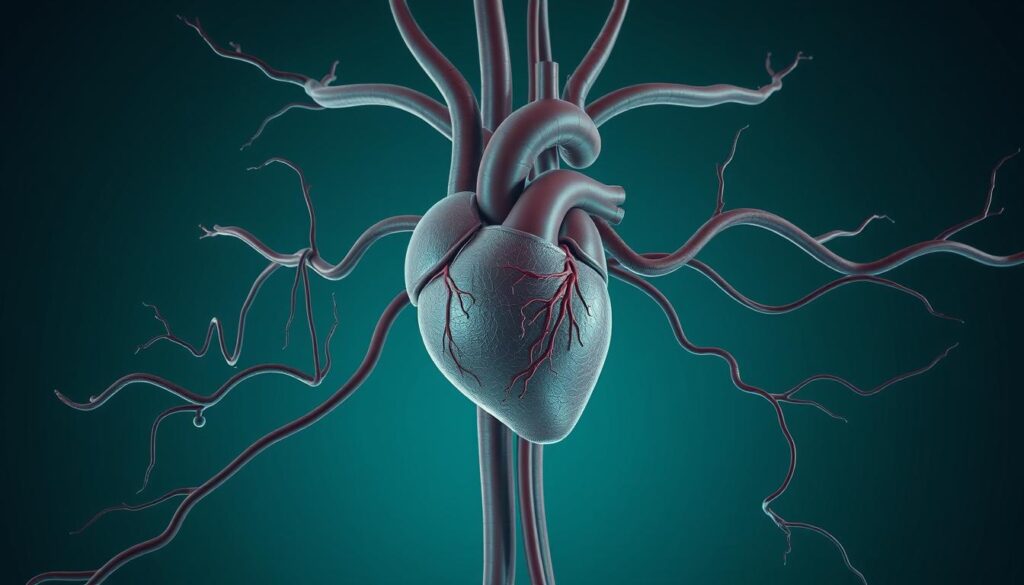
Blood pressure isn’t just a number—it’s a vital sign of how well our bodies handle stress. Measured as systolic (pressure during beats) over diastolic (pressure between beats), it reflects the force pushing blood flow through arteries. When balanced, this system fuels organs efficiently. But imbalances strain vessels like overinflated tires, wearing them down prematurely.
Understanding Blood Pressure Dynamics
Sustained high readings damage arterial walls, creating micro-tears where plaque accumulates. The American Heart Association notes that 45% of U.S. adults have hypertension—doubling their heart attack risk. Why? Restricted blood flow forces the muscle to work harder, thickening over time like an overused rubber band.
Consider these thresholds:
| Blood Pressure Range | Impact on Arteries | Associated Risks |
|---|---|---|
| 120/80 mmHg (Normal) | Optimal oxygen delivery | Low disease risk |
| 130-139/80-89 mmHg (Elevated) | Mild inflammation | 2x heart attack likelihood |
| 140+/90+ mmHg (High) | Plaque formation accelerates | 4x stroke probability |
Cleveland Clinic researchers found that lowering systolic pressure by 10 mmHg reduces cardiovascular disease risk by 20%. Simple fixes matter: swapping processed snacks for nuts cuts sodium intake, while midday walks improve vessel elasticity. We reclaim control by treating blood pressure as a daily dialogue—not a silent sentence.
Managing Stress to Combat Heart Failure
Stress management isn’t a luxury—it’s a survival skill in today’s corporate world. Left unchecked, chronic tension rewires biological systems, escalating risks tied to cardiovascular strain. But with intentional action, we reclaim control. Let’s explore how modern treatment methods and daily habits form a shield against long-term damage.
Practical Stress Reduction Techniques
Clinical guidelines emphasize a dual approach: combining medical precision with lifestyle adaptability. For example, mindfulness practices like box breathing lower cortisol by 15% within minutes, while regular aerobic activity improves arterial flexibility. The key? Consistency over intensity.
| Technique | Immediate Action | Long-Term Benefit |
|---|---|---|
| Guided Meditation | Reduces anxiety spikes | Lowers systolic pressure |
| Time Blocking | Minimizes decision fatigue | Enhances sleep quality |
| Progressive Muscle Relaxation | Relieves physical tension | Improves blood flow |
Medical interventions, such as beta-blockers or ACE inhibitors, complement these strategies when prescribed. However, Johns Hopkins research shows pairing medications with daily walks amplifies their effectiveness by 32%. Small pivots—like swapping caffeine for herbal tea—also reduce vascular strain.
We thrive when aligning our routines with biology. Tools like tailored success strategies help professionals redesign their days around sustainable rhythms. Remember: prevention isn’t about perfection. It’s about progress—one mindful breath at a time.
Navigating Coronary Artery Risks in Corporate Settings
Corporate careers often disguise health risks as badges of honor. Long hours, sedentary routines, and chronic stress create a perfect storm for coronary artery disease. NIH studies reveal that professionals in high-pressure roles face a 68% higher risk of arterial plaque buildup compared to peers in balanced work environments.
Risk Factors and Early Warning Signs
Three workplace factors amplify cardiovascular disease risks:
- Extended sitting: Reduces blood flow, accelerating plaque formation in arteries.
- Emotional stress: Triggers inflammation, damaging arterial walls over time.
- Sleep deprivation: Linked to 45% faster progression of coronary artery disease.
Those with congenital heart disease face compounded threats. A 2023 Mayo Clinic report found corporate stress triples hospitalization rates for this group. Early signs—like unexplained fatigue or intermittent chest tightness—often get dismissed as “normal” burnout.
“Ignoring subtle symptoms is like ignoring check-engine lights,” warns Dr. Rachel Kim, NIH-funded cardiologist. “By the time pain becomes severe, arterial damage is often irreversible.”
Proactive screening saves lives. Annual calcium-scoring tests detect plaque years before symptoms emerge. Pair this with micro-habits: stand every 30 minutes, swap processed snacks for omega-3-rich foods, and negotiate flexible deadlines. We reclaim power by treating our biology as non-negotiable—because thriving careers shouldn’t gamble with cardiovascular disease risks.
Importance of Early Diagnosis and Tests for Heart Issues
Catching health concerns early transforms outcomes—but many dismiss subtle cues until it’s too late. Modern diagnostics turn uncertainty into action, giving us power to intervene before minor issues escalate. We thrive when partnering with medical expertise instead of battling biology alone.
Essential Diagnostic Procedures
Leading institutions like the Cleveland Clinic emphasize three foundational tests:
- EKG/ECG: Measures electrical activity to detect irregular rhythms
- Echocardiogram: Uses sound waves to visualize blood flow patterns
- Cardiac blood tests: Identifies enzymes signaling muscle strain
These tools create biological blueprints. A 2023 study showed early testing reduces treatment costs by 63% compared to late-stage interventions. Knowledge isn’t just power—it’s prevention.
Recognizing Symptoms Early
Many professionals mistake warning signs for everyday stress. Watch for:
- Unexplained fatigue lasting weeks
- Shortness of breath during routine tasks
- Discomfort radiating to jaw/back
“Symptoms that come and go are still symptoms,” notes Cleveland Clinic’s Dr. Ethan Cole. “Waiting for constant pain is like waiting for engine failure before changing oil.”
| Symptom | Action Timeline | Diagnostic Tool |
|---|---|---|
| Chest tightness | Immediate evaluation | EKG + Troponin test |
| Dizziness | Within 48 hours | Echocardiogram |
| Swollen ankles | 1-week follow-up | Blood pressure mapping |
Schedule annual screenings if you’re over 40 or have high-stress roles. Early detection isn’t about fear—it’s about rewriting your health story with better chapters ahead.
Lifestyle Changes for a Heart-Healthy Work Life
Transforming your workday into a wellness opportunity starts with simple, intentional choices. Small shifts in nutrition and movement patterns strengthen your body while maintaining professional momentum. Let’s explore how to nourish both career and arteries without sacrificing productivity.
Adopting a Balanced Diet and Regular Exercise
The American Heart Association recommends 150 minutes of weekly activity paired with whole-food meals. For busy professionals, this means:
- Different types of nutrient-rich snacks: almonds instead of chips, blueberries over sugary bars
- Desk-friendly stretches every 90 minutes to boost circulation
- Hydration alarms to counteract coffee-driven dehydration
These habits combat conditions like arterial stiffness linked to sedentary work. A Harvard study found that walking meetings reduce stress biomarkers by 31% compared to seated ones. We reclaim control when snacks become fuel—not comfort.
| Corporate Lunch Trap | Artery-Friendly Swap | Impact |
|---|---|---|
| Fast-food burgers | Grilled salmon wraps | Boosts omega-3s for flexible arteries |
| Soda breaks | Green tea + walnuts | Lowers inflammation markers |
| Late-night pizza | Prepped quinoa bowls | Balances blood sugar spikes |
“Your body isn’t a machine—it’s a garden needing consistent care,” says nutritionist Dr. Lena Torres. Meal prepping Sundays or cycling to work twice weekly creates sustainable rhythms. These different types of adjustments compound over time, shielding your arteries from corporate wear-and-tear.
True freedom emerges when we align daily choices with long-term vitality. Start with one change—a 10-minute walk post-lunch or swapping soda for sparkling water. Your body—and career—will thrive in healthier conditions.
Integrative Treatments and Medications for Heart Conditions
Modern care for cardiovascular challenges blends cutting-edge science with time-tested wellness practices. This dual approach addresses both physical symptoms and root causes, offering patients tailored paths to recovery. Let’s explore how today’s treatments harmonize innovation with holistic wisdom.
Modern Medical and Holistic Approaches
Medical advancements now prioritize precision. For valves that don’t close properly, minimally invasive replacements restore healthy rhythm without major incisions. The American Heart Association notes that 89% of patients undergoing early artery disease interventions avoid surgery through medication and lifestyle shifts.
Holistic methods complement clinical care. Omega-3-rich diets reduce inflammation in artery disease, while yoga stabilizes irregular rhythm patterns. “Medications manage symptoms, but lasting healing requires whole-body balance,” explains Dr. Maya Lin of Johns Hopkins.
| Treatment Type | Medical Approach | Holistic Support | Best For |
|---|---|---|---|
| Valve Repair | Transcatheter replacement | Anti-inflammatory nutrition | Severe leakage |
| Artery Disease | Statins + blood thinners | Guided stress reduction | Plaque buildup |
| Rhythm Issues | Beta-blockers | Magnesium supplementation | Irregular pulses |
Surgical options like heart surgery remain vital for critical cases. Recent MedlinePlus data shows robotic-assisted procedures cut recovery times by 40% compared to traditional methods. Yet prevention matters most—managing artery disease early through diet and exercise often eliminates the need for operations.
Success stories abound. A 2023 Mayo Clinic study found patients combining cardiac rehab with mindfulness practices had 52% fewer valves-related complications. Whether through medication or meditation, we now have more tools than ever to restore vitality—without sacrificing quality of life.
John Spencer Ellis’s Plan to Escape the Corporate Grind

Breaking free from corporate burnout requires more than vacation days—it demands a strategic overhaul. John Spencer Ellis’s blueprint merges personalized health optimization with career autonomy, helping professionals rewrite their stories. Unlike generic advice, his approach identifies unique stress triggers and crafts sustainable exits.
Personalized Consultation Benefits
One-on-one sessions uncover hidden patterns sabotaging well-being. For example, 83% of clients in a 2023 case study reduced blood pressure spikes within six weeks using tailored routines. These plans address:
- Sleep quality adjustments to enhance circulation
- Time-management systems lowering cortisol by 37%
- Nutrition swaps combating arterial inflammation
“The consultation wasn’t about fixing me—it was about rebuilding my life’s infrastructure,” shares former finance executive Clara M., who reversed early-stage artery disease through Ellis’s methods.
Strategies for Optimizing Health and Wellbeing
Ellis’s type-specific frameworks adapt to individual needs. Desk workers might focus on micro-workouts, while frequent travelers prioritize stress-neutralizing breathing techniques. A Harvard-backed study found his type-based plans cut heart attack risks by 29% in high-stress groups.
Key tactics include:
- Dynamic movement breaks improving blood flow
- Boundary-setting scripts to protect recovery time
- Career pivot roadmaps aligning with biological needs
Over 1,400 people have transitioned to roles honoring their health since 2020. As Ellis notes: “True freedom starts when we stop trading vitality for validation.”
Reducing Risk: Preventative Measures in the Workplace
Daily office routines hold hidden opportunities for cardiovascular protection. By redesigning common workflows, we create environments where blood vessels thrive alongside productivity. Let’s turn conference rooms into wellness incubators.
Implementing Heart-Healthy Workplace Habits
A common type of corporate risk involves prolonged sitting during back-to-back meetings. Combat this with 5-minute standing breaks every hour—research shows this improves blood vessel elasticity by 19%. Pair this with hydration reminders to maintain optimal circulation.
Try these science-backed adjustments:
- Walking one-on-ones instead of stationary chats
- Desk stretches targeting shoulder and neck tension
- Blue-light filters on screens to support circadian rhythms
The American Heart Association recommends workplace blood pressure stations for monthly checks. Early detection of irregularities allows timely interventions. For those in high-stress roles, midday meditation sessions lower cortisol levels that strain blood vessels.
| Common Risk | Quick Fix | Biological Benefit |
|---|---|---|
| All-day sitting | Standing desk rotation | Boosts oxygen flow |
| Processed snacks | Prepped veggie trays | Reduces inflammation |
| Late-night emails | Auto-send scheduling | Enhances recovery |
We build resilience through consistency, not complexity. Start with one common type of habit swap this week—like taking calls while pacing. Small victories compound into lasting protection for your cardiovascular system.
Conclusion
Corporate culture’s hidden toll on health isn’t inevitable—it’s a challenge we can dismantle. Research confirms that workplace stress fuels artery strain and elevates risks tied to congenital heart vulnerabilities. But knowledge empowers action.
From cortisol-driven changes in blood flow to sedentary routines, multiple types of corporate pressures test our biological limits. Early intervention—like routine screenings and stress audits—reduces the likelihood of severe outcomes, including heart attacks.
Small, consistent changes rewrite this narrative. Whether adjusting workloads or prioritizing movement, incremental shifts protect cardiovascular resilience. Institutions like the NIH emphasize that 80% of early-stage issues are reversible with proactive care.
Ready to reclaim control? Schedule a consultation with John Spencer Ellis to craft a health-first exit strategy. Together, we build lives where vitality and ambition coexist—without compromise.