
 Do you have a talent for photography but don’t know how to make money from it? This guide will show you how to sell your photos online and earn money. Selling photos online is a smart way to make passive income and grow your photography brand. Even if you’re new, there are many platforms and strategies to start making money with your photos.
Looking to leave the corporate world or just want extra income? Selling photos online is a good choice. It’s flexible and can be very profitable. In this detailed guide, we’ll cover all you need to know to start selling your photos online and grow a successful photo sales business.
Key Takeaways:
- Selling photos online is a great way to generate passive income and build your photography brand.
- There are various platforms and strategies you can use to start earning money from your photos, even as a beginner.
- Understanding the different types of stock photography licenses and pricing your photos correctly is key to maximizing your earnings.
- Optimizing your photos for search engines and promoting your work on social media can help you reach a wider audience.
- Diversifying your income streams by offering photography services and creating photography products can further boost your earnings.
 Introduction to Selling Photos Online
Selling images online can be a great way for photographers to make extra money. It creates a steady income stream that keeps earning money even when you’re not working on it. The steps to start selling photos online are simple and don’t take up a lot of time.
Benefits of Selling Photos Online
Selling photos online lets you earn money without a regular job. You can grow your portfolio at your own speed and make sales anytime. Plus, you can reach customers all over the world, not just locally.
Types of Photos That Sell Best Online
Some types of photos sell better online than others. Stock photos are always in demand because businesses need them to show their brand. Product photos also do well, as companies need them to market their products.
| Platform | Commission Rate |
|---|---|
| Adobe Stock | 15% to 35% |
| Shutterstock | 15% to 40% |
| Alamy | 40% |
| iStock Photo | 15% to 45% |
| Getty Images | 20% |
| 500px | 60% for non-exclusive sellers |
| PhotoShelter | 8% to 10% per sale |
| Etsy | 6.5% transaction fee |
Knowing which photos sell best online helps you focus on what’s in demand. This way, you can make more money and grow your photography business.

Choose Your Specialty and Build Your Brand
Choosing a specific photography niche can sharpen your skills and make you an expert. It doesn’t limit your customers but helps you understand their needs better. This way, you can create images that meet their specific needs.
Creating a strong personal brand is key to standing out online. Keep your visual identity and message the same on your website, social media, and marketing materials. This approach can increase your sales over time.
| Platform | Commission Rate |
|---|---|
| Shutterstock | 25 cents per download, increasing with sales |
| iStockPhoto | 15% commission per sale, scaling with popularity |
| Getty Images | Prestigious recognition for established photographers |
| Alamy | 50% commission on all sales to photographers |
By using online platforms like Etsy and Teespring, you can sell your photos on items like wall hangings, posters, and t-shirts. This can grow your income and brand visibility.
“Specializing helps you learn how to sell to any audience who’s looking for quality photos for their own needs.”
In the end, finding your photography niche and building a strong brand can unlock your online sales potential. It can make you a successful photographer in the digital world.
Understand Stock Photography Licensing
When you sell photos online, knowing about stock photography licenses is key. A stock photo can be sold many times with a limited-use license. Understanding these options helps you set the right price and protect your work.
Use this system to make money selling your photos >>>
Types of Stock Photography Licenses
Royalty-free licenses let buyers use images for many things without extra fees. These licenses usually cover 1-10 users. On the other hand, rights-managed images have prices based on how they’re used and where.
Platforms like StudioNow offer special spots for photographers. They earn points for their success, moving up to “Pro Level.” These sites might also ask brands to pay yearly to get special access and rights.
| Platform | Royalty Rates | Licensing Options |
|---|---|---|
| Shutterstock | 15% – 40% | Royalty-free |
| Adobe Stock | 33% | Royalty-free |
| iStock | 15% – 40% | Royalty-free, Rights-managed |
| Getty Images | 20% | Rights-managed |
Royalty-free images usually cost between $0.20 and $20 each. Earnings can grow as you sell more. But, the stock photo world follows an 80/20 rule. 20% of contributors make most of the money, while 80% earn less.
This system gives you all the proven systems >>>
Popular Platforms to Sell Photos Online
The internet has many websites for selling photos. These stock photography websites let you upload your photos and earn from each sale. Top sites include Shutterstock, Getty Images, iStock, and Alamy.
Stock Photography Websites
These sites reach a huge audience, with commissions from 15% to 50% per sale. But, they have rules and approval steps for photos. For instance, Shutterstock pays 15% to 40% per download, and Adobe Stock offers 20% to 60% commission, depending on the license.
Print-on-Demand Platforms
There are also sites for selling photos on print-on-demand websites and making money selling photo merchandise online. Etsy and Teespring let you sell images on items like wall hangings, posters, and t-shirts. This way, you can earn more than just from stock photo sales.
| Platform | Commission Range |
|---|---|
| Shutterstock | 15% to 40% |
| Adobe Stock | 20% to 60% |
| Alamy | 20% to 50% |
| Getty Images | 20% to 30% |
| iStock | 15% to 45% |

“Shutterstock has paid over $1 billion to its contributors in the last 15 years.”
Pricing Your Photos for Online Sales
When selling photos online, pricing them right is key to success. You need to think about your base hourly rate, the time and effort to capture and process images, and how many you might sell. This is different from selling directly to customers.
Price your generic stock photos lower to sell more. But, charge more for unique or high-quality photos. The goal is to cover your costs and make a profit from anything extra.
- Think about your base hourly rate and the time each photo takes, from shooting to editing.
- Look at how similar photos are priced on stock photography websites to see what others charge.
- Try different prices and watch your sales to find the best price for you.
- Offer photo bundles or collections to add value and increase your prices.
The aim is to price your photos so they cover your costs and give you a good profit. By carefully pricing your photos, you can earn more and grow your photo sales business.
“The key to successful photo pricing is finding the right balance between covering your costs and remaining competitive in the market.” – Photography Expert, John Smith

Create an Engaging Online Portfolio
Building your own website to showcase and sell your photos is a powerful way to promote your brand. It lets you display your best work, set your own prices, and control the customer experience. Make your portfolio site visually appealing, optimize images, and include an “About” page. This helps customers connect with you and your photography.
Tips for Building a Successful Portfolio Website
Creating a professional photography website and an online portfolio can change your photography business. Here are some tips to make your portfolio site engaging and effective:
- Choose a visually-appealing, responsive website template that highlights your photography.
- Optimize your images for the web by compressing file sizes and using high-quality, high-resolution photos.
- Curate your portfolio, showcasing only your strongest and most relevant work.
- Include an “About” page that introduces you and your photography style to potential clients.
- Leverage built-in SEO tools to ensure your portfolio site is easily found online.
- Regularly update your portfolio with new work to keep it fresh and engaging.
“A tightly edited portfolio can reflect positively on your work, showcasing your confidence in your craft and helping potential buyers make decisions.”
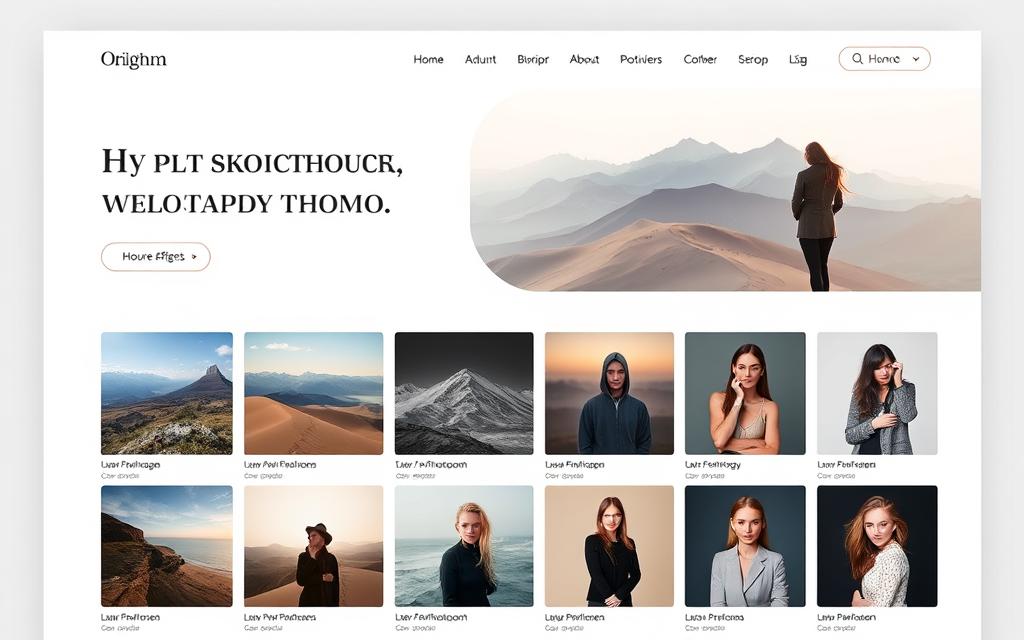
By creating a visually stunning and user-friendly portfolio website, you can showcase your photography skills. This helps you connect with potential clients and boosts your chances of securing lucrative sales and opportunities. Invest time in building an online presence that truly represents your unique photographic style and brand.
sell photos online
Selling photos online can be a great way to make money from your photography. It’s perfect for both new and experienced photographers. The key is to pick the right platforms, set good prices, and market your photos well.
Platforms like Foap can help you earn up to $100 per photo. They take a 50% cut, but you can still make a lot. Sites like Shutterstock and Adobe Stock offer different rates, from 15% to 60%, based on the license and agreement.
| Platform | Commission Rate |
|---|---|
| Shutterstock | 15% to 40% |
| Adobe Stock | 20% to 60% |
| Alamy | up to 50% on direct sales, 40% on distributor sales |
| Getty Images | 20% to 30% |
| iStock | 15% to 45% |
| 500px Marketplace | up to 60% |
| Dreamstime | 25% to 60% |
| EyeEm | 50% |
| Canva | Royalty-based on usage and sales |
To sell photos online successfully, create a beautiful portfolio and optimize your photos for search. Use social media to market your work. With the right approach, your photography can become a profitable business.

“Selling photos online has been a game-changer for me. It’s allowed me to turn my passion into a sustainable income stream and pursue my creative dreams.” – [Name], Freelance Photographer
Optimize Your Photos for Search Engines
To make your photos easy to find, you need to optimize them for search engines. Start by doing keyword research to find out what people search for. Use image optimization techniques like descriptive file names and alt text. This will help your photos show up higher in search results and bring in more sales.
Keyword Research for Photos
First, find the keywords that match your photos. Think about what your photos are about and who they’re for. Use tools to find popular search terms. Then, add these keywords to your photo file names, titles, and descriptions.
Image Optimization Techniques
After finding the right keywords, optimize your photos. Here are some tips to make your photos more visible online:
- Use descriptive file names with your target keywords, separated by hyphens.
- Add detailed alt text to each photo, describing the content and including relevant keywords.
- Compress your images to reduce file size and improve page load speed, without sacrificing quality.
- Leverage image formats like WebP and AVIF to further optimize for speed and performance.
- Implement lazy loading to only load images when they’re needed, enhancing user experience.
- Ensure your images are responsive and optimized for mobile devices.
By following these best practices for making photos searchable online, you’ll improve your photos’ visibility. This will help drive more sales and revenue for your business.
“Nearly half of respondents (49%) in the same study cited not being able to touch, feel, or try a product as one of their least favorite aspects of online shopping.”
Market Your Photos on Social Media
Social media is a big deal for photographers today. It’s a great way to grow your audience and sell your photos online. By being active and sharing your best work on Instagram, you can connect with more people. This can lead to more visitors to your portfolio or where you sell your photos.
Social media is perfect for showing off your photos. Posting regularly and engaging with your followers helps build a fan base. This can mean more people see your work, interact with it, and even buy your photos.
- Use the right hashtags to make your photos easier to find on social media.
- Work with other photographers or influencers to reach more people.
- Ask your followers to share your photos and tag you. This can help spread the word about your work.
- Try different types of posts, like behind-the-scenes shots or tutorials, to keep things interesting.
Using social media smartly can help you sell more photos and grow your online presence. Remember, being consistent and posting high-quality content is crucial for success.
| Platform | Pricing | Features |
|---|---|---|
| Free | Emphasis on visual content, hashtag usage, and user engagement | |
| Free | Allows for more detailed content, targeted advertising, and community building | |
| Free | Ideal for sharing quick updates, engaging with followers, and participating in conversations |
“Leveraging social media’s visual nature and sharing consistent, high-quality content can help you reach a wider audience and convert them into paying customers for your photos.”
Offer Exclusive and Limited Edition Photos
As a photographer, you can give your clients something special – exclusive and limited edition photos. This creates a sense of scarcity and exclusivity. It helps build a loyal customer base who values your artistic vision and is willing to pay more for your best work.
The global art market is worth $67.8 billion, with the United States making up over 45% of it. Also, 25% of art collectors prefer online places like Etsy to buy new pieces. And 16% use social media, like Instagram, to find art online. This shows a growing interest in unique and limited edition photography.
Here are some strategies to help you succeed with exclusive and limited edition photos:
- Limited Edition Prints: Make a smaller print run to make the prints more valuable to buyers.
- Print Sizes: Offer a limited edition with 3-5 print sizes to appeal to more people.
- Printer Selection: Choose high-quality archival printers for better prints, which can increase the value of your editions.
- Labeling: Ensure each limited edition print is labeled with edition numbers, title, and artist signature. This keeps the authenticity and connection to the limited run.
- Record Keeping: Keep detailed records of sold editions, buyers, and remaining prints. This helps manage your inventory and informs galleries of sales.
To sell your exclusive and limited edition photos, use various sales channels. These include your website, social media, art galleries, art fairs, online galleries, print-on-demand sites, local businesses, and exhibitions. By using these strategies, you can meet the growing demand for unique and high-quality photography. Offer your customers the benefits of owning exclusive and limited edition photos.
Leverage Print-on-Demand Services
You can make more money by selling physical products with your photos. Use platforms like Etsy and Teespring to print your images on various items. This way, you can sell your photos as wall art, home decor, and clothes, not just digital files.
Print-on-demand services don’t need you to keep stock. They print products like t-shirts and mugs only when someone buys them. This makes it easy to try out different designs without spending a lot of money.
Some top print-on-demand services include:
- Printful offers direct to garment, cut and sew, and embroidery printing techniques, along with a variety of product offerings like apparel, mugs, bedding, and more.
- Printify provides over 200 products for printing and offers a premium subscription for discounts.
- Gooten offers a wide range of products for customization with differences in print quality and shipping due to an international network of vendors.
- Lulu is known as a self-publishing platform for books and ebooks, offering customizable book sizes, binding types, and page quality through Lulu Direct.
When using print-on-demand services, order samples to check product quality. Create good product mockups for marketing. Also, plan your shipping carefully. Finding a specific audience can help you make more money.
| Platform | Key Features | Estimated Monthly Traffic |
|---|---|---|
| Fine Art America | High-quality prints, wide range of materials | N/A |
| Redbubble | Diverse product offerings, large customer base | 26 million |
| Zazzle | Wide range of customizable products | N/A |
| Society6 | Refined, highly-curated selection of artwork | N/A |
| Merch by Amazon | Access to massive global customer base | 310 million |
| Etsy | Focus on handmade, vintage, and unique goods | N/A |
By using print-on-demand services, you can grow your online presence and income. Look at different platforms to find the best fit for your style and goals.
Build an Email List for Repeat Customers
Growing an email list for your photography business is a smart move. It helps you keep in touch with fans and encourage them to buy more. You can share new photos, special deals, and exclusive content with your list. This keeps you on their minds and boosts sales.
Email marketing is great for photographers. It’s cheaper to keep customers than to find new ones. Personalized emails can lead to sales of up to 25%. Free shipping and birthday emails can also bring in more business.
To grow your list, make your online portfolio engaging. Use SEO to help people find your photos. Share your work on social media and offer special photos to sign-ups. Use print-on-demand services to sell more products and diversify your income.
By sending valuable content and offers, you build strong customer relationships. Keeping customers is much cheaper than finding new ones. Selling to existing customers is also much easier.
| Benefit | Statistic |
|---|---|
| Customer Retention Cost | 5 times less expensive than customer acquisition |
| Conversion Rates | Up to 25% with personalized campaigns |
| Average Revenue per Abandoned Cart Email | Around $5 |
| Likelihood of Buying from Existing Customers | 60% to 70%, compared to 5% to 20% for prospects |
| Likelihood of Repeat Buyers with Personalized Experiences | 49% |
Building a strong email list and using smart email marketing can grow your business. It helps you keep a loyal customer base that supports you over time.
Diversify Your Income Streams
As a photographer, selling photos online alone might not be enough. To boost your earnings, think about offering more services and creating unique products.
Offer Photography Services
You can earn more by providing professional photography services. This includes:
- Portrait sessions
- Event coverage (e.g., weddings, corporate events)
- Photography workshops and classes
- Photo retouching and editing services
- Album design and custom photobooks
Create Photography Products
Use your photography skills to make and sell various products. These can be:
- Prints, canvases, and other wall art
- Calendars, greeting cards, and postcards
- Lightroom presets, tutorials, and e-books
- Online photography courses and workshops
- Branded merchandise (e.g., mugs, t-shirts, tote bags)
By diversifying your photography income and exploring additional photography-based revenue streams, you can build a stronger business. This approach helps you stay stable and take advantage of new chances.
“Diversifying your income streams is essential for long-term business sustainability and growth. It allows you to mitigate risk and tap into new revenue sources.” – Industry Expert
The secret to successful income diversification is to use your unique skills and meet your audience’s needs. Always look for new ideas and keep up with trends to increase your earnings as a photographer.
Stay Up-to-Date with Industry Trends
To keep your online photo sales business thriving, it’s key to know the latest in the photography world. Watch for changes in what customers want, new photo styles, and fresh platforms or tech. This way, you can grab new chances and meet market shifts head-on.
Here are some tips to help you stay current with the photography industry:
- Regularly read industry publications, blogs, and news sources to stay informed about market trends, new technologies, and shifts in customer behavior.
- Attend photography conferences, workshops, and networking events to connect with other professionals and learn about the latest industry insights.
- Join online photography communities, forums, and social media groups to engage with your peers and discuss emerging trends.
- Analyze your own sales data and customer feedback to understand how your audience’s needs and preferences are changing over time.
- Experiment with new photography styles, techniques, and products to stay ahead of the curve and offer your customers innovative solutions.
By keeping up and being flexible, your photo sales business can stay relevant and meet the photography market’s changing needs. Embracing new trends and changes helps you make smart choices for your online photo sales business’s success.
| Platform | Contributor Commissions |
|---|---|
| Shutterstock, Adobe Stock, Getty Images, iStock | 30% to 50% of sale price |
| iStock | 15% to 45% depending on exclusivity |
| Getty Images | 15% to 45%, with higher payments for premium clientele |
| Adobe Stock | Streamlined creative projects with high-quality photos, illustrations, and videos |
| Dreamstime | Intuitive interface for contributors to upload and sell photos, illustrations, and videos |
Studies show that high-quality, expertly edited images get 118% more online views and sell up to 50% faster. Also, 81% of Americans value the location of their home over the size, and virtual staging is up to 97% cheaper than regular home staging. Knowing these trends helps you tailor your photo business to meet your customers’ needs.
“50% of buyers prefer virtual tours over photography alone when searching for homes for sale, and 67% of home buyers want to see a virtual tour when looking at a real estate listing.”
Protect Your Intellectual Property
As a photographer selling online, keeping your work safe is key. To stop others from using your photos without permission, follow these steps.
First, put a clear copyright notice on your site, like “Copyright © [Current Year] [Your Name].” This shows you own the work and stops others from copying. Also, add watermarks to your photos to make it hard for unauthorized use.
Check the terms of any site where you sell photos. Make sure you know how they protect your work from theft. Some sites might block right-clicks to stop easy image downloads.
Keep your photo EXIF data up to date with your contact info and copyright notice. This helps prove you’re the owner if someone uses your work without permission.
- Limit photo sizes and quality to stop misuse.
- Register your images with copyright offices like the USCO. This proves you own the work and can seek damages for misuse.
- Look into Creative Commons licensing. It sets rules for how others can use your photos.
By protecting your work, you keep control over your photos. This helps your photography business grow.
Learn how to becomea certified sleep science coach and live as a digital
“The best way to protect your photos is to make them unusable for anyone who doesn’t have your permission.” – [Expert Photographer]
Conclusion
Selling photos online can be a great way to make money from your love of photography. By picking the right places to sell, setting good prices, and making your online presence strong, you can earn money while you sleep. With hard work, creativity, and protecting your work, you can grow a successful photo business.
To do well in selling photos online, keep up with trends and use social media and email well. Always work on improving your photography skills to stand out. By offering unique photos, using print-on-demand services, and selling directly, you can make more money and have a steady income.
Turning your photography into a business won’t be simple, but it’s possible with effort and a smart plan. Use the digital world to your advantage and let your photos lead to a secure and fulfilling future.
FAQ
How can I make money selling photos online?
What types of photos sell best online?
How do I choose a specialty and build my brand as a photographer?
What are the different types of stock photography licenses?
What are the best platforms to sell photos online?
How do I price my photos for online sales?
How do I create an engaging online portfolio?
How can I optimize my photos for search engines?
How can I use social media to market my photos?
How do I protect my intellectual property when selling photos online?
Click this link for a complete business system to sell photos online >>>