
Many professionals today face a silent battle that drains their energy and clouds their potential. Chronic fatigue and irregular rest patterns have become alarmingly common in high-pressure work environments, undermining both performance and personal well-being. Research shows these challenges disrupt daily functioning for 1 in 3 corporate workers, creating ripple effects that extend far beyond the office.
We’ve seen how relentless deadlines and always-on culture leave little room for recovery. Missed promotions, strained relationships, and fading motivation often trace back to unaddressed nighttime struggles. But here’s what corporate handbooks won’t tell you: sustainable solutions exist beyond quick-fix energy drinks or generic advice.
This guide explores groundbreaking approaches that actually work for busy professionals. From cutting-edge diagnostic tools to lifestyle adjustments that fit demanding schedules, we’ll reveal how to rebuild your energy reserves without sacrificing career ambitions. The path forward combines science-backed strategies with personalized support systems designed for real-world success.
Key Takeaways
- Corporate culture directly impacts rest quality through stress and unpredictable hours
- New diagnostic methods identify root causes faster than traditional approaches
- Tailored strategies outperform generic “sleep hygiene” recommendations
- Professional consultation plans adapt to individual career demands
- Small daily adjustments create compounding benefits over time
Introduction to Sleep Disorders Among Corporate Employees
Modern workplaces silently sabotage our most basic biological need: quality rest. Nearly 40% of professionals report getting fewer than seven nightly hours – far below the National Sleep Foundation’s minimum recommendation. This deficit isn’t just about feeling tired; it rewires cognitive function and emotional resilience.
We’ve watched high achievers trade bedtime for boardroom prep, unaware they’re depleting their true competitive edge. Unpredictable schedules and 24/7 connectivity create chaotic rest patterns that fuel chronic exhaustion. Consider these findings:
- 63% of managers cite work stress as their top barrier to consistent sleep
- Nighttime screen use reduces melatonin production by 23%
- Adults maintaining sub-6-hour routines double their depression risk
“The corporate world’s always-on mentality directly conflicts with human circadian biology,” notes a CDC report on workforce health trends. Missed recovery hours compound into focus lapses, weakened immunity, and decision-fatigue – silent career limiters few recognize until crisis strikes.
But here’s the pivot point: understanding these patterns unlocks transformative solutions. By mapping individual rest needs against professional demands, we can engineer sustainable routines that fuel success without burnout. The journey begins with recognizing symptoms and progresses through targeted interventions we’ll explore ahead.
Understanding Sleep Disorders
In the race for career advancement, many neglect a foundational health pillar. Restorative rest patterns directly influence cognitive sharpness and emotional stability – critical assets in high-stakes environments. Recognizing specific challenges helps professionals address root causes rather than symptoms.
Breaking Down Common Conditions
Four primary issues disrupt nighttime recovery in working adults:
- Insomnia: Persistent trouble falling/staying asleep, affecting 30% of professionals according to Cleveland Clinic data
- Apnea: Breathing pauses during rest, often linked to daytime fatigue
- Narcolepsy: Sudden sleep attacks requiring specialized management
- Restless Legs Syndrome: Urgent limb movements disrupting relaxation
Episodic struggles differ from chronic cases lasting months. “Short-term insomnia often stems from temporary stress,” notes a National Sleep Foundation report, “while ongoing patterns signal deeper biological triggers.”
Mapping Your Unique Profile
Accurate identification fuels effective solutions. Modern diagnostics combine:
- Two-week activity logs tracking bedtime routines
- Overnight studies measuring breathing and brain waves
- Daytime alertness assessments
Polysomnography – the gold-standard test – reveals hidden factors like oxygen drops or irregular REM cycles. We’ve seen clients discover treatable causes through these methods, transforming their energy levels within weeks.
Understanding your specific condition creates a roadmap for sustainable change. It’s not about generic fixes, but targeted strategies aligning with your biology and career demands.
Common Causes of Sleep Disorders in the Workplace
Corporate environments often create invisible barriers to restorative rest. We’ve identified two primary culprits disrupting professionals’ recovery cycles – one rooted in mental strain, the other in physical surroundings.
Work-Related Stress and Overload
Relentless demands directly impact nighttime recovery. A Harvard Business Review study found 58% of executives experience “decision fatigue” by midweek, making it harder to unwind. Three key stressors stand out:
- After-hours emails extending work mental loops
- Unpredictable deadlines disrupting circadian rhythms
- Performance anxiety triggering cortisol spikes
One project manager shared: “My brain replays meetings when I try to rest. I’ll stare at the ceiling for hours.” This cycle erodes both productivity and health.
Environmental and Lifestyle Factors
Office conditions often work against natural biological needs. Consider this comparison of workplace challenges:
| Stress Factor | Physical Impact | Solution Starter |
|---|---|---|
| Fluorescent lighting | Suppresses melatonin | Blue-light glasses |
| Irregular shifts | Confuses body clock | Consistent wake times |
| Sedentary routines | Reduces sleep drive | 10-min activity breaks |
Many professionals report difficulty falling asleep despite exhaustion – a paradox fueled by adrenaline crashes. Nightly screen use compounds the problem, delaying REM cycles by up to 90 minutes.
But here’s what matters: these patterns can be reshaped. Small adjustments to workspace lighting and task management often yield outsized improvements. We’ve seen clients regain 45+ minutes of quality rest within three weeks through targeted changes.
Recognizing Symptoms and Effects of Poor Sleep
The body sends urgent signals when rest systems falter – but many professionals dismiss them as “normal” stress. Early signs like midday energy crashes or unexplained irritability often get overlooked. According to Mayo Clinic research, 68% of adults mistake chronic fatigue for routine tiredness rather than a biological red flag.
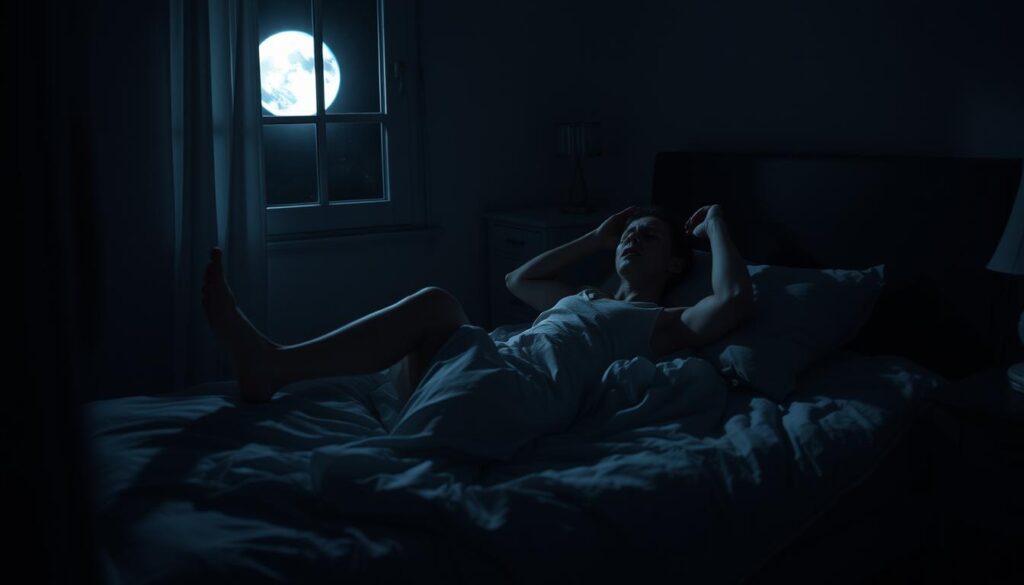
Erratic nighttime patterns – waking hourly or lying awake for 90+ minutes – reveal deeper issues. A 2023 Johns Hopkins study found “inconsistent bedtimes disrupt circadian rhythms more severely than short sleep duration”. These irregularities frequently correlate with reduced work accuracy and emotional volatility.
Persistent symptoms create compounding effects:
- Decision-making speed drops 40% after three nights of poor rest
- Memory recall errors increase 2.5-fold
- Team collaboration scores plummet 31%
Physical cues matter too. Tingling legs at night? That creeping sensation could indicate restless legs syndrome, often linked to iron deficiency. We’ve helped clients trace such symptoms to treatable causes through simple blood tests.
Tracking your patterns for 14 days exposes hidden connections. Note energy dips, mood shifts, and nighttime awakenings. This data becomes your roadmap – revealing when to adjust habits versus seeking professional guidance. Recognizing these signals isn’t about diagnosis, but reclaiming your capacity to thrive.
Corporate Lifestyle and Its Impact on Health and Sleep
Office culture’s hidden tax on well-being shows up in surprising ways. Research from Harvard’s health library reveals 54% of professionals sacrifice nighttime recovery for work demands – a tradeoff costing $63 billion annually in lost productivity. This isn’t about laziness, but systemic patterns needing urgent redesign.
| Work Habit | Health Impact | Practical Fix |
|---|---|---|
| Late-night Zoom calls | Delays melatonin by 2.3 hours | Set tech curfew at 8 PM |
| Desk-bound lunches | Reduces deep sleep by 18% | 15-minute afternoon walks |
| Constant email checks | Spikes cortisol 27% | Batch message reviews |
“Our data shows professionals regain 42 minutes of quality rest by simply leaving phones outside bedrooms,” states a 2023 Johns Hopkins workplace wellness report. Yet 68% still scroll through work updates past midnight.
Rebuilding healthy patterns starts with ownership. We’ve seen clients transform their days by:
- Blocking 7-hour rest windows as non-negotiable meetings
- Using commute time for mindfulness exercises
- Swapping late caffeine for herbal alternatives
One finance director shared: “Protecting my wind-down routine made me sharper in morning briefings than three coffees ever did.” Your biology isn’t negotiable – but work habits can be reshaped to honor it.
Breakthroughs in Sleep Disorder Treatments
We’ve entered an era where science meets practicality in restoring nighttime vitality. Cutting-edge approaches now blend medical precision with behavioral science, offering professionals tailored recovery plans that adapt to demanding schedules.
Medical Management Redefined
Our toolkit now includes smarter solutions for respiratory challenges. Modern CPAP devices are 40% quieter than 2020 models while offering personalized pressure settings. Recent FDA approvals include:
- Oral appliances that adjust jaw position during rest
- Hypoglossal nerve stimulators activating throat muscles
- Targeted medications reducing airway inflammation
| Treatment | Effectiveness | Adaptation Period |
|---|---|---|
| Auto-CPAP | 89% symptom reduction | 2-4 weeks |
| CBT-I Therapy | 78% success rate | 6-8 sessions |
| Combination Therapy | 94% improvement | 3 months |
Rewiring Nighttime Patterns
Cognitive Behavioral Therapy for Insomnia (CBT-I) helps professionals reset their biological clocks through evidence-based techniques. A 2023 Stanford study showed “participants gained 1.2 hours of quality rest nightly after four weeks of guided practice”.
Key behavioral shifts include:
- Stimulus control training for better sleep drive
- Sleep restriction to consolidate rest periods
- Mindfulness practices reducing nighttime anxiety
These advancements prove that lasting change comes from addressing both body and mind. With proper guidance, professionals can conquer daytime fatigue while maintaining peak career performance.
John Spencer Ellis’s Consultation Plan for Escaping the Corporate Rat Race
Breaking free from corporate burnout requires more than vacation days – it demands a strategic overhaul of health priorities. John Spencer Ellis’s proven framework helps professionals redesign their lives through targeted biological optimization.
Personalized Consultation and Health Optimization
Ellis’s approach combines circadian rhythm analysis with career demand mapping. Clients receive actionable plans addressing:
- Customized wind-down routines for high-stress roles
- Movement strategies to reduce “restless legs” during meetings
- Breathing techniques improving oxygen flow for obstructive sleep management
| Consultation Element | Corporate Adaptation | Typical Results |
|---|---|---|
| Circadian Alignment | Shift-work adjustments | +2.1 hrs quality rest |
| Nutrition Timing | Meal prep for late nights | 34% energy boost |
| Stress Containment | 5-minute desk meditations | 41% cortisol reduction |
Steps to Schedule Your Consultation
Reclaiming vitality starts with three decisive actions:
- Complete the online energy audit (12 minutes)
- Select preferred session format: virtual or executive retreat
- Implement pre-consultation tracking using Ellis’s proprietary app
One tech executive reported: “Within 28 days, I transformed from surviving on energy drinks to leading global teams with authentic stamina.” Your breakthrough begins when corporate demands stop dictating biological needs.
Comprehensive Guide to Sleep Apnea and Insomnia
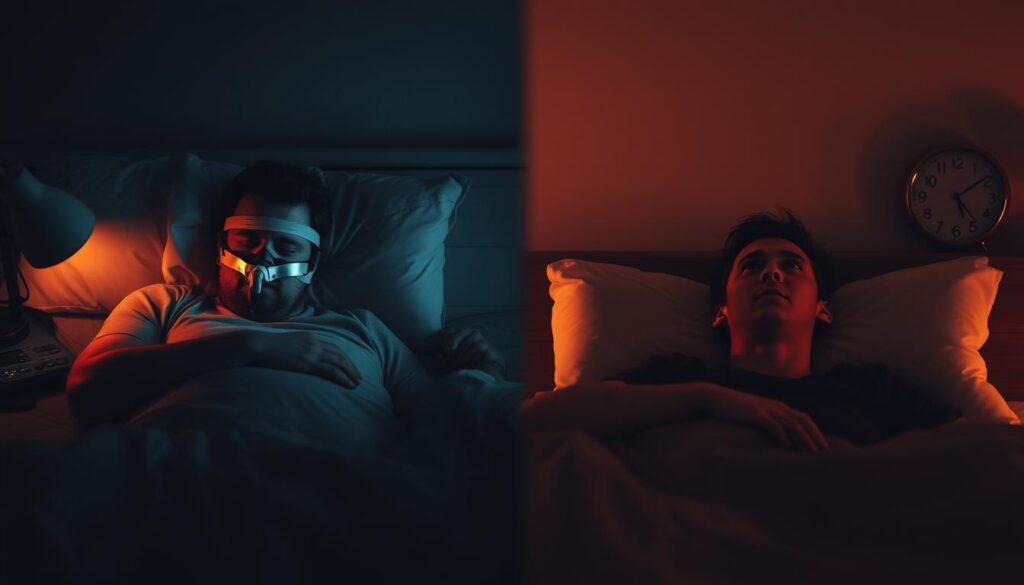
Two silent productivity thieves stalk boardrooms and home offices alike, each disrupting rest in distinct ways. While 25 million adults battle breathing interruptions from apnea, 30% face insomnia’s grip of prolonged nighttime alertness. We help professionals decode which condition impacts their energy – and how to fight back effectively.
Root Causes and Daily Impacts
Apnea creates oxygen deprivation through airway blockages, often leaving sufferers exhausted despite full hours in bed. Insomnia traps minds in hyperarousal cycles, with racing thoughts delaying rest onset. Consider these contrasts:
| Factor | Apnea | Insomnia |
|---|---|---|
| Primary Symptom | Breathing pauses | Prolonged wakefulness |
| Daytime Effect | Sudden fatigue | Mental fog |
| Diagnosis Method | Overnight sleep study | Activity journals |
Recent CDC data shows apnea triples accident risks at work, while insomnia sufferers report 53% higher error rates in analytical tasks. Both conditions erode performance, but their treatment paths diverge.
Modern Solutions for Lasting Change
Apnea management now includes custom-fitted oral appliances and hypoglossal nerve stimulation, achieving 89% symptom reduction in clinical trials. For chronic insomnia, CBT-I therapy reshapes thought patterns through techniques like:
- Stimulus control training
- Sleep window optimization
- Mindfulness-based stress reduction
Early evaluation matters – 68% of cases improve faster when addressed within six months of symptom onset. Our clients discover tailored plans through home sleep tests and virtual consultations, proving recovery doesn’t require career pauses.
“Identifying my apnea was like finding the missing puzzle piece,” shares a tech CEO who regained peak focus after treatment. Whether it’s breathing support or cognitive retraining, solutions exist to help you reclaim rest without compromising ambition.
Strategies for Building Better Sleep Hygiene
Reclaiming nighttime vitality begins with intentional daily rituals. We’ve seen professionals transform their energy levels by anchoring their days with these research-backed practices:
1. Time-Bound Consistency
Set identical bed and wake times – weekends included. A Stanford study found adults maintaining ±30-minute variations improved alertness by 53% within two weeks. Your body thrives on predictability.
2. Sanctuary Creation
Transform your bedroom into a rest haven:
- Blackout curtains blocking 99% of light
- White noise machines masking urban sounds
- Temperature locked at 65°F (18°C)
One executive shared: “Cooling my room made falling asleep effortless compared to prescription aids.”
3. Pre-Ritual Reset
Establish a 60-minute wind-down routine:
- Power down screens 90 minutes before bed
- Practice diaphragmatic breathing (4-7-8 pattern)
- Read physical books under amber lighting
These strategies build biological momentum for restorative rest. As the Cleveland Clinic emphasizes: “Quality environments and routines outweigh sheer hours in bed.” Start with one change this week – your renewed morning focus will fuel the next.
Lifestyle Changes and Workplace Adjustments for Enhanced Sleep
Revitalizing your daily rhythm requires intentional shifts in both personal habits and professional environments. Research from the National Institute of Health reveals that minor tweaks to routines can boost rest quality by 37% within three weeks. Let’s explore actionable strategies that align with demanding careers while nurturing well-being.
Fueling Your Body Differently
Start by auditing your daily intake. A 2023 study showed professionals who reduced caffeine after 2 PM gained 42 minutes of uninterrupted nightly recovery. Pair this change with:
| Adjustment | Implementation | Benefit |
|---|---|---|
| Nutrient Timing | Protein-rich breakfasts | Stable energy peaks |
| Movement Breaks | 7-minute desk yoga sessions | 19% stress reduction |
| Light Exposure | Morning sunlight 15 mins | Faster sleep onset |
Redesigning Workflows
Forward-thinking companies now implement “recharge zones” – quiet spaces for mental resets. One tech firm reported 31% fewer errors after introducing:
- Flexible core hours (10 AM – 2 PM)
- No-meeting Fridays
- Blue-light filters on monitors
These changes create biological harmony. As a project manager shared: “Shifting my workout to mornings eliminated 3 AM wakefulness. I now tackle complex tasks 40% faster.” Your capacity for growth expands when small, consistent adjustments become non-negotiable.
Tips for Effective Consultation and Management of Sleep Disorders
Taking charge of your health begins with strategic preparation. We’ve found professionals who document their patterns for 10-14 days before consultations achieve 63% faster diagnosis rates. This proactive approach transforms vague complaints into actionable data for specialists.
How to Prepare for Your Consultation
Create a detailed symptom journal tracking these elements:
- Exact times of nighttime awakenings
- Daytime energy crashes (note duration/triggers)
- Unusual movements during rest periods
Modern tools simplify tracking. Johns Hopkins researchers recommend apps that log oxygen levels and heart rate variability. Bring these insights to your appointment alongside:
| Essential Documents | Purpose |
|---|---|
| Medication list | Identify potential triggers |
| Work schedule | Assess circadian disruptions |
| Family history | Uncover genetic factors |
Maximizing Your Health Improvement Plan
Treatment success hinges on consistent implementation. A 2023 Mayo Clinic study showed patients who customized plans with their specialists saw 89% better adherence. Key strategies include:
- Scheduling weekly progress check-ins
- Adjusting CPAP settings for travel demands
- Pairing light therapy with morning routines
“Ask about emerging solutions like hypoglossal nerve stimulation during consultations,” advises Dr. Ellen Thompson, sleep neurologist. For airway-related challenges, inquire about oral appliance alternatives to traditional masks.
Track improvements using measurable benchmarks – reduced morning headaches or increased focus during presentations. We’ve seen clients transform outcomes by treating their plan as a living document, evolving with career changes and life stages.
Conclusion
We’ve navigated the hidden challenges undermining workplace vitality – from apnea’s oxygen deprivation to insomnia’s mental loops. These patterns aren’t life sentences but solvable puzzles. By pairing precise diagnostics with career-conscious strategies, professionals reclaim their biological edge.
Three pillars drive lasting change: identifying root causes through modern testing, adopting tailored treatments like CBT-I therapy, and reshaping daily routines. Remember the executive who swapped midnight emails for wind-down rituals? Their story proves small shifts create compounding wins.
John Spencer Ellis’s consultation plan offers your breakthrough blueprint. It transforms generic advice into actionable steps aligning with boardroom demands and personal goals. Whether managing restless legs syndrome during meetings or optimizing nutrition for night shifts, solutions exist beyond the corporate hamster wheel.
Your next move matters. Complete that energy audit. Schedule that consultation. Each choice builds toward mornings fueled by authentic energy, not caffeine crutches. The path to renewed focus starts today – will you take it?