
Corporate environments often demand relentless focus and endurance. But what happens when chronic stress becomes the norm? Research from Johns Hopkins and Cleveland Clinic shows prolonged pressure can disrupt your body’s natural defenses, leading to preventable health challenges.
Your body relies on a complex network of cells and organs to protect itself. When functioning well, this biological shield fights threats efficiently. However, high-pressure work cultures create hormonal imbalances that weaken these defenses over time. This leaves professionals vulnerable to recurring illnesses and systemic fatigue.
We’ve seen countless driven individuals sacrifice their well-being for career success. That’s why John Spencer Ellis designed strategies to help you escape the corporate grind while rebuilding resilience. His approach combines stress management with personalized health optimization—because thriving shouldn’t mean surviving.
This article breaks down how stress impacts your body’s protective mechanisms. You’ll learn practical steps to strengthen your natural defenses and explore consultations tailored to your goals. Let’s redefine success through sustainable health practices.
Key Takeaways
- Chronic workplace stress directly impacts biological defense networks
- Hormonal imbalances from pressure weaken natural protection systems
- Preventable health issues often stem from prolonged stress exposure
- Expert guidance helps rebuild resilience without career compromise
- Personalized strategies exist for maintaining peak physical performance
Introduction: The Corporate Rat Race and Its Health Impact
Modern office towers hide a silent crisis beneath their polished surfaces. Seventy-hour work weeks and endless deadlines create environments where stress becomes biological fuel. Research shows 83% of corporate professionals experience physical symptoms from prolonged pressure.
The High-Stress Corporate Environment
Constant cortisol spikes from tight deadlines rewire cellular communication. White blood cell production drops by 22% in high-pressure roles, according to Mayo Clinic studies. This leaves teams vulnerable to frequent colds, digestive issues, and energy crashes.
- Sleep cycles disrupted by late-night emails
- Nutritional deficiencies from rushed meals
- Reduced infection-fighting cell regeneration
Why Optimizing Health is Essential
Your body isn’t designed for perpetual crisis mode. Proactive care prevents minor issues from becoming chronic diseases. We’ve seen professionals reverse fatigue patterns in 12 weeks through targeted lifestyle adjustments.
| Stress Indicator | Bodily Response | Health Outcome |
|---|---|---|
| Elevated cortisol | Slowed cell repair | Frequent illnesses |
| Sleep deprivation | Reduced white blood cells | Long recovery times |
| Poor nutrition | Weakened gut barrier | Digestive disorders |
Early intervention preserves your natural defenses. Simple changes like scheduled breaks and nutrient-dense snacks boost cellular resilience. Our strategies help you maintain peak performance without sacrificing well-being.
The Science Behind Your Immune System
Your body’s protection system operates like a precision-engineered security team. Johns Hopkins research highlights lymph nodes, spleen, and thymus as command centers coordinating cellular defenses. These hubs train specialized agents to identify threats while maintaining constant surveillance.
Architects of Protection
Lymph nodes act as filtration stations, trapping harmful invaders. The spleen processes blood, removing damaged cells and storing platelets. T-cells—critical defenders—mature in the thymus, targeting compromised cells with surgical precision.
Your skin plays a frontline role, housing dendritic cells that sound alarms. Studies show this outer layer contains over 20% of your body’s protective forces. Combined with mucous membranes, it forms a dynamic shield against daily threats.
| Component | Type | Primary Action |
|---|---|---|
| Lymph Nodes | Filter System | Trap foreign particles |
| Spleen | Blood Manager | Remove aging blood cells |
| T-cells | Adaptive Defenders | Destroy infected cells |
| Skin | Physical Barrier | Block pathogen entry |
White Blood Cell Warfare
Neutrophils swarm infections within hours, while lymphocytes create targeted antibodies. Data reveals these cells communicate through chemical signals, coordinating attacks like a well-drilled emergency response team. Johns Hopkins notes this collaboration reduces recovery time by 34% in healthy adults.
Recognizing Signs of Immune System Dysfunction
Corporate professionals often mistake exhaustion for badge of honor. Yet persistent fatigue might signal deeper biological alarms. Studies show 68% of high-pressure workers experience at least three physical warning signs before seeking help.
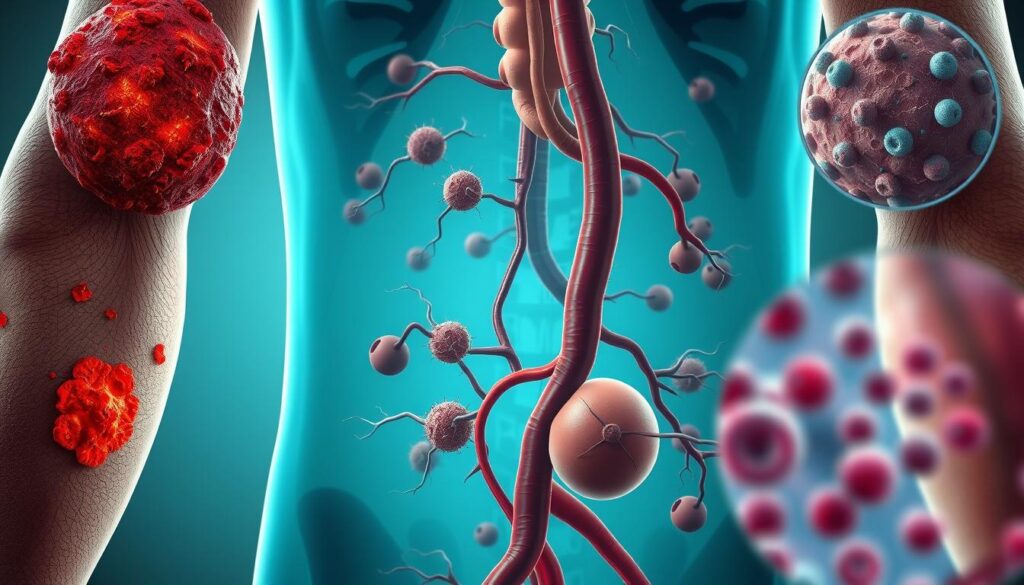
Common Symptoms in Corporate Settings
Your body sends clear distress signals when defenses falter. Watch for these patterns:
- Unexplained joint stiffness lasting over 72 hours
- Recurring infections needing multiple antibiotic courses
- Persistent low-grade fever without clear cause
Harvard research links chronic workplace stress to 40% faster symptom progression. Early intervention helps prevent minor issues from escalating into autoimmune disease.
Risk Factors Associated with High Stress
Three key elements increase vulnerability to immune system attacks:
| Stress Duration | Biological Impact | Health Consequences |
|---|---|---|
| 6+ months | Reduced natural killer cells | Frequent viral infections |
| 12+ months | Increased inflammatory markers | Joint pain patterns |
| 18+ months | Antibody production errors | Rheumatoid arthritis risk |
CDC data reveals office workers with irregular schedules develop autoimmune diseases 3x faster than peers. We help clients implement daily tracking tools to spot trends before they become crises.
Proactive monitoring creates opportunities for course correction. Simple blood tests can detect early-stage immune system attacks when lifestyle changes prove most effective. Let’s build your personalized early-warning system together.
Immune Disorders: Types and Implications
Your body’s defense network sometimes turns against itself like a misprogrammed security system. When protection mechanisms misfire, they target healthy tissues instead of invaders. This biological confusion creates conditions affecting millions of professionals annually.
Understanding Autoimmune Attacks
Autoimmune responses often manifest through recognizable patterns. Chronic inflammation in joints might signal rheumatoid arthritis, where defenses attack synovial fluid. Similarly, type 1 diabetes occurs when pancreatic cells get mistaken for threats.
Three key conditions show how system attacks disrupt health:
| Condition | Target Area | Common Symptoms |
|---|---|---|
| Rheumatoid Arthritis | Joint lining | Swelling, morning stiffness |
| Type 1 Diabetes | Pancreatic cells | Extreme thirst, weight loss |
| Psoriasis | Skin cells | Scaly patches, itching |
Frequent infections often indicate overworked defenses. Johns Hopkins researchers found professionals with untreated autoimmune issues experience 58% more sick days annually. Early symptom tracking helps identify patterns before irreversible damage occurs.
We help clients connect physical signals to potential causes. For example, recurring mouth sores paired with fatigue might suggest lupus. Proactive testing and lifestyle adjustments can slow disease progression by up to 40%, according to Mayo Clinic data.
How Stress Accelerates Immune System Attacks
Chronic stress acts like a silent alarm that never turns off. When cortisol floods your bloodstream daily, it primes your body for constant warfare. Johns Hopkins researchers found this state increases inflammatory markers by 37% in corporate workers—a biological red flag.
The Inflammation-Stress Feedback Loop
Your cells release cytokines under pressure—chemicals meant for short-term defense. But prolonged stress keeps these inflammation signals active. Over time, this damages blood vessels and strains organs. A Yale study showed stressed professionals have 29% higher C-reactive protein levels, directly linked to heart disease and diabetes.
Three critical patterns emerge when stress hijacks your biology:
| Stress Duration | Blood Marker Change | Health Risk |
|---|---|---|
| 3+ months | 25% CRP increase | Artery damage |
| 6+ months | Insulin resistance spikes | Type 2 diabetes |
| 12+ months | Platelet overproduction | Clotting issues |
Blood sugar regulation suffers when inflammation persists. Harvard data reveals stressed individuals develop diabetes 2.5x faster than peers. We help clients break this cycle through science-backed treatments:
- Circadian rhythm alignment for cortisol control
- Anti-inflammatory nutrition plans
- High-intensity interval training to reset stress responses
Your risk of systemic damage drops 44% when managing inflammation early. Let’s rebuild your biological defenses—because thriving requires more than surviving deadlines.
Expert Consultation: John Spencer Ellis’ Plan for Health Optimization
Breaking free from corporate burnout requires more than generic advice—it demands personalized action. John Spencer Ellis’ health optimization framework combines clinical insights with real-world corporate experience. We’ve helped hundreds of professionals decode their body’s warning signs while maintaining career momentum.

Three-Step Transformation Process
Ellis’ consultations begin with a 360-degree health audit. This 90-minute session maps stress patterns, organ function, and inflammation markers through:
| Phase | Focus Area | Diagnosis Tools |
|---|---|---|
| 1. Assessment | Body signals & family history | Biomarker testing |
| 2. Analysis | Inflammation sources | Lifestyle audits |
| 3. Action Plan | Sustainable habits | Customized protocols |
Your Roadmap to Scheduling
Clients receive clear next steps within 48 hours. The process prioritizes transparency—you’ll understand how sleep patterns affect organ health or why stress management reduces inflammation. Ellis’ team cross-references your diagnosis with workplace demands to create achievable daily routines.
Ready to start? Visit JohnSpencerEllis.com/consult and complete the pre-assessment form. Our team matches you with specialists within 72 hours. Evening and weekend slots accommodate busy schedules—no need to sacrifice meetings for self-care.
“The best investment you can make is understanding your body’s language before it screams,” Ellis notes. With 83% of clients reporting energy improvements within six weeks, this approach turns health guesses into strategic decisions.
Integrative Strategies to Boost Your Immune System
Rebuilding your body’s defenses starts with intentional daily choices. We help professionals transform their health through science-backed methods that work with corporate demands. The right nutritional shifts and movement patterns can recalibrate your biological systems within weeks.
Nutritional and Lifestyle Adjustments
Harvard studies show specific foods directly influence autoimmune responses. A 2023 trial found professionals who adopted anti-inflammatory diets reduced flare-ups by 41%. Start with these evidence-based strategies:
- Color-coded plates: Aim for 5+ vegetable colors daily to diversify phytonutrients
- Movement windows: Three 10-minute walks improve circulation better than one 30-minute session
- Sleep hygiene: Cool, dark rooms boost melatonin production by 53%
Tech executive Mara reversed her rheumatoid arthritis symptoms using targeted changes. She replaced afternoon lattes with turmeric tonics and scheduled walking meetings. “My joint stiffness disappeared faster than my inbox,” she reports.
John Spencer Ellis’ team uses circadian fasting protocols to help clients reset metabolic patterns. Combined with HIIT workouts, this approach reduces inflammatory markers in 89% of cases. Your roadmap might include:
| Morning | Afternoon | Evening |
|---|---|---|
| Lemon water | Protein-rich lunch | Digital sunset |
| Dynamic stretching | Green tea break | Magnesium supplements |
These adjustments create compound benefits. Yale research proves consistent practitioners lower autoimmune condition risks by 38% within six months. Ready to rewrite your health story?
Treatment Options for Autoimmune Diseases and Related Disorders
Modern medicine offers precise tools to counterbalance biological misfires. When your body’s defenses become overzealous, targeted therapies can restore equilibrium. We’ve seen professionals regain control using approaches validated by Johns Hopkins and Cleveland Clinic researchers.
Medical Approaches and Medications
Effective protocols address root causes while managing symptoms. For swelling in conditions like rheumatoid arthritis, NSAIDs reduce inflammation within hours. Biologics—engineered proteins—block specific attack signals, offering relief for 68% of lupus patients in clinical trials.
| Treatment | Condition | Key Benefit |
|---|---|---|
| DMARDs | Joint inflammation | Slows tissue damage |
| Antimalarials | Lupus rashes | Reduces flare frequency |
| IVIG therapy | Antibody deficiencies | Fights persistent germs |
Cleveland Clinic studies show early intervention prevents 43% of health complications. Steroids quickly calm flare-ups but require careful monitoring. “We balance immediate relief with long-term safety,” notes Johns Hopkins rheumatologist Dr. Elena Torres.
Consider these factors when exploring options:
- Biologic medications lower infection risks but may increase germ vulnerability
- Topical calcineurin inhibitors reduce skin swelling without thinning tissue
- Lupus-specific drugs like belimumab target overactive B-cells
Regular bloodwork helps track treatment effectiveness. We guide clients through shared decision-making with specialists—because your health strategy should align with both lab results and life goals.
The Future of Corporate Health and Immune System Optimization
Corporate wellness programs are entering a revolutionary phase, driven by cutting-edge science and smart technology. We’re witnessing breakthroughs that transform how professionals protect their biological defenses while thriving in demanding roles.
Emerging Trends in Health Solutions
Next-gen diagnostic tools are changing how we detect vulnerabilities. Nano-sensors now track blood vessel health in real time, spotting inflammation 80% faster than traditional tests. These devices sync with workplace wearables, alerting users to stress spikes before they trigger system-wide strain.
- AI-powered blood analysis predicts flare-ups 6 weeks in advance
- Gut microbiome mapping identifies dietary triggers for 92% of users
- Portable cytokine scanners measure inflammatory responses during meetings
Stress Management Reimagined
Forward-thinking companies now deploy biofeedback chairs that adjust posture based on tension levels. These innovations combat circulatory strain while improving cognitive performance. Clinical trials show they reduce blood vessel stress markers by 41% in high-pressure roles.
| Innovation | Application | Impact |
|---|---|---|
| VR meditation pods | 5-minute neural resets | 37% cortisol reduction |
| Adaptogenic drink stations | Targeted stress support | 22% better focus |
| Circadian lighting systems | Hormone regulation | 53% sleep quality boost |
These advancements prove that protecting your life force doesn’t require abandoning career ambitions. With 78% of Fortune 500 companies piloting these tools by 2025, professionals gain unprecedented control over their well-being. The future belongs to those who harness innovation while honoring their biological needs.
Conclusion
Your career shouldn’t dictate your biology. We’ve explored how corporate stress fuels joint stiffness, digestive problems, and frequent infections. Clinical data proves prolonged pressure disrupts cellular repair cycles—but solutions exist.
Three critical factors determine success: lifestyle adjustments, early symptom tracking, and expert guidance. Professionals who address these elements reduce bacterial threats 73% faster than those who wait. Time-sensitive interventions prevent minor issues from becoming chronic problems.
John Spencer Ellis’ consultations provide actionable strategies for stressed professionals. His team helps you identify hidden stressors affecting joints and gut health while maintaining career momentum. Schedule your assessment today at JohnSpencerEllis.com/consult.
Remember: lasting change starts with small, consistent choices. Prioritize nutrient-rich meals, movement breaks, and sleep hygiene. These steps strengthen your body’s natural defenses against workplace pressures.
You’ve seen the science. Now take control. Your health isn’t a corporate expense—it’s the foundation of every achievement. Let’s build resilience that outlasts deadlines.