
The rise of digital nomadism has transformed the way we work and travel. Cities worldwide are adapting to accommodate this growing community of remote professionals, offering a blend of affordable living, fast internet, vibrant communities, and an ideal work-life balance. From the bustling streets of Medellín to the serene landscapes of Chiang Mai, these top destinations cater to the diverse preferences of digital nomads, providing unique cultural experiences and tech-forward environments.
Key Takeaways
- Surge in popularity of digital nomadism, especially after the COVID-19 pandemic
- Cities worldwide are adapting to accommodate remote workers
- Top destinations offer affordable living, fast internet, vibrant communities, and work-life balance
- Destinations like Medellín, Chiang Mai, Lisbon, Bangkok, Berlin, and Mexico City cater to diverse preferences
- Cities provide unique cultural experiences and tech-forward environments for digital nomads
Understanding the Digital Nomad Lifestyle
The digital nomad lifestyle has become increasingly popular in recent years, offering professionals the freedom to work remotely from anywhere in the world. This location-independent lifestyle allows individuals to embrace the joys of travel and exploration while maintaining successful careers. At the heart of this trend is the rise of remote work, which has been driven by technological advancements and changing workplace norms.
What Makes a City Digital Nomad-Friendly
Digital nomad-friendly cities typically offer a range of features that cater to the needs of remote workers. These include reliable high-speed internet, an affordable cost of living, a vibrant expat community, and ample opportunities for cultural immersion and social engagement. Cities that excel in these areas, such as Canggu in Bali, Berlin, and Bangkok, have become magnets for the location-independent workforce.
Essential Factors for Remote Work Success
- Reliable and consistent internet connectivity
- Maintaining a healthy work-life balance
- Opportunities for cultural experiences and personal growth
The Rise of Location-Independent Work
The rise of location-independent work can be attributed to several factors, including the widespread adoption of cloud-based technologies, the increasing demand for flexible work arrangements, and the growing acceptance of remote work among employers and professionals alike. As a result, more and more individuals are embracing the digital nomad lifestyle, seeking to balance their careers with the freedom to explore the world.
“The digital nomad lifestyle has allowed me to travel and work from some of the most beautiful and inspiring locations around the globe. It’s a truly liberating way of life.”
Best Cities for Digital Nomads
As the digital nomad lifestyle continues to gain momentum, cities around the world are emerging as global remote work hubs, offering a mix of affordability, cultural richness, and strong digital infrastructure. From the vibrant streets of Asia to the historic charm of Europe and the allure of the Americas, these nomad-friendly cities are becoming the top destinations for location-independent professionals.
Top Asian Destinations
Bangkok, Thailand stands out as a popular choice, boasting a thriving digital nomad community, affordable cost of living, and a bustling city life. Nearby Chiang Mai has also transformed into a global remote work hub, with its coworking spaces and serene countryside setting. Other rising stars in Asia include cities in Vietnam and Indonesia, such as Ho Chi Minh City and Bali, which offer a unique blend of culture, natural beauty, and digital infrastructure.
Leading European Cities
On the European front, Lisbon, Portugal has emerged as a prime best digital nomad destination, attracting remote workers with its picturesque landscapes, vibrant startup scene, and progressive policies. Berlin, Germany and Prague, Czech Republic also rank among the top nomad-friendly cities, catering to the needs of the location-independent community with their modern amenities and cosmopolitan flair.
Popular American Locations
Crossing over to the Americas, Mexico City, Mexico and Oaxaca have become magnets for digital nomads, offering a robust digital infrastructure, affordable cost of living, and rich cultural experiences. Medellín, Colombia has also gained a reputation as a thriving global remote work hub, with its pleasant climate, vibrant expat community, and competitive living costs.
These cities, and many others around the world, are setting the stage for the digital nomad revolution, catering to the needs of location-independent professionals and offering a glimpse into the future of work.
Cost of Living Considerations
When it comes to digital nomadism, the cost of living is a crucial factor to consider. The good news is that there are many affordable cities around the world that cater to the needs of remote workers. Southeast Asian destinations like Chiang Mai, Thailand and cities in Vietnam offer extremely budget-friendly options, with monthly living costs as low as $500 excluding rent. Latin American hotspots such as Medellín, Colombia and Oaxaca, Mexico also provide excellent value for digital nomads.
On the other hand, European cities like Lisbon, Portugal and Berlin, Germany, while more expensive than their Southeast Asian and Latin American counterparts, still offer affordable options compared to other Western metropolises. Factors to consider when evaluating the cost of living include accommodation, food, transportation, and entertainment expenses.
| City | Estimated Monthly Living Cost (Excluding Rent) | Digital Nomad Visa |
|---|---|---|
| Buenos Aires, Argentina | Less than $500 | 180-day visa, renewable for another 180 days |
| Chiang Mai, Thailand | Around $500 | No digital nomad visa |
| Colombo, Sri Lanka | Around $500 | 1-year renewable digital nomad visa |
| Ho Chi Minh City, Vietnam | Around $500 | No digital nomad visa |
| Medellín, Colombia | Around $550 | 2-year digital nomad visa |
| Sofia, Bulgaria | Less than $700 | No digital nomad visa |
| Tallinn, Estonia | Under $1,000 | 1-year digital nomad visa |
| Tbilisi, Georgia | Around $650 | 1-year renewable digital nomad visa |
| Tirana, Albania | Less than $700 | No digital nomad visa |
By carefully selecting affordable cities for nomads and budget-friendly destinations, digital nomads can optimize their living expenses and enjoy a high quality of life while maintaining financial stability.
“Living in places with cheaper costs of living like Thailand, Vietnam, and Malaysia could be achieved with as little as $500 per month.”
Internet Infrastructure and Connectivity
In the digital nomad lifestyle, fast and reliable internet connectivity is paramount. Cities around the world are vying to become hubs for remote professionals, and their internet infrastructure plays a crucial role in attracting this growing population. From Seoul to Singapore, certain urban centers consistently rank among the top destinations for their global Wi-Fi speeds and robust tech infrastructure.
Wi-Fi Speed Rankings
When it comes to internet speeds, digital nomads have their eyes on cities like Seoul, Singapore, and Tokyo, which consistently top the charts for their lightning-fast Wi-Fi. These tech-savvy metropolises have invested heavily in upgrading their broadband networks, ensuring that remote workers can stay connected and productive no matter where they roam.
Co-Working Space Availability
Beyond just internet speeds, the availability of coworking spaces is another key factor that digital nomads consider when choosing their next destination. Cities like Lisbon, Medellín, and Bali have embraced the remote work revolution, boasting a thriving ecosystem of coworking hubs that cater to the needs of location-independent professionals. These shared workspaces not only provide reliable reliable internet for nomads, but also foster a sense of community and networking opportunities.
Tech Infrastructure Assessment
When evaluating a city’s suitability for digital nomads, the overall tech infrastructure and digital connectivity are crucial factors. Chiang Mai, Berlin, and Ciudad de México are among the cities that have invested in cutting-edge global Wi-Fi speeds and smart city initiatives, making them attractive destinations for remote workers seeking a seamless technological experience.
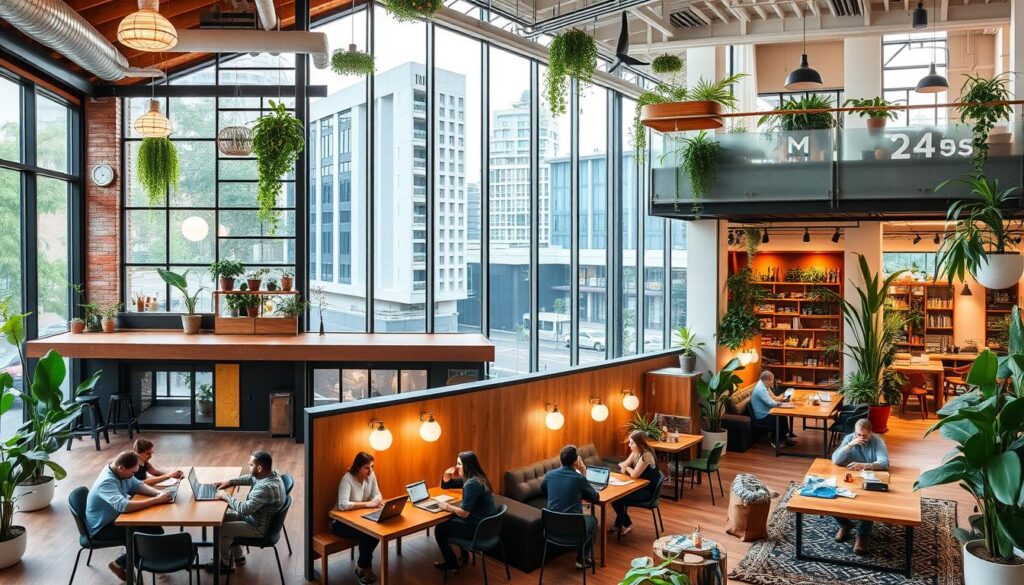
“The availability of reliable, high-speed internet and well-equipped coworking spaces in a city can make or break the digital nomad experience.”
Visa Requirements and Legal Considerations
As the digital nomad lifestyle gains popularity, an increasing number of countries are offering specialized visas to cater to this growing community. These digital nomad visas and remote work permits provide remote workers with streamlined pathways for long-term stays, often ranging from six months to five years. Many destinations, such as Estonia, Spain, and Portugal, have established robust visa programs to attract location-independent professionals.
Europe has emerged as a leading region for digital nomads, with countries like the Netherlands, Norway, and Estonia offering favorable visa policies and pathways to citizenship. South American nations, such as Ecuador and Brazil, have also gained traction for their attractive long-term stay options and high quality of life relative to cost of living.
- The 2024 Global Citizen Solutions’ Global Digital Nomad Report evaluates 12 key indicators, including income requirements, visa duration, and access to healthcare, to determine the best digital nomad visa programs worldwide.
- Countries like the United Arab Emirates, Italy, Japan, and South Korea rank among the top destinations for digital nomads seeking streamlined visa processes and seamless integration.
- Portugal, Estonia, and Costa Rica offer specialized digital nomad visas, with stays ranging from one to five years and varying income thresholds.
| Country | Visa Type | Validity | Income Requirement |
|---|---|---|---|
| Portugal | Digital Nomad Visa | 1 – 5 years | Proof of remote employment, minimum €2,800/month |
| Estonia | Digital Nomad Visa | 1 year | Minimum €3,500/month |
| Costa Rica | Rentista Visa | 2 years | Minimum passive income of $3,000/month |
While navigating the legal landscape, digital nomads must also consider tax obligations, insurance requirements, and potential barriers to entry. Careful planning and research are essential to ensure a seamless and compliant remote work experience.
“The rise of remote work has created a new wave of digital nomads, and countries are responding by offering specialized visas to cater to this growing demographic.”
Cultural Experience and Community
As a digital nomad, immersing yourself in the local culture and establishing a strong community network are essential elements of a fulfilling lifestyle. Thriving expat communities can be found in cities around the world, each offering unique opportunities for cultural immersion and networking for digital nomads.
Expat Communities
Cities like Chiang Mai, Bali, and Lisbon are magnets for digital nomads, boasting vibrant expat communities that provide a sense of belonging and support. These hubs offer a range of community events, language exchange programs, and volunteer opportunities, allowing you to connect with like-minded individuals and integrate into the local culture.
Local Integration Opportunities
Many digital nomad-friendly cities prioritize creating avenues for local integration. From language classes and cultural festivals to shared living spaces and co-working communities, these cities make it easy for digital nomads to immerse themselves in the local way of life and forge meaningful connections.
Social Networking Platforms
In the digital age, social networking platforms have become invaluable tools for digital nomads. Apps like Meetup, Nomad List, and dedicated Facebook groups help connect you with fellow digital nomads and locals, facilitating the process of building a supportive community in your chosen destination.
| City | Expat Community | Local Integration | Social Networking |
|---|---|---|---|
| Chiang Mai | Thriving community of digital nomads | Language exchange programs, cultural events | Meetup, Nomad List, Facebook groups |
| Bali | Vibrant digital nomad hub | Shared living spaces, co-working communities | Nomad List, Facebook groups |
| Lisbon | Growing community of international professionals | Language classes, cultural festivals | Meetup, Facebook groups |
“The best part about being a digital nomad is the sense of community and cultural immersion you can find in cities like Chiang Mai and Bali. It’s a truly enriching experience.”
Healthcare and Safety Considerations
When embarking on the digital nomad lifestyle, it’s crucial to prioritize healthcare and safety as essential factors in your destination choices. The quality and accessibility of medical services can vary significantly across different cities and countries, so it’s vital to research the local healthcare infrastructure and options available to remote workers.
For instance, cities like Bangkok and Singapore are renowned for their high-quality medical facilities and expertise, making them attractive destinations for digital nomads seeking reliable healthcare. On the other hand, safety considerations, such as crime rates, political stability, and natural disaster risks, should also be carefully evaluated when selecting a location to call home.
To ensure a smooth and secure experience, digital nomads must have comprehensive travel insurance that provides coverage for medical emergencies, accidents, and even natural disasters. Some popular insurance providers like SafetyWing and Expat Assure offer tailored plans specifically designed for the globally mobile workforce.
| Insurance Provider | Trustpilot Rating | Key Features |
|---|---|---|
| SafetyWing | 4.2/5 | Affordable coverage, including for COVID-19, with a global network of healthcare providers. |
| Expat Assure | N/A | Extensive range of policies, including for extreme sports and adventure activities. |
| Hansemerkur | N/A | Competitively priced plans with excellent coverage, particularly for outdoor enthusiasts. |
In addition to securing comprehensive insurance, it’s essential for digital nomads to research the medical facilities and emergency procedures in their chosen destination. Johns Hopkins Hospital in Panama and the facilities in Guadalajara City, Mexico are often praised for their high-quality care and services.
By prioritizing healthcare and safety considerations, digital nomads can enjoy the freedom and flexibility of their lifestyle while ensuring their well-being and peace of mind. Careful planning and research can help create a safe and healthy environment for remote workers to thrive in cities around the world.
Climate and Weather Factors
When selecting a digital nomad destination, climate and weather considerations play a crucial role. Tropical locations like Bali and Chiang Mai in Thailand offer year-round warmth and sunshine, making them appealing options for remote workers seeking a comfortable, outdoor-friendly lifestyle. In contrast, European cities like Funchal, Madeira Island in Portugal experience distinct seasonal changes, with pleasant temperatures and low rainfall during the spring and fall months.
Seasonal Considerations
Some digital nomads opt for a “seasonal migration” approach, moving between destinations based on the weather patterns. This allows them to chase the ideal climate and avoid extreme temperatures or rainy seasons that may disrupt their productivity or outdoor activities. Staying informed about regional weather conditions and natural disaster risks is essential when planning extended stays in various locations.
Best Times to Visit
The best time to visit a digital nomad destination can vary depending on personal preferences and the type of experience sought. For those seeking a vibrant, bustling atmosphere, the peak tourist seasons in popular cities like Bangkok or Lisbon may be the most appealing. However, savvy remote workers often opt for the shoulder seasons, when destinations are less crowded and prices are more affordable, allowing them to fully immerse themselves in the local culture and community.