Leaving a traditional job to embrace a remote lifestyle is a decision that can transform your life. Many people wonder when the right time is to make this leap. The truth is, there’s no one-size-fits-all answer. It’s about aligning your personal goals, skills, and financial readiness with the opportunities available.
John Spencer Ellis, a pioneer in this field, successfully escaped the rat race and built a thriving remote career. His journey shows that with the right mindset and preparation, anyone can achieve this lifestyle. Whether you’re in your 20s or 40s, the key is to focus on planning and leveraging your unique experiences.
Remote work offers freedom, but it also requires discipline and adaptability. It’s not just about working from a beach; it’s about creating a sustainable way of life. Combining entrepreneurial drive with practical skills can set you up for long-term success.
In this article, we’ll explore how to navigate this transition, the advantages of remote work, and what you need to consider before taking the plunge. Let’s dive into the world of possibilities and discover how you can design a life of freedom and adventure.
Key Takeaways
- There’s no perfect age to transition to remote work; it’s about readiness and planning.
- John Spencer Ellis is a great example of someone who successfully escaped the 9-5 grind.
- Remote work requires discipline, adaptability, and a strong skill set.
- Financial stability is crucial before making the leap to a remote lifestyle.
- This article will guide you through the steps to create a sustainable remote career.
Understanding the Nomadic Appeal
The traditional 9-5 grind is losing its charm as more people seek freedom and adventure. The nomad lifestyle has grown in popularity, especially among those questioning conventional career paths. It’s not just about escaping the office; it’s about creating a life filled with purpose and excitement.
Escaping the Rat Race with John Spencer Ellis
John Spencer Ellis is a prime example of someone who successfully transitioned from a traditional job to a location-independent career. His journey began with a desire to break free from the monotony of the 9-5 grind. Through careful planning and leveraging his skills, he built a thriving business that allows him to work from anywhere in the world.
His story highlights the importance of combining passion with a solid plan. “It’s not just about leaving your job; it’s about creating a sustainable way of life,” he often says. This mindset has inspired countless individuals to take the leap and embrace the nomad lifestyle.
The Allure of Freedom and Adventure
One of the biggest draws of the nomad lifestyle is the freedom it offers. Unlike a traditional job, where you’re tied to one location, being a nomad allows you to explore the world while earning a living. This sense of adventure is unmatched and often leads to personal growth and new experiences.
However, it’s not all smooth sailing. The unpredictability of this lifestyle requires adaptability and resilience. But for those who thrive on challenges, the rewards are well worth it.
| Traditional Job | Nomadic Lifestyle |
|---|---|
| Fixed location | Work from anywhere |
| Predictable routine | Dynamic and flexible |
| Limited freedom | Unmatched adventure |
Before making the leap, it’s crucial to have a clear plan. Financial stability, a strong skill set, and a supportive network are key to success. As John Spencer Ellis’s journey shows, with the right mindset and preparation, anyone can achieve this lifestyle.
Cultural and Career Considerations for Digital Nomads
Cultural and career dynamics play a pivotal role in the decision to embrace a nomadic lifestyle. It’s not just about leaving a traditional job; it’s about aligning your values, goals, and skills with a way of life that offers freedom and flexibility. We’ll explore how these factors influence the transition and what you need to consider before taking the leap.
Comparing Traditional 9-5 and Nomadic Lifestyles
Traditional jobs offer stability and predictability, which can be comforting for many. You know where you’ll be working, who you’ll be working with, and what your schedule will look like. However, this structure can also feel limiting, especially for those craving adventure and independence.
On the other hand, the nomadic lifestyle provides unparalleled freedom. You can work from anywhere in the world, explore new cultures, and design your own schedule. But this freedom comes with challenges, such as financial unpredictability and the need for self-discipline.
| Traditional 9-5 | Nomadic Lifestyle |
|---|---|
| Fixed location | Work from anywhere |
| Predictable income | Variable earnings |
| Structured routine | Flexible schedule |
| Limited cultural exposure | Global experiences |
Real-World Experiences and Lessons Learned
Many who’ve transitioned to a nomadic lifestyle emphasize the importance of preparation. “It’s not just about packing your bags and leaving,” says one experienced nomad. “You need a solid plan, financial stability, and a skill set that can sustain you.”
Early career experiences in traditional jobs can also be valuable. They provide opportunities to develop essential skills, build a professional network, and gain financial stability. These foundations can make the transition to remote work smoother and more sustainable.
Ultimately, the decision to switch lifestyles is about aligning with your true calling. Both paths have unique benefits and challenges, and thoughtful comparison is key to making the right choice for you.
Best age to become a digital nomad
Deciding when to transition to a remote lifestyle is a deeply personal choice. There’s no universal answer, but many find that experience and preparation play a critical role in long-term success. Whether you’re in your 20s or 40s, the key is to evaluate your readiness and align your goals with this unique way of life.
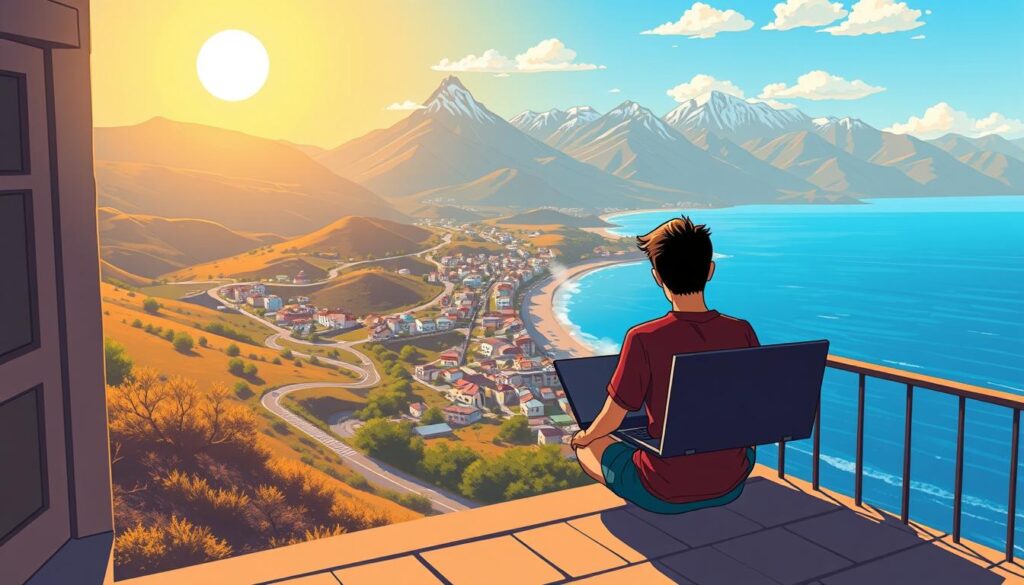
For some, the journey begins early. Young individuals often dream of exploring the world while working remotely. However, many experts advise waiting until you’ve built foundational experience in your career. This approach ensures you have the skills and financial stability needed to thrive.
Consider the story of someone in their 40s who transitioned to the nomad lifestyle. Their years in traditional jobs provided valuable lessons and a network that supported their new venture. As one veteran digital nomad shared, “It’s not just about leaving your job; it’s about creating a sustainable way of life.”
Starting too early can have its pitfalls. Without adequate preparation, the unpredictability of this lifestyle can lead to stress and instability. Financial readiness is crucial, as is the ability to adapt to new challenges. For many, waiting until their late 30s or 40s offers the perfect balance of adventure and maturity.
Ultimately, the decision comes down to your personal journey. As highlighted in this insightful article, the nomad lifestyle is inclusive and accessible to individuals of all ages. The key is to evaluate your career, financial situation, and personal goals before taking the leap.
By taking the time to prepare, you can ensure a smoother transition and greater long-term success. Whether you’re a young professional or an experienced veteran, the nomad lifestyle offers endless possibilities for those ready to embrace it.
The Role of Experience: Embracing the Daily Grind
Building a foundation through traditional work can be the key to thriving as a remote professional. While the idea of leaving a 9-5 job for a nomadic lifestyle is enticing, the skills and resilience gained from everyday work experiences are invaluable. These so-called “boring years” often prepare us for the unpredictability of remote work.
Appreciating the “Boring Years” Before the Leap
Enduring the daily grind teaches discipline, time management, and financial responsibility. These are essential for anyone transitioning to a digital nomad lifestyle. For example, managing a routine job can instill habits that translate into effective remote work practices.
Many successful remote professionals credit their traditional careers for their adaptability and problem-solving skills. “The structure of a 9-5 job taught me how to prioritize and stay focused,” says one experienced nomad. These lessons are crucial when navigating the challenges of working from different locations.
- Everyday work experience builds critical skills and resilience. From communication to teamwork, these abilities are transferable to remote work.
- Enduring the “boring years” prepares you for the unpredictable nature of nomad life. Financial stability and a strong skill set are key to long-term success.
- Routine jobs teach essential discipline and money management. These skills are vital for managing variable income and expenses.
Instead of dismissing your current job, consider it a stepping stone. The lessons learned in traditional roles contribute to both personal and professional growth. A solid background in career fundamentals paves the way for successful remote entrepreneurship.
As you plan your journey, remember that every experience counts. Whether you’re in your 20s or 40s, the skills and resilience gained from the daily grind can set you up for a fulfilling and sustainable remote lifestyle.
Building a Strong Foundation for Remote Work
Transitioning to remote work requires more than just a desire for freedom; it demands a solid foundation. To thrive in this dynamic lifestyle, you need to develop essential skills, set up a reliable business framework, and ensure legal and financial stability. Let’s explore how to prepare for this exciting journey.
Developing Essential Skills and Gaining Expertise
Remote work requires a unique set of abilities. Technical proficiency, digital marketing, and effective communication are crucial. These skills enable you to manage projects, connect with clients, and maintain productivity from anywhere in the world.
Investing in courses and practical training can enhance your capabilities. Platforms like Coursera and Udemy offer programs tailored to remote professionals. “Continuous learning is the key to staying relevant in a fast-paced environment,” says one experienced nomad.
Setting Up Your Digital Business Framework
Before making the leap, establish a robust digital business framework. This includes creating a professional website, setting up virtual infrastructure, and ensuring legal compliance. Tools like virtual address services and registered agents can simplify this process.
Here’s a comparison of essential tools for remote professionals:
| Tool | Purpose |
|---|---|
| Virtual Address | Maintain a professional business address |
| Registered Agent | Handle legal documents and compliance |
| Cloud Storage | Secure and access files from anywhere |
| Project Management Software | Organize tasks and collaborate with teams |
Building expertise now ensures a smoother transition later. As highlighted in this guide, preparation is the cornerstone of success in the remote lifestyle.
Optimizing Your Transition: Planning and Preparation
Embarking on a remote lifestyle requires thoughtful planning and a clear roadmap to ensure success. Without a structured approach, the transition can feel overwhelming. By focusing on preparation, you can minimize risks and maximize the advantages of this unique way of life.
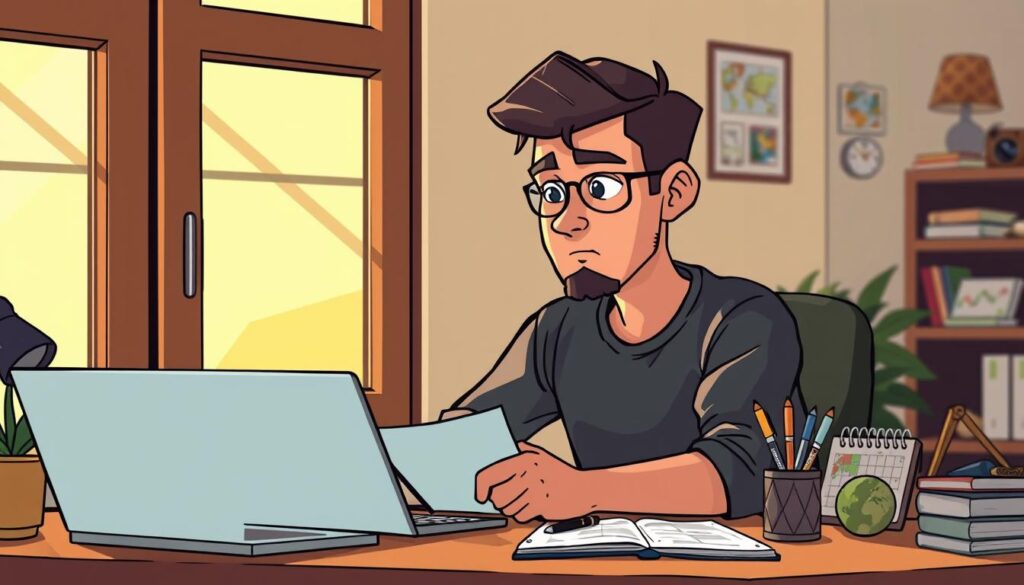
Creating a Personalized Roadmap
A personalized roadmap is essential for a smooth transition. Start by setting clear milestones and financial goals. For example, allocate 20% of your income for taxes, 15% for savings, and 20% or less for rent. This ensures financial stability as you embrace the nomad lifestyle.
Consider your current skills and how they align with remote job opportunities. Platforms like Nomad List and World Nomads can help you find roles that match your expertise. “Preparation is the cornerstone of success in this journey,” says one veteran digital nomad.
Leveraging Your Network and Experience
Your professional network is a valuable resource during this transition. Reach out to contacts who’ve already embraced remote work for advice and support. Their experience can provide insights into challenges and opportunities you may face.
Additionally, assess your existing skills and identify areas for improvement. Continuous learning, through platforms like Coursera or Udemy, can enhance your capabilities and increase your chances of success.
| Step | Action |
|---|---|
| 1 | Set financial goals (taxes, savings, rent) |
| 2 | Assess and align skills with remote opportunities |
| 3 | Leverage professional networks for support |
| 4 | Invest in continuous learning and skill development |
By following these steps, you can create a sustainable plan for your journey. As highlighted in this guide, adopting an online business model offers flexibility and global accessibility, making it an ideal choice for remote professionals.
Tools and Strategies for the Digital Nomad Lifestyle
Equipping yourself with the right tools and strategies is essential for thriving in the digital nomad lifestyle. From productivity apps to legal structures, every detail matters. We’ll explore the resources you need to build a sustainable remote career and navigate the challenges of this unique way of life.
Essential Digital Tools and Remote Services
Remote work demands efficiency and organization. Here are some must-have tools for every digital nomad:
- Productivity Apps: Tools like Trello and Asana help manage tasks and deadlines effectively.
- Communication Platforms: Slack and Zoom ensure seamless collaboration with teams and clients.
- Cloud Storage: Google Drive and Dropbox keep your files accessible from anywhere in the world.
- Time Management: Apps like RescueTime track your productivity and help optimize your schedule.
These tools not only enhance efficiency but also provide the flexibility needed for a successful remote career.
Legal, Tax, and Business Setup Considerations
Setting up your business structure is a critical step for long-term success. Here’s what you need to know:
- LLC Formation: Establishing an LLC protects your personal assets and simplifies tax filing.
- Virtual Address Services: Companies like Earth Class Mail provide a professional business address for legal and mailing purposes.
- Registered Agents: These services handle legal documents and ensure compliance with state regulations.
- Tax Planning: Consulting a tax expert helps navigate international tax obligations and avoid penalties.
As one experienced nomad shared, “Good preparation in terms of tools and strategy is key to a sustainable remote working lifestyle.”
By leveraging these resources and strategies, you can create a solid foundation for your journey. Staying informed about emerging technologies and best practices ensures you remain adaptable and successful in this dynamic lifestyle.
Overcoming Challenges and Embracing Change Over Time
Navigating the challenges of a nomadic lifestyle requires resilience and adaptability. While the freedom to work from anywhere is exhilarating, it comes with its own set of hurdles. From cultural adjustments to maintaining stability on the road, every nomad faces unique obstacles. However, these challenges can be stepping stones for growth if approached with the right mindset.
Adapting to New Realities and Long Haul Travel
One of the most common challenges is adapting to new cultures and environments. Every place has its own customs, languages, and social norms. This can be overwhelming, but it’s also an opportunity to learn and grow. “Embracing the unknown is part of the journey,” says a veteran digital nomad.
Long-haul travel can also take a toll on your health. Frequent flights and changing time zones can lead to fatigue. Prioritizing wellness, such as staying hydrated and getting enough rest, is crucial. Health insurance is another essential consideration to ensure you’re covered in case of emergencies.
Maintaining a Healthy Work-Life Balance
Balancing work and personal life is another significant challenge. Without a structured office environment, it’s easy to overwork or lose focus. Setting a routine can help. Dedicate specific hours for work and leisure to maintain productivity and avoid burnout.
Here are some strategies to maintain balance:
- Set boundaries: Create a dedicated workspace to separate work from personal life.
- Prioritize wellness: Incorporate exercise and healthy eating into your daily routine.
- Stay connected: Lean on your community for support and advice.
Adaptability is key to thriving in this lifestyle. Whether it’s adjusting to a new culture or managing your time effectively, embracing change is part of the journey. Challenges are not roadblocks but opportunities to grow and achieve true freedom.
As you navigate this path, remember that every experience shapes your journey. With the right mindset and preparation, you can turn obstacles into stepping stones for success.
Conclusion
The journey to a remote lifestyle is about more than just leaving a desk job—it’s about crafting a life of freedom and purpose. Whether you’re drawn to the flexibility or the adventure, careful planning and leveraging your experience are key to long-term success.
As we’ve explored, the nomad lifestyle offers incredible opportunities for personal growth and global exploration. However, it’s essential to prepare thoroughly. From financial stability to skill development, every step matters. Expert guidance, like that from John Spencer Ellis, can make the transition smoother and more sustainable.
Embrace the challenges and celebrate the wins. This journey is about more than just work—it’s about creating a life that aligns with your values and aspirations. Start planning today, and take the first step toward a future filled with freedom and fulfillment.