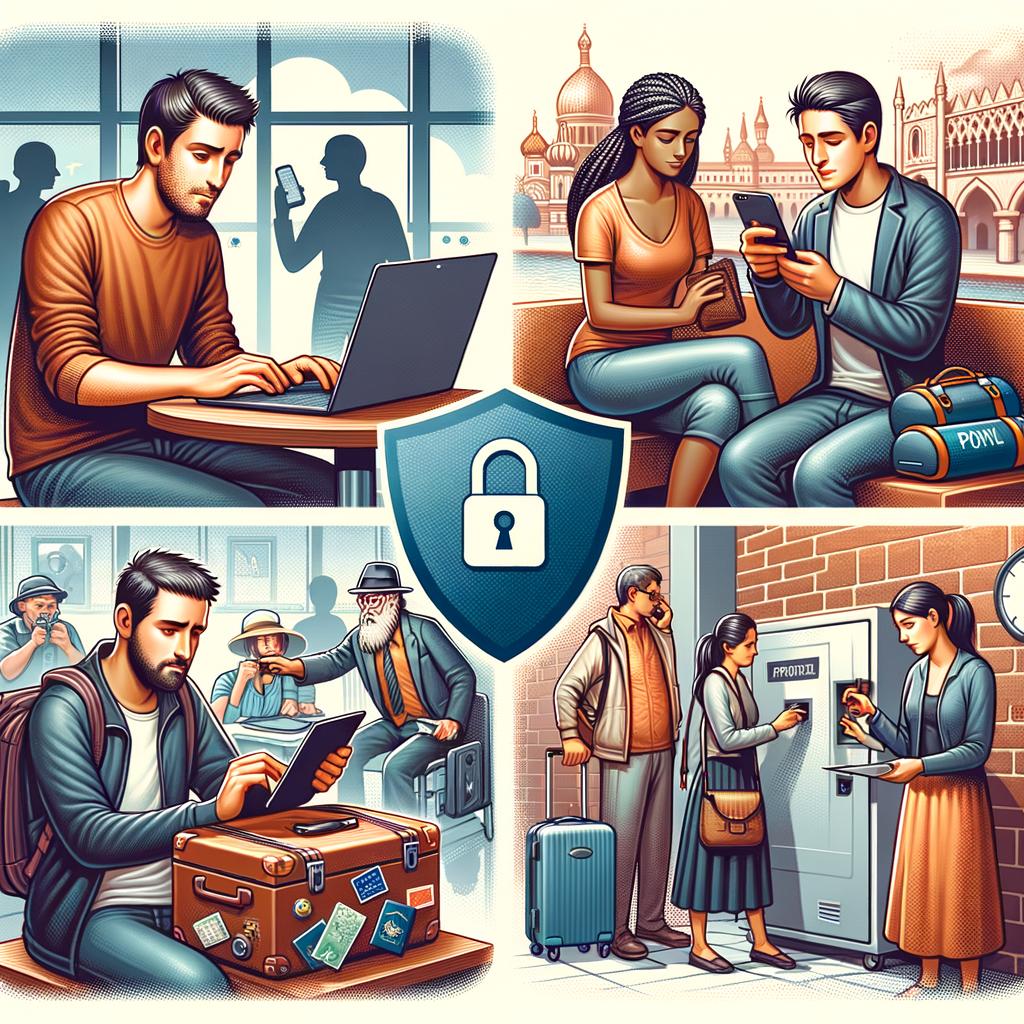
As the world becomes increasingly interconnected, the allure of a digital nomadic lifestyle has captured the imaginations of many. The freedom to work from picturesque beaches, bustling city cafés, or serene mountain retreats offers an enticing escape from the conventional 9-to-5 grind. However, along with the thrill of exploration comes the necessity for vigilance and caution. In an age where our devices are our lifelines, ensuring our safety—physical, digital, and emotional—while traversing new landscapes becomes paramount. In this article, we delve into essential strategies for safeguarding yourself while embracing the nomadic spirit. From safeguarding your electronics to navigating unfamiliar cultures, discover how to confidently roam the globe and create unforgettable memories, all while keeping your well-being at the forefront.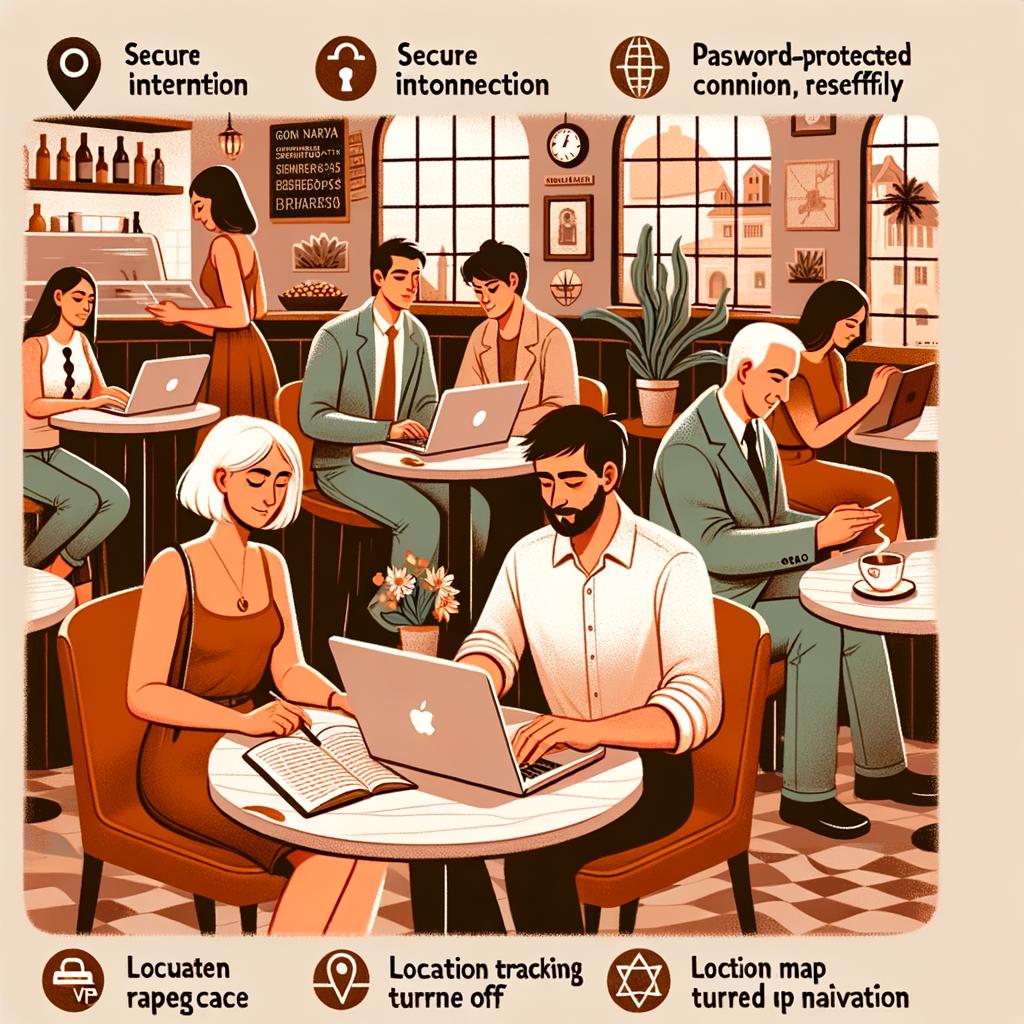
Navigating Local Safety Norms and Cultural Sensitivities
When exploring new destinations as a digital nomad, understanding local safety norms is essential for ensuring your well-being. Different cultures have varying standards of behavior and security that demand respect. To help you navigate this landscape, consider the following:
- Research local laws: Before embarking on your journey, familiarize yourself with the laws and regulations of the area, especially those pertaining to transportation, photography, and social interactions.
- Observe local customs: Pay attention to the behavior of locals. For instance, greetings, dress codes, and public displays of affection may vary significantly across cultures.
- Engage with locals: Building relationships with residents can provide insights into safer neighborhoods and activities, making your experience more enriching and secure.
Cultural sensitivities can greatly influence your safety while traveling, often intertwining with local norms and values. It’s crucial to approach every destination with an open mind and a willingness to adapt. Consider the following strategies:
- Dress appropriately: Dressing in accordance with local customs can prevent unwanted attention and show respect for cultural values.
- Learn key phrases: Knowing a few basic expressions in the local language can go a long way in fostering goodwill and potentially averting misunderstandings.
- Attune to non-verbal cues: Body language can differ greatly across cultures, so being aware of non-verbal signals can help you navigate interactions more effectively.
| Aspect | Best Practices |
|---|---|
| Dress Code | Follow local expectations |
| Language | Learn key phrases |
| Customs | Observe and respect |
Essential Tech Tools for Protecting Your Digital Footprint
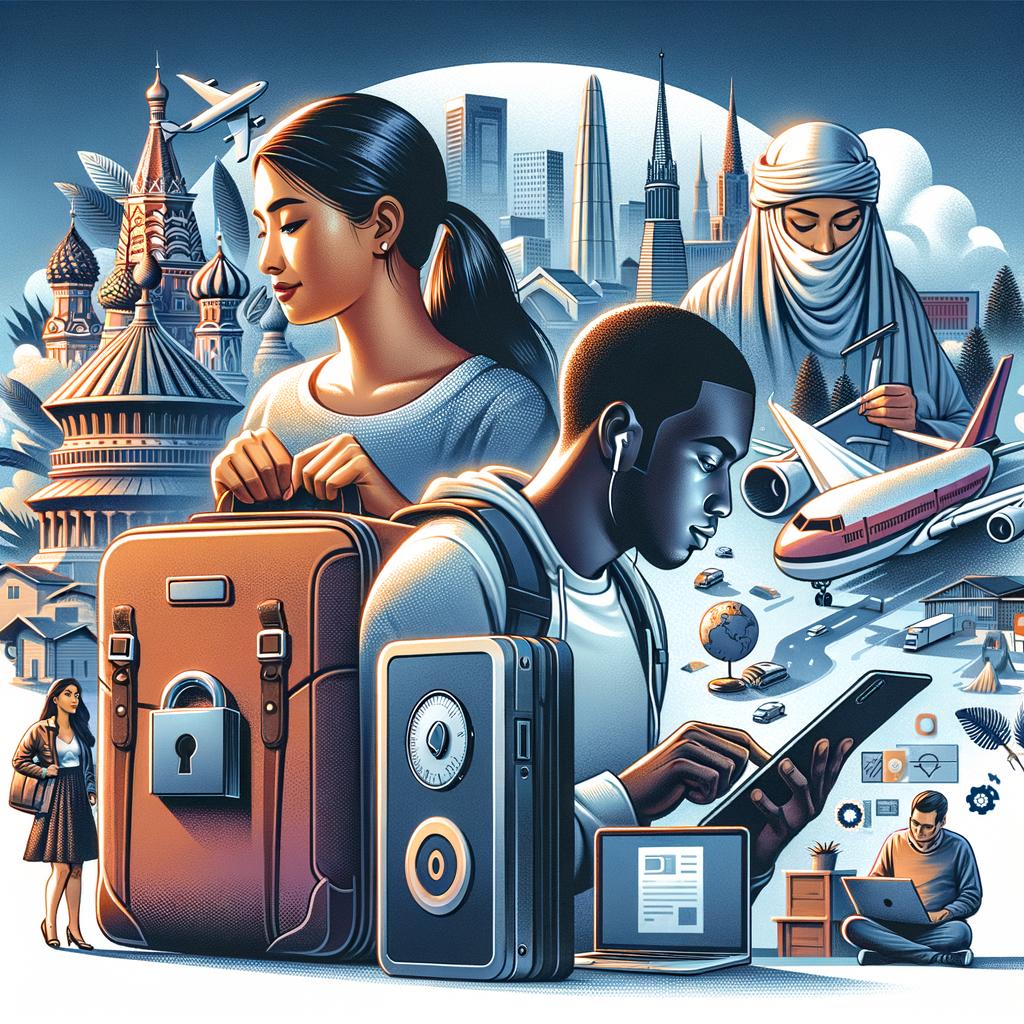
In the era of constant connectivity, safeguarding your digital identity is essential, especially when roaming the globe. One of the best strategies for enhancing your online privacy is utilizing a Virtual Private Network (VPN). A reliable VPN encrypts your internet connection, effectively disguising your online activities from prying eyes and securing your data against cyber threats. Additionally, incorporating a password manager can streamline your security process, allowing you to generate and store complex passwords without needing to remember each one. This tool can be particularly vital when accessing sensitive accounts from public networks.
Another essential tool for the digital nomad is a secure cloud storage service. By backing up your files in a secure location, you ensure that your valuable data is protected against loss or theft during your travels. Pairing this with strong two-factor authentication (2FA) adds an extra layer of security when accessing your accounts. Lastly, consider installing anti-virus software that offers real-time protection as you connect to various networks worldwide. Together, these tools form a comprehensive suite for protecting your digital footprint while you explore new horizons.
Building a Secure Network While Working Remotely
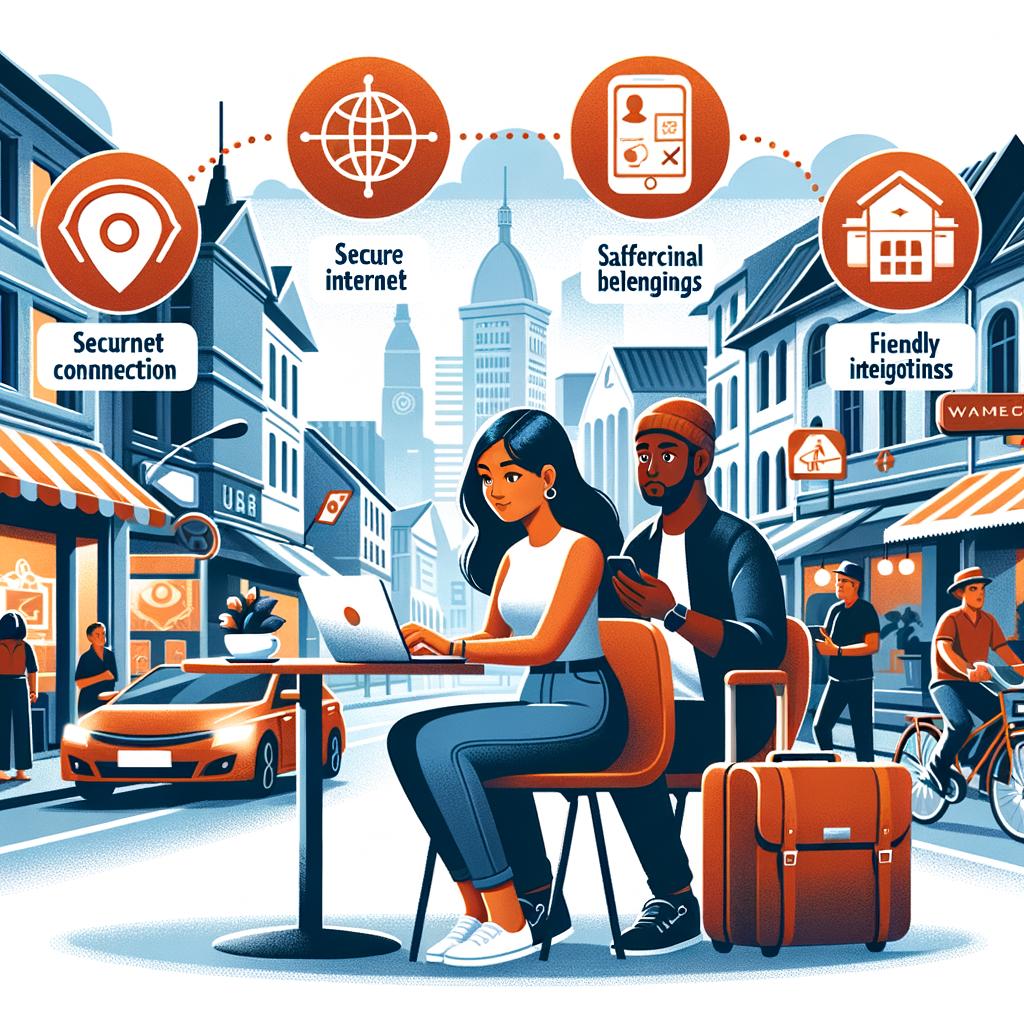
Creating a secure network while working remotely is critical, especially for digital nomads who frequently connect to public Wi-Fi. To bolster your online security, consider implementing these practical strategies:
- Use a VPN: A Virtual Private Network encrypts your internet connection, making it harder for hackers to access your data.
- Choose Secure Connections: Always opt for websites that use HTTPS and avoid entering sensitive information on unsecured networks.
- Update Software Regularly: Keep your operating system and applications up to date to protect against vulnerabilities.
- Enable Two-Factor Authentication: Adding an extra layer of security can significantly reduce the risk of unauthorized access.
Additionally, being mindful of the tools and applications you use can enhance your online safety. Take note of the following essential practices:
| Tool/Application | Purpose |
|---|---|
| Password Manager | Store and manage passwords securely. |
| Encrypting Software | Protect sensitive files before transferring them. |
| Firewall Software | Monitor and control incoming and outgoing network traffic. |
By remaining vigilant and adopting these security measures, you can create a resilient network that supports your travels while safeguarding your personal information.
Emergency Preparedness Tips for the Savvy Traveler
For those who embrace the digital nomad lifestyle, staying safe while traveling means being prepared for the unexpected. It’s essential to develop a proactive mindset when it comes to emergencies. Start by creating a travel emergency kit that includes vital items such as first aid supplies, non-perishable snacks, and essential personal documents. Ensure you have access to a reliable power bank and backup means of communication, like an international SIM card, so you’re never left stranded. Additionally, familiarize yourself with the local emergency numbers and protocols of the countries you visit. You never know when you might need them, and knowing what to do in a crisis can save precious time and reduce stress.
Another crucial aspect of emergency preparedness is understanding your surroundings. Conduct a quick safety assessment as soon as you arrive at your new destination. Take note of nearby hospitals, police stations, and embassy locations. Establish a list of trusted local contacts, whether they be friends, community groups, or local expats who can provide assistance if needed. Furthermore, consider enrolling in travel insurance that covers health, theft, and potential trip cancellations. In an emergency, having the right financial and medical support can be the difference between a minor inconvenience and a full-blown crisis.
Q&A
Q&A: How to Stay Safe While Traveling as a Digital Nomad
Q1: What are the most important safety tips for digital nomads traveling to a new country?
A1: When traveling as a digital nomad, awareness is key! Start by researching your destination for local customs, laws, and potential safety risks. Utilize reliable sources such as travel advisories from your government, and consider joining online forums where other nomads share their experiences. Stay vigilant, particularly in crowded places, and keep your belongings close. Familiarize yourself with emergency contacts and local healthcare facilities before you embark on your journey.
Q2: How can I protect my digital devices while traveling?
A2: Your devices are your lifeline as a digital nomad, so safeguarding them is crucial. Use strong, unique passwords for all accounts and consider a password manager for added security. Enable two-factor authentication whenever possible. Invest in a reputable VPN to protect your data while using public Wi-Fi. Lastly, keep backups of important files in the cloud or on an external hard drive to avoid loss in case of theft or damage.
Q3: Are there specific measures I can take to ensure my personal safety in a foreign country?
A3: Absolutely! Start by staying aware of your surroundings—it’s amazing how much your instincts can guide you. Choose accommodations with good reviews and in safe neighborhoods. When exploring, avoid flashing expensive items like jewelry or electronics. If you’re traveling alone, try to stay in touch with someone back home and share your itinerary. Trust your gut; if a situation feels off, it’s okay to remove yourself.
Q4: What should I do if I find myself in an emergency situation?
A4: First and foremost, stay calm. Evaluate the situation and if necessary, contact the local authorities or your country’s embassy. Familiarize yourself with local emergency numbers ahead of time. Have a plan for how you will communicate in emergencies, whether that’s a local SIM card or an international plan. Keep emergency contacts saved on your phone and written down in your luggage, just in case.
Q5: How can I ensure my health and well-being while traveling?
A5: Prioritize your health by maintaining a balanced lifestyle. Look for local hospitals or clinics upon arrival and keep an updated list of your medications. Hydrate frequently, eat healthily, and get enough rest to keep your immune system strong. Familiarize yourself with vaccination requirements and consider travel insurance that covers health issues abroad. Lastly, listen to your body—if you feel unwell, don’t hesitate to seek medical help.
Q6: Is it a good idea to socialize with locals and other travelers?
A6: Engaging with locals and fellow travelers can enrich your experience, but it’s wise to approach these interactions with caution. Choose public venues like cafes or group activities and always meet in populated areas. Trust your instincts; if something feels uncomfortable, feel free to disengage. Building a network can provide you with valuable insights and friendships, but safety should always come first!
Q7: Can you recommend tools or apps that enhance safety for digital nomads?
A7: Certainly! Consider using apps like Maps.me for offline navigation, Security Buddy for emergency contacts and alerts, and DuckDuckGo for private browsing. For staying connected, WhatsApp or Signal can ensure your conversations remain secure. TripIt can help you keep itineraries organized, which is useful in case of emergencies.
By following these tips and staying proactive, your adventures as a digital nomad can be both fulfilling and safe!
In Retrospect
In the vibrant tapestry of nomadic life, safety is the thread that holds everything together. As you navigate through bustling cities, serene landscapes, and eclectic cultures, the wisdom gleaned from this guide will serve as your compass. Remember, the essence of being a digital nomad lies not just in exploring new horizons, but in doing so with a vigilant eye and an open heart.
By embracing proactive safety measures—whether it’s securing your equipment, staying informed about local customs, or trusting your instincts—you empower yourself to enjoy the journey fully. Your adventures will unfold with richer colors and deeper experiences when you prioritize your well-being. So pack your bags, charge your devices, and head out into the world with confidence. The road ahead is filled with opportunity, camaraderie, and inspiration; all that’s left is for you to step boldly into it. Safe travels, adventurer!