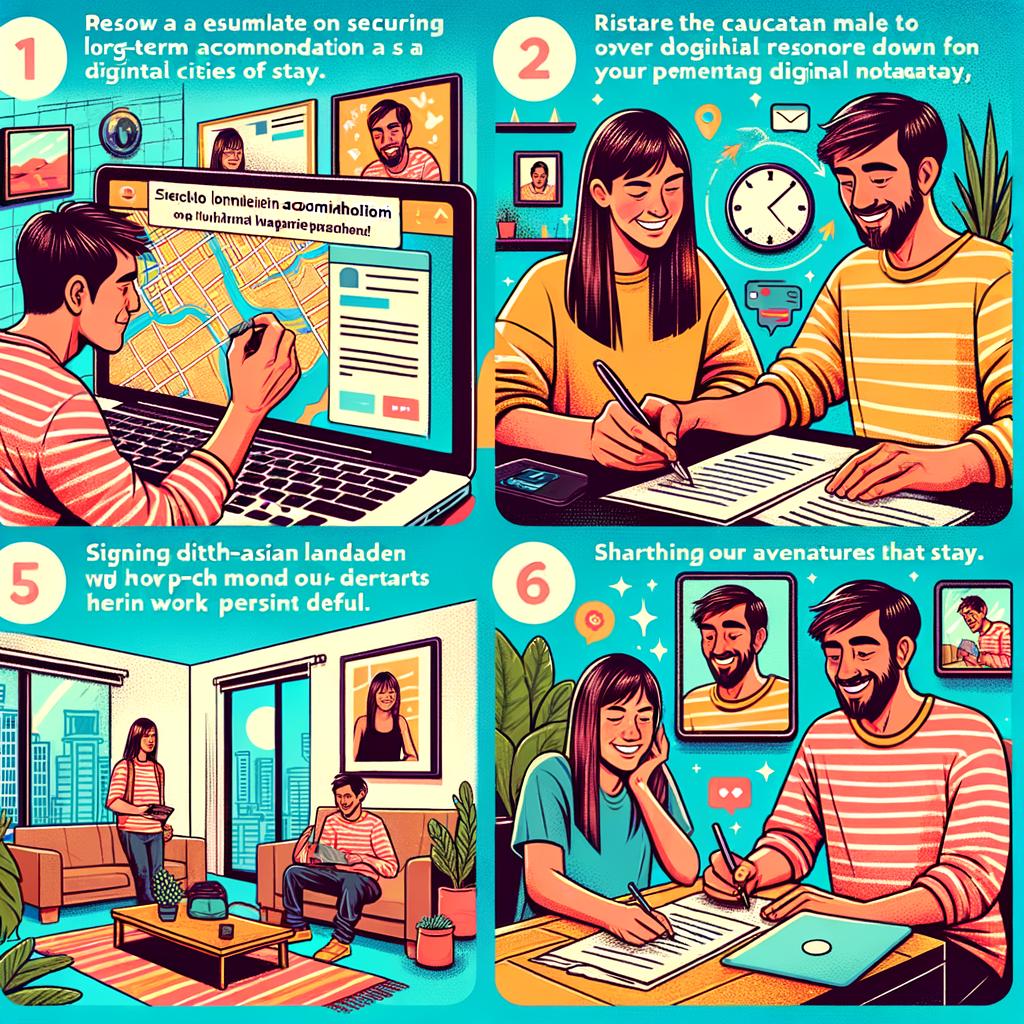
In an age where work is no longer confined to a desk, the allure of becoming a digital nomad is captivating more professionals than ever before. The freedom to explore bustling cities, tranquil beaches, or remote mountains while earning a living is a dream for many. However, along with this wanderlust comes the challenge of finding a comfortable and stable place to stay that suits your lifestyle and budget. Securing long-term accommodation can be a daunting task, especially in unfamiliar territories where local customs and rental practices differ significantly. In this article, we’ll navigate the intricate landscape of long-term housing options for digital nomads, offering practical tips and insightful strategies to help you establish a home base wherever your travels take you. Whether you’re seeking a cozy apartment in a vibrant urban hub or a quiet bungalow in a serene countryside, we’ll equip you with the knowledge you need to make your nomadic journey both sustainable and enjoyable.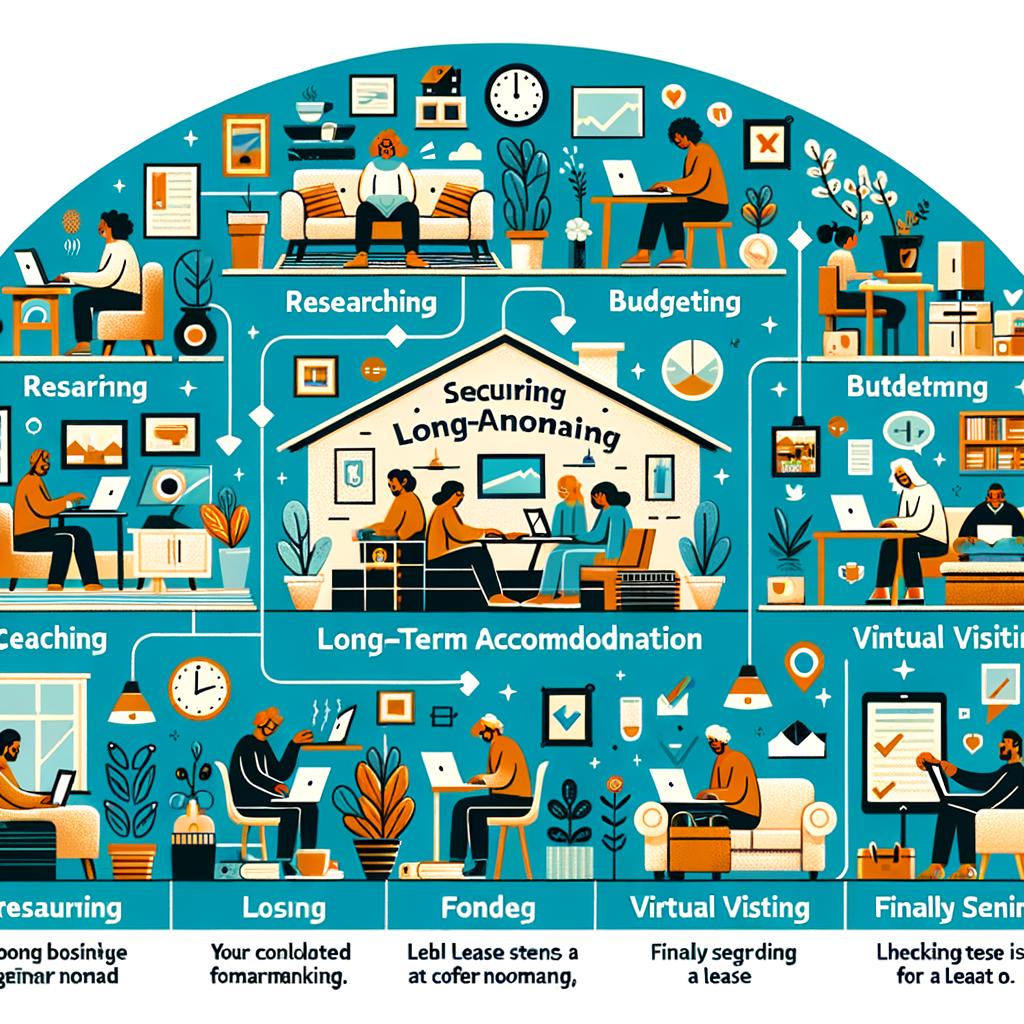
Understanding Your Accommodation Needs as a Digital Nomad
As a digital nomad, understanding your accommodation needs is crucial to ensure a productive and enjoyable experience while navigating new locales. Start by considering the type of environment that fuels your creativity and focus. Here are some factors to keep in mind:
- Workspace: Look for accommodations with designated work areas, such as a private desk or a quiet corner.
- Internet Connectivity: A strong, reliable Wi-Fi connection is imperative; prioritize locations with good reviews on internet speed.
- Comfort and Amenities: Choose places with essentials that suit your lifestyle, like a kitchenette or access to laundry facilities.
- Location: Focus on proximity to co-working spaces, cafes, and recreational areas that enhance both work and relaxation.
Furthermore, consider your personal preferences and lifestyle habits when selecting accommodation. Different destinations offer unique atmospheres and cultural experiences, so take the time to evaluate what resonates with you. Here’s a simple comparison of accommodation types:
| Accommodation Type | Pros | Cons |
|---|---|---|
| Co-Living Spaces | Community, networking | Lack of privacy |
| Short-Term Rentals | Flexibility, local experience | Less stability |
| Hotels | Convenience, amenities | Higher costs |
| Hostels | Budget-friendly, social | Noise, shared facilities |

Exploring Flexible Housing Options Across the Globe
As digital nomads continue to embrace the freedom of remote work, the demand for flexible housing options has surged across the globe. Each destination offers unique living arrangements, catering to various lifestyles and budgets. From co-living spaces in bustling urban centers to eco-friendly cabins in serene countryside, the possibilities are endless. Some popular choices for housing include:
- Co-living Spaces: These modern communities provide private bedrooms with shared amenities, fostering collaboration and networking.
- Short-term Rentals: Platforms like Airbnb allow nomads to immerse themselves in local culture while enjoying the comforts of home.
- House Sitting: This option enables you to live in someone else’s home for free in exchange for caretaking responsibilities.
When considering long-term accommodation, it’s essential to balance cost, location, and amenities. Researching local rental markets can help identify hidden gems that offer great value. It may also be beneficial to connect with local digital nomad groups for insider tips and shared resources. Below is a quick overview of potential costs for various housing types in popular digital nomad cities:
| City | Co-living Space (Monthly) | Short-term Rental (Monthly) | House Sitting (Monthly) |
|---|---|---|---|
| Bali | $350 | $600 | $0 |
| Lisbon | $450 | $800 | $0 |
| Mexico City | $300 | $700 | $0 |

Mastering the Art of Negotiation for Long-Term Rentals
Negotiation is not just about securing the best price; it’s also about building a rapport with your potential landlord. This relationship can lead to a richer living experience, as landlords may be more willing to accommodate requests when they feel a connection with their tenants. Start by doing your research on the rental market in your chosen area. Understanding local rates and comparable properties will provide you with credibility during negotiations. Consider highlighting your status as a digital nomad, as many landlords appreciate tenants who are flexible, responsible, and often interested in longer leases.
When you enter the negotiation, be clear about your needs and preferences. It might help to create a list of deal-breakers and desired amenities, which can serve as a guide during the discussion. Offering something in return can sweeten the deal; for instance, you might propose a longer commitment in exchange for lowered rent or to cover minor expenses like maintenance. Remember, effective negotiation is about finding a win-win solution, and displaying understanding and flexibility on both sides can lead to a splendid living arrangement that meets your lifestyle as a wanderer.

Building a Community to Enhance Your Nomadic Experience
For digital nomads, building a community can significantly enhance your travel experience and provide essential support in securing long-term accommodation. Engaging with fellow nomads and locals through various platforms can help you find trustworthy housing options and valuable insights about the area. Consider joining online forums, social media groups, or attending networking events in your destination. These connections not only foster a sense of belonging but also facilitate the exchange of practical advice and recommendations, making it easier to navigate local real estate landscapes.
By collaborating with other digital nomads, you can explore options like co-living spaces or shared rentals that might be more affordable and flexible than traditional leases. Dive into the vibrant world of coworking spaces, where you can meet like-minded individuals. Here are some ways to strengthen your community ties:
- Attend local meetups: Search for gatherings related to your profession or interests.
- Join co-hosted events: Participate in activities designed for nomads while also getting to know your neighbors.
- Engage in local volunteer opportunities: This can help you meet residents and develop friendships.
Q&A
Q&A: How to Secure Long-Term Accommodation as a Digital Nomad
Q1: What are the benefits of securing long-term accommodation as a digital nomad?
A1: Long-term accommodation provides stability and a sense of belonging, which can be hard to achieve in short-term rentals. It allows for a deeper connection with the local culture, the potential to build relationships with neighbors, and often better pricing. Plus, having a consistent workspace can enhance productivity, crucial for remote work.
Q2: What are the best platforms for finding long-term rentals?
A2: While traditional sites like Airbnb or VRBO can offer long-term options, platforms like Nomad List, HousingAnywhere, and Spotahome cater specifically to digital nomads. Local classifieds and community groups on Facebook or Meetup can also lead to great finds. Networking with other nomads can yield personal recommendations too.
Q3: How do I negotiate rental terms with landlords?
A3: The key is to communicate openly. Express your interest in a long-term stay and why you’d be a reliable tenant. Offer to pay a few months’ rent upfront if you can. Discuss any flexibility on the rent or additional services, like cleaning, and be prepared to compromise. Building rapport can often lead to favorable terms.
Q4: What should I look for in a long-term rental?
A4: Prioritize essential factors like reliable internet, a comfortable workspace, and proximity to amenities like grocery stores or cafes. Additionally, assess the safety of the neighborhood, public transport options, and general comfort. A good vibe can make all the difference in your experience!
Q5: How can I ensure that I’m making a safe and informed rental choice?
A5: Always check reviews or ask previous tenants about their experiences. Conduct video calls to inspect the property and verify the landlord’s credentials. Using reputable platforms that offer guarantees can also protect your rights. Trust your instincts—if something feels off, it’s worth investigating further.
Q6: What are some tips for adapting to a new accommodation?
A6: Personalize your space to feel more at home; even small touches like photos or local art can create a comforting ambiance. Establish a routine to help you acclimatize, exploring your neighborhood to find favorite spots or getting to know locals. Embrace the experience, and take it as an opportunity for growth.
Q7: What challenges might I face in securing long-term accommodation, and how can I overcome them?
A7: You might encounter language barriers, differing rental laws, or reluctance from landlords. To overcome these, learn basic local phrases, familiarize yourself with the rental market, and consider using a local agent to ease the process. Flexibility and patience are key—adapt to the local nuances and remember, it’s all part of the adventure!
Q8: How does local culture affect the process of securing accommodation?
A8: Every culture has its own rental customs and expectations. In some areas, negotiating is the norm, while in others, it may be more straightforward. Understanding these cultural nuances can help you navigate discussions with landlords or agents smoothly. Take the time to learn about local practices; it builds respect and rapport.
Q9: Are there any legal considerations I should keep in mind?
A9: Yes! Always research local tenancy laws, as they can vary greatly from region to region. Ensure you have a written agreement outlining all terms and conditions. Familiarize yourself with any renter’s rights or obligations to avoid misunderstandings. Consulting a local lawyer can provide peace of mind when needed.
Q10: What is your final piece of advice for digital nomads looking for long-term accommodation?
A10: Stay proactive and persistent. Start your search early, be clear about your needs, and don’t hesitate to ask questions. Every city offers unique opportunities, so embrace the journey of finding a place that feels like home, even if just for a season. After all, the world is your oyster!
The Conclusion
As we conclude our journey through the essential strategies for securing long-term accommodation as a digital nomad, it’s clear that the adventure of living and working in new places doesn’t have to come with the stress of uncertain lodging. By embracing a blend of research, flexibility, and clear communication, you can transform your transient lifestyle into one of comfort and stability. Remember, the key lies in understanding your needs, leveraging digital tools, and building connections within your desired destination.
With the right approach, your living space can be more than just a roof over your head; it can be an inspiring backdrop for creativity, productivity, and exploration. So, take these tips to heart, embark on your next adventure with confidence, and ensure that wherever you land, you create a home that nurtures both your work and wanderlust. Safe travels and happy nomading!