
Imagine a world where your office is a tropical beach, a bustling café, or a serene mountain retreat. The digital nomad lifestyle is no longer a distant dream but a reality for millions. With over 35 million remote workers worldwide, the community is growing rapidly, and 2025 promises exciting new destinations.
Our insights combine essential factors: reliable internet, affordable cost of living, and straightforward visa options. Drawing from Dojo’s report and expert insights, we’ll explore top countries offering the perfect blend of adventure and practicality for remote work.
Key Takeaways
- Discover destinations with affordable cost of living and reliable internet.
- Explore visa options that simplify your remote work experience.
- Learn about countries offering the best balance of lifestyle and practicality.
- Find inspiration from thriving digital nomad communities worldwide.
- Plan your 2025 adventure with expert-recommended locations.
Introduction: The Rise of Remote Work and Digital Nomadism
As the world embraces flexibility, the concept of work is redefining itself. What was once confined to office walls is now a global phenomenon, with professionals and entrepreneurs embracing a life of freedom and autonomy. This shift isn’t just about where we work—it’s about how we live, connect, and grow.
The Evolution of a Location-Independent Lifestyle
Remote work has come a long way since its inception. From the early days of telecommuting to the current era of location independence, the journey has been marked by technological leaps and shifting mindsets. The pandemic accelerated this transformation, proving that productivity isn’t tied to a physical office.
Today, advancements in technology and global connectivity have made it easier than ever to work from anywhere. Cities around the world are adapting to this new reality, offering remote workers the infrastructure and community they need to thrive.
Why 2025 Marks a Pivotal Year
2025 stands out as a transformative year for remote work. Governments are introducing digital nomad visas, making it easier for professionals to live and work abroad. This, combined with the growth of digital nomad communities, signals a significant shift in how we approach work and life.
Key Factors Driving This Shift:
- Rising Demand for Flexibility: Professionals are prioritizing work-life balance and personal freedom.
- Technological Advancements: Improved connectivity and tools enable seamless remote collaboration.
- Global Economic Shifts: Countries are competing to attract remote workers, offering incentives like tax breaks and simplified visa processes.
“The future of work is borderless, and 2025 is just the beginning.” — Jane Smith, Remote Work Expert
| Aspect | Traditional Work | Remote Work |
|---|---|---|
| Location | Office-based | Global, flexible |
| Cost | High (commuting, office space) | Variable (dependent on destination) |
| Flexibility | Limited | High |
As we look ahead to 2025, the possibilities for remote workers are vast. Whether you’re drawn to the affordability of a city in Eastern Europe or the vibrant culture of a destination in Southeast Asia, the world is your office. The key is choosing a place that aligns with your lifestyle and priorities, ensuring a balance between cost, quality of living, and personal growth.
Key Factors to Consider When Choosing Your Destination
Choosing the perfect destination involves more than just scenic views. It’s about balancing practical needs with personal aspirations. Two critical factors stand out: connectivity and cost of living. These elements not only affect your work efficiency but also your overall quality of life.
Connectivity and Internet Reliability
A reliable internet connection is the backbone of remote work. According to Dojo’s metrics, average internet speeds in top destinations range from 50 Mbps in Bali to over 100 Mbps in cities like Lisbon. Speed isn’t the only consideration—consistency is key. Ensure your destination offers stable connectivity to maintain productivity during calls and tasks.
Cost of Living and Local Amenities
Affordability is another crucial aspect. Low cost living doesn’t mean compromising on quality. Cities like Chiang Mai offer a balance of affordability and modern amenities, with monthly costs averaging $600-$800. Weigh factors like accommodation, food, and transportation against your income to ensure financial stability.
| Destination | Internet Speed (Mbps) | Monthly Cost of Living ($) |
|---|---|---|
| Bali, Indonesia | 50 | 700 |
| Lisbon, Portugal | 100+ | 1,200 |
| Chiang Mai, Thailand | 30-50 | 600 |
While cost and connectivity are vital, don’t overlook lifestyle quality. Access to coworking spaces, healthcare, and cultural activities enhances your overall experience. Striking this balance ensures a fulfilling remote work journey.
Digital Nomad Locations: Trends and Insights for 2025
As we step into 2025, the landscape of remote work is evolving rapidly, offering a blend of adventure and practicality for those embracing the digital nomad lifestyle. Emerging destinations are capturing the attention of remote workers, blending the need for reliable connectivity with the desire for inspiring surroundings.
One notable trend is the growing desire to mix work with leisure. Many are seeking destinations where they can enjoy a beach just minutes away from modern coworking spaces. This trend reflects a shift towards a more balanced lifestyle, where personal freedom and work efficiency coexist harmoniously.
When choosing a destination, monthly living costs and local amenities play a crucial role. Cities that offer affordability without compromising on quality are gaining popularity. For instance, Chiang Mai and Bali provide a cost-effective yet vibrant environment, making them hotspots for remote workers.
Lifestyle changes are also driving this movement. Professionals are prioritizing work-life balance and personal growth. Cities like Medellín and Tallinn are examples of destinations that seamlessly integrate work requirements with cultural richness, inspiring a fulfilling lifestyle.
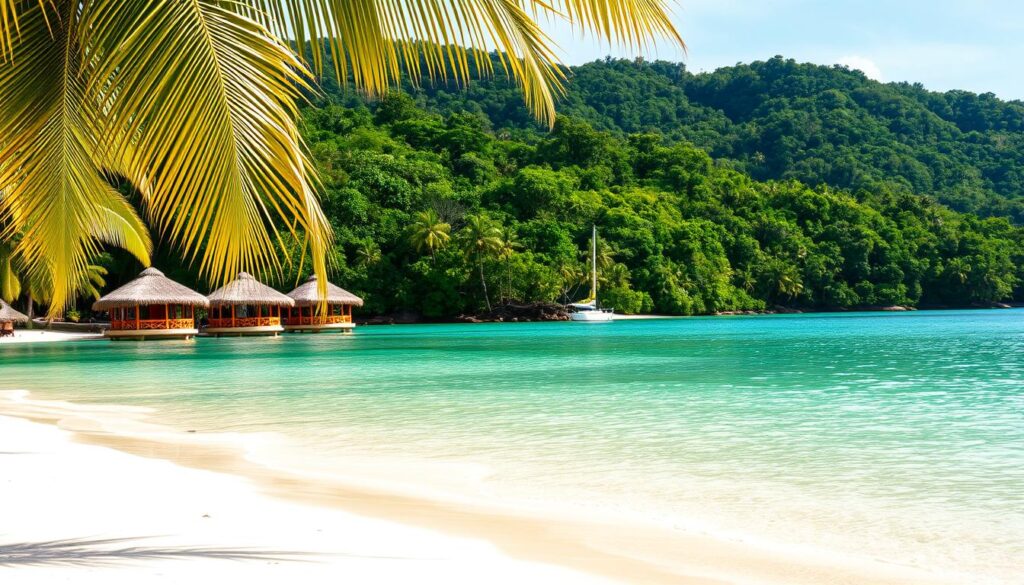
Top European Destinations for Remote Work
Europe’s diverse regions offer a blend of history and modernity, making them ideal for remote workers seeking cultural immersion. From the scenic islands of Italy to the vibrant cities of Spain, these destinations provide a unique experience that combines work with leisure.
Iconic Italian Cities and Historical Charm
Italy captivates remote workers with its rich history and modern amenities. Genoa, a historic port city, offers a low cost of living and a robust digital nomad visa program. Bari, another Italian gem, boasts affordable housing and a thriving expat community. These cities blend tradition with the comforts of remote work, making them ideal for those seeking an authentic experience.
| City | Cost of Living | Visa Options | Quality of Life |
|---|---|---|---|
| Genoa | $800/month | Digital Nomad Visa | High |
| Bari | $700/month | Remote Work Visa | Very High |
Vibrant Spanish Cultural Hubs
Spain attracts remote workers with its warm climate and dynamic culture. Valencia stands out as a low-cost city with a high quality of life. The Spanish Start-up Law allows remote workers to stay for a year, making it an attractive option. These regions offer a perfect balance of affordability and lifestyle benefits, fostering a thriving remote work environment.
| City | Cost of Living | Visa Options | Quality of Life |
|---|---|---|---|
| Valencia | $900/month | Start-up Law Visa | Excellent |
For more insights on European hotspots, visit this guide to explore the best regions for your next remote adventure.
Best Asian and Caribbean Hotspots for Nomads
As remote work continues to reshape the global landscape, exotic destinations in Asia and the Caribbean are emerging as hotspots for those seeking adventure and productivity. These regions offer a unique blend of strategic visa options, architectural charm, and vibrant cultures, making them ideal for remote workers.
Highlights from Southeast Asia
Southeast Asia stands out for its affordability and scenic beauty. Thailand leads with its long-term and digital nomad visas, providing a gateway for remote workers. Indonesia’s Bali initiatives are another draw, offering tax-free incentives for up to five years. These destinations combine rich cultural experiences with modern amenities, creating an attractive environment for remote professionals.
Caribbean Island Life and Remote Opportunities
The Caribbean offers a mix of island tranquility and remote work opportunities. Antigua and Barbuda’s NDR program allows stays up to two years with no income tax. Similarly, Barbados’s Welcome Stamp visa attracts remote workers with its tax exemptions and high quality of life. These programs cater to those seeking a balance between work and leisure in a tropical setting.
| Destination | Visa Type | Key Benefits |
|---|---|---|
| Thailand | Long-term/Digital Nomad Visa | 10-year validity, tax incentives |
| Indonesia (Bali) | Digital Nomad Visa | Tax-free for up to 5 years |
| Antigua and Barbuda | Nomad Digital Residence (NDR) | No income tax for 2 years |
These regions exemplify how strategic visa options and cultural richness can enhance the remote work experience, offering both adventure and practicality for those embracing a borderless lifestyle.
Safety, Visa, and Connectivity Considerations
For remote workers, safety and seamless digital infrastructure are top priorities. Ensuring a secure and stable environment is crucial for productivity and peace of mind.
Navigating Visa Options
Exploring visa options can be complex, but understanding the process is key. Many countries offer digital nomad visas with varying costs and requirements. For instance, Italy’s digital nomad visa costs $124, while Portugal’s ranges between $75 and $150. These visas often require proof of income, ranging from $2,500 to $3,500 per month, ensuring financial stability.
Ensuring Security and Reliable Internet
Safety and internet reliability are non-negotiable. Cities like Lisbon and Chiang Mai offer high internet speeds (50-100 Mbps) and moderate safety scores. Co-working spaces in these areas provide secure environments, enhancing overall security.
| City | Visa Cost | Internet Speed (Mbps) | Safety Score |
|---|---|---|---|
| Italy | $124 | 50-100 | 70 |
| Portugal | $75-$150 | 100+ | 75 |
| Chiang Mai | N/A | 30-50 | 65 |
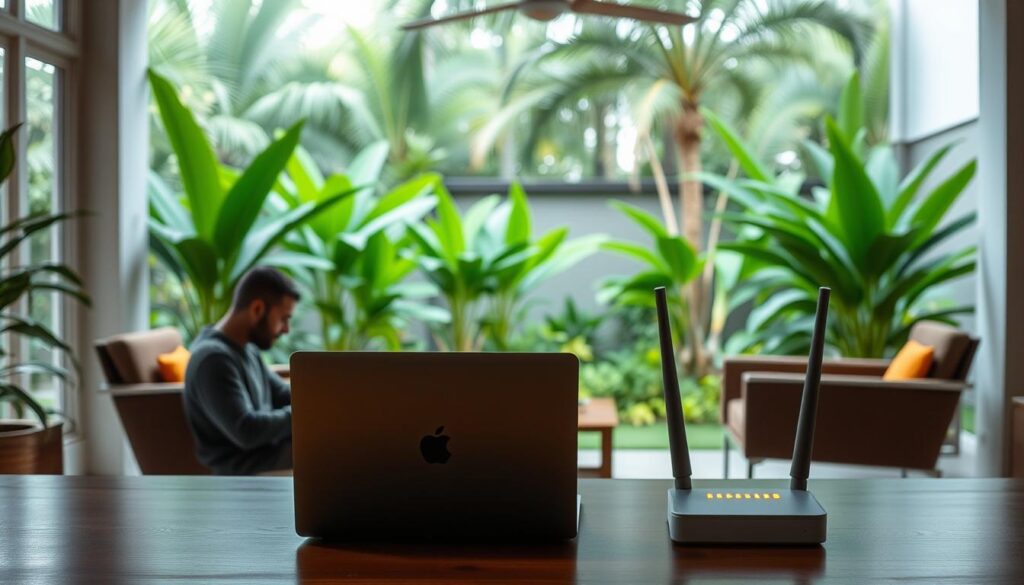
Choosing a destination with a balance of affordability, safety, and connectivity ensures a fulfilling remote work experience. Researching visa requirements and testing internet speeds can make all the difference.
Analyzing Cost of Living and Quality of Life in Global Destinations
Understanding the balance between affordability and quality of life is crucial for remote workers. We’ve compiled data from multiple sources, including Dojo’s metrics, to provide a clear comparison of monthly expenses and living quality across top cities.
| City | Monthly Cost of Living ($) | Quality of Life Rating |
|---|---|---|
| Rome, Italy | 720 | 140.52 |
| Florence, Italy | 785 | 155.6 |
| Quebec City, Canada | 725 | High |
These comparisons help remote workers make informed decisions about their next destination. For more insights, visit our guide on top global cities for an enhanced remote work experience.
Crafting Your Digital Nomad Work Environment
Creating an optimal work environment is crucial for productivity and well-being as a remote worker. Whether you’re in a bustling city or a serene retreat, your workspace plays a significant role in your success.
Finding the Perfect Coworking Space
A well-chosen coworking space can elevate your remote work experience. Consider factors like reliable internet, noise levels, and access to amenities. For instance, spaces in cities like Chiang Mai offer affordable options with vibrant communities, while Lisbon provides high-speed internet and a dynamic atmosphere.
When selecting a space, think about your work style. Some prefer quiet areas for focus, while others thrive in collaborative environments. Many coworking spaces now offer flexible memberships, allowing you to test the environment before committing.
- Assess internet speed and reliability.
- Evaluate noise levels and ambiance.
- Explore amenities like meeting rooms and networking events.
Additionally, consider the broader environment. The best cities for remote work often blend affordability with rich cultural experiences, making your work-life balance more enjoyable.
Remember, your workspace is more than just a desk. It’s where your ideas come to life, connecting your professional and personal growth seamlessly.
Conclusion
As we look to the future of remote work, the possibilities are endless. The rise of digital nomad-friendly cities and countries offers a blend of affordability, connectivity, and quality of life that’s hard to resist. Whether you’re drawn to the vibrant culture of Mexico or the serene landscapes of Bali, each destination promises a unique experience tailored to your needs.
Key insights from our journey reveal that cities like Chiang Mai and Lisbon stand out for their cost-effectiveness and robust digital infrastructure. Visa options in Portugal and Estonia simplify the transition to a remote lifestyle, while destinations like Medellín and Tallinn offer a perfect mix of adventure and practicality.
Embrace the freedom to work from anywhere and join a community that values flexibility and personal growth. Explore the vibrant opportunities in Mexico and other top destinations, where you can live, work, and thrive on your own terms. Take the first step towards a fulfilling remote work experience and become part of a supportive community that shares your vision of a borderless lifestyle.