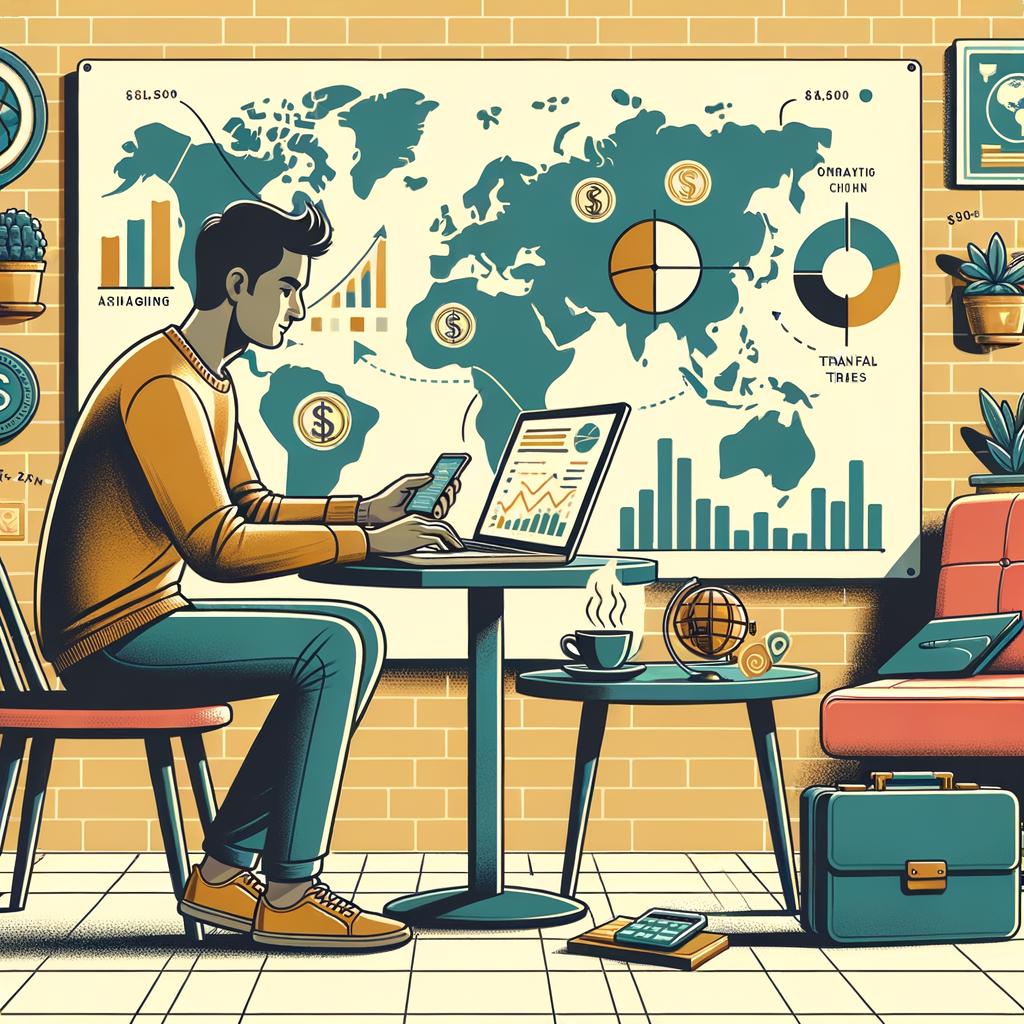
In a world where the boundaries of work and leisure blur into a vibrant tapestry of adventure, the digital nomad lifestyle beckons many to trade traditional offices for vibrant cafes, exotic beaches, and bustling co-working spaces. But as the world becomes your office, managing finances can swiftly transform from a mundane task into a daunting challenge. Navigating currency exchanges, fluctuating expense reports, and the unpredictability of freelance income requires more than just a minimalist backpack and a reliable laptop; it demands a strategic approach to budgeting and financial literacy. In this article, we’ll explore essential tips and tools for effectively managing your finances while savoring the freedom of life on the move. From creating a flexible budget to leveraging technology for smarter expense tracking, our guide will help you maintain financial stability amid the thrill of exploration, ensuring your adventures remain enjoyable and sustainable. Join us as we delve into the art of balancing wanderlust with wise financial choices, empowering you to thrive in your digital nomad journey.
Crafting a Sustainable Budget for a Mobile Life
Embracing a mobile lifestyle requires a fresh perspective on budgeting, as your financial needs will constantly evolve with each new destination. To begin crafting a sustainable budget, it’s essential to consider your priorities. Start by listing your essential expenses, such as accommodation, food, transportation, and communication. These should form the backbone of your budget, allowing you to allocate the right amount without unnecessary strain. Establish a monthly cap for each category, which can help you stay disciplined while enjoying your adventures. Additionally, consider using budgeting apps that facilitate tracking expenses on the go, ensuring that you remain aware of your financial health regardless of your location.
Beyond necessities, it’s important to carve out room for savings and unplanned expenditures. Here are some strategies to enhance your financial flexibility:
- Build an Emergency Fund: Aim for at least three months’ worth of living expenses to cover unexpected costs.
- Seek Affordable Destinations: Research cities where your currency goes further, allowing you to stretch your budget.
- Utilize Co-Working Spaces: Instead of high-priced hotels, look for budget-friendly accommodations that offer workspaces.
- Frequent Local Markets: Shopping where the locals do can dramatically reduce food costs.
| Expense Category | Percentage of Budget |
|---|---|
| Accommodation | 30% |
| Food | 20% |
| Transportation | 15% |
| Communication | 10% |
| Savings | 25% |
Navigating Currency Exchange and Foreign Transaction Fees
As you traverse the globe, one of the most significant financial challenges you’ll face is managing currency exchange and foreign transaction fees. These costs can quickly accumulate and eat into your budget, so it’s essential to choose the right financial tools to minimize them. Consider utilizing a multi-currency account or a digital banking app that allows you to hold and exchange currencies easily. This not only streamlines immediate transactions but can also provide competitive exchange rates. Additionally, opting for local ATMs can often yield better rates than currency exchange booths at airports or tourist hotspots, though it’s important to verify any withdrawal fees associated with your bank.
When it comes to using credit and debit cards abroad, be mindful of the foreign transaction fees that many banks impose. These fees typically range from 1% to 3% of each transaction, so selecting a bank or card that waives these charges can lead to significant savings over time. Here is a simple comparison of card options to consider:
| Card Type | Foreign Transaction Fee | Benefits |
|---|---|---|
| Standard Credit Card | 1% – 3% | Earn rewards points |
| No-Fee Travel Credit Card | None | Travel insurance perks |
| Debit Card | Varies | Access local ATMs |
To further streamline your financial management, consider setting daily or monthly budgets in both your home currency and the local currency. Keeping track of your expenses can help you avoid any nasty surprises when the bill comes due. By staying proactive and informed about currency exchange practices and fees, you can enjoy your adventures without the stress of financial missteps.
Building an Emergency Fund while Traveling
Traveling the world as a digital nomad is exhilarating, but it also comes with financial uncertainties. Building an emergency fund should be a priority, allowing you to navigate unexpected challenges with peace of mind. To effectively set aside money while on the move, consider opening a specialized savings account that offers competitive interest rates. This account can act as your financial safety net, funded through regular contributions from your freelance income or savings from your travel budget. Here are some strategies to boost your emergency fund:
- Automate Savings: Set up automatic transfers to your savings account whenever you receive payments.
- Fractional Allowance: Allocate a small percentage of your income to the fund before budgeting for travel expenses.
- Side Gigs: Engage in freelance work or crash with minimal expenses to squeeze out extra cash for savings.
To ensure that your emergency fund is sufficient and tailored to your traveling lifestyle, consider the types of emergencies you might encounter. Health issues, travel disruptions, or tech failures can all pose financial challenges. Creating a simple table to evaluate potential costs from common emergencies can help prioritize your savings goals:
| Emergency Type | Estimated Cost |
|---|---|
| Medical Expenses | $500 – $2000 |
| Travel Delays | $200 – $1000 |
| Equipment Repair | $100 – $800 |
With this table, you can set realistic savings goals based on potential situations. Continuously review and adjust your emergency fund based on changing circumstances, ensuring that you are always prepared to tackle unexpected expenses while enjoying your digital nomad lifestyle.
Leveraging Technology for Financial Tracking and Management
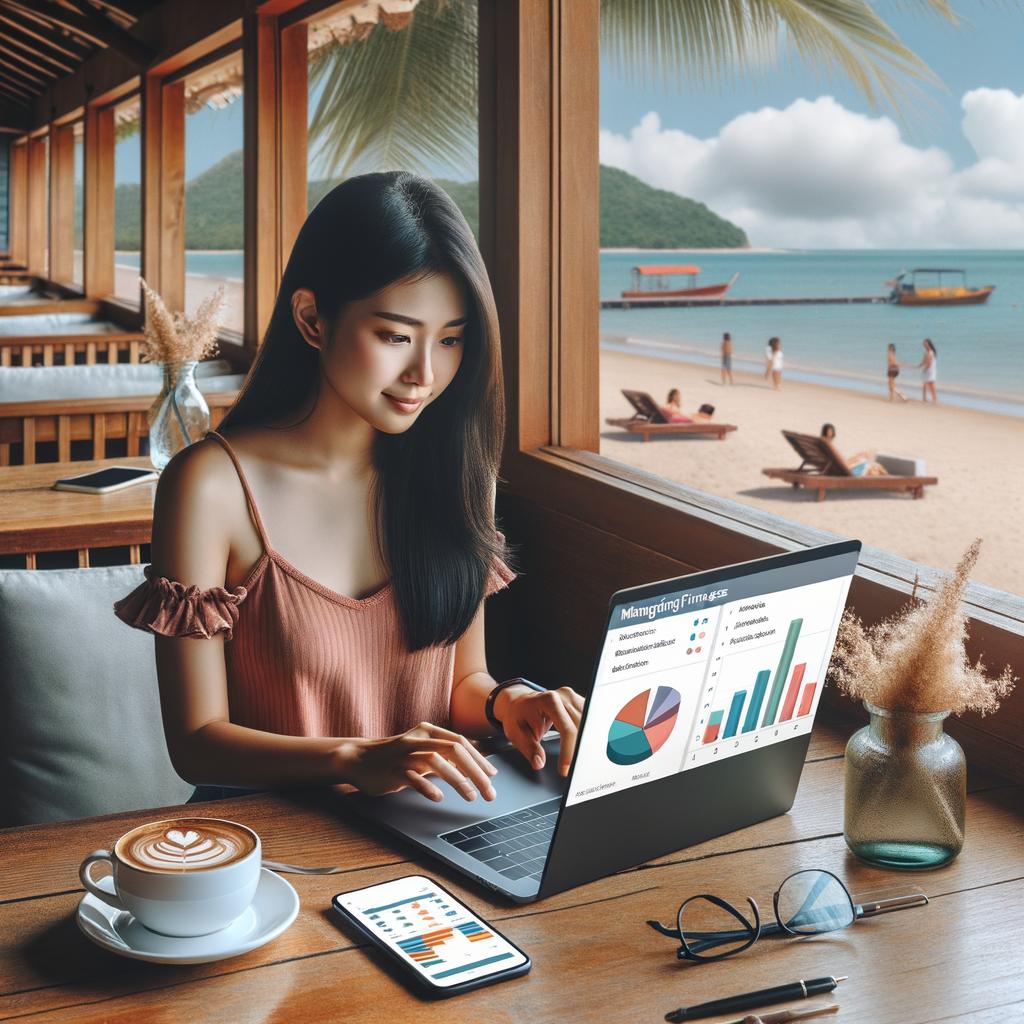
In the ever-evolving landscape of digital nomadism, leveraging technology is crucial for effective financial tracking and management. With a multitude of apps and tools available, managing your finances remotely has never been easier. Consider utilizing tools such as expense trackers, budgeting apps, and cloud-based accounting software to simplify the process. This enables you to monitor your income and expenditures effortlessly while on the move. Some popular options include:
- Mint: An all-in-one budgeting app that consolidates accounts and provides a clear financial overview.
- YNAB (You Need A Budget): A proactive financial management tool that helps you give every dollar a job.
- Wave: A free accounting software that caters specifically to freelancers and small business owners.
Moreover, automating your finances is a game-changer, especially for those constantly on the go. Setting up automatic transfers, bill payments, and savings contributions can ensure your financial management operates smoothly without the need for constant monitoring. This not only saves time but also reduces the stress associated with missed due dates and late fees. Utilize the following simple table to establish a habit of reviewing your financial status regularly:
| Review Frequency | Task | Tools to Use |
|---|---|---|
| Weekly | Update Expense Tracker | Mint, YNAB |
| Monthly | Review Budget | Google Sheets, Wave |
| Quarterly | Assess Savings Goals | Personal Finance Apps |
Q&A
Q&A: How to Manage Your Finances While Living the Digital Nomad Lifestyle
Q1: What exactly is the digital nomad lifestyle?
A1: The digital nomad lifestyle is a way of living that allows individuals to work remotely while traveling the world. This lifestyle is fueled by technology, enabling freelancers, entrepreneurs, and remote employees to maintain their careers without being tied to a specific location. It’s about blending work with adventure—think working from a beach in Bali or a café in Paris.
Q2: How can I effectively budget when I’m constantly on the move?
A2: Creating a flexible yet structured budget is key. Start by listing all your income sources and expected expenses. Use budgeting apps designed for travelers, such as Trail Wallet or Expensify, to track expenses in real-time. Consider your lifestyle and expenses in different locations—some cities are more expensive than others. Always factor in costs for accommodation, food, transportation, and emergencies to create a sustainable budget.
Q3: Are there specific financial tools you recommend for digital nomads?
A3: Absolutely! Some must-have tools include:
- Budgeting Apps: Use Mint or YNAB (You Need A Budget) to keep track of your finances.
- Currency Converters: XE Currency is handy for real-time currency conversions, helping manage costs in different currencies.
- Expense Trackers: Apps like Splitwise can help manage shared expenses if you’re traveling with others.
- Banking Apps: Look for banks that offer low or no foreign transaction fees, like Charles Schwab or Revolut.
Q4: What are some tips for saving money while traveling?
A4: To keep your finances in check while globetrotting:
- Accommodation: Opt for hostels, homestays, or house-sitting opportunities to save on lodging. Websites like Couchsurfing or Airbnb can be great resources.
- Local Eats: Dine where the locals go rather than touristy spots to find tasty meals at lower prices.
- Public Transport: Embrace local public transport options instead of taxis or rideshares to cut down on travel costs.
- Freelance Gigs: Consider picking up short-term jobs or freelancing gigs in your destination to earn extra cash while exploring.
Q5: How should I handle taxes and financial records as a digital nomad?
A5: Staying on top of your taxes is crucial. Depending on your home country, you may still be liable for taxes even while living abroad. Keep meticulous financial records, track your income and expenses, and use accounting software like QuickBooks or Wave to simplify the process. Consulting with a tax professional familiar with expatriate finances can also help you navigate the complexities.
Q6: What should I do in case of a financial emergency while on the road?
A6: Having a robust financial contingency plan is vital. This could include:
- Maintaining an emergency fund in a separate savings account that you can easily access.
- Carrying several payment methods, such as credit cards, debit cards, and cash in the local currency.
- Familiarizing yourself with local ATMs and banks in advance of traveling.
- Investing in travel insurance that covers lost or stolen property, as well as medical emergencies.
Q7: How do I keep track of financial goals while living a nomadic lifestyle?
A7: Regularly revisiting and adjusting your financial goals ensures you stay on track. Set aside time each month to review your budget and savings goals. Use goal-tracking apps or spreadsheets to visualize your progress. Celebrate small milestones, and adjust your plans according to changes in your lifestyle or income.
Q8: What is the biggest financial mistake digital nomads make?
A8: One of the most common pitfalls is underestimating expenses. Many digital nomads fall into the trap of thinking that living abroad is always cheaper. Local experiences, tours, and an adventurous spirit can quickly add up. Staying mindful of your spending habits and distinguishing between needs and wants is essential in maintaining financial health.
Whether you’re a seasoned globetrotter or just starting out on your nomadic journey, smart financial management will keep your adventures rolling smoothly. Happy travels!
Future Outlook
In a world where remote work has revolutionized the way we live and earn, embracing the digital nomad lifestyle can be an exhilarating journey. However, managing your finances along this path requires a blend of adaptability, strategic planning, and discipline. As you navigate the shifting landscapes of different cities and cultures, keep in mind that financial stability will lay the foundation for your adventures.
By cultivating a proactive approach—whether it’s budgeting wisely, investing in tools that streamline your financial management, or staying informed about local currencies and costs—you empower yourself to enjoy the freedom that comes with being a nomad. Remember, the goal isn’t just to wander freely, but to do so with a sense of security and peace of mind.
So, as you pack your bags and set your sights on your next destination, take a moment to reflect on the financial strategies that will support your dreams. With the right tools and mindset, you can turn your wanderlust into a sustainable lifestyle. Wherever the road takes you, may it lead to not just new experiences, but also greater financial wellness. Happy travels!