
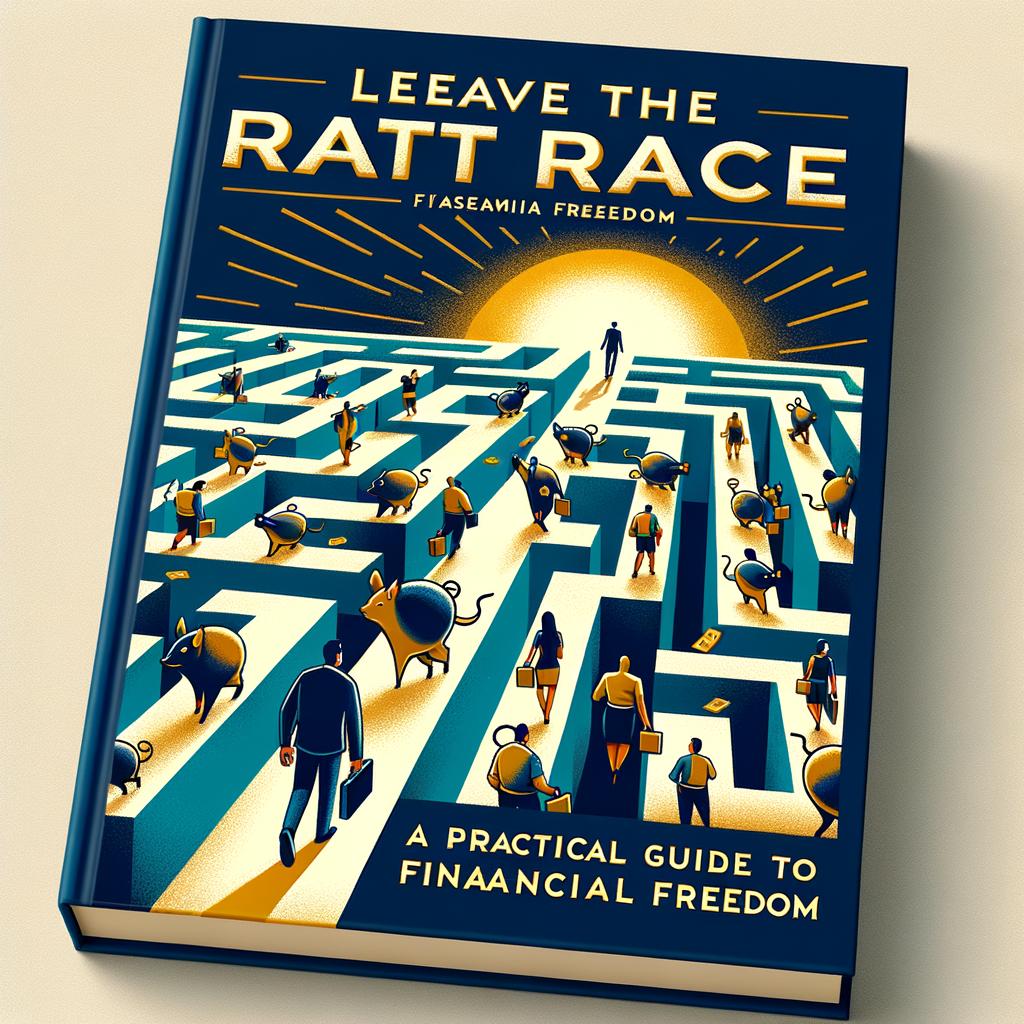
In a world dominated by deadlines, commutes, and endless to-do lists, the notion of financial freedom often feels like a distant dream, eclipsed by the demands of the daily grind. Yet, what if you could step off the relentless treadmill of the rat race and embrace a life where your choices are driven by passion rather than obligation? “Leave the Rat Race: A Practical Guide to Financial Freedom” offers a roadmap to liberate yourself from the constraints of traditional employment and explore the myriad possibilities that come with financial independence. This guide isn’t just about wealth accumulation; it’s about reshaping your mindset, redefining success, and empowering yourself to pursue a life of purpose and fulfillment. Whether you’re seeking early retirement, looking to start your own business, or simply yearning for more control over your financial destiny, this article will provide you with actionable insights and strategies to embark on your journey toward financial freedom. Join us as we navigate the essential steps to escape the rat race and start living life on your own terms.
Table of Contents
- Understanding the Rat Race and Its Implications for Your Life
- Identifying Your Financial Goals and Crafting a Sustainable Plan
- Strategies for Building Multiple Income Streams
- Investing Wisely: Tools and Techniques for Long-Term Wealth
- Q&A
- In Retrospect

Understanding the Rat Race and Its Implications for Your Life
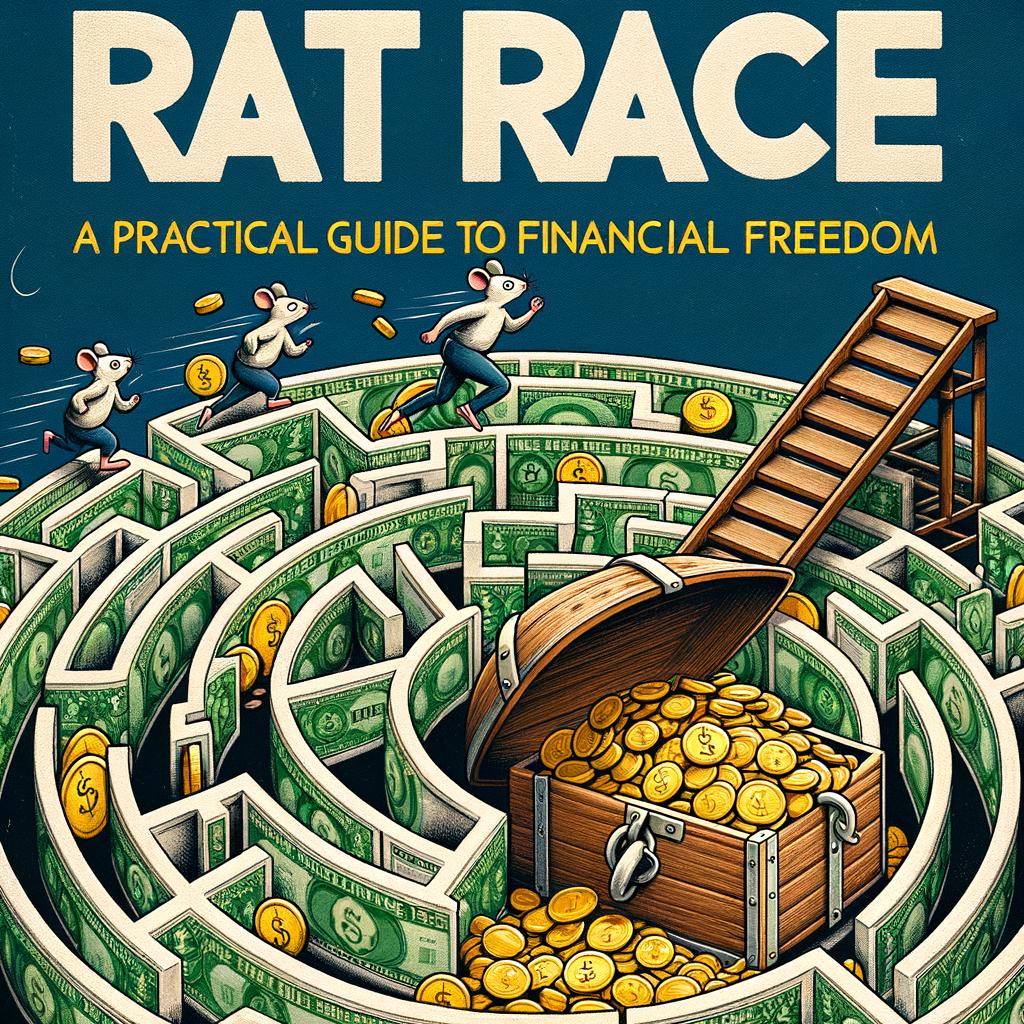
The concept of the rat race often refers to the relentless cycle of working a job for a paycheck, only to spend that money on bills and expenses, leaving little to no room for savings or investment. Many people find themselves trapped in this exhausting routine, driven by the need to maintain a certain lifestyle or to fulfill societal expectations. To truly grasp its implications, one must recognize that it can lead to stress, burnout, and a feeling of helplessness. The constant pursuit of material wealth often blinds individuals to the more profound aspects of life, such as personal fulfillment and happiness.
Breaking free from this cycle requires a shift in mindset and a commitment to change. Here are some approaches to escape the rat race:
- Financial Literacy: Understanding the basics of personal finance can empower you to make informed choices.
- Budgeting: Allocating your income wisely allows you to prioritize savings and investment over unnecessary spending.
- Passive Income Streams: Exploring avenues such as real estate, stocks, or online businesses can provide you with income that doesn’t require your constant attention.
- Mindset Shift: Emphasizing experiences and relationships over material possessions can lead to greater satisfaction in life.
By implementing these strategies, individuals can gradually step away from the confines of the rat race, allowing them to reclaim control over their financial future and live a more meaningful life. The pathway to financial freedom is not a sprint; it is a marathon that requires patience and dedication, but the rewards of escaping the mundane hustle are well worth the effort.

Identifying Your Financial Goals and Crafting a Sustainable Plan
Understanding your financial aspirations is the first step toward taking control of your future. Begin by setting clear and attainable goals that resonate with your personal values. Consider categorizing your objectives into short-term, medium-term, and long-term goals. This clarity will serve as a roadmap, guiding your financial decisions. Here are some common life goals to inspire your journey:
- Short-term: Building an emergency fund
- Medium-term: Saving for a home or investment
- Long-term: Achieving retirement independence
Once you have defined your goals, the next step is crafting a sustainable plan that accommodates these aims. A well-thought-out budget can be your best ally in this process. To simplify, break down your monthly income and expenditures, and allocate funds toward savings and investments. Consider utilizing tools such as the 50/30/20 rule as a guiding principle, ensuring that your finances remain balanced. Below is a simple example to illustrate how your budget might look:
| Allocation | Percentage | Amount (Monthly) |
|---|---|---|
| Needs | 50% | $1,500 |
| Wants | 30% | $900 |
| Savings | 20% | $600 |
Strategies for Building Multiple Income Streams
Diversifying your income streams is a powerful way to escape financial dependency and cultivate a sense of security. Start by exploring your hobbies and passions that could be monetized. Consider opportunities like freelance work, consulting, or starting an online course. Each of these avenues allows you to share your knowledge while generating extra income. In addition to online ventures, think about investing in real estate, stocks, or mutual funds. Each option requires research and a bit of capital, but they can provide passive income over time.
Another effective way to create multiple income streams is through residual income opportunities. This can include affiliate marketing, where you promote products and earn a commission on each sale made through your referral. Furthermore, you can delve into e-books or digital products, allowing you to sell once and earn multiple times without additional effort. To keep track of your efforts and income potential, using a simple table can help clarify your strategies and goals:
| Income Stream | Description | Estimated Earnings |
|---|---|---|
| Freelancing | Offering services based on your skills | Varies ($20 – $100+/hour) |
| Real Estate Investment | Buying rental properties or REITs | Passive income + appreciation |
| Affiliate Marketing | Promoting products and earning commissions | Depends on sales volume ($50 - $500+/month) |
| Online Courses | Creating and selling educational materials | Depends on enrollment ($100 - $5,000+/course) |
Investing Wisely: Tools and Techniques for Long-Term Wealth
Building long-term wealth requires a strategic approach, leveraging a variety of tools and techniques that cater to your financial goals. Investing in diversified assets is crucial; consider a mix of stocks, bonds, and real estate to balance risk and reward. Additionally, utilizing tax-advantaged accounts like IRAs and 401(k)s can significantly enhance your savings over time. A regular investment strategy, such as dollar-cost averaging, helps mitigate the impact of market volatility by investing fixed amounts regularly, making it easier to harness market gains over time.
Moreover, educating yourself continuously is an essential element in this journey. Take advantage of financial literacy resources, including books, online courses, and investment seminars, to expand your knowledge. Establishing a budgeting plan is equally vital, enabling you to manage expenses and allocate more funds toward investments. Below is a simple table outlining key investment vehicles and their general risk levels to help you make informed decisions:
| Investment Vehicle | Risk Level | Potential Returns |
|---|---|---|
| Stocks | High | 7-10% annually |
| Bonds | Moderate | 3-5% annually |
| Real Estate | Moderate | 4-12% annually |
| Mutual Funds | Varies | 5-8% annually |
Q&A
Q: What does ”Leave the Rat Race” mean, and why is it important?
A: ”Leave the Rat Race” refers to the desire to escape the traditional 9-to-5 work cycle that many people find unfulfilling. It’s important because breaking free from this cycle can lead to increased personal satisfaction, freedom to pursue passions, and ultimately, financial independence.
Q: Who is this guide intended for?
A: This guide is designed for anyone feeling trapped in their current job situation—whether you’re a recent graduate, a mid-career professional seeking change, or someone nearing retirement wanting to re-evaluate financial security. It offers practical advice for those ready to take control of their financial future.
Q: What are the first steps someone should take to leave the rat race?
A: The first steps include evaluating your current financial situation, setting clear goals for financial freedom, creating a budget, and identifying potential income streams outside of traditional employment. Awareness and planning are key to making informed decisions.
Q: Is financial freedom achievable for everyone?
A: While achieving financial freedom is attainable for many, it requires diligent planning, patience, and sometimes significant lifestyle changes. Each person’s journey will be unique, based on individual circumstances, resources, and commitment levels.
Q: What role does budgeting play in achieving financial freedom?
A: Budgeting is fundamental as it helps you track your income and expenses, identifies areas for savings, and keeps you accountable. A well-structured budget can reveal opportunities to allocate more toward investments or passive income initiatives, ultimately accelerating your path to financial freedom.
Q: Can you explain the concept of passive income and its importance?
A: Passive income refers to earnings derived from ventures in which a person is not actively involved, like rental income or dividends from investments. It’s crucial as it enables you to generate revenue without the constraints of time and can provide a steady stream of income, essential for leaving the rat race.
Q: How can someone identify potential income streams?
A: To identify potential income streams, assess your skills, interests, and resources. Research opportunities such as freelancing, investing, starting a side business, or leveraging online platforms. Also, consider passive options like real estate or stocks that can yield income with less ongoing effort.
Q: What mindset shifts are necessary to leave the rat race?
A: Key mindset shifts include embracing a growth mindset, being open to financial risk, and adopting a long-term perspective. Resisting the traditional notions of job security and being willing to learn from failures can also empower your journey toward independence.
Q: What common pitfalls should people avoid when pursuing financial freedom?
A: Common pitfalls include underestimating expenses, overlooking the importance of an emergency fund, and making impulsive investment decisions without thorough research. It’s vital to remain patient and strategic, rather than seeking quick fixes.
Q: How can someone maintain motivation throughout this journey?
A: To maintain motivation, set clear, achievable goals and track your progress. Surround yourself with supportive communities, continually educate yourself, and celebrate small wins along the way. Keeping your end vision in mind can help propel you forward during challenging times.
Q: What resources or tools do you recommend for someone ready to embark on this journey?
A: There are numerous resources available, including financial planning apps, budgeting tools, investment platforms, and books on personal finance. Podcasts and online courses focusing on financial literacy can also provide valuable insights to aid your journey toward financial freedom.
In Retrospect
As we draw the curtain on our exploration of financial freedom, it’s essential to remember that the journey to leave the rat race is as unique as each individual. While the path may be peppered with challenges, it is also rich with opportunities for growth and self-discovery. This guide has equipped you with tools, strategies, and insights to help you take the first bold steps towards financial independence.
Embracing your vision of freedom means more than just monetary gain; it encompasses a lifestyle that aligns with your values, aspirations, and passions. Remember that the goal is not merely to escape the grind but to create a life that resonates with purpose and fulfillment.
As you embark on this transformative journey, carry with you the courage to embrace change, the wisdom to make informed decisions, and the persistence to overcome obstacles. The road may twist and turn, but with each step, you’re closer to crafting a life defined by choice rather than obligation.
So, gather your resources, define your goals, and take that leap of faith. The world of financial independence awaits, and it’s time for you to seize the opportunity to design a future that truly reflects who you are. Leave the rat race behind, and step into the life of your dreams. The first move is yours—make it count!