
In a world where the daily grind often feels like an unending marathon, the notion of “quitting the rat race” has never resonated more powerfully. For many, the traditional 9-to-5 routine brings with it a sense of monotony, leaving dreams of freedom and fulfillment buried beneath a pile of responsibilities. Yet, stories of those who have bravely stepped off the treadmill of conventional living abound, showcasing a path less traveled—a journey toward independence, passion, and personal success.
This article dives into the inspiring narratives of individuals who have exchanged their cubicles for creativity, the relentless hustle for genuine happiness. Their experiences serve as both a testament to the limitless potential that lies beyond societal norms and a practical guide for anyone contemplating a similar leap into the unknown. Whether it’s launching a startup, pursuing art, or simply redefining what work means, these success stories reveal that there is no one-size-fits-all approach.
Join us as we explore the motivations, challenges, and triumphs of those who decided to quit the rat race—and discover actionable steps you can take to embark on your own journey toward liberation and success. The road may be winding, but the destination is well worth it.
Table of Contents
- Success Stories of Escape: Real-Life Journeys from Corporate Life to Freedom
- Blueprint for Change: Practical Steps to Transition Away from the 9 to 5
- Cultivating a New Mindset: Embracing the Freedom Lifestyle
- Building Sustainable Income: Strategies for Financial Independence Beyond Employment
- Q&A
- Closing Remarks
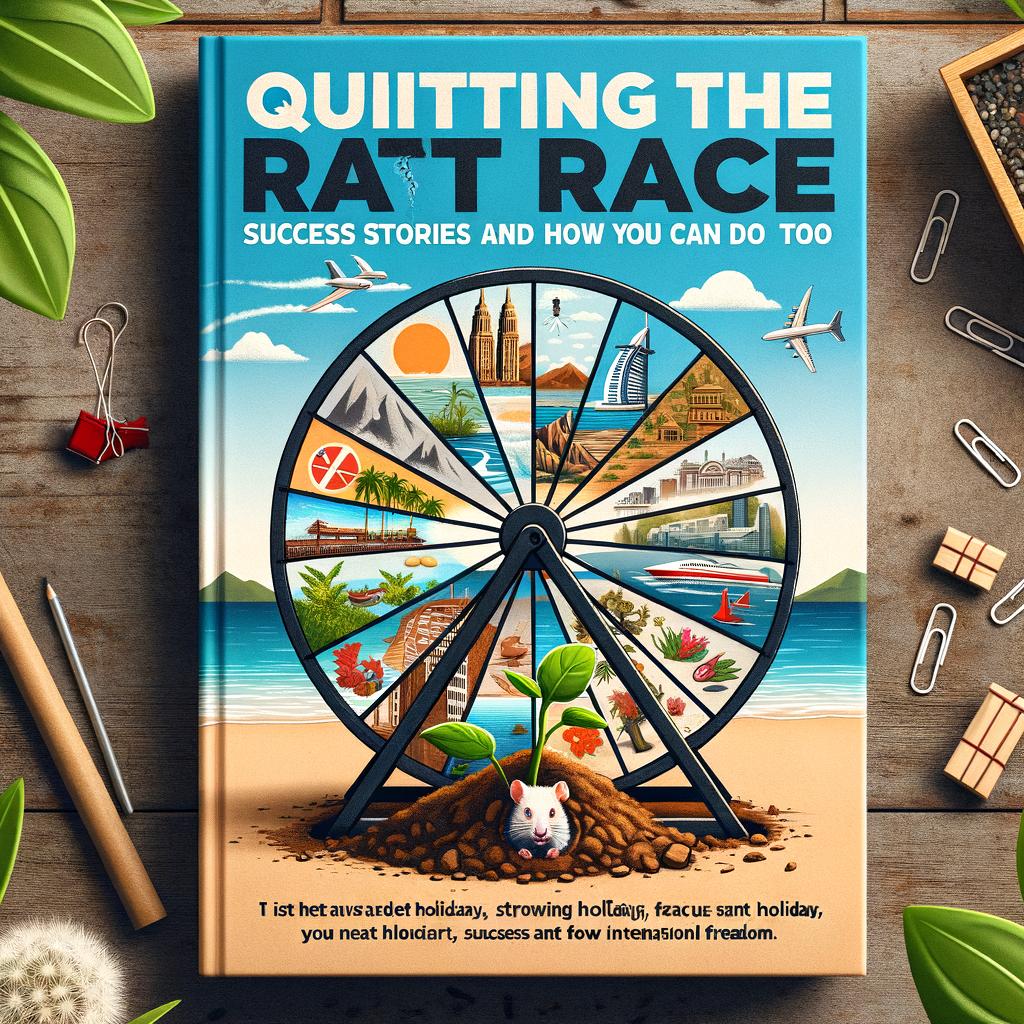
Success Stories of Escape: Real-Life Journeys from Corporate Life to Freedom
“`html
Many individuals have chosen to break free from the constraints of corporate life, embarking on transformative journeys that highlight resilience and courage. One inspiring example is Sarah, a former marketing executive who ventured into the world of sustainable fashion. Frustrated by the fast-paced corporate culture, she decided to resign and pursue her passion for designing eco-friendly clothing. Today, Sarah not only runs a successful business but also advocates for environmental conservation, showcasing that leaving a conventional job can lead to fulfilling new paths.
Another remarkable story is of John, a software developer who turned his side hustle into a thriving online education platform. While balancing his 9-to-5 job, John dedicated his nights and weekends to creating courses that helped others learn coding skills. With determination and strategic planning, he eventually transitioned to full-time entrepreneurship. His journey illustrates that with the right mindset and commitment, it is possible to turn a passion into a sustainable career. Here are a few key takeaways from their experiences:
- Follow Your Passion: Identify what truly excites you and explore how to monetize it.
- Plan Financially: Ensure you have a financial cushion before making the leap.
- Network and Collaborate: Surround yourself with like-minded individuals who inspire and support your journey.
“`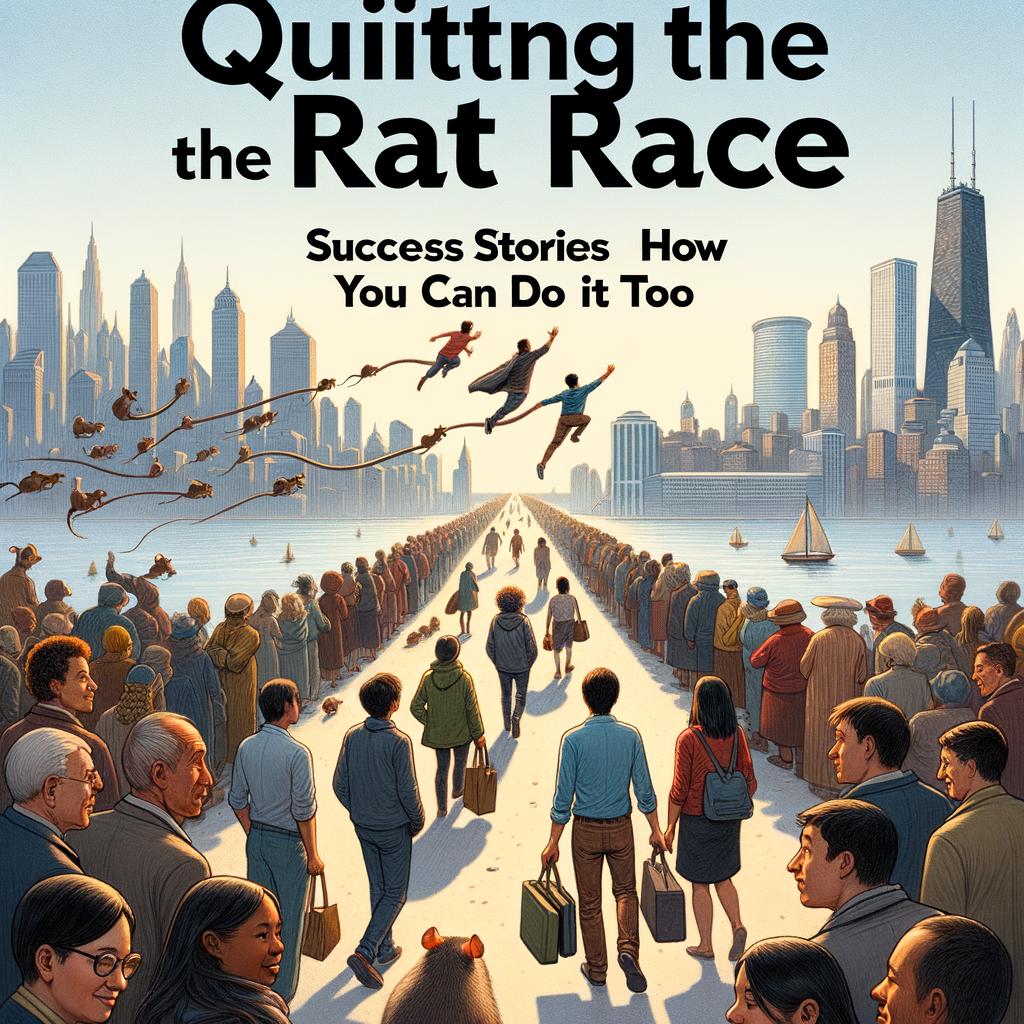
Blueprint for Change: Practical Steps to Transition Away from the 9 to 5
Transitioning from the 9 to 5 grind requires a thoughtful approach and a willingness to embrace change. Start by identifying your skills and passions—these will form the foundation for your new path. Consider options such as freelance work, entrepreneurship, or remote job opportunities. Establish a clear vision of your ideal work-life balance and set realistic, short-term goals to help you pivot away from traditional employment. Here are some actionable steps to guide you:
- Assess your financial situation: Create a budget that accommodates possible income fluctuations.
- Build a solid network: Engage with like-minded individuals who have embarked on similar journeys.
- Develop a diverse portfolio: Showcase your skills to attract potential clients or employers.
Once you’ve laid the groundwork, it’s time to implement your plan. Focus on time management and cultivate a flexible routine that suits your new lifestyle. Utilize productivity tools to help keep you organized and motivated. Here’s a simple framework to track your progress:
| Goal | Action Step | Deadline |
|---|---|---|
| Secure a Freelance Client | Reach out on LinkedIn | End of Month |
| Start an Online Course | Research platforms and enroll | Next Two Weeks |
| Create a Business Plan | Outline goals and strategies | Next Month |

Cultivating a New Mindset: Embracing the Freedom Lifestyle
To truly break free from the monotony of conventional work, one must adopt a mindset that prioritizes freedom and possibility. This shift begins with understanding that success isn’t confined to a cubicle; rather, it flourishes through experiences and self-discovery. Embracing a freedom lifestyle requires us to challenge societal norms and redefine what security means. It encourages exploration of interests that ignite passion, and embarking on the journey to build a life by design rather than default.
Consider these essential steps to cultivate a mindset that embraces the freedom lifestyle:
- Reflect on Your Values: Identify what truly matters to you beyond financial gain.
- Set Intentional Goals: Create objectives that resonate with your vision of freedom, not societal expectations.
- Embrace Lifelong Learning: Stay curious and open to new knowledge and experiences that enhance your skill set.
- Network with Like-Minded Individuals: Surround yourself with those who inspire and support your journey.
| Mindset Shift | Action Steps |
|---|---|
| Fear of Failure | Embrace risk; see failures as growth opportunities. |
| Limited Thinking | Explore diverse paths; remain adaptable and open-minded. |
| Comfort Zone | Pursue challenges; engage in experiences outside your routine. |
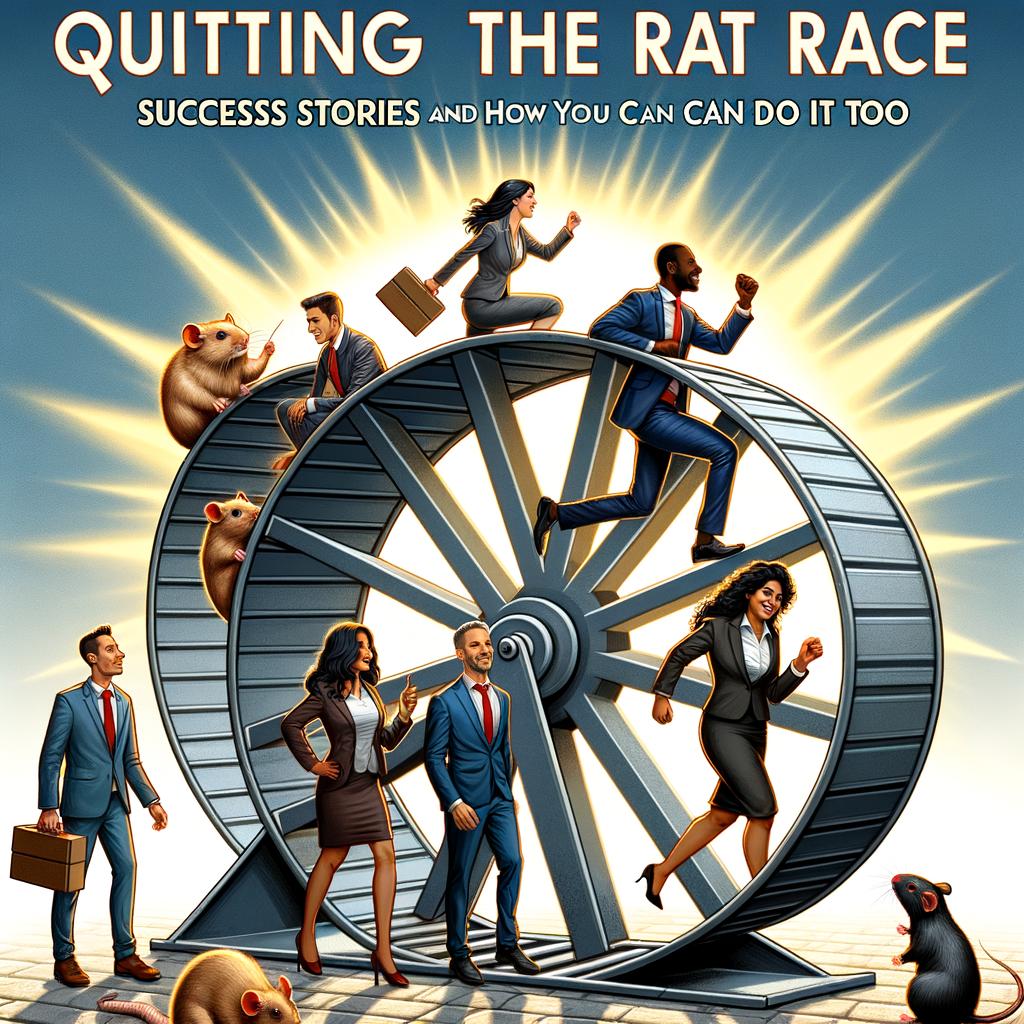
Building Sustainable Income: Strategies for Financial Independence Beyond Employment
Achieving financial independence requires a multifaceted approach, particularly in developing sustainable income streams that rely less on traditional employment. One effective strategy is to invest in real estate, which not only provides rental income but also appreciates over time, contributing to your net worth. Additionally, consider starting a side business that aligns with your passions or skills. By leveraging the gig economy, freelance opportunities, or e-commerce platforms, you can create a flexible income source that gradually becomes a primary revenue stream.
Another significant path to financial autonomy is through diversified investments. This includes stocks, bonds, and mutual funds, but also newer avenues like peer-to-peer lending and cryptocurrency. Each investment type carries its own risk-reward profile, allowing you to tailor your portfolio to your comfort level. A sample portfolio might include:
| Investment Type | Percentage of Portfolio |
|---|---|
| Stocks | 40% |
| Bonds | 20% |
| Real Estate | 25% |
| Crypto | 10% |
| Peer-to-Peer Lending | 5% |
By implementing these strategies, you not only work towards sustainable income but also build a robust financial future that lifts you out of the conventional cycle of work and dependence on a single income source.
Q&A
Q&A: Quitting the Rat Race – Success Stories and How You Can Do It Too
Q1: What does “quitting the rat race” actually mean?
A1: Quitting the rat race refers to the decision to leave behind a monotonous, often stressful job that prioritizes financial gain over personal fulfillment. It’s about stepping off the treadmill of conventional work life and pursuing a path that aligns more closely with one’s passions and values.
Q2: Are there common themes among those who have successfully quit the rat race?
A2: Yes, many success stories share common threads such as a willingness to take risks, a strong sense of purpose, and a commitment to personal growth. Many individuals also emphasize the importance of planning and a solid financial cushion before making the leap.
Q3: Can you share some inspiring success stories of people who have quit the rat race?
A3: Absolutely! One notable story is that of Jane, a corporate marketing executive who left her high-pressure job to start a vegan bakery. With passion fueling her efforts and a detailed business plan in place, she turned her hobby into a thriving enterprise. Another example is Tom, who abandoned his job as a software engineer to travel the world while blogging about his adventures. He now earns a living from sponsorships and online courses about travel writing.
Q4: What practical steps can someone take if they want to quit their job?
A4: To transition out of the rat race successfully, start with these steps:
- Self-Assessment: Reflect on your passions and what truly fulfills you.
- Financial Planning: Ensure you have savings that can support you while you transition.
- Skill Development: Learn new skills that align with your desired career path.
- Network: Build relationships with others who have made similar changes for support and insight.
- Test the Waters: Consider starting a side hustle or part-time venture to gauge interest and viability.
Q5: What are the biggest challenges people face when quitting the rat race?
A5: Common challenges include financial instability, fear of failure, and societal pressure to conform to traditional career paths. The transition can also bring uncertainty, and without a robust support system, it can feel isolating. However, those who persist often find that overcoming these obstacles leads to greater personal satisfaction.
Q6: Is quitting the rat race right for everyone?
A6: Not necessarily. Each person’s circumstances are unique, and while the allure of independence and passion is tempting, it requires careful consideration. Some may find fulfillment and success within traditional career paths. It ultimately depends on individual goals, motivations, and risk tolerance.
Q7: How can someone maintain their motivation during the transition?
A7: To stay motivated, it’s crucial to set clear, achievable goals and track your progress. Surround yourself with supportive peers or mentors who share similar aspirations. Celebrating small wins can also help maintain enthusiasm, as can practicing self-compassion during tougher times.
Q8: what words of wisdom do you have for someone contemplating this journey?
A8: Remember, the journey to quitting the rat race is not a race; it’s a personal evolution. Take your time to explore your passions and craft a plan that feels right for you. Embrace the uncertainty, learn from setbacks, and be open to the possibilities that lie ahead. The world is vast, and so are your options!
Closing Remarks
As we close the chapter on the inspiring narratives of those who dared to break free from the confines of the rat race, it becomes clear that the path to personal fulfillment and success is as diverse as the individuals who embark on it. Each story shared here serves as a beacon of possibility, illuminating the myriad ways one can redefine success on their own terms.
Remember, quitting the rat race isn’t merely about leaving a job; it’s about fostering a mindset that values passion, purpose, and resilience. The journey requires introspection, planning, and a willingness to embrace uncertainty, but every step—no matter how small—brings you closer to a life that resonates with your personal values and desires.
Take inspiration from these stories, gather your courage, and imagine the life you’ve always wanted. Whether you’re contemplating a leap into entrepreneurship, prioritizing family over corporate ladders, or finding balance in an increasingly fast-paced world, know that it is possible. Your unique journey awaits, and with determination and creativity, you too can forge your own path away from the rat race.
So, take a deep breath, ignite that spark within, and start envisioning your new reality. The first step might just lead to the most fulfilling journey of your life.