
As the world embraces remote work, the concept of digital nomad locations has evolved into a lifestyle of freedom and opportunity. In 2025, the search for cities that balance work and life has never been more empowering. Whether you’re a seasoned remote worker or just starting your journey, understanding where to settle can make all the difference.
According to recent studies, over 35 million people worldwide now identify as digital nomads, with the U.S. alone accounting for 18.1 million—a 4.7% increase from the previous year. This growing trend has led cities to adapt, offering digital nomad visas and creating vibrant expat communities. Reliable internet, affordable living, and access to coworking spaces are no longer just perks but necessities for this lifestyle.
Cities like Lisbon, Valencia, and Chiang Mai are emerging as top destinations, blending history with modern amenities. These locations offer a unique mix of cultural richness, low cost of living, and high quality of life. As we explore these cities, we’ll uncover what makes them stand out and how they cater to the evolving needs of remote workers.
Key Takeaways
- Cities are now offering specific visas for remote workers to attract talent.
- Affordable living costs and high-quality internet are key factors for digital nomads.
- Building a community is crucial for sustaining this lifestyle.
- European cities dominate the rankings due to their balanced offerings.
- Cultural experiences and work-life balance are as important as professional opportunities.
Introduction to the Digital Nomad Lifestyle
Remote work has redefined how we live and work, giving rise to a new generation of professionals who embrace freedom and flexibility. This lifestyle, known as digital nomadism, is more than just working from a laptop—it’s about blending work with adventure and personal growth.
What Defines a Digital Nomad?
A digital nomad is someone who uses technology to work remotely from anywhere in the world. This lifestyle is built on entrepreneurship, self-reliance, and a desire for new experiences. Whether you’re a freelancer, entrepreneur, or remote worker, the digital nomad lifestyle offers the freedom to live and work on your terms.
The Rise of Remote Work in 2025
Since the pandemic, remote work has surged, reshaping professional living. Over 35 million people worldwide now identify as digital nomads, with the U.S. alone seeing a significant increase from 7.3 million to 18.1 million. This growth has led cities to adapt, offering digital nomad visas and creating vibrant expat communities. Reliable internet and coworking spaces are now essential for this lifestyle.
| Factor | Importance | Key Considerations |
|---|---|---|
| Reliable Internet | High | Fast speeds, stable connections |
| Affordable Living | High | Housing, food, transportation costs |
| Coworking Spaces | Medium | Community, networking opportunities |
As the digital nomad community grows, so does the demand for cities that offer the perfect mix of work and life. Whether you’re in a bustling city or a serene escape, the key is finding a place that aligns with your professional and personal goals. Exploring destinations within the U.S. and can be a great starting point for many.
Criteria for Choosing the Ideal Digital Nomad City
Selecting the perfect city as a digital nomad involves a mix of practicality and personal preference. Key factors include affordability, safety, and ease of access to essential services.
Cost of Living and Safety
Affordability is a top priority for many. Cities like those in Italy offer a balance of low costs and security. Safety ratings vary globally, so researching areas thoroughly is crucial.
Visa Options and Internet Speed
Visa processes should be straightforward. Look for countries offering digital nomad visas with clear terms. Reliable internet is non-negotiable; fast speeds ensure productivity.
Infrastructure and community support also play significant roles. Access to coworking spaces and expat networks can greatly enhance your experience. Consider destinations that offer a blend of modern amenities and vibrant communities for a fulfilling lifestyle.
For more insights on top destinations, visit this guide to explore the best cities for remote workers.
Digital Nomad Locations for a Perfect Work-Life Balance
Finding the perfect balance between productivity and personal fulfillment is a key aspect of the digital nomad lifestyle. Whether you thrive in bustling cities or prefer serene escapes, there are destinations that cater to every preference, offering a mix of vibrant culture and tranquil retreats.
Vibrant Urban Centers
Cities like Genoa, Bari, and Valencia stand out as hubs for digital nomads. These urban centers offer a dynamic environment with excellent networking opportunities, modern coworking spaces, and a lively cultural scene. Genoa, for instance, combines historic charm with a growing expat community, while Valencia boasts a thriving startup ecosystem. These cities provide the perfect setting for professionals who enjoy the energy of urban life while maintaining a productive routine.
Serene Escapes
For those seeking tranquility, destinations like the beaches of Costa del Sol or the islands of Greece offer a peaceful retreat. These locations provide a relaxed pace of life, stunning natural beauty, and a chance to recharge. Many of these spots also feature affordable living costs and a growing expat community, making them ideal for remote workers looking to balance their work with a serene lifestyle.
Ultimately, whether you prefer the buzz of a city or the calm of a beach, there are countless options available. Each destination offers unique advantages, from cultural experiences to affordable living, ensuring that you can find the perfect spot to thrive as a digital nomad. For more insights on managing solitude while traveling, visit this guide to explore community-building strategies.
Exploring Visa Options and Remote Work Regulations
As remote work becomes more prevalent, understanding visa options is crucial for professionals seeking global opportunities. Countries worldwide are introducing digital nomad visas to attract talent, offering a legal pathway for remote workers to live and work abroad.
Understanding Digital Nomad Visas
These visas are designed for remote professionals, providing extended stays and legal work permits. Unlike tourist visas, they often require proof of income or employment. For instance, Italy’s digital nomad visa demands an annual income of $30,000, while Spain requires €2,646 monthly. These visas offer benefits like longer stays and access to local amenities.
Long-Term Residency Considerations
For those planning extended stays, many countries offer residency options. Spain’s visa, for example, can be extended up to four times, while Greece’s can lead to a five-year residency. New Zealand’s relaxed rules also cater to long-term remote workers, providing flexibility and stability.
Exploring visa options is key to a smooth transition. Each country has unique requirements, so researching thoroughly is essential. For more insights on top European destinations, visit this guide to explore the best cities for remote workers.
Cost Living and Infrastructure: Speed, Internet, and Coworking Spaces
For remote workers, the balance between cost and quality is crucial. Cities like Genoa, Bari, and Valencia offer a mix of affordability and modern amenities, making them top choices for digital nomads.
Reliable Internet and Connectivity
Fast and stable internet is non-negotiable for remote work. Genoa boasts internet speeds of 50-100 Mbps, while Bari offers 60-90 Mbps, and Valencia provides 70-120 Mbps. These speeds ensure seamless video calls and efficient workflow.
Affordable Accommodations and Amenities
The cost of living in these cities is attractive. Genoa’s average monthly expenses are around $800, Bari $700, and Valencia $900. These figures include utilities and high-speed internet, making them ideal for budget-conscious professionals.
- Internet speeds in Genoa: 50-100 Mbps
- Monthly accommodation in Bari: $700
- Valencia’s amenities rating: 4.5/5
| City | Internet Speed | Monthly Accommodation Cost | Amenities Rating |
|---|---|---|---|
| Genoa | 50-100 Mbps | $800 | 4.3/5 |
| Bari | 60-90 Mbps | $700 | 4.2/5 |
| Valencia | 70-120 Mbps | $900 | 4.5/5 |
For more insights on these cities, visit this guide to explore further.
Cultural Attractions and Quality of Life in Nomad Cities
Cultural attractions play a vital role in shaping the lifestyle of remote workers, blending history with modern convenience. Cities like Rome and Palermo exemplify this blend, offering a rich tapestry of historical sites alongside contemporary amenities.
Local Heritage and Modern Lifestyle
Rome captivates with its ancient ruins and vibrant arts scene, while Palermo charm with its baroque architecture and lively markets. These cities provide a unique setting where professionals can immerse themselves in history while maintaining a productive routine. The balance between heritage and modernity creates an inspiring environment for those seeking both cultural enrichment and professional growth.
Community and Networking Opportunities
Thriving expat communities in these cities foster connections and collaboration. Networking events and coworking spaces enhance work-life balance, allowing individuals to build relationships and exchange ideas. These communities become a cornerstone of support, empowering individuals to thrive both personally and professionally.
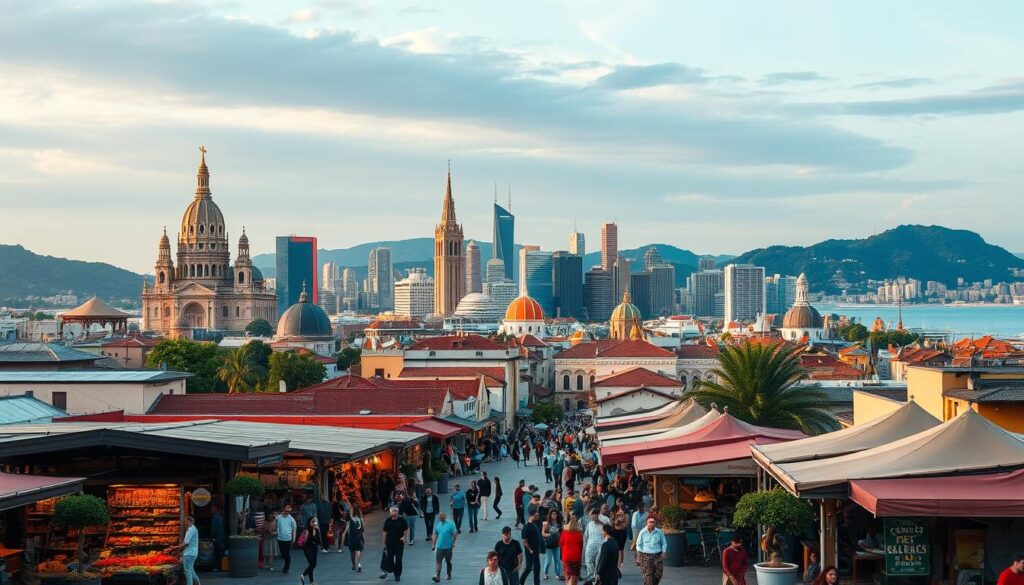
Success Stories from Top Digital Nomad Cities
From vibrant metropolises to serene retreats, digital nomad cities are not just destinations—they’re catalysts for transformation. These locations offer more than just a change of scenery; they provide communities, opportunities, and a lifestyle that blends work with adventure.
Real-Life Experiences and Community Insights
In cities like Rome, Sevilla, and Genoa, digital nomads have found not just a place to live but a way to thrive. Take Sarah, a freelance writer who moved to Rome and found a supportive expat community. “Rome’s blend of history and modern amenities made it easy to balance work and personal growth,” she shares. Similarly, in Sevilla, Alex, a software developer, highlights the city’s dynamic coworking spaces and networking opportunities as key to his success.
These cities don’t just offer affordable living and reliable internet; they foster a sense of belonging. Local support systems and strong expat communities play a crucial role in helping digital nomads succeed. For instance, Genoa’s expat community organizes regular meetups and workshops, creating a nurturing environment for remote workers to connect and grow.
Choosing the right destination can have a real-world impact on work-life balance. As one digital nomad in Sevilla noted, “The city’s relaxed pace and vibrant culture allowed me to recharge while staying productive.” Such stories illustrate how these cities empower individuals to embrace a lifestyle of freedom and opportunity.
For more insights on thriving as a digital nomad, explore this guide to discover how these cities can be your next home.
Strategies for Transitioning to Remote Work Abroad
Transitioning to remote work abroad is an exciting yet complex journey that requires careful planning and preparation. Whether you’re moving to a new country or exploring remote work opportunities, having a clear strategy is essential for success. In this section, we’ll explore practical tips and actionable strategies to help you make a smooth transition to remote work abroad.
Preparing for an International Move
Before making the move, it’s crucial to research and plan thoroughly. Start by understanding the visa requirements for your destination country. Many countries now offer digital nomad visas or remote work visas, which can simplify the process of living and working abroad. For example, countries like Estonia and Portugal have introduced digital nomad visas with relatively straightforward application processes.
Next, consider the logistics of your move. This includes finding affordable accommodations, setting up reliable internet, and understanding the local cost of living. Researching neighborhoods, transportation options, and access to amenities like coworking spaces can help you make an informed decision. Tools like Nomad Capitalist and Nomadic Matt provide valuable insights and resources for planning your move.
Building a Supportive Expat Community
One of the most important aspects of transitioning to remote work abroad is building a supportive community. Connecting with other expats and digital nomads can provide valuable networking opportunities, emotional support, and practical advice. Joining online communities, attending local meetups, and participating in coworking spaces are great ways to build relationships and integrate into your new environment.
In addition to building a social network, it’s essential to establish a routine that balances work and personal life. This includes setting up a dedicated workspace, maintaining regular working hours, and making time for hobbies and exploration. By creating a structured yet flexible routine, you can maintain productivity while enjoying the freedom of remote work.
- Research visa options and application processes for your destination country.
- Plan for reliable internet and coworking spaces to support your remote work needs.
- Connect with expat communities and networking groups to build relationships.
- Establish a routine that balances work, personal time, and exploration.
By following these strategies, you can successfully transition to remote work abroad and enjoy the freedom and opportunities that come with this lifestyle. Remember, preparation and community support are key to thriving as a remote worker in a new country.
Future Trends Impacting Digital Nomadism
As we look ahead, the digital nomad landscape is poised for exciting transformations driven by technological advancements and shifting policies. Industry leaders like Charlie Ashworth predict that the next few years will bring significant changes, reshaping how remote workers live and work globally.
Emerging Destinations and Innovations
New destinations are emerging as hotspots for digital nomads. Countries like New Zealand and Costa Rica are leading with innovative policies, such as extended remote work options and tax incentives. These nations are creating ecosystems that blend work with sustainable living, attracting a growing number of remote professionals.
Innovations in remote work technology are also on the rise. Tools like AI-driven project management platforms and advanced connectivity solutions are enhancing productivity. According to Charlie Ashworth, “The future of remote work lies in seamless integration of technology and lifestyle, enabling nomads to work efficiently from anywhere.”

Adapting to New Remote Work Technologies
As technology evolves, so does the way digital nomads operate. Virtual reality (VR) is becoming a game-changer for remote meetings and collaborations. This shift is not just about tools; it’s about creating a more connected and efficient work environment.
Visa regulations are also becoming more flexible. Many countries are introducing nomad visas with easier terms, making it simpler for remote workers to settle. This trend is expected to grow, with more nations offering incentives to attract talent and boost their economies.
“The integration of AI and VR into remote work will revolutionize how digital nomads collaborate and innovate.”
These trends underscore a future where remote work is more integrated and accessible. As we embrace these changes, the digital nomad community will continue to thrive, shaping a world where work and adventure coexist seamlessly.
Conclusion
As we step into 2025, the future of remote work is brighter than ever, with digital nomads leading the charge in redefining how we live and work. Over 35 million people worldwide now embrace this lifestyle, with the U.S. seeing a significant increase to 18.1 million—a 4.7% rise from the previous year. This growth has led cities to adapt, offering digital nomad visas and creating vibrant expat communities. Reliable internet, affordable living, and access to coworking spaces are no longer just perks but necessities for this lifestyle.
Cities like Lisbon, Valencia, and Chiang Mai are emerging as top destinations, blending history with modern amenities. These locations offer a unique mix of cultural richness, low cost of living, and high quality of life. As we explore these cities, we’ll uncover what makes them stand out and how they cater to the evolving needs of remote workers.
The key factors for choosing the ideal city remain affordability, safety, and ease of access to essential services. Visa options and internet speed are critical, ensuring a smooth transition to remote work abroad. Building a supportive community is equally important, fostering connections and collaboration that enhance the overall experience.
In conclusion, the digital nomad lifestyle is about more than just working remotely—it’s about freedom, personal growth, and community. As you consider your next destination, remember to research thoroughly, engage with expat communities, and plan meticulously. The future of remote work is in your hands, and with the right choices, you can thrive in this ever-evolving landscape. For more insights on creating a secure and inclusive experience, visit this guide to explore the best cities for a welcoming environment.