
As the world embraces remote work, the digital nomad lifestyle is thriving. By 2025, certain cities will emerge as hotspots, offering a mix of culture, affordability, and strong Wi-Fi. These destinations are redefining work-life balance, attracting professionals seeking freedom and adventure.
From Tbilisi to Lake Atitlan, these locations blend heritage with modern amenities. Coworking spaces and thriving communities make them ideal for remote workers. Whether you’re in a bustling city or a serene town, these spots cater to diverse lifestyles.
Key factors like cost of living and visa options are crucial. Cities such as Medellín and Chiang Mai offer affordable living and rich cultural experiences. As remote work evolves, these destinations will be at the forefront of the digital nomad movement.
Ready to explore these emerging hotspots? Consult with lifestyle coach John Spencer to plan your journey effectively. Embrace the freedom and transformative potential of working from anywhere in the world.
Key Takeaways
- 7 key locations for digital nomads in 2025 offer unique benefits.
- Blend of affordability, culture, and modern amenities attracts remote workers.
- Strong Wi-Fi and coworking spaces are essential for productivity.
- Visa flexibility and cost of living are crucial factors.
- Consult experts like John Spencer Ellis for a successful transition.
Introduction: The Rise of a Digital Nomad Lifestyle
Over the past decade, the concept of work has undergone a significant transformation. The rise of remote work has empowered individuals to redefine their lifestyles, blending professional responsibilities with personal aspirations. This shift has given birth to a new era of location-independent workers who embrace freedom and flexibility.
Understanding the Nomad Phenomenon
The digital nomad movement traces its roots to the early 2000s, when advancements in technology made it possible to work from anywhere. Today, millions of professionals worldwide have adopted this lifestyle, seeking to experience different cultures while maintaining their careers. By 2025, this trend is expected to grow further, with countries offering specialized visas to attract remote workers.
The Evolution of Remote Work Culture
Remote work has become a cornerstone of modern employment, with many companies adopting flexible policies. This shift has led to the development of new job opportunities and a reevaluation of traditional work structures. As a result, the concept of work is no longer tied to a specific location, offering unparalleled freedom to professionals worldwide.
As the world continues to embrace this new way of working, the digital nomad lifestyle is becoming increasingly mainstream. With the right tools and mindset, professionals can now explore the world while maintaining their careers, creating a truly global workforce.
Digital Nomad Locations: Breaking Down the Criteria
As remote work continues to reshape how we live and work, choosing the right destination is crucial for digital nomads. The ideal location balances visa accessibility, cost of living, and reliable internet connectivity, creating a seamless blend of productivity and lifestyle.
Visa Options and Immigration Policies
Visa policies are a cornerstone for digital nomads. Many countries now offer specific visas to attract remote workers, with durations ranging from six months to a year. These visas streamline the immigration process, allowing professionals to focus on their work without legal hassles. For instance, Tbilisi offers visa-free entry for over 90 countries, making it an attractive option for those seeking hassle-free residency.
Cost of Living and Connectivity Considerations
Affordability is key when selecting a destination. Cities like Lisbon and Ho Chi Minh City offer low-cost living without compromising on quality. Reliable internet access is non-negotiable, with many nomads prioritizing destinations with high-speed connectivity. Coastal areas and islands provide a unique blend of work and leisure, allowing professionals to maintain productivity while enjoying scenic beauty.
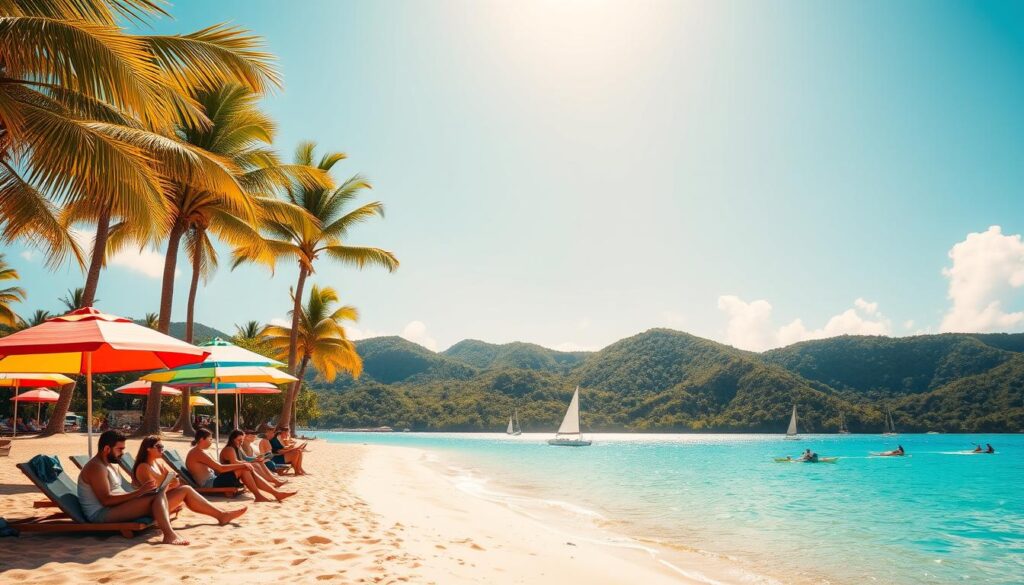
Living as a digital nomad offers a unique perspective on work-life balance. Combining professional commitments with personal growth, it’s about more than just location—it’s a lifestyle. John Spencer Ellis shares insights on thriving in this environment, emphasizing the importance of community and adaptability.
Trending Destinations in 2025 for Remote Work
Remote work has opened doors to a world of possibilities, and by 2025, certain regions will stand out as top choices for those seeking a blend of culture and modernity. The rise of digital nomad visas and reliable internet infrastructure has reshaped how professionals choose their destinations.
Emerging Markets and Cultural Richness
Emerging markets are gaining traction due to their cultural richness and affordability. Cities like Genoa and Valencia offer a mix of historical charm and modern amenities, attracting remote workers who value both productivity and cultural immersion. These regions provide a unique experience, allowing professionals to engage with local traditions while maintaining their work commitments.
Access to Reliable Internet and Infrastructure
Fast internet speeds are crucial for remote workers, and cities such as Bari and Las Palmas are leading the way. With average speeds exceeding expectations, these destinations ensure uninterrupted productivity. Digital nomad visas have become a key factor, simplifying the process for remote workers to settle in and focus on their careers.
As remote work continues to evolve, the focus on balancing cultural experience with technical needs will define the future of digital nomadism. By 2025, these emerging hubs will set new standards for remote work lifestyles.
Location Spotlight: Must-See Hotspots
As we explore the future of remote work, three destinations stand out as must-see hotspots for 2025. Each offers a unique blend of culture, affordability, and modern amenities, catering to the evolving needs of remote professionals.
Tbilisi, Georgia – A Blend of Heritage and Modernity
Tbilisi captivates with its rich history and vibrant culture. The city offers visa-free entry for over 90 countries, making it an attractive option for remote workers. Its affordable cost of living and growing coworking spaces create an ideal environment for productivity. Tbilisi’s charm lies in its historic architecture and lively arts scene, providing a unique cultural experience.
Lake Atitlan, Guatemala – Nature Meets Remote Work
Lake Atitlan is a serene destination where nature and work blend seamlessly. Known for its low cost of living and reliable internet, it’s a haven for those seeking tranquility. The community here is tight-knit, offering a supportive environment for remote workers to thrive.
Hpa An, Myanmar – Off the Beaten Path for Nomads
Hpa An offers rugged landscapes and a peaceful atmosphere, appealing to adventurers. With low-cost living and improving connectivity, it’s an under-the-radar gem. The local culture and affordable lifestyle make it a great choice for those looking for something different.
| Destination | Visa Options | Cost of Living | Connectivity |
|---|---|---|---|
| Tbilisi | Visa-free for 90+ countries | Affordable | Reliable |
| Lake Atitlan | Visa extensions available | Low | Good |
| Hpa An | Visa on arrival | Very low | Improving |
Each destination offers a unique experience, whether you prefer cultural immersion, natural beauty, or an adventurous lifestyle. For more insights on these and other hotspots, visit John Spencer Ellis for expert guidance.
Comparing Lifestyle, Cost, and Connectivity Factors
When evaluating destinations for remote work, it’s essential to balance lifestyle preferences with practical considerations like cost and connectivity. This section delves into how various cities stack up in these critical areas, helping you make an informed decision.
Affordable Living with Thriving Workspaces
Cities like Chiang Mai and Medellín stand out for their low cost of living and vibrant coworking spaces. Chiang Mai offers affordable housing and dining options, with street food meals starting at $2. The city’s numerous coworking spaces, such as those on Nimmanhaemin Road, provide excellent networking opportunities. Medellín, known for its “eternal spring” weather, features a growing expat community and modern workspaces.
These destinations exemplify how affordability can coexist with a thriving professional environment, making them hotspots for remote workers seeking both productivity and lifestyle benefits.
Quality of Life and Safety for Remote Professionals
Quality of life and safety are paramount. Lisbon and Tallinn are often cited for their high safety ratings and robust infrastructure. Lisbon boasts reliable internet speeds and a well-connected public transport system, while Tallinn leads in digital infrastructure with fast internet speeds.
These cities also offer rich cultural experiences and a strong sense of community. Whether it’s exploring historic sites or engaging in local food scenes, they provide a well-rounded experience that enhances daily life.
Expert Insights and Future Trends in Digital Nomadism
Expert insights reveal a promising future for remote work, with digital nomadism leading the charge. As we look ahead, the landscape is shaped by evolving policies and technological advancements.
Data-Driven Analysis from Recent Reports
Recent reports highlight a significant growth rate in the digital nomad community. The number of American digital nomads has surged to 18.1 million, marking a 147% increase since 2019. This growth is accompanied by a satisfaction rate of 79% with their work and quality of life. The average income ranges from $50,000 to $123,000 annually, with an hourly rate between $10 to $30, making it an attractive lifestyle for many.
Impact of Nomad Visas and Tax Systems
The introduction of nomad visas and flexible tax systems is reshaping the future. Countries like Thailand and Mexico are emerging as top destinations, attracting remote workers with eased visa processes. Families are also embracing this lifestyle, with 24% of American nomads traveling with children, impacting their daily work-life balance positively.
| Statistic | Value |
|---|---|
| Growth Rate (Since 2019) | 147% |
| Satisfaction Rate | 79% |
| Average Income Range | $50,000 – $123,000 |
For more insights on these trends, visit John Spencer Ellis to explore expert guidance on navigating this evolving landscape.

Conclusion
As we look to the future of remote work, the world becomes a canvas of possibilities for those seeking freedom and adventure. The rise of remote work has created a new era of location-independent professionals who blend work with travel, cultural immersion, and personal growth.
The key to thriving in this lifestyle is balancing low cost of living, high quality of life, and reliable connectivity. Destinations like Tbilisi, Lake Atitlan, and Hpa An stand out for their unique blend of affordability, cultural richness, and modern amenities. These spots offer a seamless transition between work and leisure, making them ideal for professionals seeking both productivity and fulfillment.
Innovative visa policies and supportive communities have made it easier than ever to embrace this lifestyle. With a growing number of tourist attractions and top destinations offering everything from vibrant culture to serene natural beauty, the choices are endless. Whether you’re looking for a bustling city or a peaceful retreat, these hotspots provide the perfect environment to call home.
Join the growing community of like-minded individuals who are redefining work and life. Take the first step toward making one of these incredible destinations your next home. For more insights and guidance, visit John Spencer Ellis to explore how you can seamlessly integrate work and travel.
Embrace the freedom to choose your path and create a lifestyle that reflects your aspirations. Make 2025 the year you find your perfect spot and turn it into a meaningful home.